

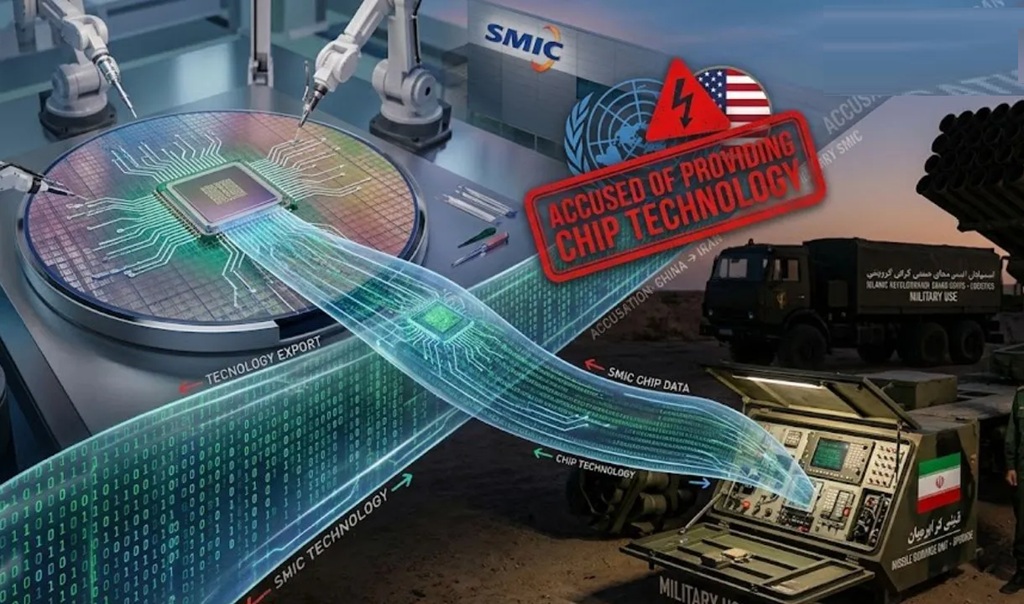


WASHINGTON, D.C. – US State Department officials say China’s biggest semiconductor company has spent nearly a year sending chipmaking equipment to Iran’s military. As a result, the claims are adding new strain to the already tense tech fight between Washington and Beijing.
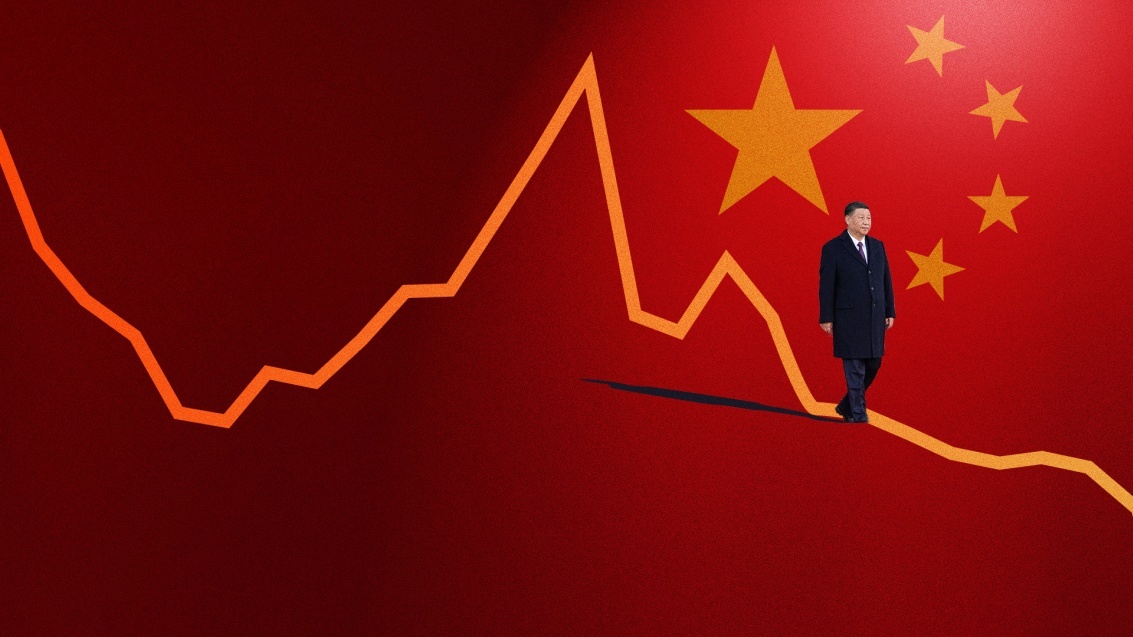
The timing matters. President Donald Trump is expected to travel to China in May, while both governments clash over tariffs, trade rules, and market access. At the same time, Beijing has opened its own reviews of US policies, showing it plans to push back before the meeting.
Semiconductor Manufacturing International Corporation, better known as SMIC, is China’s top chipmaker. It makes advanced semiconductors used in products ranging from smartphones to defense systems.
Since 2020, the company has faced tough US sanctions. American officials say SMIC has links to China’s military, a charge the company has denied many times. Even so, SMIC has kept moving ahead with domestic chip development, including work tied to Huawei devices.
Key facts about SMIC
- Founded in 2000 and based in Shanghai
- China’s largest contract chip manufacturer
- Employs thousands of workers and spends billions on local production
- Operates under strict US export controls on advanced semiconductor tools
Those restrictions are meant to slow China’s progress in advanced chips. Still, reports suggest SMIC has continued to make gains.
US Allegations: Chipmaking Equipment Reached Iran’s Military
Two senior Trump administration officials told reporters that SMIC started providing chipmaking tools and technical support to Iran’s military around March 2025. According to those officials, the transfers may still be happening.
They say the equipment could help Iran’s military industry produce electronics for any system that depends on chips. That could include drones, missiles, and communications gear.
One official said the arrangement “almost certainly included technical training” related to SMIC’s semiconductor processes. In other words, the alleged support may have gone beyond hardware and could help Iran build more of its own chip capability.
That timeline has raised concern. It lines up with growing tension in the Middle East, including recent US and Israeli action against Iranian targets. Because of that, critics warn the transfers could strengthen Iran’s defense sector, despite long-standing sanctions on Tehran.
US experts are also reviewing whether any American-made parts ended up in the equipment. If they did, that could violate current export rules.
China Pushes Back, Calls Report False
Beijing quickly rejected the allegations. China’s foreign ministry said the reports were false after checking the matter. A spokesperson also accused media outlets of spreading misleading claims.
So far, SMIC has not publicly responded to the latest accusations. In the past, the company has said it follows all laws and focuses on civilian business.
China has also said its trade with Iran remains normal commercial activity. Officials insist Beijing supports economic ties, not military assistance tied to the current regional conflict.
That response fits a familiar pattern. Both Washington and Beijing often accuse each other of unfair conduct while defending their own position.
Trade Friction Grows Before a Trump-Xi Meeting
The SMIC issue comes as trade tensions rise again. Trump has signaled that he may bring back or widen tariffs on Chinese imports. His administration has also started new probes into what it says are unfair trade practices by several countries, including China.
Beijing answered with two counter-investigations on Friday. Those reviews focus on US actions that could restrict Chinese exports, including products tied to clean energy. Chinese officials say the moves are meant to defend domestic industries and respond to US pressure.
What Beijing is reviewing
- Possible US barriers blocking Chinese goods from entering US markets
- The effect of US policy on global supply chains
- Trade concerns tied to green technology and related sectors
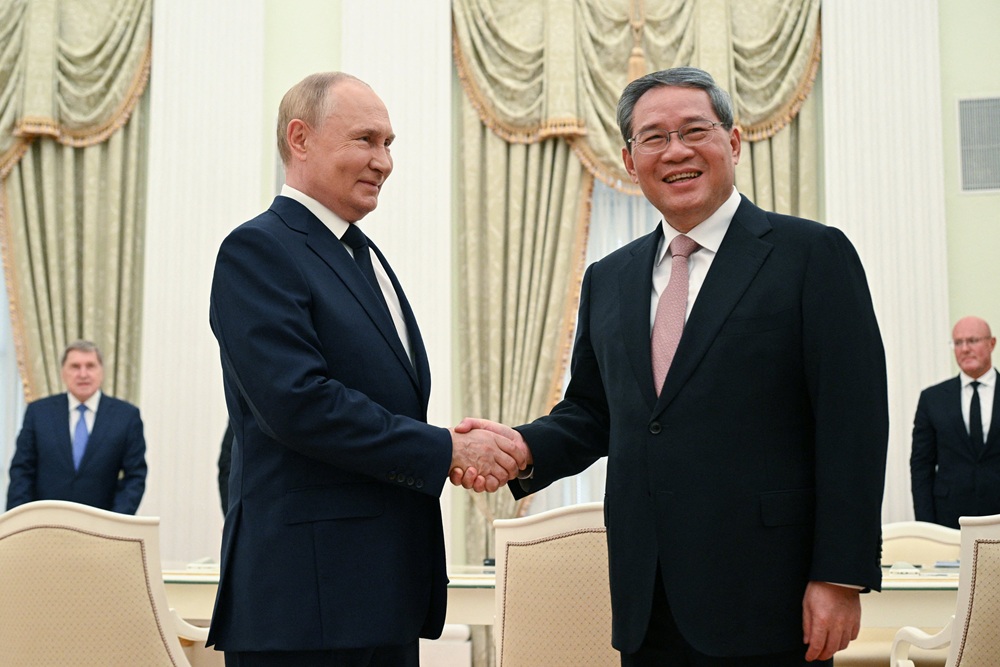
All of this comes ahead of Trump’s planned May visit to Beijing. The trip is supposed to improve ties in the Asia-Pacific, but most analysts expect hard talks on tariffs, technology controls, and regional security.
A trade pause reached late last year has held in part. Still, old disputes, including Section 301 tariffs and export controls, continue to return. Court rulings have also complicated some of Trump’s earlier tariff plans, so the administration may need a new path.
Why Semiconductors Sit at the Center of the US-China Fight
Chips run modern economies and modern militaries. Advanced semiconductors power AI systems, communications networks, and precision weapons. Because of that, the US wants to protect its lead and block sensitive technology from reaching rivals such as Iran or boosting China’s military capacity.
China, meanwhile, is spending heavily to build its own supply chain. Plans such as “Made in China 2025” are meant to cut reliance on foreign suppliers, especially those in the United States.
SMIC’s progress under sanctions shows how serious Beijing is about chip self-reliance. Yet China still depends on some foreign tools, and that weakness remains a pressure point for both sides.
The alleged Iran connection also points to a wider issue, sanctions evasion. US reports have long warned about networks involving China, Russia, and Iran that help restricted states get dual-use goods.
Possible Effects on Tech and Global Trade
If the claims are confirmed, the fallout could spread quickly.
For the United States, that could mean tighter export controls or new blacklists targeting Chinese companies. It could also bring more pressure on allies to adopt similar limits.
For China, the case could trigger new sanctions or a deeper review of SMIC and its suppliers. In turn, that may make it harder for China to draw foreign investment into its chip industry.
For the global market, the result could be higher electronics costs and more supply chain disruption. Companies in many countries may also face tougher compliance demands.
Iran could gain some local chipmaking ability from this support, if the allegations are true. Still, experts doubt that it would erase the broader technology gap anytime soon. Even so, any step forward in Iranian military electronics is likely to alarm Western governments.
Economists also warn that rising tariffs often hurt businesses and shoppers on both sides. Past rounds drove up prices on everything from phones to cars.
Attention will now turn to Trump’s trip to China. Both governments could use the meeting to lower tensions, or they could use it to score political points at home.
US officials may release more evidence tied to the alleged SMIC shipments. China, on the other hand, could respond with more trade action or stronger public support for its companies.
For now, the semiconductor sector remains under close watch. SMIC and other Chinese firms are still expanding fabrication plants, while companies around the world adjust to changing rules.
The broader message is clear. Technology is no longer just a business issue; it’s a national security issue. Governments now treat chips as strategic assets.
The next few weeks may show whether Washington and Beijing can keep this dispute contained or let it grow worse. With a presidential visit approaching, both sides have reasons to keep talking, even if trust stays low.