


Los Angeles is no stranger to political drama, but the lead-up to the June 2026 mayoral primary has created a perfect storm of controversy, voter frustration, and high-stakes campaigning. At the center of the current media frenzy is a highly polarizing proposal regarding noncitizen voting in local elections.
While sensational rumors have circulated claiming that Mayor Karen Bass is demanding noncitizens should vote, the reality of the situation is more complex—and deeply tied to the broader battle for the future of Los Angeles.
First and foremost, it is vital to separate fact from political fiction. The current push to allow noncitizens to participate in city elections did not originate from the mayor’s desk. Instead, the motion was introduced in late April 2026 by L.A. City Councilmember Hugo Soto-Martinez.
Soto-Martinez hopes to get the measure on the November ballot, arguing that tax-paying noncitizen residents should have a voice in local governance. This proposal has generated intense debate across the city.
- The Legal Landscape: Federal law strictly prohibits noncitizens from voting in national elections. However, municipalities have some leeway when it comes to local races.
- The Precedent: Several U.S. cities, including some in California and the District of Columbia, currently allow limited forms of noncitizen voting in local school board or city council races. Conversely, eighteen states have enacted outright bans on the practice.
- The Backlash: The proposal immediately drew sharp criticism from conservative groups and moderate voters who argue that voting is a fundamental right strictly reserved for U.S. citizens.
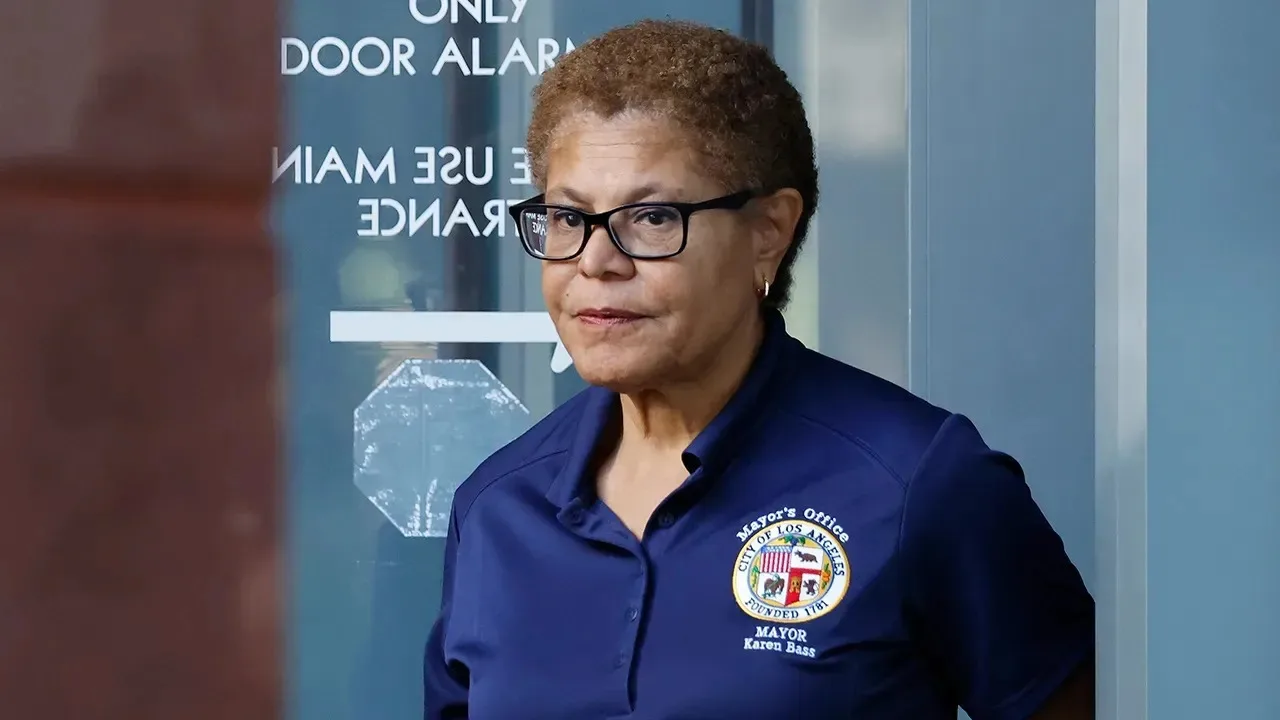
While Bass did not author the proposal, as the incumbent mayor, she is inevitably forced to navigate the political fallout. Voters are highly polarized, and any controversial city council action naturally ripples into the mayoral race.
A Fiercely Competitive Mayoral Primary
Even without the noncitizen voting debate dominating the news cycle, Karen Bass is facing a much tougher re-election campaign than many political analysts predicted a year ago. Early in her term, Bass appeared poised for a relatively smooth path to a second term. However, the political landscape shifted dramatically.
Currently, Bass is fighting off challenges from multiple fronts. The most significant threat comes from within her own party’s progressive wing. City Councilmember Nithya Raman, a former ally who previously endorsed Bass, made a dramatic, last-minute entry into the race. Raman is actively challenging the mayor’s record on housing, municipal finances, and homelessness.
The Challengers Shaking Up the Race
The field of candidates hoping to unseat Bass is incredibly diverse, reflecting a fractured electorate.
- Nithya Raman: Appealing strongly to the city’s younger and more left-leaning demographic, Raman argues that the current administration has been too slow to enact meaningful rent control and tenant protections.
- Spencer Pratt: In a surprising twist, reality TV star Spencer Pratt has emerged as a disruptive candidate. He is utilizing his massive social media savvy to capture the attention of disillusioned voters who are tired of traditional politicians.
- Business and Activist Outsiders: Housing activist Rae Huang and tech entrepreneur Adam Miller are also in the mix. Miller is focusing heavily on municipal efficiency and business-friendly policies, ensuring that the incumbent faces attacks from the left, right, and center.
To understand the current voter sentiment, one must look at the highs and lows of Bass’s first term. When she defeated billionaire developer Rick Caruso in 2022, she made tackling the homelessness crisis her central promise.
Her signature initiative, the “Inside Safe” program, has made measurable progress. The administration reports moving thousands of unsheltered individuals indoors and clearing over a hundred street encampments.
However, despite progress on homelessness, Bass suffered a significant blow to her approval ratings in January 2025. During the devastating Palisades and Eaton wildfires, the mayor was on a diplomatic trip to Ghana. A viral video showing her ignoring a reporter’s questions at the airport upon her return sparked immense public outrage. The handling of the fires severely damaged voter trust, leaving a stain on her record that challengers are eager to exploit.
What L.A. Voters Are Really Saying
If you speak to residents on the streets of Los Angeles, you will hear a consistent theme: exhaustion. Voters are simply tired of the soaring cost of living, persistent public safety concerns, and endless political gridlock.
Public forums and neighborhood council meetings have seen record attendance in recent weeks. Many constituents feel that basic city services—like pothole repairs, sanitation, and public transit safety—are taking a back seat to highly publicized ideological battles.
The noncitizen voting proposal, regardless of who authored it, acts as a lightning rod for this underlying frustration. Voters who feel their tax dollars are mismanaged view this proposal as a step too far, adding fuel to the fire in an already volatile election season. Because voters often view the mayor as the ultimate face of city leadership, Bass is bearing the brunt of this collective anger.
As the June 2, 2026, primary approaches, the stakes could not be higher. Los Angeles utilizes a top-two primary system. If no candidate secures more than 50% of the vote in June, the top two vote-getters will face off in a high-stakes general election in November.
With voting already underway, candidates are scrambling to define their platforms. Bass must convince voters that her administration has laid the groundwork for a safer, more affordable city. Her challengers must prove they are capable of governing a massive, complex metropolis rather than simply pointing out the city’s flaws.
Ultimately, the narrative that Karen Bass is “bracing for a massive loss” is premature. Incumbency carries significant weight, and she remains a formidable political force with strong union backing. However, the anger over city council proposals, combined with the lingering resentment from past controversies, guarantees that this election will be a grueling fight to the finish.
In the chaotic world of local politics, it is easy for facts to get lost in sensationalism. The debate over noncitizen voting is real, and it is highly contentious. But attributing the proposal directly to Mayor Bass misrepresents the mechanics of L.A. city government.
As voters head to the polls, they must sift through the noise to evaluate the actual records and policies of the candidates. Whether Karen Bass secures a second term or falls to a challenger will depend on who can best address the everyday realities of Angelenos—not just the flashy headlines.