

VANCOUVER – Trade tensions between Canada and the United States are currently reaching a boiling point. Canada’s trade minister just reaffirmed a strong “Canada First” economic agenda. This bold move comes as both nations prepare for a very tough round of trade negotiations.
The Canadian government is determined to protect local industries, workers, and vital supply chains. However, dealing with its largest trading partner is getting more complex by the day. Recent threats of heavy U.S. tariffs have forced Ottawa to rethink its entire economic strategy.
Key Takeaways
- Canada is leaning into a self-reliant economic plan to shield domestic industries from global shocks.
- U.S. President Donald Trump has threatened massive 50 percent tariffs on a variety of Canadian goods.
- Canada’s trade minister is actively engaging in high-stakes Washington talks to resolve the ongoing dispute.
The “Canada First” approach is a direct response to a rapidly changing global market. Canadian officials desperately want to fundamentally transform the national economy. They hope to rely significantly less on a single dominant trade partner.
This ambitious strategy focuses on building self-sufficiency and long-term economic resilience. The government plans to invest heavily in modern domestic infrastructure. It also wants to quickly diversify trade markets beyond the United States to protect local jobs.
Protecting local communities and businesses remains the primary objective for the government. Severe supply chain disruptions have hurt the Canadian economy heavily in recent years. Now, Ottawa aims to prevent future global shocks by keeping essential production at home.
The recently released Spring Economic Update 2026 highlighted these exact economic priorities. It promised massive investments to build a much stronger, self-sufficient domestic market. For example, the government introduced the Canada Strong Fund to drive this economic transformation.
The Ongoing U.S.-Canada Trade Dispute
These strategic economic moves are happening during a bitter, 18-month trade war. The devastating conflict originally began in early 2025. Back then, U.S. President Donald Trump placed sweeping tariffs on many Canadian imports.
Canada quickly responded to the aggressive threat with its own set of retaliatory taxes. They specifically targeted American automobiles, steel, and various agricultural products. This intense back-and-forth battle has heavily disrupted decades of cross-border business.
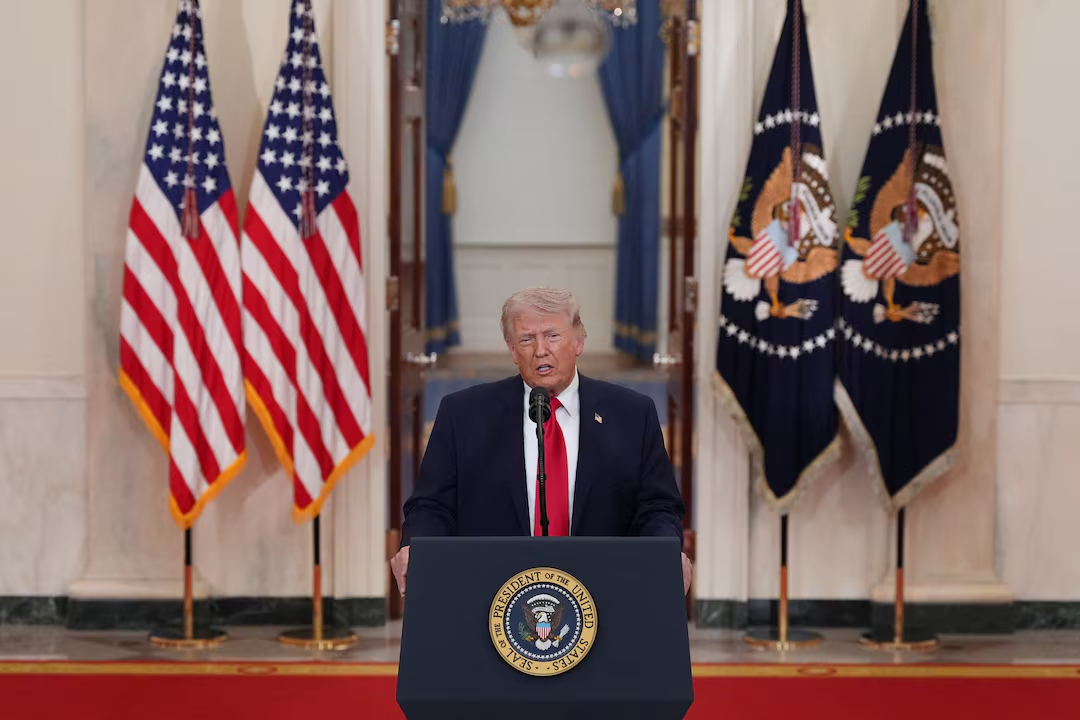
Recently, Trump decided to escalate the volatile situation once again. He formally threatened to impose 50 percent tariffs on various Canadian goods. This new punishing tax would hit everyday items like dairy, beer, and hockey sticks.
High-Stakes Talks in Washington
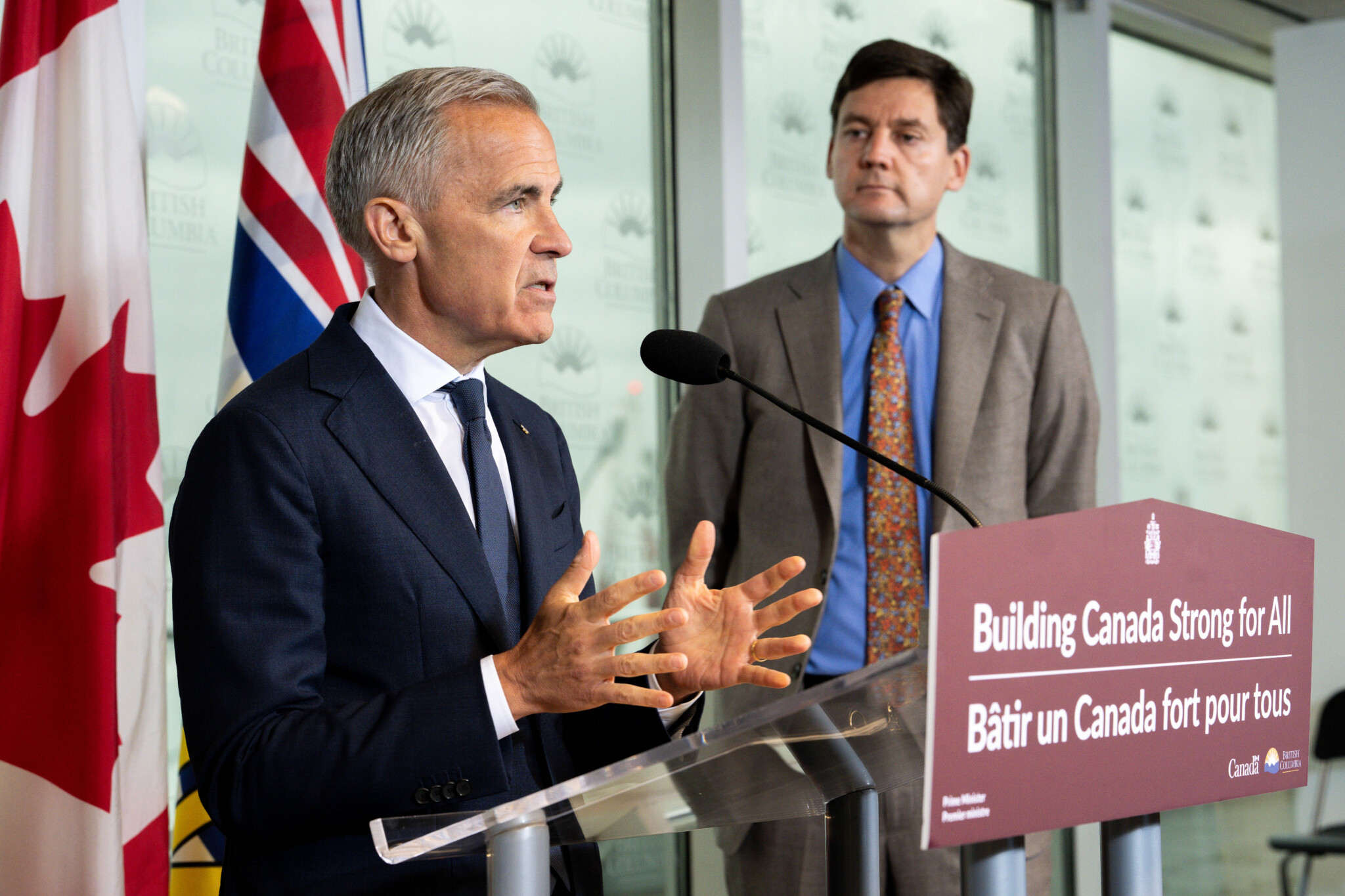
Canada’s trade minister, Dominic LeBlanc, is certainly not backing down from the fight. He recently traveled to Washington for urgent, high-level diplomatic meetings. He was joined by Canada’s highly experienced chief trade negotiator, Janice Charette.
The dedicated Canadian team strongly wants to defend its core economic interests. They are firmly pushing back against the U.S. narrative of unfair trade practices. Both sides are desperately trying to find common ground before new tariffs begin.
Prime Minister Mark Carney and President Trump have openly agreed to speed up negotiations. Carney wants to secure a fair agreement before the looming August 19 deadline. However, precious time is running out to avoid further economic damage to both countries.
Protecting Canadian Workers and Supply Chains
At the very heart of Canada’s agenda is the everyday Canadian worker. The federal government is aggressively pushing measures to keep good jobs inside the country. This includes creating new financial support programs for industries hit hardest by tariffs.
National supply chains are also getting a major, much-needed strategic overhaul. Leaders finally realize that depending solely on U.S. imports is simply too risky today. They are now actively offering large incentives to companies that manufacture essential goods locally.
Furthermore, Ottawa is planning to launch Canada’s first Investment Summit this September. This major upcoming event aims to attract the world’s largest investors and prominent business leaders. The clear goal is to bring fresh capital into the growing Canadian market.
What Happens Next for North America?
The next few weeks are absolutely critical for the future of North American trade. Businesses on both sides of the border are watching the tense situation very closely. Another massive wave of tariffs could easily cause extreme stock market volatility.
The future of the Canada-U.S.-Mexico Agreement (CUSMA) also hangs entirely in the balance. The three allied countries recently failed to unanimously agree to a blanket renewal. This failure adds another thick layer of uncertainty to the regional economy.
For now, Canada remains incredibly firm on its self-reliant economic path. Ottawa will relentlessly continue to fight for fair and equal treatment. The bold “Canada First” agenda is clearly here to stay, regardless of intense U.S. pressure.
Ultimately, both neighboring nations desperately need each other to thrive financially. A modernized, mutually beneficial trade deal is certainly the best outcome for everyone involved. Until then, this historic trade war remains a dominant force in global politics.