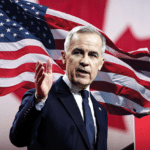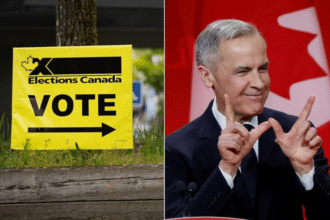


The U.S.-Canada trade talks collapsed on Aug. 22, 2026, just as both governments said they were close to an agreement. Each side then accused the other of changing the terms at the last moment: U.S. Trade Representative Jamieson Greer said Canada added new demands, while Prime Minister Mark Carney said Washington introduced unfair changes and offered too little.
The disagreement came as the United States imposed 50% tariffs on about $20 billion in Canadian goods, including wine, cement, dairy products, clothing, and hockey equipment. Canada said it would respond with dollar-for-dollar tariffs beginning Sept. 8, adding pressure to businesses already watching the unresolved Canada-U.S. tariff dispute.
The claims remain disputed, and the confirmed tariff list doesn’t settle who moved the goalposts. The sections ahead examine both governments’ accounts, the tariff details that are known, and what the breakdown could mean for companies, prices, and consumers.
Key Takeaways
- The trade talks broke down shortly before the Aug. 22 deadline, with both governments accusing the other of changing agreed terms.
- U.S. Trade Representative Jamieson Greer says Canada rejected tariff reductions and added demands late in negotiations.
- Prime Minister Mark Carney says Washington introduced unfair last-minute changes, so Canada suspended talks and recalled its negotiating team.
- The United States imposed 50% tariffs on about $20 billion in Canadian goods, including wine, dairy, cement, clothing, and hockey equipment, as Reuters reported.
- Canada plans dollar-for-dollar retaliation on Sept. 8. Understanding tariffs and counter-tariffs clarifies how the dispute could raise costs for businesses and consumers.
Why the U.S. Claims Canada Changed the Deal
The dispute centers on a basic disagreement over what had already been settled. Washington says Canada reopened the bargain after negotiators reached broad agreement, while Ottawa says the United States added new conditions at the last moment.
The agreement the Trump administration said was nearly finished
On Aug. 19, President Donald Trump said the two countries had reached a deal and paused new tariffs for three days. The proposed package covered tariff relief and market access involving autos, steel, aluminum, softwood lumber, and other trade barriers, including Canadian restrictions on some U.S. goods.
However, Trump’s announcement was not a signed trade agreement. He described the deal as subject to final documents, and negotiators still had to settle technical language, enforcement rules, product coverage, and timing. A verbal announcement can show political progress, but it doesn’t settle terms that lawyers and trade officials have yet to write.
For context, an earlier Canada tariff deadline extension also gave negotiators more time without producing a final agreement.
Greer’s explanation of the last-minute breakdown
U.S. Trade Representative Jamieson Greer said Canada declined to finalize terms agreed earlier in the week. According to Greer, Washington had offered major reductions on steel, aluminum, autos, and softwood lumber, then faced requests for additional concessions.
U.S. officials pointed to late Canadian requests involving heavy-duty truck tariffs and tariffs imposed under Section 232, a U.S. law used to address imports cited as threats to national security. Washington viewed those requests as an attempt to reopen settled points. Greer also suggested political pressure may have influenced Ottawa, though he did not present that as proven fact.
What Canada says the United States changed
Prime Minister Mark Carney rejected Greer’s account. He said Washington introduced last-minute terms that were unfair, economically harmful, and damaging to trust. Canada objected to tougher auto-content rules, limits on future trade agreements, and demands involving language, culture, and national sovereignty.
Carney said the United States wanted too much while offering too little, and he denied that Canada had introduced the late changes. The competing accounts remain unresolved.
How the U.S.-Canada Tariff Dispute Reached This Point
The latest breakdown followed months of escalating trade measures. Each government called its own restrictions a response, while accusing the other side of starting the conflict.
The earlier tariffs and Canada’s response
U.S. tariffs on Canadian imports led Ottawa to restrict selected U.S. alcohol, auto, and dairy products. Canada described those barriers as retaliation, while U.S. Trade Representative Jamieson Greer said they became the reason Washington demanded changes.
The United States then proposed targeted tariffs covering roughly 5% of Canadian exports, including about $20 billion in goods such as wine, cement, hockey sticks, and dairy products. The new duties were separate from existing trade measures, so companies faced another layer of costs. Reuters detailed the affected Canadian goods.
That sequence created a familiar pattern: U.S. tariffs prompted Canadian restrictions, which produced new U.S. demands, followed by further Canadian retaliation. By August, negotiators were trying to settle not only tariff rates but also market access and the removal of selected barriers. Readers can review the broader U.S.-Canada tariff escalation for additional context.
The three-day pause that raised expectations
On Aug. 19, President Donald Trump announced that the countries had reached a deal and paused new tariffs for three days. The announcement created a narrow window for officials to turn broad political promises into enforceable language covering products, exemptions, rates, and deadlines.
The pause was not a signed agreement. It functioned more like extra time on a contract deadline, where every unresolved clause can threaten the entire deal. Reuters reported on the temporary tariff pause.
The Aug. 22 collapse and Aug. 23 tariff start
Talks broke down on Friday, Aug. 22. New U.S. duties began at 12:01 a.m. Eastern Time on Saturday, Aug. 23, after officials failed to finalize the arrangement.
Carney promised dollar-for-dollar retaliation, although some Canadian measures were scheduled to begin after Labour Day, on Sept. 8. Those different timelines, along with competing public statements, left an unresolved question: did the dispute involve new demands, unfinished wording, or both?
Fast Facts & Costs Table: What the New Tariffs Could Affect
The new duties target a limited share of Canadian exports, but they cover products that reach stores, restaurants, contractors, and small businesses. Reports use slightly different methods, so the estimated value ranges from $20 billion to $28 billion.
What the tariff list includes
| Item | Reported detail | Why it matters |
|---|---|---|
| U.S. tariff rate | 50% on covered Canadian imports | Importers may pay half the product’s declared value in additional duties. |
| Estimated goods affected | About $20 billion to $28 billion | The range reflects different trade measurements and reporting dates. |
| Share of Canadian shipments | About 5% to 5.5% of Canada’s exports to the United States | The list is narrow compared with total bilateral trade, but it targets visible consumer goods. |
| Named products | Wine, furniture, dairy, cement, clothing, fishing rods, hockey equipment, and other consumer goods | Retailers and distributors may face higher landed costs across several industries. |
| Existing tariff layers | The duties come on top of separate U.S. tariffs affecting steel, aluminum, autos, and lumber. | Some companies may face multiple trade charges within the same supply chain. |
| Wider trade exposure | More than $1 trillion in North American trade could be exposed if the dispute expands. | This is the value of trade at risk in a broader conflict, not the value of the new tariff list. |
The White House described the 50% tariff measures and listed goods ranging from alcohol to hockey equipment. For a plain-language explanation of how these duties are set, see this guide to U.S.-Canada tariff decisions.
Who may pay more
Importers usually pay the duty first, then decide whether to absorb it, negotiate with suppliers, or raise prices. Retailers, restaurants, manufacturers, and small businesses have fewer options when margins are already thin.
As a result, shoppers could see higher prices for Canadian beverages, furniture, clothing, sporting goods, and building materials. Reuters reported on the affected Canadian exports.
A Step-by-Step Guide to Understanding Who Changed the Terms
Conflicting statements are easier to assess when you separate confirmed events from disputed claims. Start with the record, then compare the proposed terms and watch what happened after talks ended.
Start with the confirmed timeline.
Both governments broadly acknowledge the sequence: leaders announced progress on August 19, negotiations broke down on August 22, and new U.S. tariffs began at 12:01 a.m. ET on August 23. Canada then announced dollar-for-dollar retaliation beginning September 8. This shared timeline is firmer than political statements made during negotiations. Reuters reported the retaliation schedule.
Compare the disputed terms side by side.
List each issue separately instead of treating the dispute as one claim. For each point, record the U.S. position, Canada’s position, and whether independent reporting confirms the draft language.
- Heavy-duty trucks: Washington reportedly excluded them from proposed relief, while Ottawa treated that exclusion as unacceptable.
- Section 232 tariffs: The United States kept a 25% tariff on non-U.S. content in Canadian-built vehicles.
- Auto content: Canada objected to tougher requirements that could limit qualifying vehicles.
- Future trade agreements: U.S. oversight reportedly raised Canadian sovereignty concerns.
- Culture: Ottawa cited French-language media, labeling, and cultural-policy protections.
Public summaries may omit technical wording, product lists, or exceptions. A reported draft is evidence, but it isn’t proof of a final agreement.
Watch for the difference between a promise and a final deal
Leaders can announce progress before negotiators settle enforcement rules, exemptions, covered products, and effective dates. Therefore, “we have a deal” may describe a political understanding, not a signed legal agreement. That gap allows both sides to say the other changed the terms.
Track the real-world effects after the announcement.t
Check official tariff schedules and customs notices alongside several reputable reports. Watch prices, Canadian retaliation, affected trade-group statements, and currency movements. The Canadian dollar fell after the collapse, while small-business groups warned that the effects would arrive quickly. Social media claims often blur proposed terms with enforceable rules.
Local Tips and Common Mistakes to Avoid
Border shoppers and small businesses should treat the tariff list as a starting point, not a complete answer. A product’s origin, classification, paperwork, and entry date can determine whether the new duty applies.
Local tips for border shoppers and small businesses
Before buying or shipping an imported product, check its country of origin. A Canadian retailer may sell goods made elsewhere, and a Canadian-made product may contain foreign materials. U.S. Customs and Border Protection explains the marking rules for country of origin on imports.
Businesses should also confirm the product’s Harmonized Tariff Schedule classification and keep commercial invoices, origin certifications, and shipping records accurate. Ask a customs broker whether an exemption, quota, or preferential treatment could apply under the existing trade framework. Then check the exact effective date, since goods entering before or after a deadline may receive different treatment.
For small companies, the headline tariff rate is only one part of the bill. Model freight, brokerage fees, insurance, currency changes, storage, and possible supplier price increases when calculating the landed cost. Review supplier contracts for tariff-sharing terms, price-adjustment clauses, and cancellation rights before renegotiating an order. Tariff pressures on small Canadian companies can also affect sourcing and distribution decisions.
Shoppers should compare final prices across stores instead of assuming every retailer passed through the same increase. Some businesses adjust prices immediately, while others use existing inventory before changing shelf tags.
Common mistakes when reading tariff headlines
Don’t assume every Canadian product faces a 50% duty. The latest measure covers a reported $20 billion in goods, while the separate postponed tariff round was estimated at $28 billion. Those figures can describe different product groups and measurement periods.
Also, don’t confuse new duties with older tariffs on steel, aluminum, autos, or lumber. Finally, avoid declaring either government proven correct while the full draft agreement remains unpublished. Rates, product coverage, exemptions, and retaliation can change quickly, so check the latest customs notice before making a purchase or shipment.
Frequently Asked Questions
The dispute remains unsettled because the United States and Canada describe the final negotiation differently. These answers separate the proposed deal, the disputed changes, and the practical effects of the tariffs.
What deal did the United States and Canada fail to complete?
The proposed arrangement was meant to prevent new U.S. tariffs and establish terms for autos, steel, aluminum, softwood lumber, and other goods. It was discussed as a near-final bargain after President Donald Trump announced a short tariff pause. However, negotiators never completed and signed a final agreement, so several details remained open.
What exactly does the U.S. say Canada changed?
U.S. Trade Representative Jamieson Greer said Canada made late requests involving heavy-duty truck tariffs and U.S. duties imposed under Section 232. Washington says key terms had already been settled, including reductions affecting steel, aluminum, autos, and lumber, before Canada sought additional concessions. Reuters reported on the disagreement over truck tariff relief.
What does Canada say the United States changed?
Canada says the United States added tougher auto requirements, restrictions on future trade agreements, and conditions involving language, culture, and national sovereignty. Prime Minister Mark Carney rejected Greer’s claim that Canada made the final changes and said Washington’s demands were unfair and economically damaging.
How large are the new U.S. tariffs on Canadian goods?
Reports described duties of up to 50% on selected Canadian goods worth roughly $20 billion to $28 billion, depending on the measurement used. The list covers a small share of total Canadian exports, but exposed sellers may still face serious losses. Affected products include wine, cement, dairy, furniture, clothing, and hockey equipment.
Will the tariffs raise prices in the United States?
Importers may absorb some of the added cost, especially when they have strong supplier relationships or existing inventory. Retailers and manufacturers may also pass the expense to customers through higher prices. The final effect depends on the product, supply chain, currency movements, available substitutes, and how long the duties remain in place.
What happens next in the U.S.-Canada trade dispute?
The two governments could resume negotiations, revise their tariff lists, or impose additional retaliation. Business groups may pressure Washington and Ottawa to protect suppliers, jobs, and consumers, as seen during earlier Canada-U.S. trade dispute escalation. Watch official customs announcements and new statements from both capitals before relying on any tariff rate or product list.
Trending News: