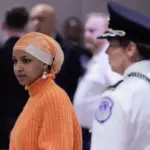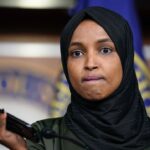


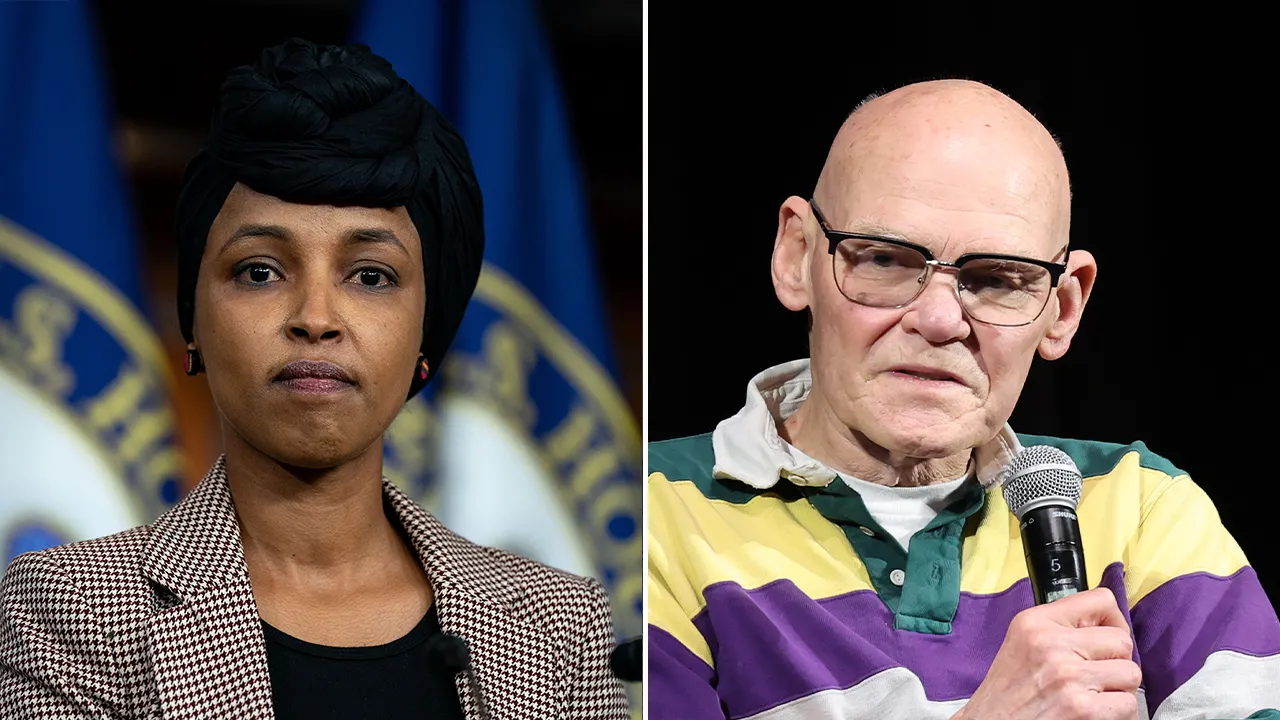

WASHINGTON D.C. – Longtime Democratic strategist James Carville is again calling on Rep. Ilhan Omar (D-Minn.) to leave the Democratic Party. He says she should start her own political movement or line up more directly with the Democratic Socialists of America. Carville repeated the message in recent podcast appearances, and his blunt tone has put fresh attention on the Democratic Party’s internal divide.
At the center of the dispute are Omar’s past remarks that critics say sounded dismissive of white men. Carville argues that kind of language hurts Democrats with a group they can’t afford to lose. In a March 2026 appearance on Stephen A. Smith’s “Straight Shooter” podcast, Carville went back to comments he made earlier on his “Politics War Room” show in May 2025, when he first suggested Omar should depart.
Carville didn’t soften his words
“Lady, why don’t you just get out of the Democratic Party? Honestly, start your own movement,” he said. He also described Omar as a “very attractive, soft-spoken lady,” but added that he wants her rhetoric to stop. From his view, the math is simple. He said white men make up about a third of voters, and attacking them is “stupid” and “mathematical insanity” for a party that needs a broad coalition.
Carville also floated a structural idea. He suggested Omar could align with the Democratic Socialists, similar to how Rep. Alexandria Ocasio-Cortez has handled her political identity. In that setup, he implied, progressives could still work with Democrats at times, but they wouldn’t define the party’s core message or its main election strategy. Carville added that he agrees with Omar on some issues, yet he thinks her approach pushes away voters Democrats need.
His critique lands during a larger debate about Democratic outreach, including the party’s struggles with young men. In other conversations about midterm planning, Carville has said Democrats haven’t communicated well with that group. He argues the party often sounds like it’s scolding people rather than persuading them, and he frames that as a problem that shows up at the ballot box.
Omar, a member of the progressive “Squad,” is known for speaking forcefully on Palestinian rights, racial justice, and foreign policy reform. She has also faced repeated political attacks, especially in conservative media. In this latest round, older clips and comments circulated again, and some outlets framed them as proof she targets white men. That framing helped fuel a new wave of calls for her to leave the party.
Key Points of Contention
- Electoral math and coalition politics: Carville points to turnout and demographics. He argues that white voters made up a large share of recent electorates, and about half of them are male. Because of that, he says it’s risky for Democrats to alienate white male voters, even if the goal is to call out unfair systems.
- Progressives vs. centrists: The argument reflects a familiar split. The left wing pushes sharper critiques and bold messaging. Moderates focus on persuasion, swing voters, and narrow wins in competitive districts. Carville’s comments put that tension in public view again.
- Omar’s response and context: Omar hasn’t directly responded to Carville’s latest remarks in the public statements reviewed. Still, her supporters say the anger toward her is manufactured, and they argue her comments get taken out of context. They also say her focus stays on equity and the needs of her constituents.
- What this means for the party: Carville’s frustration reflects a part of the party that sees some high-profile voices as more trouble than they’re worth. That mindset can make unity harder, especially when Democrats want to present a clear message before major elections.
As the back-and-forth grew, it spread quickly across social media and cable news. Outlets such as Fox News and the Washington Examiner highlighted Carville’s stance and used it to spotlight Democratic infighting. Inside Democratic circles, reactions look mixed. Some see Carville’s attack as counterproductive, since it creates headlines about division. Others view it as a needed warning about how messaging plays in places where Democrats tend to lose.
Democrats turning on Ilhan Omar
Omar remains one of the most polarizing figures in the party. Over the years, she has faced major pushback, including controversy tied to comments about Israel. Those disputes drew bipartisan criticism at the time and contributed to her removal from the House Foreign Affairs Committee in 2023. Even so, Omar has continued to win primaries in her Minnesota district, which shows she holds strong support at home, especially among progressive and diverse voters.
Still, Carville’s argument is not really about her district. It’s about what Democrats say and how it sounds to voters outside safe seats. He’s warning about the national brand, and he’s saying the party can’t afford messaging that feels like a broad insult to people it needs to win over. In his view, the party’s job is to build the biggest possible coalition, even when that means avoiding rhetoric that fires up part of the base.
This moment also fits into a wider pattern. Democrats keep wrestling with how to balance activist energy with election realities. On one hand, progressive lawmakers energize donors, volunteers, and younger voters. On the other hand, party veterans worry those messages can backfire in tight races. That’s the heart of the Democratic Party’s internal divide, and it’s why the James Carville Ilhan Omar criticism has drawn so much attention.
For now, Omar has not signaled that she plans to leave. Yet Carville’s repeated push, including the Carville Omar podcast comments, shows the frustration hasn’t cooled. As Democrats plan for 2026, the fight over messaging and coalition building will likely continue, especially if Republicans keep gaining ground with men and working-class voters.
In the bigger picture, Democrats turning on Ilhan Omar is less about one person and more about what the party wants to be. Carville is arguing for discipline and persuasion. Omar and her allies argue for speaking plainly about power and policy. That disagreement, and the backlash around Ilhan Omar’s comments about white men, will keep shaping the party’s conversations as the next election cycle approaches.
Related News:
Ilhan Omar Accused of Leaking U.S. Strike Plans to Iran as Tensions Rise