

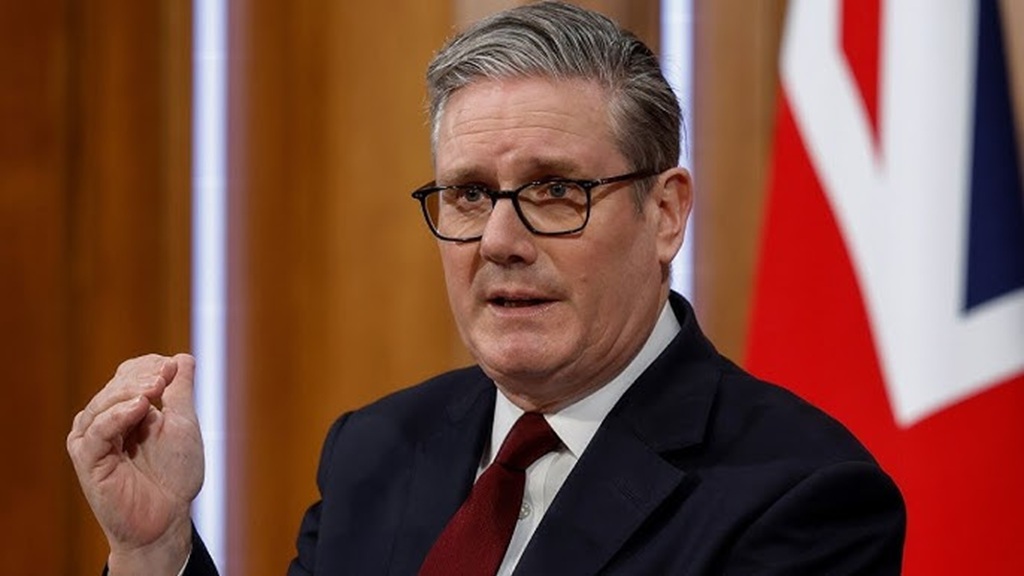

JEDDAH, Saudi Arabia — Prime Minister Keir Starmer has sparked a wave of confusion and political debate following a high-stakes interview in Saudi Arabia. While the world breathed a sigh of relief as the United States and Iran agreed to a fragile two-week ceasefire, the British leader’s comments have left many questioning the UK’s actual role in the deal.
Speaking from the King Fahd Air Base in Taif, Starmer appeared to position the United Kingdom as a central player in the peace process. This comes despite his government’s repeated and vocal insistence that the UK would stay out of the offensive strikes led by the Trump administration.
The ceasefire, announced earlier this week, brought a sudden halt to 39 days of intense conflict that threatened to spiral into a global energy crisis. The deal, largely brokered by last-minute diplomatic pushes from Pakistan and Gulf partners, hinges on one major condition: Iran must reopen the Strait of Hormuz to international shipping.
During his visit to Saudi Arabia, Starmer was quick to welcome the news. However, his phrasing during a press briefing raised eyebrows back in London.
“Together with our partners, we have reached a moment of relief,” Starmer told reporters. “It is our job now to make sure this ceasefire becomes permanent and that the Strait is opened to protect the UK’s national interest and energy prices.”
Critics were quick to point out the ambiguity. By using terms like “our job” and “we have reached,” the Prime Minister seemed to include the UK in the diplomatic victory—a move some are calling a “bizarre” pivot for a leader who spent weeks distancing Britain from the front lines.
The Policy Paradox: Rejection vs. Participation
Throughout the six-week war, the Labour government maintained a delicate balancing act. On one hand, the UK provided “defensive support” and helped protect shipping lanes. On the other hand, Starmer was adamant that British forces would not join the US and Israel in offensive bombing runs.
This “middle path” has led to several points of tension:
- Military Restraint: Starmer refused to allow British airbases to be used for offensive strikes against Iranian infrastructure.
- Economic Pressure: Rising fuel prices at UK pumps forced the government to focus on the economic fallout rather than military glory.
- The Trump Factor: While Donald Trump used “fire and fury” rhetoric, Starmer leaned into “collective self-defence,” creating a visible gap in the special relationship.
By claiming a share of the “relief” in Saudi Arabia, Starmer is facing accusations of “diplomatic coat-tailing”—trying to take credit for a peace deal he didn’t help fight for.
Why the Strait of Hormuz Matters to You
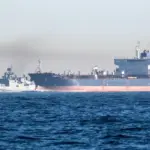
You might wonder why the Prime Minister is in the Middle East at all. The reason is simple: your wallet. The Strait of Hormuz is the world’s most important oil chokepoint. When Iran closed it, petrol prices in the UK shot up almost overnight.
| Impact Category | Effect of the Conflict |
|---|---|
| Fuel Prices | Record highs at UK petrol stations. |
| Global Trade | Virtual standstill of tankers through the Gulf. |
| Diplomacy | Intense pressure on the UK to “pick a side.” |
| Security | UK personnel deployed to Saudi Arabia for defensive cover. |
Starmer’s visit to the Gulf is an attempt to ensure that “open means open.” He has rejected Iran’s suggestion of charging tolls for passage, stating that the UK’s position is “toll-free navigation” for all.
Mixed Reactions at Home and Abroad
The Prime Minister’s “bizarre” announcement hasn’t gone unnoticed by his political rivals. In the UK, Reform UK and the Conservatives have both questioned the government’s consistency. If the UK wasn’t part of the war, they ask, how is it now a guarantor of the peace?
Meanwhile, in Washington, the Trump administration remains the primary architect of the ceasefire. While Starmer and other European leaders released a joint statement supporting the truce, the real power remains with the two primary combatants.
Key Takeaways from the Taif Interview:
- The “Work” Continues: Starmer warned that the ceasefire is “fragile” and requires more than just a pause in bombing.
- Defensive Thanks: He used the visit to thank British troops stationed in the region for their “brave service” in defending allies.
- A Line in the Sand: Starmer told The Guardian that this war must be a “turning point” for Britain to strengthen its own energy security so it isn’t “buffeted by crises” in the future.
What Happens Next?
The two-week ceasefire is a ticking clock. Discussions are already moving to Qatar and Bahrain as Starmer continues his tour of the region. The goal is to turn this “moment of relief” into a “lasting peace.”
However, the road is far from smooth. Israel has already claimed the ceasefire does not apply to its operations against Hezbollah in Lebanon—a stance Starmer has publicly called “wrong.”
As the Prime Minister tries to navigate these choppy diplomatic waters, the British public is left watching the petrol pumps. For now, the “bizarre” credit-sharing in Saudi Arabia might just be a symptom of a government desperate to show it still has a seat at the world’s top table, even if it refused to enter the room when the shooting started.
Related News:
Starmer Now Blames Trump and Putin for UK’s Energy Prices Not NetZero