

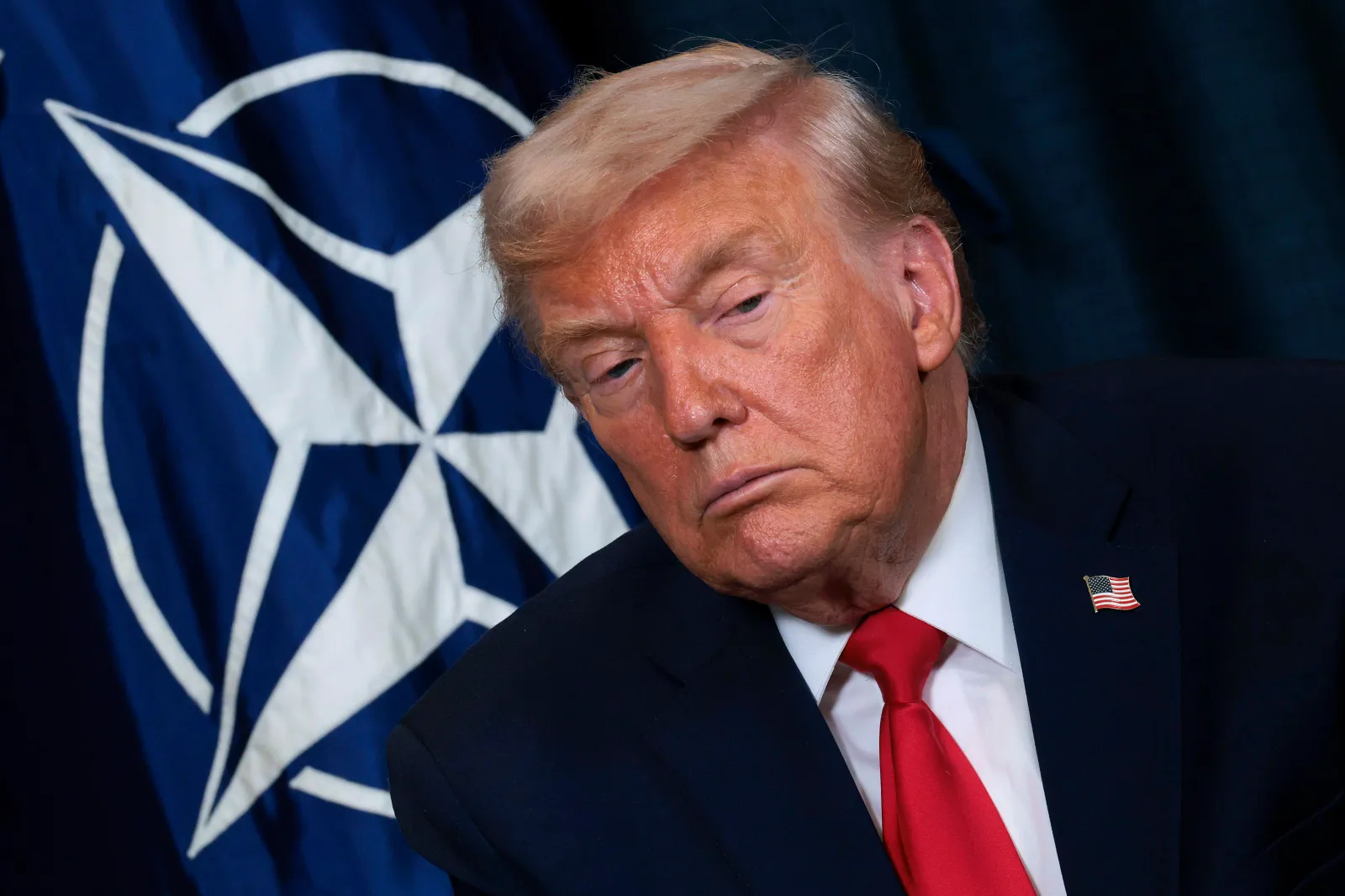

WASHINGTON D.C. — President Donald Trump has escalated his campaign against the NATO alliance, following a tense, closed-door meeting with Secretary General Mark Rutte.
The two-hour session at the White House on Wednesday ended not with a handshake of unity, but with a scathing assessment from the President. In a characteristic post on Truth Social shortly after the meeting, Trump wrote: “NATO WASN’T THERE WHEN WE NEEDED THEM, AND THEY WON’T BE THERE IF WE NEED THEM AGAIN.”
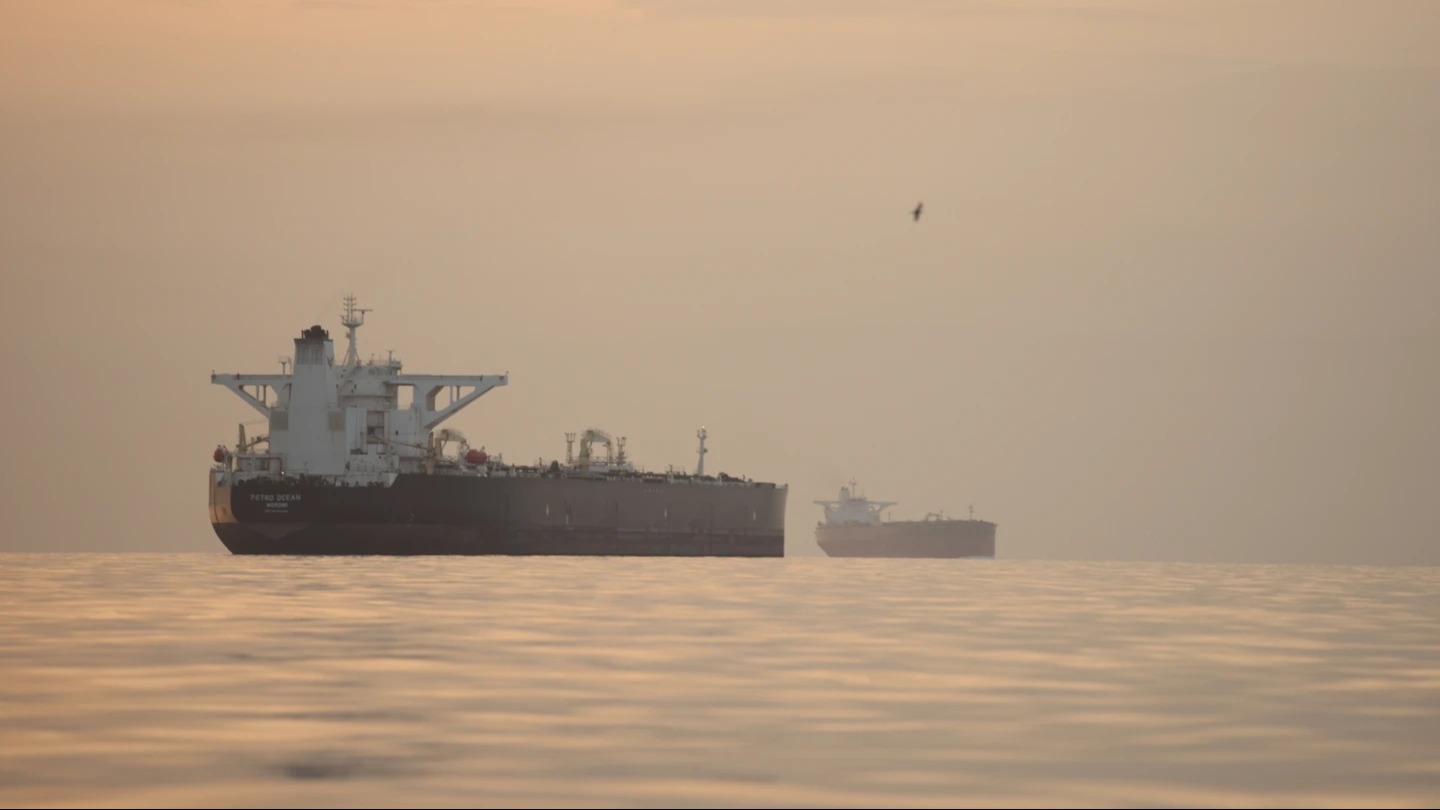
The rift centers on the recent conflict in Iran and the security of the Strait of Hormuz. While a two-week ceasefire was recently reached with Tehran, the President remains furious that European allies did not provide direct military support during the height of the hostilities.
The “Failed” Test: A Fractured Alliance
The Trump administration has been blunt in its critique. Before the meeting even began, White House Press Secretary Karoline Leavitt told reporters that NATO had been “tested, and they failed.”
The President’s frustration stems from several key points:
- The Iran Conflict: Trump expected NATO allies to join the U.S.-Israeli military campaign against Iran.
- The Strait of Hormuz: Washington has demanded that European nations take the lead in securing the critical oil waterway, arguing that those who depend on the oil should be the ones protecting the route.
- Airspace Restrictions: Countries like Spain and France drew Trump’s ire by restricting the use of their airspace and joint military facilities during the operations.
Moving Troops: Punishing the “Unhelpful”
Reports have emerged that the White House is now drafting a plan to “punish” specific NATO members. According to sources familiar with the matter, the administration is considering a major reshuffle of U.S. forces currently stationed in Europe.
The proposed plan would move U.S. troops out of countries deemed “unhelpful” during the Iran war—such as those that blocked airspace—and relocate them to nations that were more supportive of the U.S. military campaign.
While the U.S. currently has roughly 80,000 troops on the continent, any major withdrawal faces legal hurdles. A 2023 law prevents a president from fully pulling out of NATO without Congressional approval. However, experts say the President has significant authority to move troops between different European bases.
Rutte’s “Frank” Diplomacy
Mark Rutte, often called the “Trump Whisperer” by European diplomats for his ability to handle the President’s blunt style, described the meeting as “very frank and very open.”
Speaking to CNN, Rutte acknowledged that the President was “clearly disappointed” with the lack of European involvement in the Middle East. However, Rutte defended the alliance, noting that a “large majority” of Europeans provided logistical support and access to bases.
Rutte’s challenge remains immense. He must convince a skeptical White House that NATO’s primary mandate is the defense of Europe and North America—not necessarily offensive operations in the Persian Gulf.
The Greenland Connection
In an unusual twist, the President’s frustration with NATO has also become entangled with his long-standing interest in Greenland. In his post-meeting social media blast, Trump added: “REMEMBER GREENLAND, THAT BIG, POORLY RUN, PIECE OF ICE!!!”
The President has previously suggested that his irritation with the alliance began with European opposition to his proposal for the U.S. to acquire the territory from Denmark. For many in Brussels, the mention of Greenland during a high-stakes security meeting is a sign of just how unpredictable the transatlantic relationship has become.
What Happens Next?
The President has reportedly given European allies an “ultimatum.” Reports from European diplomatic circles suggest the U.S. is demanding “concrete commitments” of warships and military assets to the Strait of Hormuz within days.
If these demands are not met, the proposed troop reshuffle could begin as early as this summer. For now, the 77-year-old alliance is facing its most significant internal crisis in decades, leaving many to wonder if the “paper tiger”—as Trump now calls it—can survive another four years of friction.
Related News:
Trump and Rubio Put NATO Under Huge Stress as US Weighs Exit Over Iran War