

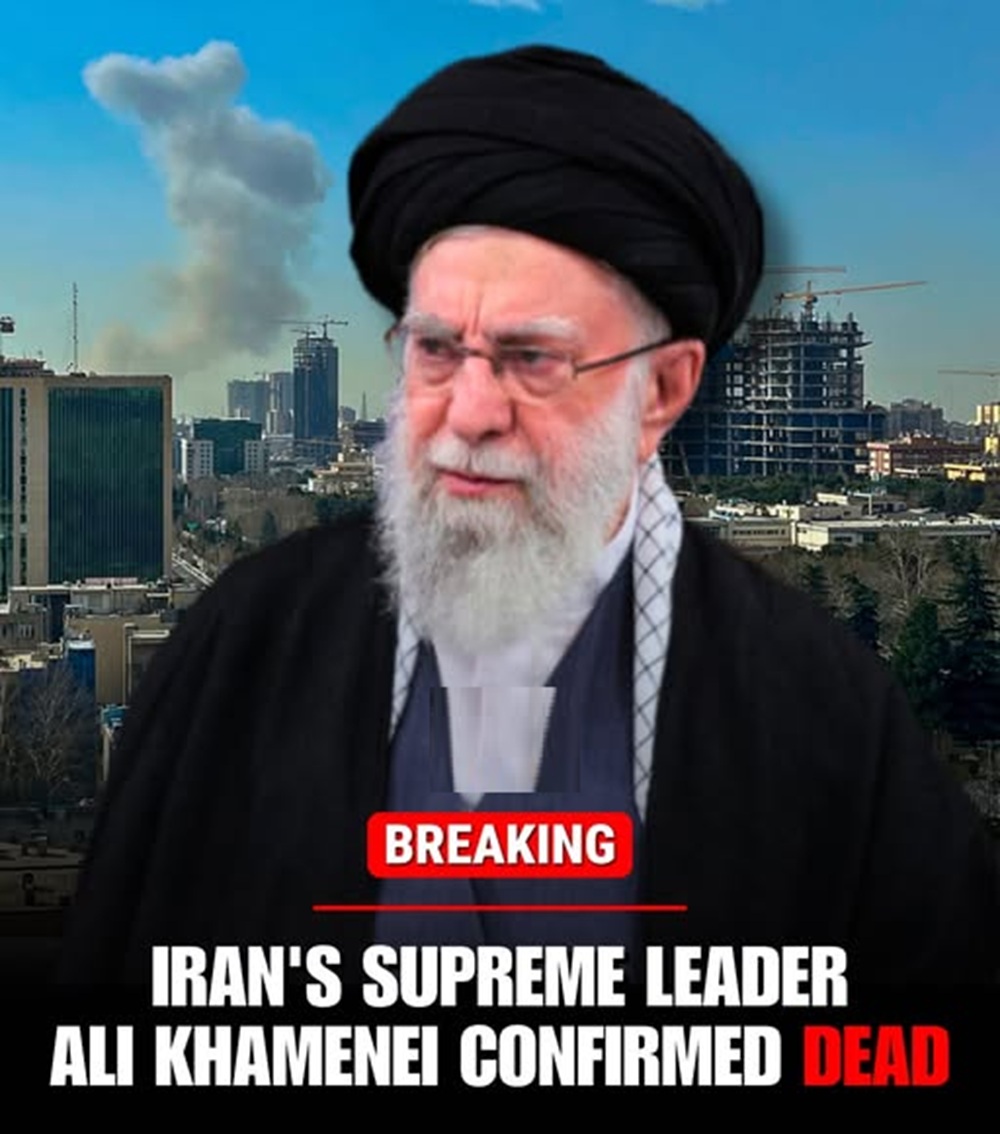

TERRAN – State TV in Iran and several semi-official outlets reported that Iran’s Supreme Leader Ayatollah Ali Khamenei has died after what they described as a precise Israeli airstrike. US and Israeli officials also said the operation killed him, according to multiple media reports.
Khamenei was 86. Iranian outlets called his death a “martyrdom” and blamed a joint US and Israeli attack. The reports came shortly after US President Donald Trump posted on Truth Social that Khamenei had been killed, and praised the strikes as a move toward “peace” in the region.
The strike that reportedly killed Khamenei
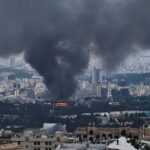
According to US and Israeli statements cited by major news organizations, coordinated strikes began early Saturday as part of a wider US-Israel operation hitting targets across Iran. Israeli officials said an airstrike hit Khamenei’s compound in Tehran. In addition, several security sources quoted in international coverage said he died at that location. Satellite images shared in news reports appeared to show heavy damage to the site.
Key points from the early claims and responses:
- First public claim: Trump announced Khamenei’s death before Iran’s media reports, saying US intelligence tracked him.
- Israel’s message: Prime Minister Benjamin Netanyahu said there were “growing signs” Khamenei was dead, and tied the strikes to stopping Iran from obtaining nuclear weapons.
- Iran’s response: State media announced 40 days of mourning and promised continued resistance against what it called “aggression.”
Those same reports also said the strikes killed about 40 senior Iranian officials, including defense and intelligence leaders. Israel said seven top figures died in the first wave.
Khamenei’s record, and why his death matters
Khamenei became Iran’s supreme leader in 1989, after Ayatollah Ruhollah Khomeini died. Before that, Khamenei served as president and built a reputation as a hardline cleric. Over more than three decades in power, he remained the central voice in Iran’s security policy and foreign posture.
During his rule, Iran:
- Expanded its regional reach through allies and armed groups, including Hezbollah, Hamas, and militias in Iraq and Yemen.
- Faced heavy sanctions linked to its nuclear program.
- Cracked down on internal unrest, as protests repeatedly challenged the state.
Now, if the reported death is confirmed across Iran’s power structure, it removes the main figure tied to the country’s long-running confrontation with the United States and Israel. As a result, analysts expect a tense succession fight. Under Iran’s system, the Assembly of Experts selects the supreme leader, while other powerful bodies and the IRGC can shape outcomes behind the scenes.
Immediate aftermath, and what’s happening around the region
After the strikes, Iran fired missiles toward Israeli targets and US-linked assets, based on early reports. Some outlets also reported damage near the US Fifth Fleet in Bahrain. Iran’s President Masoud Pezeshkian was reported to be safe, and his office condemned the attacks.
Meanwhile, Trump said the US would continue bombing for days “or as long as necessary.” Netanyahu, speaking separately, framed the strikes as support for the “courageous Iranian people” during a period of unrest. Trump echoed that theme and urged Iranians to take control of the current system.
International reactions split quickly:
- Several US partners praised the operation as removing a major threat.
- Russia and China condemned the strikes as aggression.
- Some Arab governments, including Saudi Arabia, were reported to have pushed for action behind the scenes.
Even with the public statements, uncertainty remains. Iran has not announced a successor, and competing power centers could move fast in the coming days.
What comes next for Iran, Israel, and the wider conflict
If the reported assassination holds, the near-term risks look high:
- Political instability inside Iran: Protests could grow, while hardliners and rivals fight for control.
- Wider military escalation: Iran could expand retaliation through regional partners, which could pull in more countries.
- Nuclear program impact: Strikes may have hit key sites, which could slow work or drive a faster push underground.
- Oil market shock: Fear of supply disruption pushed prices higher in early trading, according to market reports.
For now, Tehran is in mourning, and the region is on alert. The reported death of Ayatollah Ali Khamenei, if fully confirmed, would mark one of the most important turning points in modern Middle East history.
This story is continuing to develop. Reporting cited by outlets includes Iranian state media, US and Israeli statements, and coverage from CNN, BBC, and Axios.