News
CBS Caught Making Deceptive EDIT to 60 Minutes Interview With Hegseth
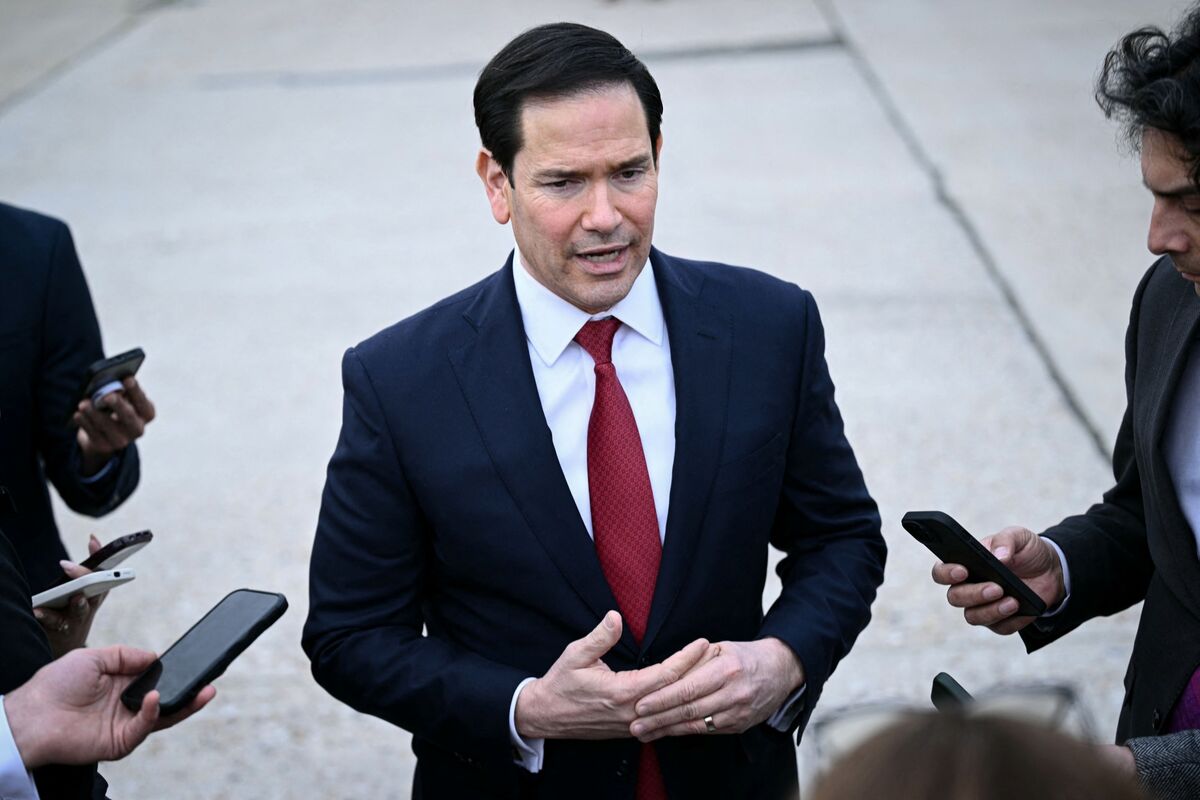
WASHINGTON, D.C.– CBS is taking heat over an edit in its 60 Minutes interview with Defense Secretary Pete Hegseth. The dispute centers on a segment that aired March 8, 2026, during the ongoing U.S. conflict with Iran. In the broadcast, correspondent Major Garrett pressed Hegseth on U.S. foreign policy priorities.
On March 9, Megyn Kelly opened The Megyn Kelly Show on SiriusXM by pointing to what she called a key change. She said CBS replaced Garrett’s original question, which referenced criticism from “America First” voices (including Kelly), with a version framed around Israel and Prime Minister Benjamin Netanyahu. In Kelly’s view, that swap changed the meaning of Hegseth’s answer and could have given viewers a different impression of what was being discussed.
The Interview Setting: The U.S.-Iran War and Hegseth’s Message
The 60 Minutes segment featured Hegseth, a former Fox News host who now serves as Defense Secretary under President Donald Trump. He spoke about the escalation tied to “Operation Epic Fury.” By the time the episode aired, U.S. and Israeli strikes on Iranian assets had entered their second week. During the interview, Hegseth stressed resolve, said more casualties were likely, and predicted Iran would eventually surrender.
CBS also posted a longer version of the interview online. That extended cut includes more on possible American losses, risks tied to Russia, and the administration’s wider goals.
What Kelly Says CBS Changed
Kelly said she compared the on-air segment with the longer online interview and found a major difference in one exchange.
- Broadcast version (aired on 60 Minutes): In the edited segment, Garrett’s question (or narration around it) referenced criticism that Israel, or Netanyahu, was pulling the United States into conflict. Hegseth’s response then appeared to address concerns linked to Israel’s role.
- Online extended version (full exchange): Garrett asked, “You mentioned America First. Some who identify with that movement, Megyn Kelly, Tucker Carlson, Candace Owens, Marjorie Taylor Greene, have said, from their perspective, this isn’t an America First campaign. Do you want to address that criticism?”Hegseth answered, “All I know is I’m in the room every day, and I see how President Trump operates and what he’s putting first, and it’s America, Americans, and American interests at every level.”
Kelly said the broadcast edit pushed Israel into a moment that, in the longer cut, had nothing to do with Israel. She argued that the new framing made it sound like Hegseth was defending Israel’s part in the war, instead of answering “America First” critics. Kelly called the change “deceptive” and said it looked like an attempt to “rehabilitate” public views of Israel’s involvement in the Iran fight.
“What kind of bulls–t is this?” Kelly reportedly said, accusing CBS of shaping the narrative through editing.
CBS Editing Choices Get Fresh Scrutiny
As of March 10, 2026, CBS had not released a formal statement addressing the claim. Still, the network’s decision to publish the extended interview online made it easy for viewers to compare both versions. That side-by-side access helped drive the backlash.
Kelly and other critics tied the issue to bigger arguments about media bias. Some also pointed to CBS News leadership under editor-in-chief Bari Weiss, whom they described as having pro-Israel views. Kelly argued the edit fit an agenda that casts U.S. actions as tied closely to Israeli interests, even when the original exchange did not focus on that angle.
60 Minutes has faced similar complaints before. Past disputes have accused the program of selective editing in political interviews, which has kept questions about transparency alive.
Reactions and the Bigger Stakes
The clip dispute quickly spread across media outlets and social platforms.
- Conservative voices praised Kelly and said the edit showed how mainstream outlets treat “America First” views.
- Others defended CBS, saying edits are normal when a long interview must fit a tight broadcast window.
- Some supporters of the administration said it looked like another attempt to weaken Trump’s foreign policy message.
Because the U.S. military campaign is active, the timing matters. Hegseth’s appearance was meant to project strength and certainty. Instead, the argument over editing shifted attention to media trust and how much framing can change what viewers take away.
Kelly ended by urging people to watch both versions. She stressed that, in her view, “The Q&A you saw never mentioned Israel at all,” and said CBS changed the question to make it about Israel.
What It Means for Media Trust
With audiences already split along political lines, even small shifts in wording can fuel bigger mistrust. When a network changes the framing of a question, it can look like agenda-driven editing, even if the rest of the answer stays the same. CBS’s release of the full interview gives the public a way to verify what happened. At the same time, it shows how a broadcast cut can reshape the story people think they heard.
As the Iran conflict continues, both the war itself and the coverage around it will draw more scrutiny. For now, the Hegseth interview has become another flashpoint in the fight over fairness, accuracy, and where editing ends and manipulation begins.
Related News:
Karoline Leavitt Slams CBS News Over ICE Deportation Numbers
AOC Accuses Jessie Watters of Fox News of Sexualizing and Harassing Her
News
Trump Praises Albanese Over Giving Iranian Women Footballers Asylum
WASHINGTON, D.C. – Donald Trump praised Anthony Albanese for his response to the situation, saying he is doing a “very good job,” for granting the Iranian Women’s Soccer Players asylum in Australia after their Gold Coast Escape.
During the AFC Women’s Asian Cup 2026, five players from Iran’s national women’s soccer team have received humanitarian visas that let them stay in Australia. They approached the Australian Federal Police (AFP) after breaking away from team minders and asking for protection.
The athletes named in reports are Captain Zahra Ghanbari, Fatemeh Pasandideh, Zahra Sarbali, Atefeh Ramazanzadeh, and Mona Hamoudi. They left their Gold Coast hotel on Monday night, March 9, 2026.
Soon after, officers moved them to a secure location. Home Affairs Minister Tony Burke met with them late that night, then approved the visas around 1:30 a.m. Tuesday.
They say they feared persecution if they returned to Iran. Concerns grew after Iran’s opening match against South Korea, when the team stood silent during the national anthem. Many saw that silence as a protest during a tense period, including the ongoing US-Israel conflict involving Iran.
After that match, Iranian state television called the players “wartime traitors” and accused them of reaching “the pinnacle of dishonour.” At the same time, conservative voices pushed for harsh punishment.
Because of those comments, human rights advocates and members of the Iranian diaspora warned that the players could face prison, torture, or worse if forced to go home.
In later matches against Australia and the Philippines, the squad sang and saluted during the anthem. Even so, some observers believed officials traveling with the team pressured them to comply.

Escape From the Hotel and AFP Support
Reports say the five women slipped away from minders at the Royal Pines Resort. Australian authorities had kept a police presence at the hotel for days. As a result, players had a way to seek help quietly if they chose to.
- AFP response: Officers escorted the women out and took them to a safe location.
- Humanitarian visas: Officials issued the visas quickly after security checks, allowing the players to live, work, and study in Australia.
- Tony Burke’s comments: “They are safe here, they are welcome to stay in Australia, and they should feel at home here,” Burke said at a press conference. He also said the offer remains open to other team members who ask for help.
Meanwhile, protests formed outside the team hotel as the remaining squad prepared to leave for Iran. Demonstrators shouted “save our girls” and briefly blocked a bus. Some videos appeared to show players signaling distress from inside the vehicles.

International Spotlight After Trump and Albanese Speak
The situation quickly became a diplomatic issue. US President Donald Trump called Australian Prime Minister Anthony Albanese in the early morning hours, around 2 a.m. local time. Trump urged Australia to grant asylum and said sending the players back would be a “terrible humanitarian mistake.”
Before the call, Trump posted on social media criticizing any forced return. He also suggested the US would consider asylum if Australia refused. After speaking with Albanese, Trump praised his handling of what he called a “delicate situation.” He also said five players had been “taken care of.”
Albanese called the athletes “brave.” He added that Australia stands ready to assist other players if they come forward.
Wider Context and Ongoing Safety Concerns
Iran’s participation in the tournament happened during a period of regional unrest. That backdrop added to fears about what could happen to the players once they returned home. Groups such as FIFPRO, the global players’ union, raised alarms. Exiled Iranian figures, including Reza Pahlavi, also drew attention to the defections.
Australia’s quick decision stood out because the country is known for tough border rules. Still, officials pointed to Australia’s humanitarian responsibilities under international law. They also repeated that protection remains available to any other squad members who request it.
As of March 10, 2026, reports said the remaining players were still at the Gold Coast hotel, with some expected to fly back to Iran. The five who sought asylum reportedly celebrated after receiving approval, chanting “Aussie, Aussie, Aussie!”
The episode shows how sport, politics, and human rights can collide fast. What started as a silent gesture on the field turned into a global asylum story within days.
Related News:
Trump Pushes Back on War Hawks, Choosing Deals Over a Long Iran Overthrow Plan
Trump Takes Aim at China’s Critical Minerals Control With Project Vault
News
Trump Slams UK’s Starmer Over ‘Too Late’ Aircraft Carrier Offer
WASHINGTON, D.C. – US President Donald Trump took fresh aim at UK Prime Minister Keir Starmer on Saturday, brushing off reports that Britain may send two Royal Navy aircraft carriers to the Middle East. Trump said any move would come “too late” as the conflict with Iran continues.
Trump delivered the jab on Truth Social, where he framed the UK offer as an attempt to show up after the United States and its allies had already secured the outcome.
Trump’s Harsh Truth Social Message
Trump wrote: “The United Kingdom, our once Great Ally, maybe the Greatest of them all, is finally giving serious thought to sending two aircraft carriers to the Middle East. That’s OK, Prime Minister Starmer, we don’t need them any longer, But we will remember. We don’t need people that join Wars after we’ve already won!”
His post followed reports that the UK Ministry of Defence had put HMS Prince of Wales on higher readiness for a possible deployment. Those preparations could reportedly cut the normal sailing notice time. HMS Queen Elizabeth, Britain’s other Queen Elizabeth-class carrier, also came up in talks about boosting naval presence during the crisis.
At the same time, Trump’s comments highlighted a widening gap between Washington and London since the US-Israel campaign against Iran began on February 28. The operation has targeted Tehran’s nuclear and missile capabilities, while also tying the effort to regime change goals.

What’s Driving the Iran Conflict
Tensions climbed after Iranian actions that included missile strikes on targets in the region, followed by Iranian responses to US-Israeli attacks on key sites in Tehran and other locations. During the campaign, the United States has used British facilities, including RAF Fairford in Gloucestershire and Diego Garcia in the Indian Ocean. London described that access as for “specific and limited defensive purposes.”
However, Britain did not fully back offensive action at the start, and that stance repeatedly drew Trump’s criticism. In recent days, he has mocked Starmer and questioned the strength of the special relationship, while also contrasting him with historic leaders such as Winston Churchill.
Starmer’s Mixed Signals on the US and Israel
Opponents of Starmer have pointed to what they describe as shifting messages on the Middle East. Early in the crisis, Starmer stressed restraint and called for a “negotiated settlement” aimed at getting Iran to abandon its nuclear ambitions. He also declined to join the first wave of US-Israeli strikes.
Later, Starmer approved access to UK bases, but he framed it as defensive support rather than direct involvement in bombing runs. Throughout, he has leaned on international law, saying any action should meet global standards and avoid widening the conflict.
Critics say that the approach has looked inconsistent:
- Early resistance: Starmer held back immediate use of British bases for strikes, raising concerns about escalation and legality.
- Limited approval later: After pressure, the UK allowed restricted defensive operations from its facilities.
- Carrier readiness reports: New talk of aircraft carrier preparations suggests a step toward deeper involvement, although no final deployment has been confirmed.
Starmer has argued that the pace and limits were intentional. He has said the UK backs Israel’s right to self-defense, but still prefers diplomacy over open-ended military action.
International Law Focus, and Iran’s Record
Starmer has repeatedly urged all sides to follow international law. He has also called on Iran to respect global rules and avoid actions that could expand the conflict.
Still, his critics say the legal messaging sounds one-sided, given Iran’s long record of defying international norms. Iran has faced UN Security Council resolutions and sanctions tied to its nuclear program. It has also faced scrutiny over support for proxy militias, ballistic missile development, and attacks on shipping and regional neighbors. Many countries view those actions as clear violations of international law.
Because of that history, detractors say Starmer’s tougher legal expectations for allies, while Iran has ignored similar rules for years, have fed claims of uneven standards. Trump and his supporters have used that argument to paint Starmer as hesitant, saying the legal focus slowed meaningful help when it mattered most.
What This Means for US-UK Ties
The public clash adds pressure to the US-UK relationship at a tense moment. Trump’s warning that “we will remember” suggests he could weigh the dispute in future decisions on alliances, trade, or security cooperation.
Meanwhile, UK officials have played down the exchange. They have repeated the UK’s commitment to NATO and transatlantic ties, while also stressing an independent foreign policy. As of publication, Starmer’s office had not issued a direct reply to the Truth Social post.
As the Iran conflict continues, with reports of Iranian apologies for some regional attacks and US promises to keep up pressure, the dispute shows how Western allies remain split on timing, scope, and legal framing. Trump’s sharp tone may energize his base at home, while also pushing European partners to line up more closely with US goals in the Middle East.
Trending News:
Trump Outmaneuvers the British Empire in the Strait of Hormuz
News
Trump Outmaneuvers the “British Empire” in the Strait of Hormuz
WASHINGTON, D.C. – President Donald Trump has ordered the U.S. government to offer political risk insurance and naval escorts for commercial ships moving through the Strait of Hormuz. The directive follows a pullback by major marine insurers, led by Lloyd’s of London, after threats to Persian Gulf shipping drove war-risk costs higher or pushed coverage off the market.
Supporters say the plan keeps oil and LNG moving and strengthens energy security. Critics say it also challenges a long-standing center of global marine insurance power in London.
The Strait of Hormuz is a narrow 21-mile passage between Iran and Oman. It carries about 20 to 30% of the global seaborne oil trade and a large share of LNG exports from Gulf producers.
After U.S. and Israeli strikes against Iran in late February 2026 (called “Operation Epic Fury” in some reports), threats and attacks around the waterway drove risk levels up fast.
- By early March, traffic through the strait fell by more than 80%. On some days, tankers did not move at all.
- Major Protection and Indemnity (P&I) clubs, including Gard (Norway), Skuld, NorthStandard (UK), the London P&I Club, and the American Club, sent 72-hour cancellation notices for war-risk add-ons that took effect March 5.
- Lloyd’s Joint War Committee widened the “high-risk” area to include the full Persian Gulf. As a result, many underwriters canceled coverage or raised premiums sharply, sometimes two to five times normal levels.
In practice, shipping slowed because money, not missiles, set the limit. Without workable war-risk insurance, shipowners and charterers would not send high-value tankers into danger. That left hundreds of vessels waiting and raised fears of a global energy squeeze.
Lloyd’s holds a major share of marine cargo and war-risk business, and it has long handled complex, high-loss exposures. Its marine roots go back centuries to Britain’s early merchant trade.
Trump’s Response: The U.S. Steps Into Maritime Insurance
On March 3, Trump posted on Truth Social that he had instructed the U.S. International Development Finance Corporation (DFC) to provide “political risk insurance and guarantees” for Gulf maritime trade at a very reasonable price.”
The plan includes:
- Political risk insurance covering losses tied to war, terrorism, or government actions.
- Financial guarantees aimed at backing shipowners, charterers, and private insurers.
- U.S. Navy escorts for tankers when needed, echoing past U.S. protection missions in the region.
- A later announcement of a $20 billion reinsurance facility meant to steady prices and help restore traffic.
Trump framed the goal in simple terms: “No matter what, the United States will ensure the free flow of energy to the world.”
Using the DFC this way stands out because the agency usually supports development-related financing in emerging markets. Still, there is a recent parallel. In 2023, an insurance effort helped support Ukraine grain exports with participation from Lloyd’s and other firms.
What This Could Mean for Lloyd’s of London and the UK
Lloyd’s remains a global hub for specialty insurance and brings billions into the UK economy each year through premiums, jobs, and related services. Around 50,000 people work in insurance and connected roles in the City of London. Marine and energy coverage sit at the center of that system, and war-risk insurance, while niche, can carry real geopolitical weight.
Some analysts think Trump’s move could pull business away from London over time:
- If U.S.-backed coverage stays dependable and priced well, some shippers may favor it after the crisis.
- British headlines have floated the idea that Trump could weaken a roughly £50bn insurance giant.
- Lloyd’s has taken a cooperative tone with the DFC and says it still leads on war-risk expertise. It also argues coverage is still available, even at higher rates, and that some traffic has started to return.
Even so, the message is hard to miss. A private insurance market in London has long been able to slow trade with pricing and capacity. Now, a state backstop is trying to remove that pressure point.
Bigger Ripple Effects for Energy, Alliances, and Markets
This standoff shows how finance, military power, and energy supply connect in real time.
- Energy security and prices: By pushing shipments to resume, the U.S. reduces the risk of price spikes at home and helps allies that depend on Gulf oil and LNG.
- Tension with close partners: In London, some see the policy as a direct hit to a key national industry.
- Oil market reaction: Prices jumped at first, then eased after Trump’s announcement. Still, war-risk costs remain high, and sentiment is shaky.
- Limits of insurance alone: Shipping leaders warn that guarantees only help up to a point. If attacks continue, fear can outrun price. At the same time, more naval activity can raise the sense that the route is a live conflict zone.
The administration’s approach blends money, security promises, and military readiness. In effect, the U.S. is presenting itself as the backstop for key sea lanes.
What Comes Next for Hormuz Shipping and War-Risk Coverage
Results will hinge on execution. That includes the fine print of DFC coverage, how it coordinates with private insurers, and whether Navy escorts become routine. Lloyd’s has signaled it can work with the U.S. effort, so a shared model may emerge instead of a clean replacement.
Still, the larger shift is clear. Where private underwriters once had near veto power over a critical chokepoint, direct government support is moving in to keep tankers sailing.
For now, the U.S. has acted to prevent a supply shock, and it has turned an insurance freeze into a test of who guarantees global energy flows.
Related News:
Trump Says He’s Very Disappointed in Starmer Over Iran
-
Crime2 months agoYouTuber Nick Shirley Exposes BILLIONS of Somali Fraud, Video Goes VIRAL
-
China1 month agoChina-Based Billionaire Singham Allegedly Funding America’s Radical Left
-
Politics2 months agoIlhan Omar Faces Renewed Firestorm Over Resurfaced Video
-
Crime3 months agoSomali’s Accused of Bilking Millions From Maine’s Medicaid Program
-
Business2 months agoTech Giant Oracle Abandons California After 43 Years
-
Politics1 month agoCNN Delivers Stark Reality Check to Democrats Over Voter ID
-
Crime3 months agoMinnesota Fraud Scandal EXPANDS, $10 Billion in Fraudulent Payments
-
Midterm Elections2 months ago2026 Midterms Guide: Candidates, Key Issues, and Battleground States