


GUANGZHOU, China — For decades, the Pearl River Delta was known as the “World’s Factory.” It was a place where the sun never truly set, obscured by the haze of thousands of chimneys and the neon glow of 24-hour shifts. Today, the delta is defined by an eerie, heavy silence.
The escalating conflict in the Middle East, specifically the war involving Iran, has sent shockwaves across the ocean, landing a devastating blow on China’s economy.
What began as a geopolitical crisis has transformed into a local catastrophe for millions of workers and business owners. From the textile mills of Dongguan to the high-tech hubs of Shenzhen, the lights are going out.
In cities like Foshan and Zhongshan, the industrial parks that once hummed with the sound of sewing machines and hydraulic presses are now ghost towns. The traffic jams of cargo trucks have vanished, replaced by empty asphalt and “For Lease” signs taped to rusted gates.
The slowdown isn’t just a dip in the market; it is a full-scale retreat. Factory orders have plummeted as global shipping routes become treacherous and energy costs soar. For the Pearl River Delta, the gears of trade haven’t just slowed—they have ground to a halt.
Key Factors Driving the Shutdown in China
- Energy Costs: With Middle Eastern oil supplies disrupted, the cost of powering massive industrial plants has tripled.
- Supply Chain Collapse: Essential raw materials are stuck in ports or diverted, making steady production impossible.
- Vanishing Demand: International buyers, spooked by global instability, are canceling long-term contracts.
The Textile Industry: A Pillar Crumbles
While no sector is safe, the textile industry—the historic backbone of South China’s export power—has been hit hardest. Textile manufacturing relies on thin profit margins and high-volume exports. Both are now gone.
In the garment districts, warehouses are overflowing with unsold stock. Fabric that was meant for European and American runways sits gathering dust because shipping insurance has become unaffordable.
“We used to run three shifts a day,” says Li Wei, a former manager at a large spinning mill. “Now, we can’t even afford to turn on the air conditioning for the security guards. There is no one left to make clothes for.”
Wages Sink to 1990s Levels
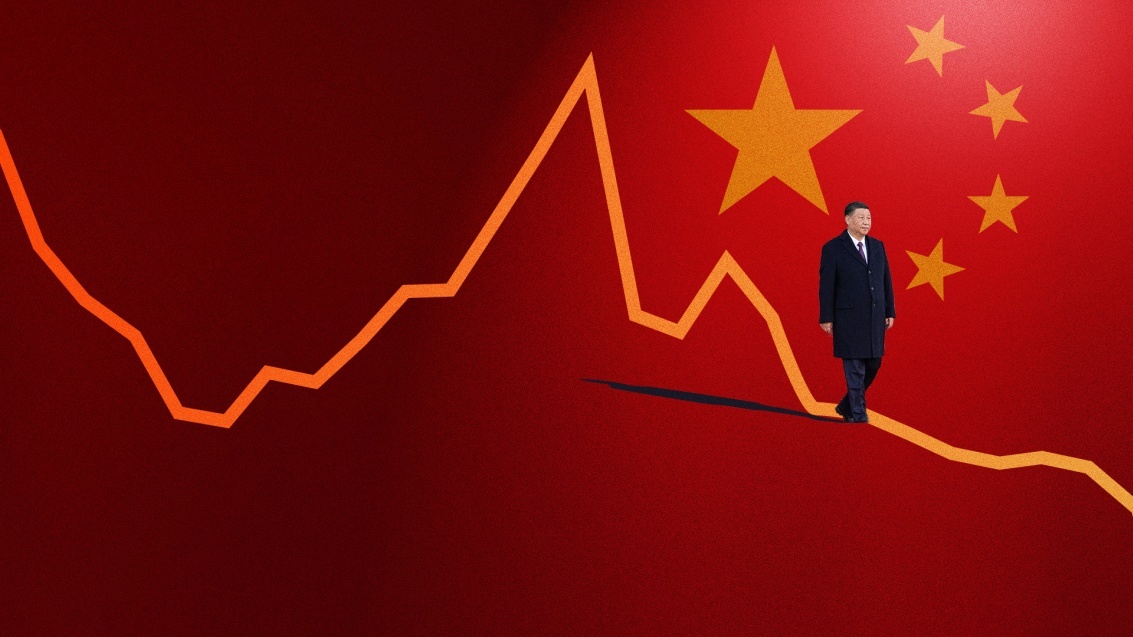
Perhaps the most shocking aspect of this economic winter is the collapse of the labor market. For thirty years, China saw a steady rise in the standard of living. That progress is now being erased in real-time.
As factories close, the surplus of labor has driven wages down to levels not seen since the mid-1990s. In many sectors, workers are being offered “subsistence wages” just to keep their dormitory housing.
The Reality of the Labor Market
- 30-Year Lows: Adjusted for inflation, take-home pay for many factory hands has reverted to 1996 levels.
- The “Gig” Trap: Skilled engineers and veteran technicians are now competing for food delivery jobs that pay pennies.
- Migration Reversal: Millions of migrant workers are returning to rural villages, unable to afford the cost of living in the industrial cities.
Small Businesses Face the Brink
It isn’t just the giant corporations suffering. The “ecosystem” of the Delta—the small family-run shops that provide parts, packaging, and logistics—is dissolving.
These small and medium-sized enterprises (SMEs) lack the cash reserves to weather a long-term conflict. Without government bailouts or a sudden end to the war in Iran, thousands of these businesses are filing for bankruptcy every week. The loss of these “hidden champions” means that even if the war ends tomorrow, the infrastructure to restart the economy may no longer exist.
Global Consequences of a Chilled China
The world is beginning to feel the “China Chill.” As these factories shut down, the global supply of consumer goods is tightening.
- Inflation Abroad: As Chinese production drops, prices for electronics, apparel, and household goods in the West are expected to climb.
- Shipping Turmoil: Major ports like Hong Kong and Guangzhou are seeing record-low container volumes, signaling a broader freeze in global trade.
Looking Ahead: Is Recovery Possible?
Economists warn that the damage to the Pearl River Delta may be structural rather than temporary. The longer the Iran conflict persists, the more likely it is that global brands will move their supply chains to more stable regions.
For the people of the Delta, the “Machine Noises” they grew up with are now a fond memory. The focus has shifted from growth to survival. Until the fires of war in the Middle East are extinguished, the industrial heart of China remains in a state of clinical depression.
The world’s factory has stopped taking orders, and the silence is deafening.
Related News:
Iran Rejects China’s Mediation Offer in Ongoing War with US and Israel