

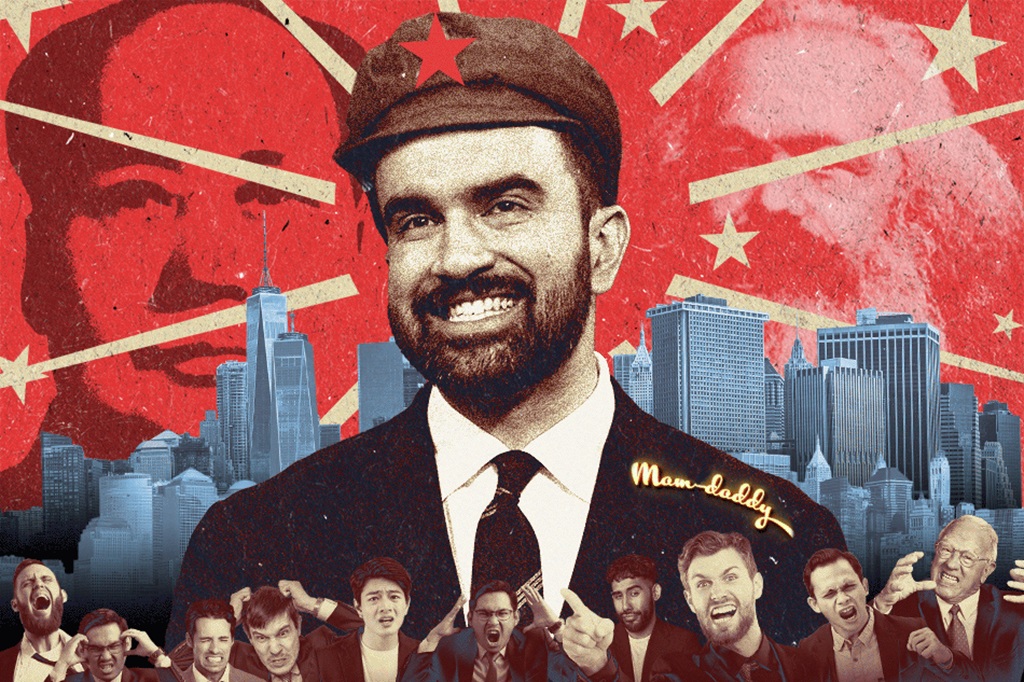


New York City has always been the undisputed financial capital of the world. For over a century, the ringing of the bell at the New York Stock Exchange signaled the heartbeat of global capitalism. Today, however, that heartbeat is moving south. What began as a slow trickle of financial firms leaving Manhattan during the pandemic has accelerated into a full-blown stampede.
Trillions of dollars in assets under management are quietly shifting to cities like Miami, Dallas, and West Palm Beach. While the initial exodus was blamed on remote work and high costs of living, a new catalyst has emerged: the rapid rise of progressive, socialist-leaning politics in New York.
Critics and business leaders are pointing directly at figures like Assemblyman Zohran Mamdani, a prominent Democratic socialist running for mayor, and the growing influence of his political allies. Detractors have loudly dubbed this political wave “New York Communism,” warning that hostile tax policies and anti-business rhetoric are driving away the very engines that fund the city.
The Numbers Behind the New York Stampede
The flight of capital is not just anecdotal; it is measurable, and the numbers are staggering. Wall Street is physically relocating its talent and its tax base. According to data from the New York State Comptroller, the securities industry traditionally accounts for more than a fifth of the state’s entire tax revenue. When these firms leave, they take billions of dollars in tax contributions with them.
Several high-profile moves have highlighted this trend in recent years:
- Citadel: The massive hedge fund founded by Ken Griffin famously relocated its global headquarters from Chicago and its heavy operations in New York to Miami, citing crime and taxes.
- AllianceBernstein: This global asset management firm shifted its headquarters and over 1,000 jobs from Manhattan to Nashville, Tennessee, aiming to cut costs and improve employee quality of life.
- Elliott Management: Paul Singer’s massive hedge fund moved its headquarters to West Palm Beach, Florida, drawing a clear line away from New York’s tax environment.
- Icahn Enterprises: Billionaire Carl Icahn moved his firm to Florida, joining the growing “Wall Street South” movement.
Consequently, this is no longer a temporary pandemic-era shift. Furthermore, these firms are signing long-term leases and building massive new corporate campuses in the Sun Belt. They are putting down permanent roots far away from the Empire State.
The “Mamdani Effect” and the Progressive Push
To understand why the exodus has turned into a stampede, one must look at the changing political landscape of New York. Zohran Mamdani, backed by the Democratic Socialists of America (DSA), represents a growing faction in New York politics that views Wall Street not as an asset to be protected, but as a piggy bank to be broken open.
Mamdani’s mayoral platform is built on aggressive wealth redistribution. His proposals include freezing rent for millions of tenants, eliminating fares for the Metropolitan Transportation Authority (MTA), and funding vast new public housing projects.
How does he plan to pay for this? The answer is simple: by heavily taxing the wealthy, increasing corporate taxes, and aggressively targeting Wall Street profits.
For progressive advocates, these policies are necessary to solve the city’s crippling affordability crisis and close a widening wealth gap. They argue that New York’s working class has been squeezed for too long while billionaires amass record profits.
However, for business leaders, these policies represent a hostile takeover. Financial executives have privately and publicly expressed fear over what they call “New York Communism”—a political climate where private enterprise is villainized, and success is heavily penalized. Investors argue that capital goes where it is welcome and stays where it is well-treated. Right now, Wall Street feels decidedly unwelcome in New York.
Why the Sun Belt is Winning
As New York contemplates higher taxes and stricter regulations, states like Florida and Texas are rolling out the red carpet. The contrast is stark, and the appeal for financial firms is multifaceted.
First and foremost is the tax structure. Both Florida and Texas boast zero state income tax. For a hedge fund manager pulling in millions of dollars a year, relocating to Miami equals an instant, massive pay raise. Additionally, these states offer lower corporate taxes and fewer regulatory hurdles, making it easier and cheaper to operate a business.
Secondly, the quality of life factor plays a major role. Financial executives cite lower crime rates, cleaner streets, and a generally pro-business civic leadership in cities like Miami and Dallas. Local mayors in the Sun Belt actively court Wall Street executives, taking them to dinner and offering tax incentives. In contrast, New York politicians are increasingly using these same executives as political punching bags.
The Devastating Impact on Everyday New Yorkers
The irony of the political push to “tax the rich” is that driving the rich away may end up hurting everyday New Yorkers the most.
Wall Street is the financial anchor of New York. The taxes paid by financial institutions and their highly compensated employees fund the city’s public schools, the police department, sanitation services, and the very social safety nets that progressive politicians want to expand.
If the top 1% of earners—who pay a disproportionately massive share of the city’s income taxes—continue to flee, New York will face an unprecedented budget crisis.
We are already seeing the warning signs. Commercial real estate in Manhattan is struggling. Office vacancy rates remain stubbornly high, which in turn hurts the small businesses that rely on office workers—the local coffee shops, the dry cleaners, and the deli owners. Bloomberg frequently reports on the plunging valuations of older Manhattan office buildings, a direct result of firms downsizing or leaving the city entirely.
Furthermore, if tax revenues plummet, the city will be forced to make a painful choice: either cut essential public services or raise taxes even higher on the middle class to make up the difference. Neither option bodes well for the future of the city.
Can New York Pivot Before It’s Too Late?
The situation is critical, but it is not completely irreversible. New York still possesses undeniable advantages. It has a concentration of cultural institutions, world-class restaurants, and deep pools of diverse talent that are hard to replicate anywhere else. Wall Street may be building outposts in Florida, but the prestige of a Manhattan address still holds weight.
However, prestige cannot pay the bills forever. For New York to stop the bleeding, it needs to address the concerns of the business community. This means finding a balance between funding essential social services and maintaining a competitive economic environment.
If political leaders continue to lean into hostile, anti-capitalist rhetoric, the current stampede will only accelerate. Capital is highly mobile. It does not have loyalty to a zip code; it has loyalty to growth, stability, and sensible regulation.
Ultimately, the clash between Wall Street and New York’s rising progressive wing will define the next decade of the city’s history. If “Mamdani’s New York” becomes a reality, the financial capital of the world may permanently lose its crown.