



WASHINGTON D.C. – US Treasury Secretary Scott Bessent says revenue from tariffs should stay about the same in 2026, even after a major Supreme Court ruling knocked out a central part of Trump’s tariffs built on emergency powers.
Instead of relying on IEEPA tariffs, the White House says it will route new duties through other laws, including Section 122 authority, Section 232 tariffs, and Section 301 tariffs. At the same time, the decision raises fresh questions about tariff refunds and the direction of US trade policy in 2026.
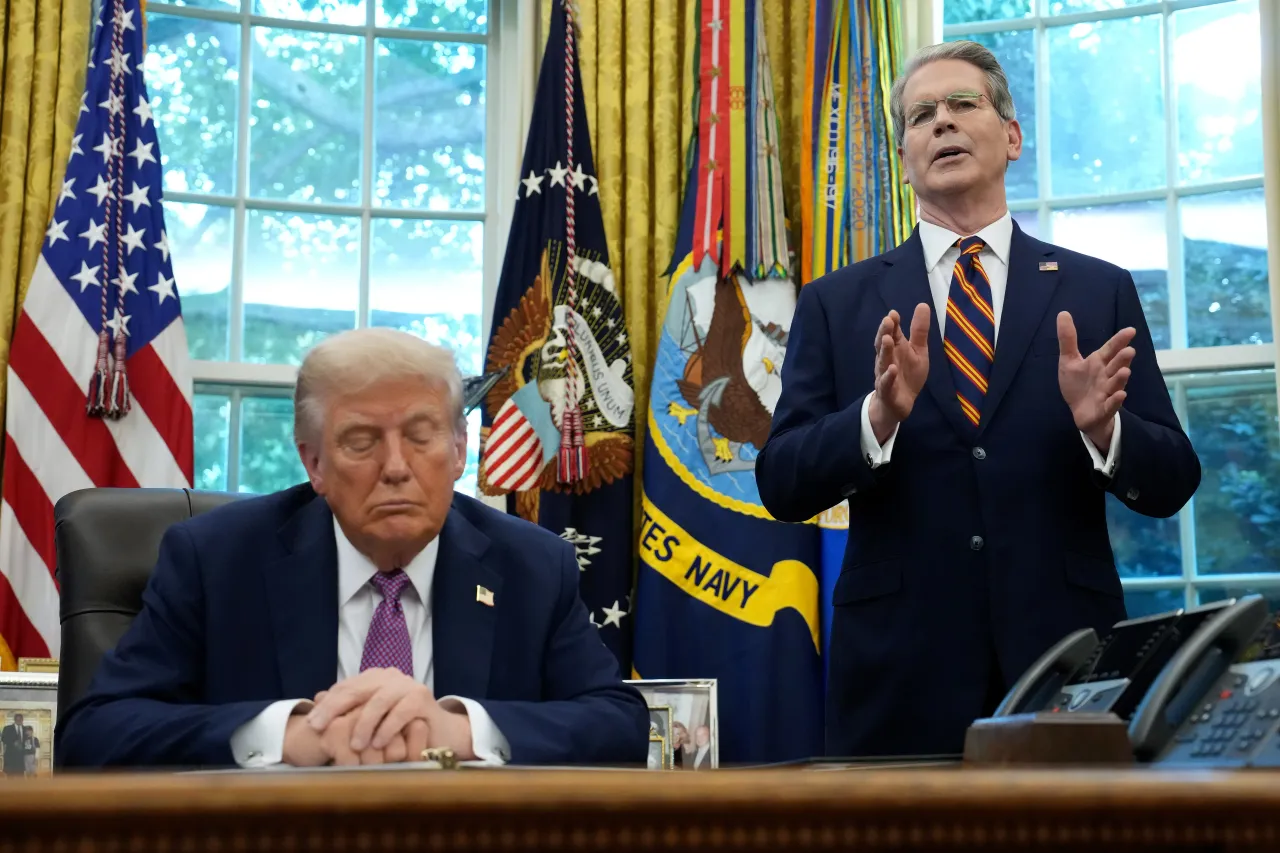
On Friday, the Supreme Court struck down key parts of President Donald Trump’s emergency-based tariff program. Bessent said that tariff collections next year will be “virtually unchanged.” He argued the ruling blocks one legal tool, not the policy goal, and said the administration already has other ways to keep duties in place.
The Court ruled 6-3 on February 20, 2026. Chief Justice John G. Roberts Jr. wrote the majority opinion. The decision said the International Emergency Economic Powers Act (IEEPA) does not give the president power to impose broad, revenue-raising tariffs during a national emergency.
Still, in remarks at the Economic Club of Dallas, Bessent played down the practical hit. “The Court did not rule against President Trump’s tariffs,” he said in prepared comments. “Six Justices simply ruled that IEEPA authorities cannot be used to raise even one dollar of revenue.”
From the administration’s view, the fix is straightforward. It plans to move the tariff program onto other trade statutes that have long been used for duties.
What the Supreme Court Ruled On
The case focused on tariffs launched in 2025 under IEEPA, including:
- 25% duties on many imports from Canada and Mexico, tied to drug trafficking concerns
- 10% or higher tariffs on Chinese goods
- At least a 10% baseline tariff across imports from dozens of countries, aimed at trade deficits
The Court said IEEPA, passed in 1977, was built for sanctions and emergency actions tied to foreign threats, not for broad tariffs designed to raise revenue. The justices sent the case back to the Court of International Trade to sort out next steps, including how the ruling should be applied and what remedies may follow.
Supporters of the decision called it a firm limit on executive power. The White House, on the other hand, described it as a narrow legal setback.
Bessent Says 2026 Tariffs Revenue Won’t Drop
Bessent said Treasury projections show little change in total tariff revenue next year. To fill the gap left by IEEPA tariffs, the administration plans to use other authorities, including:
- Section 122 of the Trade Act of 1974, which allows temporary tariffs up to 15% for 150 days in certain trade-imbalance situations
- Expanded use of Section 232 tariffs, based on national security findings
- Broader use of Section 301 tariffs, tied to unfair trade practices
Bessent described this approach as less direct and more complicated than the emergency route. Even so, he said it should keep collections steady.
“Treasury’s estimates show that the use of Section 122 authority, combined with potentially enhanced Section 232 and Section 301 tariffs will result in virtually unchanged tariff revenue in 2026,” Bessent said.
He also argued that earlier tariffs create a base level of collections, and that new actions will cover any shortfall from the ruling.
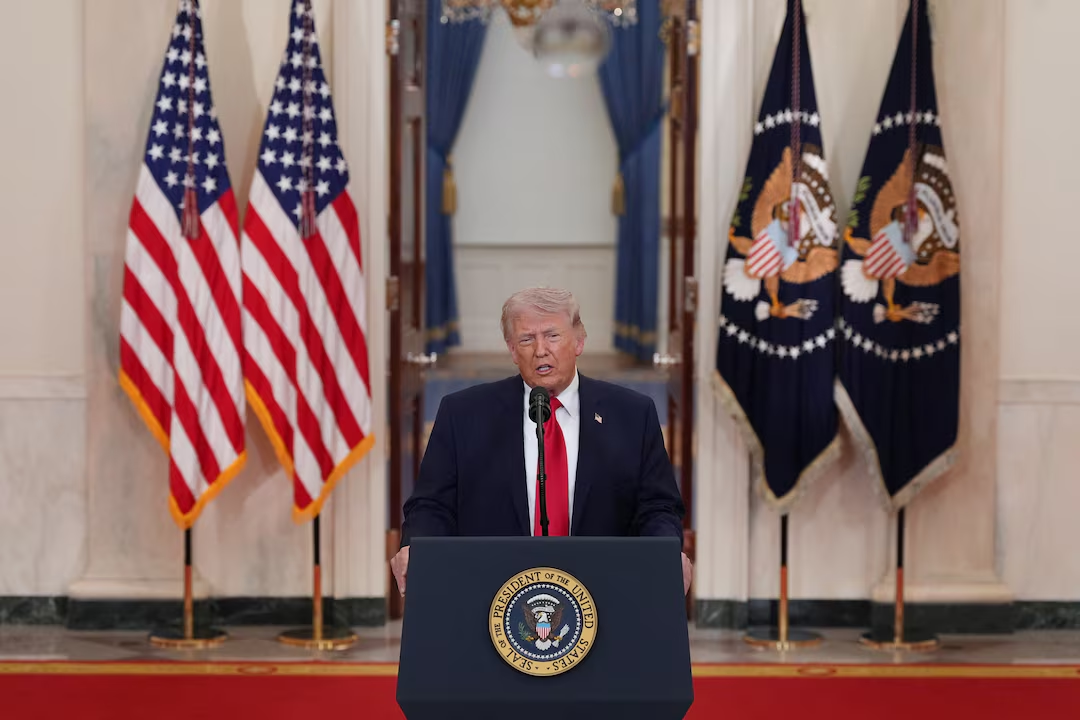
President Trump echoed that message soon after the decision. He announced a new 10% global tariff and criticized the justices who dissented.
Tariff Refunds Could Reach Into the Billions
Even if future revenue holds, past tariff collections may be at risk. Economists at the Penn-Wharton Budget Model estimated more than $175 billion in tariff payments could be eligible for refunds. Bessent put the number closer to $130 billion.
He criticized large-scale refunds as “ultimate corporate welfare.” In his view, many importers already passed higher costs on to consumers. If refunds go back to importers, he said, buyers may not see that money returned.
Bessent also warned that the timeline could be long. He said the process will likely involve lawsuits and could take “weeks, months, or more, maybe even years.”
Treasury, however, says it can manage the cash impact. Officials expect cash balances in the $850 billion to $900 billion range in the coming quarters, which they say would help cover any obligations without immediate strain.
What This Means for US Trade Policy in 2026
The decision and the administration’s response,puputeveral pressures back into focus for US trade policy 2026.
- Business impact: Some importers may get short-term relief from the invalidated IEEPA tariffs. Still, new tariffs under other laws could keep costs high.
- Global trade tensions: Trading partners may challenge replacement tariffs, which could escalate disputes.
- Congress and tariff power: The ruling reinforces that Congress controls broad tariff authority. As a result, lawmakers may face more calls to tighten or clarify trade statutes.
- Political fallout: Democrats said the workaround sidesteps the Court’s message. Supporters said the administration is sticking with its trade plan.
Bessent also pushed back on the idea that the ruling weakens US negotiating power. He argued the government still has tougher options available, including broader restrictions such as embargoes, if it chooses to act.
What to Watch Next
As the White House shifts away from IEEPA tariffs, several items will shape the next phase:
- How fast new tariffs roll out under Sections 122, 232, and 301
- How markets react to renewed trade pressure
- Whether new lawsuits target the administration’s next legal strategy
- How the courts handle refund claims, if refunds move forward
For now, Bessent’s message stays consistent. Despite the Supreme Court setback, he says tariff revenue will remain largely intact in 2026, and the administration will keep pushing its “America First” trade approach. The next few months will show whether the replacement plan holds up or sparks another round of legal and economic fights.