

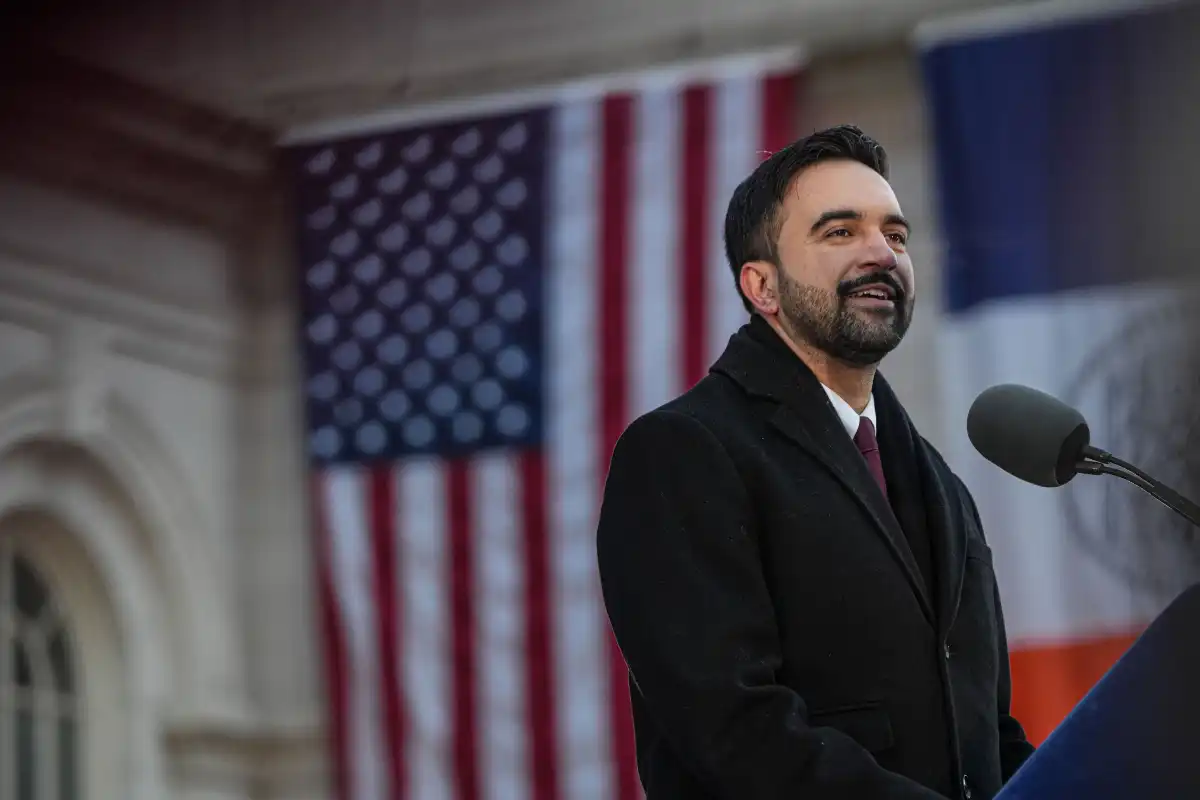


NEW YORK– Only weeks into his term as New York City’s 112th mayor, Zohran Mamdani has opened a major standoff with Albany over how to plug a multibillion-dollar budget hole. He says the state must approve higher taxes on the wealthiest residents and large corporations. If Albany won’t act, he says New York City will have to make unpopular moves such as a steep property tax increase, possible rent freezes, and major cuts to city services.
Mamdani laid out the warning in his preliminary Fiscal Year 2027 budget this week. Since then, fiscal analysts, real estate voices, and some moderate Democrats have pushed back hard. They call his approach risky, divisive, and driven more by politics than practicality.
Mamdani’s message to Albany
At a public City Hall briefing, Mamdani said the city faces a $5.4 billion shortfall left from the prior administration. He called it a serious fiscal crunch and said the city has two paths.
- Path One (his choice): Albany raises income taxes on top earners, including about a 2 percentage point hike for the richest New Yorkers, and increases corporate taxes. He also argues the city sends more money to the state than it gets back in aid, which he calls a long-term imbalance.
- Path Two (his fallback): If the state refuses, the city would raise property taxes by 9.5%, use reserves, and consider rent freezes or other cost-cutting steps to close the gap.
“The first path is the most sustainable and fairest, raising taxes on the wealthiest and corporations,” Mamdani said. “If we don’t take that path, the City will be forced into a second, more harmful one, raising property taxes and putting this crisis on the backs of working- and middle-class New Yorkers.”
He stressed that a property tax hike would touch more than three million residential units, including single-family homes, co-ops, and condos. It would also hit over 100,000 commercial buildings. Analysts say that could mean hundreds of dollars more per year for many homeowners. After that, renters could feel it too, because some landlords pass higher tax bills along in rent.
Beyond taxes, Mamdani also wants broader changes. He says Albany should stop what he calls a drain of city dollars to the state. He also says the city must protect affordability tools, including rent stabilization.
Critics call it a false choice
The mayor’s either-or framing has sparked fast backlash. Watchdogs and real estate groups say it ignores spending reforms and boxes Albany into a political corner. They also warn that New York’s tax burden is already high, so more increases could push people and jobs out.
- Economic concerns: Real estate professionals say a 9.5% property tax increase could raise rents across the market, worsen affordability, and encourage more residents to move to lower-tax states such as Florida and Texas.
- Ideology complaints: Opponents say Mamdani is turning a budget gap into a class fight, instead of focusing on basic budgeting. They also point out that New York already ranks near the top nationally for combined taxes.
- Political blowback: Gov. Kathy Hochul, with her own election pressures, has shown little interest in raising taxes on high earners and corporations. She has also brushed off the property tax warning as unnecessary. Meanwhile, some City Council members and Queens homeowners have voiced anger, saying Mamdani campaigned on affordability but is now threatening higher housing costs.
- Other approaches: Some budget analysts say the city’s main problem is spending. In their view, cost controls and targeted cuts should come before any new taxes.
One analyst summed it up this way, calling the stance “a threat to soak the middle class if he can’t tax the rich,” reflecting worries that homeowners and renters will pay either way.
The mayor’s background and the politics behind the push
Mamdani’s hard line fits the movement that powered his rise. Born in Uganda and raised in New York, he previously served as a state assemblymember from Astoria. In June 2025, he won a crowded Democratic primary that included former Gov. Andrew Cuomo. He followed that with a general election win in November and took office on January 1, 2026, as the city’s youngest mayor in more than a century.
Since then, he has focused on visibility and access. He has appeared in viral clips on subways and buses, and he has even officiated weddings while promoting city services. Still, this budget fight is his first major test, because it puts his working-class agenda head-to-head with Albany’s more centrist leadership.
What happens next
Now, talks with Hochul and state lawmakers move to the center of city politics. The next few weeks will show whether Mamdani can win state tax increases or whether he shifts to city actions that raise costs and cut services. The City Council will also have to sign off on any final budget, so debates over taxes, services, and affordability are about to heat up.
For now, Mamdani is holding his line. Without action from Albany, he says New Yorkers should brace for choices that could shape the city’s finances and daily life for years.