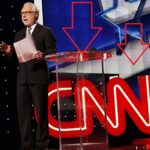




WASHINGTON, D.C – CNN chief data analyst Harry Enten laid out polling this week that challenges Senate Minority Leader Chuck Schumer’s claim that strict voter ID rules amount to modern “Jim Crow” policy.
The discussion aired as Congress argues over the Safeguard American Voter Eligibility (SAVE) Act. Enten’s numbers point to broad public support for photo ID at the polls, and that support holds across race, ethnicity, and party.
The SAVE Act has cleared the House and now sits at the center of Senate talks. The bill would require proof of U.S. citizenship when registering to vote in federal elections. It would also strengthen photo ID requirements in many places.
Republicans say the bill is about election integrity and stopping non-citizen voting. Schumer and other Democrats say it would block eligible voters, hitting minority communities and low-income voters hardest, especially people who may not have easy access to ID documents.
Schumer’s “Jim Crow” Warning
Speaking on the Senate floor, Schumer said he would oppose any package that includes the SAVE Act. He called it “Jim Crow type laws” pushed nationwide and described it as a “poison pill” that could blow up bipartisan deals. He framed Democratic resistance as a stand against voter suppression.
Enten’s Take: The Public Is Mostly On Board
Enten pointed to recent Pew Research Center polling that CNN has used in its coverage. The top-line number was clear: 83% of Americans support requiring a photo ID to vote. He noted that support has stayed high for years, sitting around the mid-70s since 2018 and rising to the current level.
Party Numbers Show Rare Agreement
Enten also broke down support by party, and it wasn’t the sharp split many expected on election policy.
- 95% of Republicans support photo ID requirements.
- 71% of Democrats support them.
Talking with anchor John Berman, Enten said this kind of overlap is unusual on a political issue that gets so much attention. His point was simple: the gap exists, but the common ground is bigger than many assume.
Support Holds Across Racial and Ethnic Groups
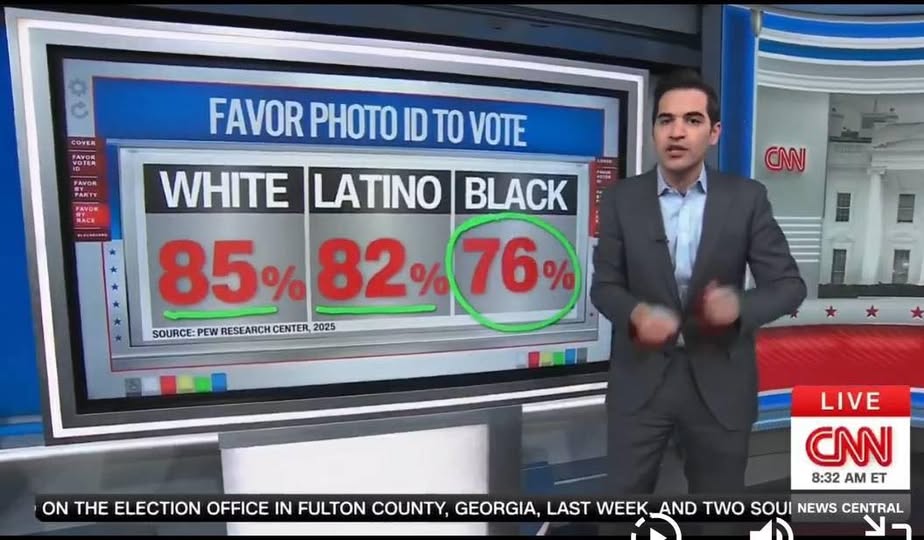
Enten also highlighted the racial and ethnic breakdown from Pew. These figures cut against the claim that voter ID is broadly seen as unfair in communities of color.
- 85% of White Americans support photo ID requirements.
- 82% of Latino Americans support them.
- 76% of Black Americans support them.
Enten described photo ID as a low-drama issue for most Americans. He said it isn’t a major point of conflict by party or race, based on what the polling shows.
A Pop Culture Moment That Helped the Segment Travel
The segment picked up extra attention after a reference to rapper Nicki Minaj, who has voiced support for voter ID on social media. Enten joked that the public is “with Nicki Minaj,” which helped the clip spread beyond the usual political crowd.
A Tough Spot for Democrats on Messaging
For Schumer and other Democratic leaders, the numbers create a messaging problem. Democrats often argue that opposing voter ID laws protects voters who face higher hurdles.
But when majorities of Black, Latino, and Democratic voters say they support photo ID, that framing gets harder to sell. Enten’s segment stood out because it used straightforward polling to challenge a familiar party argument, and it happened on a network many viewers see as friendly to progressive viewpoints.
Where the Fight Goes Next
The SAVE Act debate is happening while election integrity remains high on many voters’ lists, shaped by disputes from recent cycles and renewed attention under the current administration. The bill includes more than photo ID, especially the proof-of-citizenship requirement, but Enten’s polling breakdown suggests verification policies still have strong backing, including from many Democrats.
Enten’s analysis is a reminder for both parties that public opinion does not always match the loudest talking points in Washington. Schumer has drawn a hard line, and Senate procedure gives him ways to slow or block action.
Still, the data Enten highlighted adds pressure to explain why a policy with wide voter ID support is being described in the starkest terms.
As Congress moves through funding deadlines and broader policy fights, the voter ID debate shows something that gets overlooked: on some election rules, voters are more aligned than the politicians who speak for them.
The polling doesn’t decide the SAVE Act’s future, but it does narrow the gap between claims and what many Americans say they want.