Politics
Carney Holds Up Shenzhen as a Model for Canada
Carney told APEC business leaders in Shenzhen that Canada can learn from the city’s growth. Critics and the U.S. are watching Ottawa’s China deals.

Prime Minister Mark Carney held up Shenzhen as a model for Canada’s economy on Wednesday, telling business leaders at the APEC CEO Summit that the Chinese city grew from a border town into a megacity of nearly 18 million people in under 50 years. In his speech, published by the prime minister’s office, he credited lower taxes, faster approvals and simpler trade rules.
The speech came a day after Carney met Chinese President Xi Jinping, and it landed while Ottawa’s push to widen trade with Beijing is under scrutiny at home and in Washington. His China agreements have already angered some Trump allies, including trade adviser Peter Navarro, the Canadian Press reported.
Key Takeaways
- Carney told APEC business leaders that Shenzhen rose on openness, innovation and cooperation, and said Canada wants faster approvals.
- He called for “more options” beyond too few currencies and payment channels, pointing to a renewed central bank currency swap with China.
- Critics, including Navarro, object to Ottawa’s China deals while Canada’s trade deal with the United States remains unfinished.
What Carney said in Shenzhen
Carney described Shenzhen’s rise as the result of “a series of choices.” He named three: openness, innovation and cooperation. On openness, he said the city won investment with lower taxes, faster approvals and simpler rules for trade. On innovation, he said it moved at “Shenzhen speed,” shifting from assembling goods for global brands to making electric vehicles, batteries and robots.
He then pitched Canada’s own version. His government’s approach to major projects, he said, is “One project. One review. One year.” He said 28 nation-building projects have been referred to the Major Projects Office, representing $500 billion in private investment opportunities. Those are his figures, not independently verified.
Energy got equal billing. He said LNG Canada has shipped more than 11 million tonnes since June 2025 and that Canada plans a pipeline, Pacific Link, to add one million barrels a day to Asian markets.
Currencies, trade and the questions he took
Carney said businesses depend on too few currencies and payment channels and need more options. He said Canada has renewed its central bank currency swap with China, is issuing debt in each other’s currencies, and has set up a financial working group.
Asked by reporters about human rights and foreign interference, he said Canada raises those issues, including with Xi, but prefers open, frank talks to a running public commentary, Global News reported. On trade, the Canadian Press said the visit began with an announcement that Canada would drop some restrictions on Chinese steel and aluminum imports in exchange for more market access for Canadian pork and other farm goods. The prime minister’s office said the November package restored access for more than 90 per cent of trade that had faced tariffs.
Where “Shenzhen speed” comes from
The phrase has a narrower origin than Carney’s use of it. It began in the early years of China’s reform era to describe the fast construction of Shenzhen’s Guomao Building, about three days per storey, according to Wikipedia. It later came to describe the city’s growth as one of China’s first special economic zones, backed by paramount leader Deng Xiaoping’s tours in 1984 and 1992. Carney used it for industrial upgrading, a broader meaning.
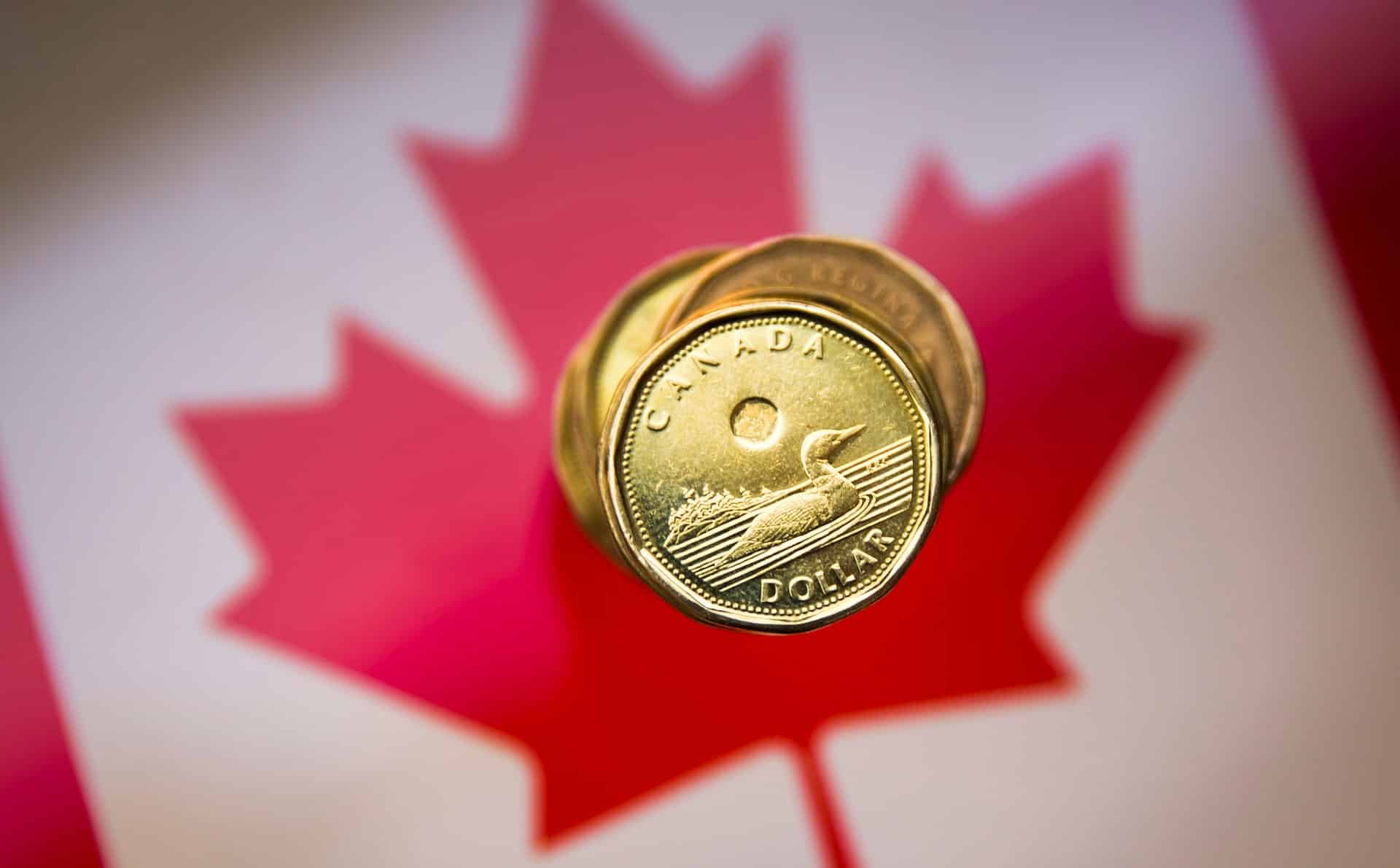
The trip also played out as the Canadian dollar sat near a 19-month low. Reuters reported the loonie hit its weakest intraday level since April 2025 on Nov. 12, at 1.4331 per U.S. dollar. Reuters pointed to expectations of U.S. interest-rate hikes and a third straight monthly job loss in Canada, not to the China trip.
What to watch
Carney also met U.S. President Donald Trump on the summit sidelines and said afterward that a deal with Washington is possible but not there yet, the Canadian Press reported. Watch whether Washington answers Canada’s China agreements with new trade penalties, and whether Beijing’s tariff relief on Canadian canola, lobster and pork holds.
Trending News:

Canada Loonie Sits Near 19-Month Low as Macklem Plans Exit

Carney Holds Up Shenzhen as a Model for Canada

Poilievre, Liberals Clash Over $560M Brazil Forest Pledge

Carney Floats Chinese Automakers if US Trade Talks Fail

Canada’s $82,000 Per Household Debt Crisis Sparks Outcry

The Fallout of the Omar Raid: Guilty Until Proven Innocent?

DOJ Guidelines on Political Investigations: Rules Explained

RCMP Raids Lion Electric Amid $500M Taxpayer Fraud Probe

Carney’s US Trade War a Failure: Cost Shoppers $100M Weekly

Food Bank Lines Surge in Canada While Carney Pushes Foreign Aid

Fedeal Investigators Obtain Ilhan Omar’s DNA

Has Mass Immigration Has Destroyed Canadian Society

Bruce Pardy Says The Canada You Remember Is Now Gone

Carney’s Rosy Economy Narrative Clashes With Hard Reality

David Eby Campaign Stumbles Amid Mailer Scandal

EU Parliament Erupts Over Canada’s Associate Member Bid
The Fallout of the Omar Raid: Guilty Until Proven Innocent?
Food Bank Lines Surge in Canada While Carney Pushes Foreign Aid
Carney’s US Trade War a Failure: Cost Shoppers $100M Weekly

Alberta Referendum Results Shift as Vote Tally Continues


-

 News10 months ago
China-Based Billionaire Singham Allegedly Funding America’s Radical Left
-
Politics9 months ago
Ilhan Omar’s Connections to Convicted Somali Fraudsters Surface
-
Politics10 months ago
CNN Delivers Stark Reality Check to Democrats Over Voter ID
-
Politics8 months ago
Rep. Ilhan Omar Faces Heat as Minnesota Voters Seek Change
-
Politics9 months ago
Trump Approval Rating (February 2026 Poll Results, Approve vs Disapprove)
-
United States10 months ago
China Backed US Billionaire Singham Allegedly Funding of Anti-ICE Protests
-
Politics8 months ago
NATO Chief Says 22 Nations Working With US to Keep the Strait of Hormuz Open
-
Politics9 months ago
Calls Mount to Expel Rep. Ilhan Omar from Congress