


WASHINGTON, D.C. – After President Donald Trump’s State of the Union speech on February 24, 2026, some Republican lawmakers and conservative voices have renewed calls to expel Rep. Ilhan Omar (D-Minn.) from Congress.
The push follows Ilhan Omar’s loud interruptions during the address, which critics say crossed a line and disrespected the chamber. Omar and her supporters, however, say the outbursts were a form of protest against policies they believe cause real harm.
The night’s clash has reopened a familiar fight in Washington: how far can protest go inside Congress before it becomes misconduct? At the same time, it has added fresh fuel to an already tense and divided House.
What Happened During the State of the Union?
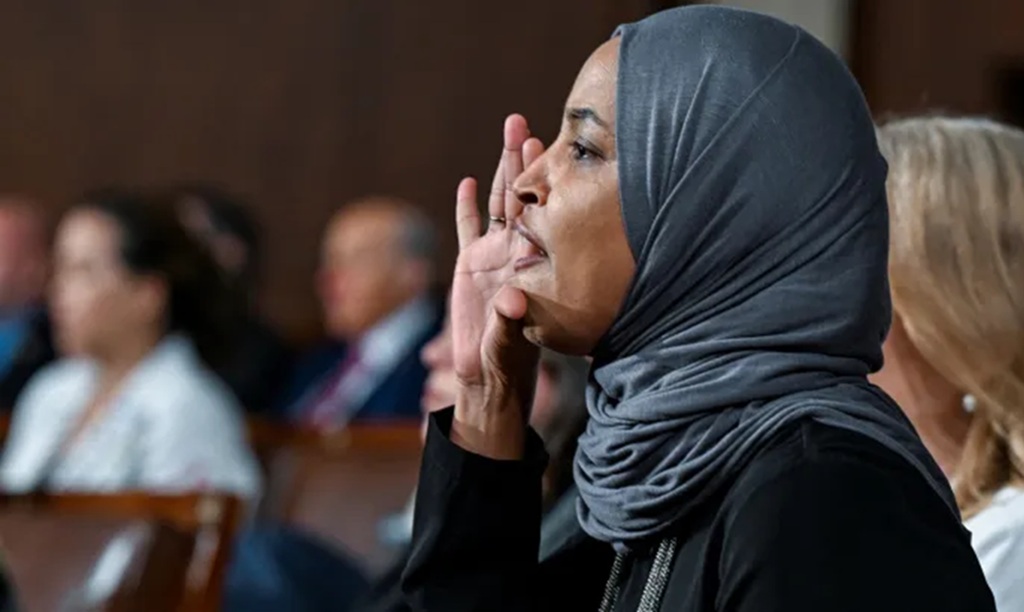
Trump’s speech to a joint session of Congress included sharp moments, especially when he turned to immigration and border security. During key parts of the address, Omar and Rep. Rashida Tlaib (D-Mich.) shouted objections from the floor. Eyewitnesses and video clips show Omar yelling words such as “liar” and “murderer” as Trump discussed immigration enforcement and referenced incidents involving Somali-American communities in Minnesota.
- When Omar interrupted, the loudest moments came as Trump spoke about alleged fraud tied to Somali immigrants and about deaths involving federal agents. Later, Omar said she spoke up to point out what she views as the administration’s role in the deaths of two constituents.
- Omar’s guest was removed and arrested: The situation escalated when Omar’s guest, Aliya Rahman, was arrested by U.S. Capitol Police after standing during the address. Police cited “unlawful conduct” and disruption, and they said guests are told that demonstrations are not allowed. Reports also say Rahman is autistic and has shoulder injuries, and that officers warned her before removing her.
- Trump answered in the moment: Trump paused and criticized the heckling, calling Democrats “crazy.” He also aimed a direct remark at Omar, telling her, “You should be ashamed.”
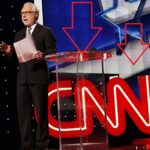
In a post-speech interview on CNN with Wolf Blitzer, Omar said she didn’t regret what happened. “I do not [have regrets], and I think many people look at that moment when the president says, ‘It is our responsibility to protect Americans,’ and he does not acknowledge the fact that two Americans… were killed,” she said. Omar framed her interruptions as a reminder that policy choices can have life-and-death effects.
Backlash Builds, With Fresh Demands for Expulsion
The interruptions drew quick condemnation from Republicans and conservative media. The next day, Trump posted at length on TruthSocial, attacking Omar and Tlaib as “Low IQ” and calling them “crooked and corrupt politicians.” He also suggested they should be sent “back from where they came, as fast as possible,” echoing earlier remarks that have brought him criticism.
Because Omar is a U.S. citizen, deportation is not a legal option. Still, the comments helped drive online talk about other punishments, including censure or even expulsion.
- Republicans call for action: Several House Republicans backed some form of discipline. Rep. Marjorie Taylor Greene (R-Ga.), for example, posted that Omar’s conduct embarrassed Congress and argued for expulsion to restore order.
- Conservative media turns up the volume: Fox News and prominent social media accounts pushed the story. Commentator Trish Regan shared a Facebook post about “new calls” to censure Omar and Tlaib after the State of the Union clash. In the replies, some commenters went further and asked for expulsion.
- Public reaction splits fast: Videos of the incident spread on YouTube and other platforms, drawing angry comments demanding Omar’s removal. Meanwhile, supporters defended her right to object, saying political speech should not be punished simply because it’s uncomfortable.
Expulsion is difficult. It takes a two-thirds vote in the House, and Congress has used it only five times in U.S. history, usually for severe misconduct such as treason or corruption. Critics of the expulsion push say Omar’s behavior may have been disruptive, but it doesn’t meet that standard. They also warn that it could create a new way to silence opponents.
Omar’s Earlier Controversies and Long-Running Claims of Anti-Semitism
Omar has faced removal talk before. Since entering Congress in 2018, she has drawn intense scrutiny, including repeated accusations of anti-Semitism tied to comments about Israel and pro-Israel lobbying. In 2019, her remarks triggered bipartisan criticism and helped lead to a House resolution condemning hate.
- 2019 tweets: Omar’s “all about the Benjamins” phrase and comments about dual loyalties brought claims that she used anti-Semitic stereotypes. She apologized, while also saying she still wanted to criticize Israeli policy.
- 2021 comments: Omar compared the U.S. and Israel to Hamas and the Taliban, which prompted backlash, including criticism from Democratic leaders.
- A debate that never stops: Allies describe Omar as outspoken on progressive causes, including Palestinian rights. Opponents say her statements cross into anti-Semitism. Groups such as the Anti-Defamation League have called for accountability, though past efforts to remove her have not succeeded.
While the State of the Union dispute centered on immigration, it revived these older arguments. Some conservatives claim the outburst fits a larger “anti-American” pattern, and some also repeat the anti-Semitism charge, even though Israel was not the focus of the speech. Omar has repeatedly denied anti-Semitic intent and says her criticism targets policy, not identity.
Democrats Push Back, Warning of Political Payback
Many Democrats have defended Omar and described the expulsion talk as partisan retaliation, especially against minority lawmakers. House Minority Leader Hakeem Jeffries (D-N.Y.) called the rhetoric “divisive and unhelpful” and urged lawmakers to focus on policy fights instead of personal attacks.
- Omar calls for scrutiny of the arrest: In a press release, Omar demanded an investigation into Rahman’s arrest. She described the response as heavy-handed and said it sends a chilling signal about democratic rights.
- Progressives rally around her: Rep. Alexandria Ocasio-Cortez (D-N.Y.) posted support, arguing that pushing back on lies is part of democracy, not disrespect. Groups such as Justice Democrats echoed that message.
- What could come next: Republicans could try censure, which only needs a simple majority. That path looks more realistic than expulsion unless Democrats cross party lines. The episode also reflects a wider breakdown in House decorum, similar to Rep. Joe Wilson’s “You lie!” outburst during a 2009 address.
Political strategists say the fight may fire up both sides before the midterms. Republicans can use it to brand Democrats as extreme, while Democrats can use it to energize voters against what they see as racism and Islamophobia.
Can Congress Actually Expel Omar?
The Constitution gives each chamber power to discipline members under Article I, Section 5. Still, expulsion remains rare, and most rule violations lead to lesser penalties. Legal experts often note that while House rules demand order during major speeches, Congress typically reserves expulsion for the most serious cases.
- Past examples:
- 1861: The House expelled three members for supporting the Confederacy.
- 1980: Rep. Michael Myers was expelled after the Abscam bribery scandal.
- More recent attempts: Efforts to expel Rep. Marjorie Taylor Greene in 2021 over inflammatory statements did not pass.
Free speech adds another layer of conflict. The First Amendment complicates any punishment tied to speech, although it does not give members unlimited freedom inside House proceedings. An ethics review is possible, but Omar’s allies also point to Trump’s own history of inflammatory language and call the outrage selective.
Social Media Erupts as Hashtags Take Over
The argument quickly moved online. #ExpelOmar trended on X (formerly Twitter) and drew millions of impressions as users posted clips, reactions, and calls for discipline. Conservatives praised Trump’s response, while progressives circulated Omar’s interview and defended her actions.
- Common reactions online:
- Pro-expulsion: Posts calling Omar an embarrassment and demanding removal.
- Anti-expulsion: Posts arguing that speaking up against power should not be treated as a crime, often using #StandWithOmar.
- In-between voices: Others urged both parties to cool it, saying civility in Congress keeps getting worse.
Polling after the address shows a wide partisan split. A Rasmussen survey reported that 52% of Republicans support expulsion, while 12% of Democrats agree. Independents landed in the middle, with 35% in favor.
What This Could Mean for Congress Next
As lawmakers review Rahman’s arrest and draft possible resolutions, the fallout could shape how Congress handles both guests and members during major events. Some lawmakers may push tougher enforcement, while others may resist, warning that stricter rules can turn into political weapons.
For Omar, one of the first Muslim women elected to Congress, the episode highlights the pressure minority members often face in high-profile fights. She has weathered past controversies, but continued attacks could still shape her 2026 campaign in Minnesota’s 5th District.
At a time when the country argues over immigration, protest, and political norms, this State of the Union clash shows how fragile trust has become. The coming weeks will likely bring more motions, more headlines, and more hard feelings, with little sign that either side plans to back down.