
Tech
How AI is Changing Political Campaigns in 2026

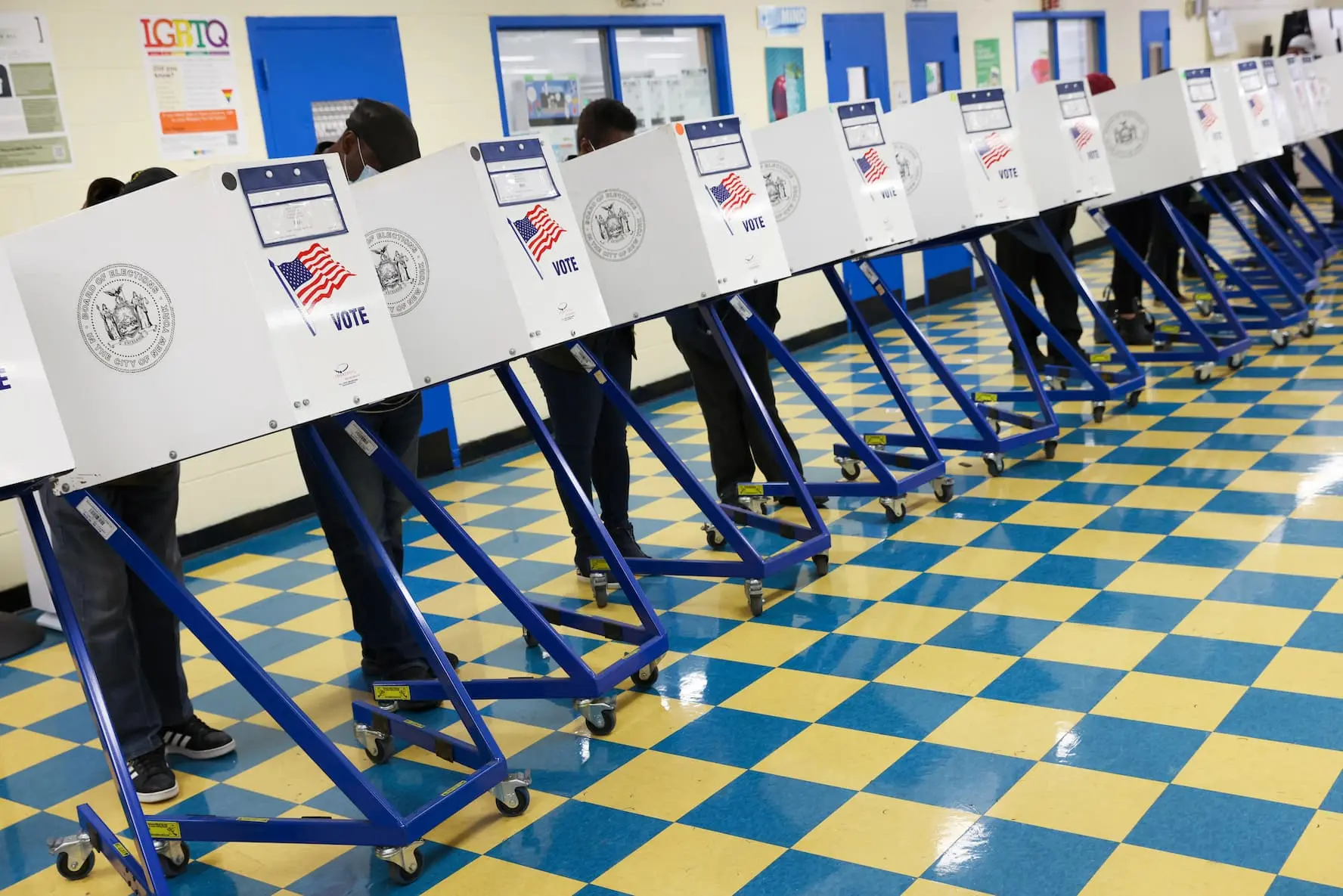
It’s 8:07 a.m. on a Tuesday, and a political campaign is already running a full sprint. A volunteer lead is texting supporters about a weekend canvass. A rapid-response team is clipping a candidate’s town hall into shareable vertical videos. Someone’s posting a meme that answers a fresh attack ad before lunchtime. Meanwhile, a fundraising email is being tested in six versions, and the best one will be sent to hundreds of thousands of inboxes by noon.
That’s the feel of a modern race, and in 2026, AI in campaigns is part of the daily routine. Think of it as software that writes, predicts, edits, and automates. It drafts emails, suggests which voters need a nudge, helps teams make lots of ad versions fast, and flags what’s trending before it turns into a headline.
The upside is speed and reach. The downside is trust. When AI can produce realistic audio, images, and video on demand, it also makes deception easier. Even lawmakers are scrambling to keep up, as described in governments eye rules on AI ads. In 2026, the best question for voters isn’t “Is this political content persuasive?” It’s “Is it even real?”
Where campaigns use AI the most in 2026 (and why it works)
Campaigns aren’t using AI because it’s trendy. They’re using it because it saves time, stretches budgets, and helps teams respond faster than the news cycle. A state house candidate can now do some of what only a presidential campaign could do a few cycles ago: test messages quickly, target voters more precisely, and keep fundraising running even at 2:00 a.m.
Three patterns show up in race after race.
First, content output. Generative tools can turn a policy memo into a punchy email, a set of talking points, and a batch of social captions in minutes. Staff still edit, but they start from a draft instead of a blank page. That means more posts, more variations, and faster response when something breaks.
Second, testing and iteration. Campaigns have always tried different slogans and subject lines, but AI makes it cheaper to produce many options and measure what works. The winner becomes the “control,” and the cycle repeats.
Third, more accessible analytics. AI can summarize voter notes, highlight patterns in feedback, and support decision-making without a dedicated data team for every small campaign. That doesn’t replace experienced strategists, but it can raise the baseline for everyone.
Micro-targeted messages at scale: different voters, different versions of the same pitch
Micro-targeting sounds mysterious, but the basic idea is simple: campaigns build voter “models,” which are educated guesses about what you care about and how likely you are to vote. Those guesses come from public records, commercial data, past turnout, surveys, and digital behavior where legally available.
In 2026, AI makes micro-targeting feel less like a spreadsheet and more like an assembly line. Campaigns can generate hundreds of ad variations that share a core message but swap details to match different groups. A suburban parent might see an education-focused version. A veteran might see a version that leads with benefits and the VA. A younger renter might get a cost-of-living hook and a different visual style.
This is also where rapid A/B testing becomes routine. Teams run small tests, watch what gets clicks or donations, then push the best-performing version. Some firms advertise the ability to generate large batches of creative quickly, and political shops across parties are building workflows around that idea.
Down-ballot races feel the impact most. Instead of paying an agency to build 20 polished ads, a smaller campaign can test 200 rough variations, then spend money only on the winners.
AI is also shaping relational organizing, the old-school idea that voters trust people they know. New tools can help volunteers write more personal outreach texts and emails, suggest follow-ups, and keep notes organized. The message still comes from a real person, but the tool helps that person communicate better and more consistently.
Fundraising that never sleeps: AI-written emails, texts, and donor discovery
If you want to understand why campaigns love automation, look at fundraising. Money comes in waves, and those waves often hit after breaking news, a debate moment, or a viral clip. The fastest campaign can turn attention into donations while the story is still hot.
In 2026, AI helps campaigns do three things at once:
1) Draft and re-draft asks fast.
Tools can produce multiple versions of an email or text based on a few inputs: the news hook, the candidate voice, the goal, and the target audience. Staff still need to approve tone and claims, but AI can generate options quickly.
2) Segment supporters more precisely.
Instead of one giant list, campaigns slice audiences by past giving, likely issue interest, geography, and engagement. AI supports that segmentation and can suggest which groups might respond to which message.
3) Find donors beyond the “usual suspects.”
Some platforms are designed to surface likely donors by connecting data points that humans would miss. That can help campaigns expand their donor base, not just hit the same people with more emails.
The practical result is fewer staff hours, more experiments. One staffer can run a testing program that used to require a whole team. That doesn’t guarantee better politics, but it does change the pace. The fundraising machine can run around the clock, tweaking subject lines, timing, and calls to action while humans sleep.
The new battleground: AI misinformation, deepfakes, and “cheap fakes.”
The scariest part of AI in politics isn’t that campaigns can write better subject lines. It’s that fake media can move faster than verification.
A deepfake is synthetic media that imitates a real person’s face or voice. A “cheap fake” can be simpler, like a misleading edit, a re-captioned clip, or a slowed-down video that changes how someone sounds. Both can be effective because they hit the brain before the fact-check.
What makes 2026 different is volume and speed. A single bad actor can produce dozens of versions of a lie: different captions, different crops, different voice-overs, different platforms. Even if one gets removed, another survives, and screenshots live forever.
Campaigns are responding with monitoring teams and quick rebuttals, but the real problem is time. A false clip can rack up millions of views in hours. A correction can take days, and it rarely travels as far.
How deepfakes can shape a race before the facts catch up
Most viral political fakes follow a few playbooks because they work.
Fake gaffes: a candidate “says” something offensive in a short audio or video clip.
Fake scandal leaks: a “recording” appears to show private comments, often dropped at the worst moment.
Fake endorsements: a celebrity or respected local figure appears to back a candidate, even if they never did.
Altered clips: a real video gets trimmed or re-ordered so the meaning flips.
Even when a clip is proven false, it can still land the punch. People remember the emotional hit, not the correction. That’s why some campaigns now plan for deepfakes the way they plan for weather: not because they want them, but because they assume they’ll show up.
There are also real-world warnings from the last two years. An AI voice robocall that sounded like President Biden targeted New Hampshire voters in 2024, and federal regulators later announced a major penalty against the person tied to it. That case mattered because it showed how cheap it can be to imitate someone’s voice, and how hard it is for regular voters to know what’s real in the moment.
In 2026, the best defense is speed plus proof. Campaigns that can quickly post full videos, original audio, and behind-the-scenes context tend to recover faster than campaigns that argue with screenshots.
Foreign and domestic influence: when AI makes disinformation cheaper to run
AI doesn’t create new motives. It reduces costs.
Influence campaigns used to need large teams to write posts, translate talking points, and manage fake accounts. Now a smaller group can generate endless comments, plausible bios, and targeted messages, tuned to different communities. AI can also rewrite the same narrative in multiple tones: angry, sympathetic, “just asking questions,” or “I’m a lifelong voter but…”
Foreign actors are still a concern. Researchers and platforms have reported attempts by states and aligned groups to use AI tools for influence work, including generating posts and media. At the same time, plenty of viral misinformation is domestic, created by partisans, grifters, or random accounts chasing engagement.
The hard part for voters is that manipulation doesn’t always look like propaganda. It can look like a normal local Facebook post, a “leaked” audio message, or a short clip with a confident caption. AI helps that content scale, and scaling is what turns a rumor into a story people feel forced to respond to.
Rules, ethics, and the trust gap: what is allowed in 2026, and what should change
As of January 2026, the rules around AI in campaigns are uneven. There’s no single standard that covers every race in every state, and the lines between protected speech, satire, and deception are messy. Courts also treat political speech as highly protected, which makes broad bans hard to write and even harder to enforce.
That’s why most meaningful action so far has been at the state level, often focused on disclosure, timing windows near elections, and prohibitions on impersonation. A helpful snapshot of how widespread these efforts have become is in the new 2026 state laws on AI and elections, which report that numerous state laws targeting AI and deepfakes take effect in 2026.
In practice, campaigns and platforms are filling gaps with policies, labels, and internal ethics rules. The problem is consistency. A label on one platform may not appear on another, and a screenshot strips labels instantly.
Trust is now a campaign asset, not just a candidate trait. The teams that treat authenticity as part of their strategy tend to avoid self-inflicted damage.
Disclosure and accountability: Should campaigns have to label AI ads and AI images?
Labels sound like the obvious answer, and for many voters, they help. If an ad uses AI-generated images or synthetic audio, a clear disclosure can reduce confusion and discourage the worst tricks.
Still, labels have limits:
- They can be removed when content is re-posted as a clip or screenshot.
- They don’t explain intent, meaning the label could cover harmless editing or serious deception.
- They’re hard to standardize, since “AI used” could mean anything from color correction to a full synthetic video.
Even with those limits, disclosure is a strong baseline. Ethical campaigns already do some version of it because the alternative is a credibility crisis. If a team gets caught using synthetic media without telling voters, the backlash can last longer than the ad’s impact.
Accountability also matters behind the scenes. Campaigns that use AI for voter outreach and fundraising need tighter controls on approvals, claims, and source material. If an AI draft invents a quote or misstates a statistic, the campaign is still responsible for sending it.
A simple checklist for voters: how to sanity-check political content in the AI era
You don’t need to be a forensic expert. You just need a few habits that slow down the spread of bad information.
- Pause before sharing. If it makes you furious instantly, that’s a red flag.
- Find the source. Who posted it first, and can you trace it back?
- Check the date and context. Old clips get recycled with new captions.
- Watch the full clip. Short edits can flip meaning.
- Look for odd visuals or audio. Strange lip sync, warped hands, robotic pacing, and lighting shifts can signal manipulation.
- Search for independent reporting. If it’s real, more than one credible outlet usually confirms it.
- Verify through official channels. Candidate websites and verified accounts often post full speeches and statements.
- Be extra careful with “breaking scandal” posts. That’s prime territory for fakes.
This isn’t about becoming cynical. It’s about staying steady when content is designed to rush you.
Conclusion
AI is reshaping 2026 political campaigns in two opposite ways at the same time. It helps campaigns communicate, test, and organize faster, which can make outreach more responsive and less expensive. It also makes deception cheaper, faster, and harder to spot, which pushes trust to the center of every race.
Expect more automation, more personalized messaging, and more synthetic media attempts as Election Day gets closer. The real check on all of it is ordinary behavior: slow down, verify, and share carefully. In the AI era, attention is power, and where you give it still matters.
Related News:
Who Is Leading the Democratic Party in 2026?
SAN FRANCISCO – A recent investigation suggests that Google News bias, defined as the systematic favoring of certain ideological perspectives over others through automated curation, is shaping the digital information landscape.
The Media Research Center reports that only 2 percent of top morning stories featured on the platform in February came from right-leaning sources. This finding has sparked significant backlash regarding the prevalence of left-wing bias within the platform’s top stories.
This discrepancy is significant because Google remains one of the most powerful information gatekeepers globally. As these tech giants continue to refine their algorithms, the news feed directly influences the headlines millions of people encounter each morning. When a feed appears consistently one-sided, readers are forced to question whether the issue lies within the algorithm, the underlying source selection, or deeper editorial choices, a debate that has also followed Google’s search ranking decisions.
The provided statistics represent only a portion of the broader narrative. The underlying challenge remains a matter of public trust and the increasingly blurred line between neutral curation and algorithmic bias.
Key Takeaways
- Algorithmic Skew: Recent audits from organizations like the Media Research Center and AllSides indicate that top stories on Google News consistently lean toward left-leaning sources, with one report showing right-leaning outlets accounting for only 2% of morning headline placements.
- The Power of Placement: As a primary information gatekeeper, Google’s curation process exerts significant influence over public perception; the headlines users see first are often interpreted as the most important, creating a feedback loop that shapes political discourse.
- Systemic vs. Intentional Bias: While Google maintains its results are determined by neutral signals like relevance and authority, critics argue that the underlying design choices and ranking metrics inherently favor certain ideological perspectives over others.
- The Risks of AI Curation: The rise of AI-driven news summaries adds a layer of complexity to bias, as these tools can produce content that sounds neutral and objective while omitting critical context or favoring specific, narrow viewpoints.
- Personal Responsibility: Because automated feeds can create filter bubbles, the most effective way to maintain a balanced perspective is to actively compare reporting from diverse sources across the political spectrum rather than relying on a single news aggregator.
What the latest Google News bias reports are saying
The latest reports point in the same direction: Google News still shows a left-leaning mix in its top stories. As one of the most prominent news aggregators on the internet, the platform plays a major role in information consumption, making these claims about bias particularly significant. This assessment comes from both broad tracking and narrower spot checks, which makes the overall picture difficult to ignore.
The numbers behind the claims
The Media Research Center stated that in February, only 2% of the top morning stories featured on Google News originated from right-leaning outlets. That is a remarkably small share for a platform that shapes what millions of readers see first each day. The group also argued that the story mix was not just slightly tilted, but heavily skewed.
AllSides has made a similar case over time. In its 2023 audit, the organization noted that 63% of Google News articles came from left-leaning sources, an increase from 61% the year before. Consequently, the organization officially rated Google News as Lean Left in its media bias chart. You can see that broader rating framework in the AllSides media bias chart.
These figures are trying to measure source balance in top stories, not every piece of content Google shows. That distinction matters. A news feed can have thousands of items across many topics, but critics focus on the stories pushed to the top, where human attention is concentrated.
A simple way to read the data:
| Report | What it looked at | Main takeaway |
|---|---|---|
| MRC February sample | Top morning Google News stories | Only 2% came from right-leaning sources |
| AllSides 2023 audit | Google News over time | 63% of articles came from left-leaning sources |
| AllSides overall rating | Google News as a source mix | Rated Lean Left |
The pattern is clear enough for critics to press the issue, and for defenders to argue that sampling methods matter.
Why sample size matters
A small sample can still reveal a real problem, but it does not tell the whole story. One morning feed can look very different from the next, because topic choices, search terms, location, and even the time of day all shape what appears.
That is why both sides can point to evidence. Critics see a repeated left tilt and say the pattern is baked in. Defenders say a few snapshots do not prove a permanent bias across all Google News content.
The right comparison is not one headline against another; it is the overall mix across a specific time window, topic set, and location. In other words, the feed is not a single fixed list. It changes with context, which makes broad claims harder to prove but impossible to dismiss. For more background on how a search algorithm influences traffic, see Search Algorithm Visibility Impact on right-leaning outlets.
Why Google News feels so powerful to readers
Google News feels powerful because it does more than collect headlines. It puts a story in front of you, sets the order, and repeats that choice across searches, phones, and daily habits. When that happens, the feed starts to feel like the news itself.
That power matters even more in the US, where many people use Google Search and Google News as a shortcut to keep up with current events. If a headline appears first, it gets treated as the headline. If the same view shows up again and again, it starts to feel normal.
How news placement shapes what people believe
Most readers do not compare ten outlets before forming an opinion. They scan the first few results, skim a headline, and move on. That habit gives top placement a lot of weight, because the first stories often feel like the most important ones.
A headline can do a lot of work on its own. Short wording, story order, and repeated exposure all shape what sticks in a reader’s mind. When the algorithm creates filter bubbles by showing the same perspective repeatedly, one point of view can feel more credible simply because it is familiar.
That is why placement matters as much as the article itself. Google News does not need to tell people what to think in plain language. It only needs to decide which stories rise first, and which ones stay buried lower down.
One report from AllSides’ media bias ratings found a strong left-leaning tilt in its article mix, which is why placement debates keep getting louder. A feed that keeps foregrounding similar sources can shape public judgment before readers even open a story.
The first story often becomes the story people remember.
That effect gets stronger when readers return several times a day. A repeated headline can make one version of events feel settled, even when the broader picture is more mixed.
Why big tech bias is more than a media issue
This goes beyond one website favoring certain outlets. Google is a gatekeeper for information, and gatekeepers shape what people see, what they miss, and what feels worth talking about. When millions of readers rely on the same feed, small ranking choices can have a large reach.
That matters for politics, elections, and major breaking news. A shift in visibility can send more attention to one side of a debate and less to another. This imbalance often leaves conservative media struggling for equivalent exposure, which in turn fuels concerns regarding political polarization. Over time, that affects which voices sound mainstream and which ones sound fringe.
Google Search works the same way for many people. A quick search for a candidate, a policy fight, or a breaking event often becomes the first stop for context. If the top results lean in one direction, that frame can color the entire conversation.
Big tech companies also control the pipes that deliver information at scale. The issue is not just who publishes a story, but who gets amplified. In a system this concentrated, a ranking choice is never just a ranking choice. It helps decide which version of reality most readers notice first.
For readers who want to track how algorithm changes affect visibility, Google shadow banning allegations show how fast these disputes spill beyond news feeds and into broader trust issues.
Google News feels powerful because it acts like a filter, a sorter, and a loudspeaker at the same time. That combination gives it a much bigger role than a simple news page, and it explains why bias claims around Google News never stay small for long.
How Google responds when bias accusations come up
Google rarely admits political favoritism when claims of Google News bias arise. Instead, the company maintains that its systems are built to rank useful, relevant, and trustworthy information rather than backing any specific party or viewpoint. In plain terms, Google argues that criticism often stems from a misunderstanding of how its underlying ranking systems function.
This response is critical because the debate concerns more than just intent. It centers on how a massive ranking system feels to the people who use it daily. A feed can appear skewed even when the company insists the underlying process is neutral.
The company’s defense in plain English
Google characterizes its news aggregation as an outcome of algorithmic filtering rather than editorial choice. The company frequently points to the following factors to explain how its platform functions:
- Relevance and Freshness: The system prioritizes content that is timely and aligns with user search intent.
- Source Authority: Google utilizes concepts like PageRank to determine the authority of a domain, which helps filter for high-quality information.
- Engagement Signals: User behavior, such as clicks and reading time, acts as a popularity algorithm that can boost specific stories above others.
- Dynamic Content: Because the web is constantly changing, search results evolve throughout the day, making it difficult to conclude a single snapshot of a news feed.
Google maintains that it does not handpick winners or losers. When critics point toward a perceived anti-conservative bias in a results mix, Google typically frames these outcomes as a reflection of the available content on the web rather than a deliberate political strategy.
For readers who want a closer look at the broader dispute around visibility, this report on algorithmic censorship and search results ranking disputes shows how these complaints extend far beyond individual news headlines.
Google also points to outside research to defend its position. One widely cited Stanford study found no clear partisan tilt in Google search results for political candidates, which the company uses to support its argument that the system is built around relevance rather than ideology.
Why do denials not end the debate?
Even if Google does not intend to favor one side, bias can manifest through the design of the system itself. Ranking systems rely on specific choices, and those choices inevitably shape outcomes. If a platform places heavy weight on certain metrics, the result can lean in one direction without anyone writing a political memo.
The dispute persists because critics are not only asking whether Google has an agenda. They are also questioning whether its design choices reward some voices more than others. Several technical factors can influence the final output:
- Source selection: The specific domains Google chooses to index can narrow the diversity of available perspectives.
- Ranking signals: The mathematical weight given to certain signals can inadvertently push one type of story above another.
- Freshness rules: Algorithms that favor outlets publishing at a high frequency may marginalize slower, more in-depth reporting.
- Editorial review: Human intervention within news products can occasionally shape what is highlighted, introducing subjective elements to the automated feed.
Each choice may seem harmless individually. Combined, however, they can create a feed that feels consistently tilted. A platform can deny intent and still produce a skewed result.
The problem remains difficult to judge from the outside. Because Google does not disclose every rule in its ranking logic, users are often left to guess whether the output is the result of a popularity algorithm, the underlying source pool, or the specific way the news product is built. This uncertainty ensures that concerns regarding Google News bias will remain a central part of the conversation as long as the company acts as a primary gatekeeper for global information. The real debate is not just about what Google says, but about how much trust users are willing to place in a system they cannot fully see.
Why AI could make news bias even harder to spot
AI search and chat tools change the way people read news. A short answer can feel clean, balanced, and complete, even when it leaves out key details. That is what makes bias harder to catch, because the summary looks neutral on the surface.
Traditional bias is easier to spot when a headline is obviously slanted. AI bias can hide in the gaps instead. It may use calm language, mention both sides, and still tilt the picture by choosing which facts to include first, which quotes to skip, and which sources to pull from. By curating content in this way, the AI may mask the true reliability of the underlying news sources it draws upon.
When an answer sounds neutral but is not
AI often sounds confident, even when it is filtering the story in a narrow way. A user might ask about a political issue and get a polished summary that seems fair, yet the model may have drawn mostly from one kind of source or one set of talking points. That makes the output feel objective, which is exactly why it can be misleading.
A summary can also omit important context without saying so. For example, it may mention a policy debate but leave out the strongest opposing argument, or it may quote one side heavily and barely mention the other. The result is a summary that reads smoothly while still steering the reader.
That risk shows up in both training data and source selection. AI systems can reflect patterns in the material they learn from, and they can also inherit bias from the links or documents they rank most highly. As the Reuters Institute has noted, journalists need to watch for this kind of AI bias because it can hide inside normal-looking output, not just obvious errors in fact.
Here are a few ways that bias can slip through:
- Source selection can favor one viewpoint and crowd out others.
- Framing can make the same event sound more partisan.
- Missing context can make a partial truth feel complete.
- False confidence can make a weak answer sound settled.
A clean summary is not the same thing as a full one.
What careful readers should do instead?
The safest move is simple: compare the AI answer with reputable reporting. Check the links, open the source articles, and look at who is quoted. If one side appears often and the other barely appears at all, that gap matters.
It also helps to compare more than one outlet before you settle on a view. A Reuters write-up may emphasize different facts than a local paper or an opinion site, and that difference can reveal what the AI left out. For quick checks on media slant, tools like AllSides’ media bias chart can help you practice better media literacy and spot patterns faster.
Keep one rule in mind: do not trust AI alone for political news. Treat it as a starting point, then verify the facts, the sourcing, and the missing pieces yourself. When the topic is charged, that extra step matters more than the polished answer on your screen.
What this means for readers who want a fuller picture
A left-leaning tilt in Google News does not mean every story is biased or false. It does mean you should treat any single feed as one slice of the story, not the whole thing. If you rely on one source for political news, you may miss the facts that sit outside its frame.
The better habit is simple: compare before you decide. Read the same story from left, right, and center outlets, then look for the details they agree on. That overlap is usually where the strongest facts live.
Simple habits that reduce media blind spots
Small habits make a big difference. They keep one feed from doing all the work for you.
- Check more than one outlet. Read the same event from across the political spectrum, using both left-leaning, right-leaning, and center sources. Tools like an AllSides media bias chart can help you identify these lanes quickly so you can verify the information you consume.
- Read past the headline. Headlines are built for speed, and they often leave out the part that changes the meaning.
- Notice repeat framing. If one source always casts the same side as the villain or the hero, that pattern matters.
- Use bias-check tools. A reliable media bias chart can help you visualize where a publication stands, while resources like FAIR media literacy tips provide frameworks to spot loaded language and missing context.
- Watch your own habits. If you only click stories that match your views, your feed will tighten around those views.
A fuller picture usually comes from comparison, not volume. Ten headlines from one angle still leave you with one angle.
Questions worth asking about any news feed
You don’t need to be a media analyst to spot a narrow feed. A few basic questions can tell you a lot about what you are seeing.
Start with the voices in the story. Who is quoted, and who is missing? If a political story keeps pulling from the same kind of source, the article may be showing one side more than the full field.
Then look at the source mix. Is the feed drawing from a wide range of outlets, or does it keep recycling the same viewpoint? When the same framing shows up again and again, the feed may be shaping your view before you have a chance to compare.
Ask yourself these questions when you scan a story:
- Who benefits from this framing?
- Which facts are pushed to the top?
- What context is left out?
- Would a reader on the other side see the story the same way?
If one feed always tells the story the same way, your view of the issue will shrink with it.
You should also watch for missing disagreement. A solid political story does not hide the strongest counterpoint. It shows you where the debate actually is.
The safest approach is to keep your news diet broad and steady. Do not trust Google News, or any single feed, to give you the full truth on political topics. Compare sources over time, look for patterns instead of one-off headlines, and keep checking what is missing as well as what is shown.
Frequently Asked Questions
Why does Google News often seem to favor left-leaning sources?
Google attributes its results to objective ranking signals like relevance, source authority, and user engagement, arguing that the news feed reflects the broader online media landscape. However, critics suggest that the specific mathematical weights assigned to these signals, combined with the selection of domains indexed, result in a systemic, if not intentional, ideological tilt.
Is it possible for Google to be biased without having a political agenda?
Yes, bias can manifest as a byproduct of system design choices rather than a conscious effort to favor one party. For example, algorithms that prioritize high-frequency publishing or specific engagement metrics may inadvertently sideline diverse or slower-moving viewpoints, creating a consistent ideological pattern without an explicit editorial mandate.
How does AI-generated news content impact bias?
AI search tools can make bias harder to detect because they often synthesize information into a calm, authoritative, and seemingly neutral tone. This polish can mask the underlying source selection or missing context, leading users to believe they have received a comprehensive summary when they may have only encountered a narrow perspective.
What is the best way to avoid falling into a news filter bubble?
To avoid echo chambers, users should actively diversify their information intake by regularly comparing the same news stories across left-leaning, right-leaning, and center-aligned outlets. Utilizing independent media bias charts and consciously seeking out perspectives that contradict your initial feed can help you maintain a more accurate, objective view of current events.
Conclusion
The latest reports concerning Google News bias point to a clear pattern, even if observers still disagree on the root cause. Data from the Media Research Center and long-running audits from AllSides raise the same core concern: Google News consistently surfaces a selection of top stories that skews left, significantly impacting what millions of readers see at the start of each day.
This situation matters because Google is not just another news website. It functions as a primary filter for political reporting, and its immense reach gives it outsized power over public attention. The real issue is broader than any single study or automated feed. It involves the profound influence that Google and other tech giants exert over what information people notice, trust, and eventually repeat.
To navigate this landscape, the safest response is both steady and simple. You should stay alert, actively compare sources, and treat algorithm-driven news as only one slice of the broader story rather than the final word. When an algorithmic feed appears one-sided, the most effective check remains cultivating a wider, more diverse news diet. By taking personal responsibility for the sources you consume, you can bypass the limitations of automated filtering and gain a fuller picture of the events that shape our world.
Trending News:
Google Accused of Shadow Banning Thousands of Websites
The Google Search Engine Now Allows You to Select Your Top Sources


G42 welcomes the decision by the White House to approve the export of advanced AI semiconductors to the company. This step shifts the UAE-US AI corridor from planning into real deployment, reflecting strong mutual trust and a shared focus on secure, scalable AI infrastructure.
Accelerating Major AI Infrastructure Projects
This approval speeds up key AI projects already in progress in the UAE. One of the most important is Stargate UAE, a 1-gigawatt AI compute cluster built by G42 for OpenAI, in partnership with Oracle, Cisco, NVIDIA, and SoftBank Group. Stargate UAE is part of the wider UAE-US AI Campus, a 5-gigawatt AI hub designed to provide large-scale compute power and low-latency inferencing for the broader region.
The decision also supports deeper technology partnerships with leading US hyperscalers and chipmakers. These include Microsoft, AMD, Qualcomm, Cerebras, and others that are working with G42 to grow a secure and powerful AI ecosystem.
A Shared Framework For Secure Technology Use
Licensing these advanced chips builds on a shared view of risk, security, and opportunity developed through close UAE-US cooperation. The goal is to support the safe global spread of US technology.
All of these systems will run under the Regulated Technology Environment (RTE), a world-class technology and compliance model created by G42. The RTE has been approved in line with guidelines from the US Department of Commerce and the Bureau of Industry and Security (BIS).
A New Chapter For UAE-US AI Collaboration
Peng Xiao, Group CEO of G42, said:
“This announcement marks a defining moment for G42 and our partners as we move from planning into execution. Our shared infrastructure model sets a new benchmark for secure, high-performance compute that is designed to serve the needs of both nations. What we build in the UAE, we will continue to match in the U.S., maintaining symmetry and trust at every layer.”
The UAE is still the only country in the region that has delivered AI infrastructure at this scale while working fully in line with US regulatory standards, export controls, and governance rules.
Khaldoon Khalifa Al Mubarak, Secretary General of the Artificial Intelligence and Advanced Technology Council, added:
“This decision affirms the depth of trust that underpins the UAE–U.S. relationship. It reflects a shared strategic outlook – where technology is not merely a tool of progress, but a platform for stability, economic resilience, and long-term cooperation. The UAE is proud to play a constructive role in shaping that future.”
Global AI Infrastructure Footprint
G42 already operates some of the most powerful AI systems in the world. Its deployed AI infrastructure includes three of the Top500 supercomputers worldwide, including the second and third largest in the region. G42 also recently announced its Maximus-01 supercomputer in New York, which ranks 20th globally.
The company’s AI infrastructure footprint now spans several key locations. These include Abu Dhabi, France, and multiple sites across the United States, such as California, Minnesota, Texas, and New York.
About G42
G42 is a technology holding group and a global leader in advanced artificial intelligence that aims to build a better future. Founded in Abu Dhabi and active around the world, G42 promotes AI as a force for good across many sectors.
From molecular biology to space exploration, and many fields in between, G42 works to turn bold ideas into real solutions today.
Trending News:
International Air Chiefs Meet in Dubai for 12th DIACC


The Switzerland Accord: US-Iran Deal Aims to Prevent Global Economic Collapse

Silence on Capitol Hill: ActBlue CEO Invokes Fifth Amendment 22 Times Before House Committee

Elon Musk’s Trillion-Dollar Fortune: The Real Story

Google News Bias Exposed in Left-Leaning Top Stories

Drinking in Pregnancy Is Rising in America, CDC Says

Robert Kennedy’s Health Agenda and the Future of America

Ilhan Omar Melts Down Over Jerry Seinfeld Over Palestinian Comments

Tulsi Gabbard Reveal Massive Global Biolab Network Linked to U.S. Funding

California Elections Expose the Mainstream Media Bias Over Election Integrity

Many California Voters Side With Trump and Musk Over Voter Fraud Claims

Jimmy Kimmel Slammed for “Vile” Melania Trump “Expectant Widow” Joke

President Trump Addresses Nation on War with Iran

Trump Warns NATO Allies: America Won’t Protect Slackers After Iran Clash

Senate Hearing on Fraud and Foreign Influence Turns Tense Over Minnesota Scandals

CNN Forced to Backtrack Its Reporting on Trump’s Iran Talks

Joe Rogan Slams Gavin Newsom for Mocking Nick Shirley

Mosque Set Ablaze in Iran a Citizens Revolt Against the Islamic Regime

AOC Accuses Jessie Watters of Fox News of Sexualizing and Harassing Her

JD Vance Exposes Walz’s Fraud and CNN’s Lies in White House Presser

Milestone Card Credit: How the Milestone MasterCard Can Transform Credit


-

 News3 months ago
Tim Walz Accused of “Enabling Fraud” By Minnesota State Lawmaker
-
 Entertainment3 months ago
Jimmy Kimmel Slammed for “Vile” Melania Trump “Expectant Widow” Joke
-

 News2 months ago
Ilhan Omar Refuses to Turn Over Documents to Minnesota Fraud Committee
-

 Business3 months ago
Jimmy Kimmel and ABC in the Crosshairs of An FCC Investigation
-

 Business3 months ago
Alex Jones Announces the Shutdown of Infowars Amid Billion-Dollar Legal Battles
-

 Crime3 months ago
DOJ Charges Southern Poverty Law Center With Decade-Long Fraud
-

 Crime2 months ago
FBI Raids Virginia State Senator Louise Lucas’s Office
-

 Crime3 months ago
Former FBI Director James Comey Indicted for Threatening Instagram Post