
Midterm Elections
Democrats Panic as Support for Jasmine Crockett Collapses

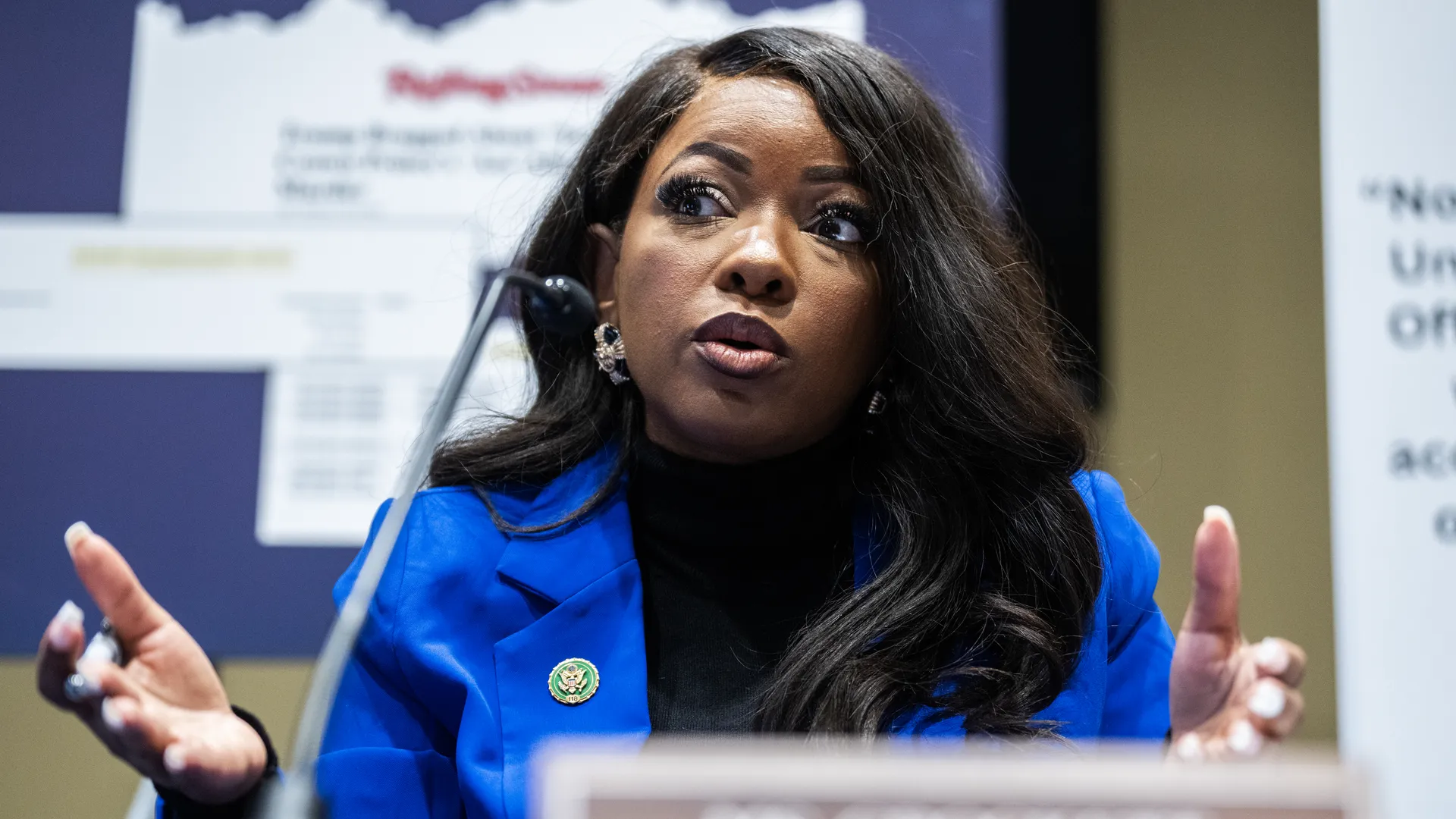
HUSTON, Texas – Democrats want to flip a Texas U.S. Senate seat in 2026, and many national leaders are lining up behind U.S. Rep. Jasmine Crockett (D-Dallas). She’s a loud, combative progressive with a big online following, known for viral clashes with Republicans and blunt hits at President Donald Trump. Crockett jumped into the race in early December 2025, right after former Rep. Colin Allred dropped out.
That late entry quickly made her the party’s headline candidate in a state where Democrats haven’t won statewide since 1994.
Crockett says her path to victory runs through turnout. Her campaign is centered on reaching voters who often sit out midterms, with a strong focus on Black communities and other groups she says the party overlooks. Still, new polling, renewed anger from Latino voters over old comments, and growing tension inside the Texas Democratic Party are starting to make this strategy look risky.
Crockett’s Fast Start and Big Expectations
Crockett launched her Senate bid on December 8, 2025, just hours before the filing deadline. She leaned into her national profile as a second-term member of Congress and one of the party’s most outspoken messengers. On the trail, she’s framed her run around everyday issues like costs, homeownership, small business growth, and raising middle-class incomes.
Her core argument is simple. Texas can be won by turning out people who rarely vote, not by chasing conservatives. She points to Texas as a majority-minority state with growing Black and Latino populations, and says Democrats leave votes on the table when they focus too much on persuasion.
Right after her announcement, early signs looked good. A Texas Southern University poll in mid-December 2025 put her ahead in the Democratic primary, 51% to 43% over state Rep. James Talarico (D-Austin).
The same poll showed huge support among Black voters, at 89%. Some Democrats saw Crockett as the kind of high-energy candidate who could boost turnout, similar to how Beto O’Rourke’s 2018 Senate run helped down-ballot Democrats even though he lost.
National strategists also like the target. The seat is held by Sen. John Cornyn (R), and Democrats see Texas as one of the few states that could help shift Senate control in 2026, with Trump still dominating Republican politics.
New Polling Shows Trouble
The early buzz hasn’t held. A January 2026 Emerson College Polling and Nexstar Media survey of likely Democratic primary voters showed Talarico moving into the lead, 47% to 38%, with 15% undecided. The poll was conducted January 10-12. It also laid out the split inside the party. Talarico ran strongest among white voters (57%), Latino voters (59%), and men, while Crockett stayed dominant with Black Democrats (80%).
General election tests have also raised alarms. In one matchup, Cornyn led Crockett 48% to 43%. Other Republicans, including Rep. Wesley Hunt, posted similar advantages. A Change Research poll from late 2025 showed Crockett behind Cornyn (49% to 41%) and behind Attorney General Ken Paxton (50% to 42%). That polling also showed her with higher unfavorables, at 40% unfavorable compared with 33% favorable.
Taken together, the numbers point to a clear problem. Crockett is well-known, but some voters already have strong opinions about her. And in a state where Republicans still hold an edge in voter registration and turnout habits, Democrats may need more than base energy to win statewide.
Latino Voters React to Past Comments
One of Crockett’s biggest weak spots comes from remarks that have followed her into the race. In a 2024 Vanity Fair interview, she criticized some Latino voters who support strict immigration policies or back Trump, calling it a “slave mentality” and describing it as internalized oppression. Those comments resurfaced during the campaign and sparked sharp backlash.
That matters in Texas. The state is roughly 40% Hispanic, and Latino voters often decide close statewide races. Some Democratic strategists have warned the comments could push key voters away, including Chuck Rocha, a Democratic operative and former Bernie Sanders adviser.
At stops in San Antonio, Crockett has tried to explain herself, saying she was speaking about views she has heard and stressing shared history between Black and Latino communities. Still, concern has spread within the party. One Hispanic Democratic lawmaker told The Independent that any comment with potential impact should be taken seriously.
Talarico has used the opening to build relationships in Latino-heavy parts of the state, including endorsements in the Rio Grande Valley. Meanwhile, Republicans are already using the controversy in messaging that paints Crockett as divisive.
Texas Democrats Are Split, and It’s Getting Loud
The Crockett versus Talarico contest is also exposing deeper disagreements among Texas Democrats. Some operatives love Crockett’s aggressive style and say it’s what the party needs to spark low-propensity voters and match Republican intensity.
Others, including former party leaders, worry she’s too polarizing for a statewide race. They fear her approach could turn off moderates and independents, or even dampen support among Democrats who want a calmer messenger.
Her late entry also upset some insiders who had been planning around a different field before Allred exited. And Republicans have made their view clear. Some GOP figures have encouraged Crockett’s run, with Trump and House Speaker Mike Johnson describing it as a gift for Republicans.
The Democratic primary is set for March 3, 2026. The fight has become a stand-in for a bigger argument inside the party: push hard with progressive fire, or pick a candidate who feels safer and more unifying.
A Risky Bet in a State That Stays Red
Republicans have their own problems. Cornyn and Paxton have been running close, and the GOP race could head to a May runoff. That gives Democrats a small opening, but only if they come out of their primary ready to unite.
For Crockett, the path is narrow. She needs to close polling gaps, repair trust with Latino voters, and pull the party together after a tense primary. If she wins the nomination, she’ll face a tough general election against a Republican who starts with the advantage Texas Republicans have held for three decades.
Right now, the warning signs are hard to ignore. What began as an exciting, high-profile bet could end up as a reminder that statewide Texas races punish mistakes fast.
Related News:
Democrats Push Back on Sen. Marsha Blackburn’s Fraud Accountability Act
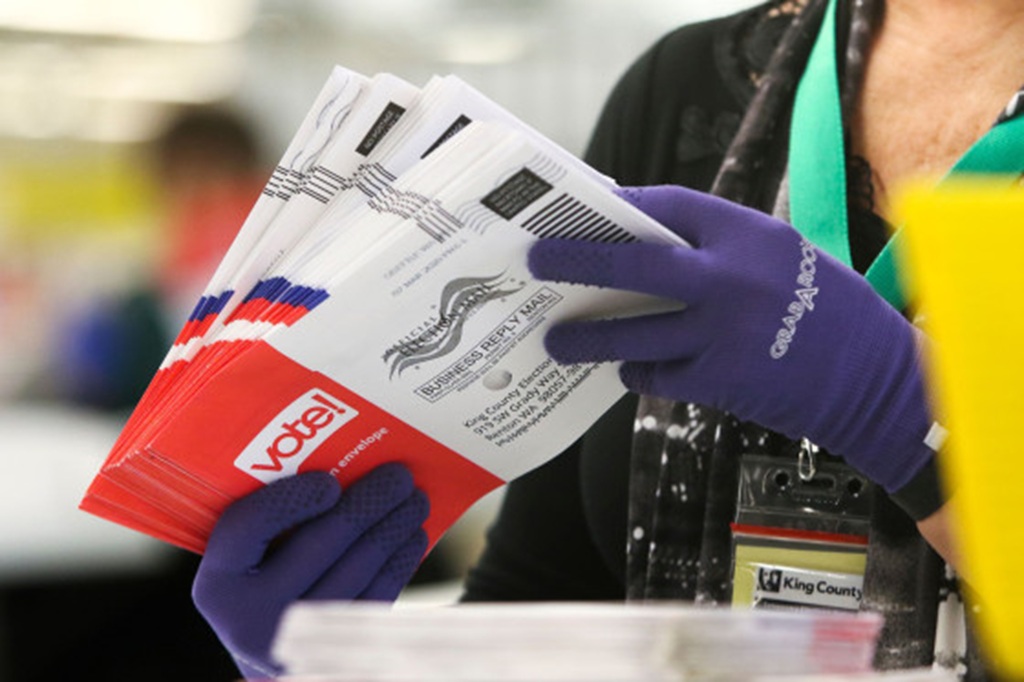
WASHINGTON, D.C. – A massive political and legal battle is unfolding with the Democrats over the future of mail-in voting in the United States. Late last week, the U.S. Postal Service (USPS) unveiled a highly controversial proposed rule that would fundamentally change how mail-in and absentee ballots are handled.
The move is the first major step to implement President Donald Trump’s March 31 executive order on election integrity. The sweeping order aims to restrict the delivery of mail-in ballots to federally verified lists of citizens.
The reaction from Democrats, voting rights advocates, and election lawyers has been swift and fierce. Critics are calling the new rules an unconstitutional overreach and a direct threat to the 2026 midterm elections. Meanwhile, the administration and its supporters defend the changes as common-sense measures to protect election security.
What Do the New USPS Rules Require?
The proposed USPS rule, which was made available on the Federal Register website, establishes strict federal guidelines for processing election mail. The most significant change forces state election officials to submit a pre-approved list of eligible mail-in voters to the Postal Service.
Key elements of the new system include:
- The 30-Day Cutoff: States must send USPS their list of voters who requested mail-in or absentee ballots at least 30 days before those ballots go out under state law.
- Delivery Bans: If a voter is not on that state-provided list, the Postal Service will refuse to deliver their ballot.
- Mandatory Tracking: All mail-in and absentee ballots must use secure envelopes with unique Intelligent Mail barcodes to facilitate strict tracking.
- Data Sharing: The new tracking framework will create data reporting standards available to federal law enforcement agencies.
The USPS proposal does include a few exceptions not found in the original executive order. For instance, the agency plans to exempt overseas and military voters from these strict tracking requirements. The agency also noted that the rules would not apply to primary elections, as the report details show on Democracy Docket.
Democrats Freak Out
Opponents of the rule argue that the administration is attempting a federal takeover of systems traditionally managed by local governments. They warn that the policy could disenfranchise millions of legitimate voters.
Election law experts point out that a 30-day federal cutoff conflicts directly with state registration deadlines. Many states allow residents to register to vote or request an absentee ballot just days before an election. Under the new USPS rules, a voter who registers late might be legally permitted to vote by state law, but the Postal Service would be barred from delivering their ballot.
The executive order relies heavily on the Department of Homeland Security (DHS) to compile “State Citizenship Lists” using federal databases. Civil rights groups argue that these databases—including records from the Social Security Administration—are notorious for clerical errors. According to a research report from the Brennan Center for Justice, relying on flawed data could mistakenly strip eligible, naturalized U.S. citizens of their voting rights.
The executive order directs the Attorney General to prioritize the investigation and prosecution of election workers who distribute ballots to individuals the federal government deems ineligible. Critics argue this is a clear attempt to intimidate local officials who are simply following their own state’s election laws.
The Mail-in Ballots Battle Heats Up
The fight has already triggered at least five separate lawsuits across the country. A major legal coalition led by Senate Minority Leader Chuck Schumer, House Minority Leader Hakeem Jeffries, and the Democratic National Committee quickly sued to block the order.
As reported by the Associated Press, the lawsuit argues that the U.S. Constitution gives states and Congress—not the president—the explicit power to run elections and set postal policy.
The litigation took a turning point just one day before the USPS announcement. U.S. District Judge Carl Nichols, a Trump appointee, denied an initial request by Democrats for an immediate injunction. Judge Nichols ruled that the lawsuit was premature because federal agencies had not yet taken concrete actions to enforce the order, as detailed by Courthouse News Service.
However, Judge Nichols explicitly noted that plaintiffs could renew their legal challenges once the actual rulemaking process began. With the USPS officially moving forward, election attorneys are preparing to head back to court immediately. Another pivotal hearing brought by Democratic attorneys general is scheduled in Massachusetts, according to Al Jazeera.
The Administration’s Defense
President Trump and White House officials have strongly defended the executive actions. They argue the measures are necessary to protect public confidence in American elections and close self-certification loopholes.
A White House official fact sheet states that federal law explicitly bans non-citizens from voting in federal elections. The administration maintains that verifying citizenship through federal databases and securing mail-in ballot envelopes are basic, common-sense security upgrades.
Supporters also point out that the USPS rule keeps states in control of their voter data. The rules allow states to submit supplemental updates to their voter lists up until the election, which the administration claims will prevent eligible voters from being left behind.
The U.S. Postal Service plans to formally publish the proposed rule on June 2, 2026. This publication will open up a public comment period, giving citizens, election officials, and voting rights organizations an opportunity to weigh in on the changes.
With the 2026 midterm elections fast approaching, the timeline is tight. If the rules survive the ongoing wave of federal lawsuits, state election offices will face a massive administrative burden. They will have to completely overhaul their mailing systems and integrate their local databases with the federal government’s new tracking infrastructure in just a matter of months.
Trending News:
Democrats Panic as Trump Mobilizes Massive Election Army for Midterms
Supreme Court Crushes Democrats’ Racial Gerrymandering in 6-3 Decision
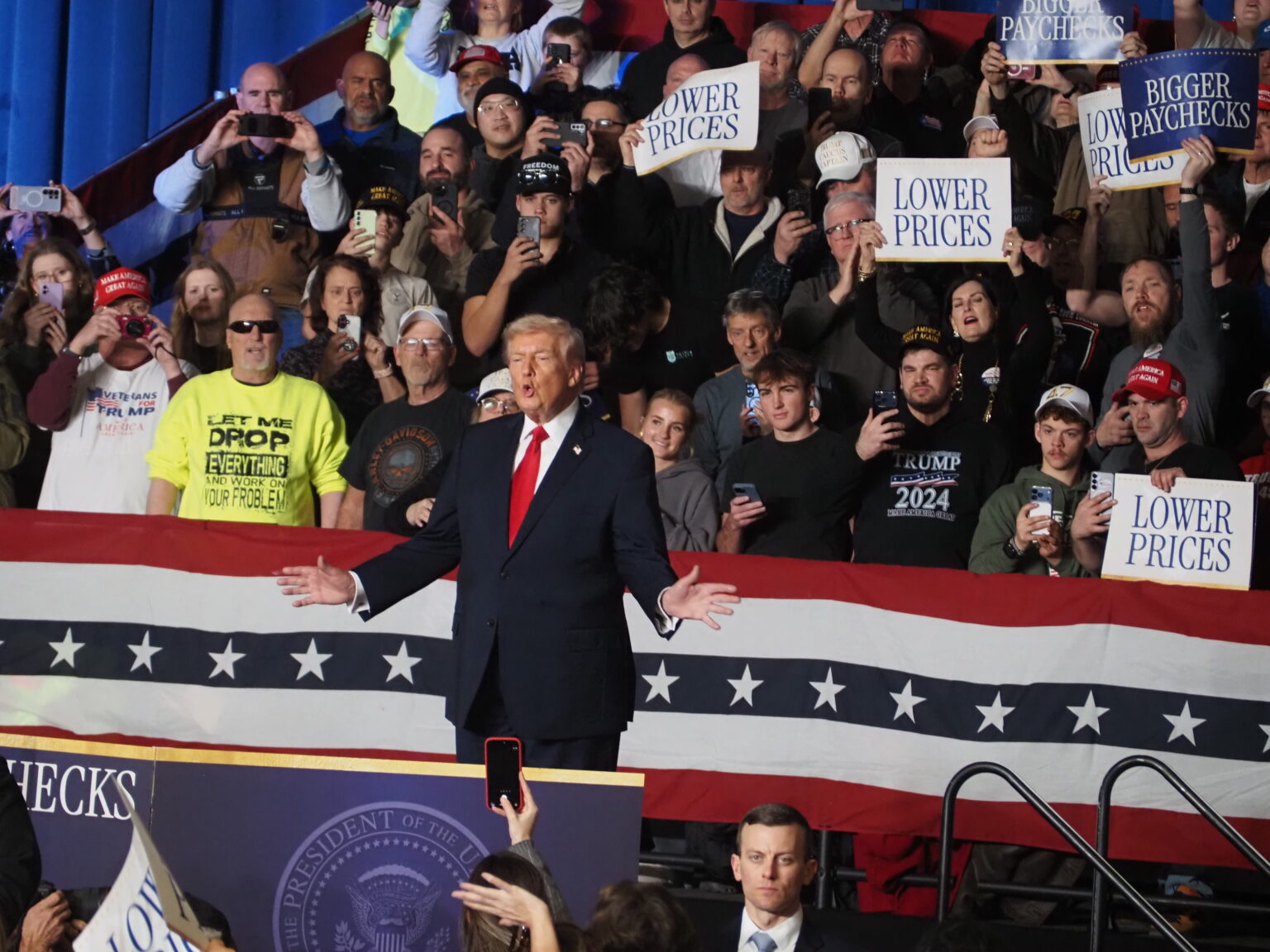
WASHINGTON, D.C. – A nationwide push to recruit thousands of poll watchers and lawyers has sparked intense debate over election security, leaving Democrats scrambling to mount a counter-strategy ahead of the crucial midterm elections.
The upcoming midterm elections are shaping up to be one of the most closely watched political battles in modern history. As the campaign season heats up, President Donald Trump and his allies have launched a massive, well-funded initiative to place thousands of trained observers and legal experts directly inside voting centers.
Political insiders are calling it a “Trump election army.” This sweeping effort is causing high anxiety among Democratic leaders, who worry this strategy could lead to chaos at the polls. Here is a deep dive into what this mobilization looks like, why it is happening, and how it could change the way you vote.
Building the “Election Army”: What Is the Plan?
For years, political parties have used poll watchers to keep an eye on the voting process. However, the scale of this current operation is entirely new. The Republican National Committee (RNC), working closely with the Trump campaign, is spending millions of dollars to build a massive ground game focused entirely on the voting process itself.
Instead of just focusing on getting people to vote, the party is heavily focused on what happens to those votes once they are cast. According to reports from political news outlets like Reuters, the goal is to recruit and train over 100,000 volunteers. These volunteers will be deployed across key swing states, focusing heavily on areas where elections are historically tight.
The Key Roles in the Operation
This new strategy is highly organized. It goes far beyond simply asking volunteers to stand near a voting booth. The plan breaks down into several key areas:
- Trained Poll Observers: These are everyday citizens who undergo specific training sessions. They are taught exactly what to look for regarding election laws in their specific state. Their job is to stand inside the voting locations and watch the check-in process, the voting booths, and the ballot-counting areas.
- Rapid Response Legal Teams: Behind the volunteers is a massive network of lawyers. If a volunteer spots something they believe is wrong, they do not just complain to a local worker. They call a dedicated hotline connected straight to legal experts ready to file lawsuits within minutes.
- Poll Workers: Rather than just watching from the outside, the campaign is actively encouraging its supporters to apply for official, paid positions as local election workers. This puts them directly in charge of handling ballots and managing the voting process.
Why Are Democrats Sounding the Alarm?
The sheer size of this program has sent shockwaves through the Democratic Party. While Republicans argue this is simply a push for election integrity and transparency, Democrats see a very different picture.
First, Democratic leaders argue that this “army” is designed to intimidate voters. They fear that having aggressive poll watchers hovering over voting stations will scare people away, especially in minority neighborhoods where voting rights have historically been threatened. Groups like the American Civil Liberties Union (ACLU) have long warned that poorly trained or highly partisan poll watchers can disrupt the peace of a polling place.
Second, Democrats are worried about a slowdown in the process. If thousands of observers are constantly challenging the identity of voters or questioning the validity of mail-in ballots, lines at polling stations could stretch for hours. For everyday workers who only have a short window of time to vote, long lines can force them to give up and go home.
In response, Democrats are rushing to build their own voter protection teams. They are setting up hotlines, recruiting their own lawyers, and training volunteers to watch the watchers. However, some party officials privately admit they are currently struggling to match the funding and energy of the opposition’s highly organized effort.
The Battleground States: Where the Fight Will Happen
This clash will not happen everywhere. The “election army” is tightly focused on specific battleground states that will decide the balance of power in Congress.
Arizona and Nevada
In the Southwest, mail-in voting is very common. Here, observers are being trained to carefully watch signature verification processes. Disputes over whether a signature on an envelope matches the one on a voter’s registration card are expected to be a massive source of conflict.
Pennsylvania and Michigan
In the Rust Belt, the focus is often on the major cities, such as Philadelphia and Detroit. These areas usually heavily favor Democratic candidates and take longer to count their votes. Republican legal teams are preparing to heavily scrutinize the drop boxes and counting centers in these urban hubs, looking for any breaks in the chain of custody.
Georgia
Georgia has recently passed strict new voting laws. Observers in this state will be monitoring everything from voter ID checks to how absentee ballots are collected. Because the rules have changed so much recently, there is a high chance for confusion and conflict at the polls.
The Shift to the Courtroom
Perhaps the most significant change in this midterm election is the shift from the ballot box to the courtroom. In the past, elections were mostly decided by who could get the most people to the polls. Now, both sides are preparing for the election to be decided by judges.
By having thousands of people take notes and record events on election day, the Trump campaign is gathering evidence. If a race is close, this evidence will be used to file lawsuits to throw out specific groups of ballots or challenge the final results. You can read more about how election litigation has surged in recent years through detailed reports by The Associated Press.
This means that election day might no longer end on election night. The country may have to wait days or even weeks as armies of lawyers fight over the results in courtrooms across the country.
What This Means for the Everyday Voter
If you are planning to vote in the upcoming midterms, you might notice some changes at your local polling place. You can expect a much heavier presence of political observers. There may be more people wearing badges, carrying clipboards, and taking notes.
Furthermore, you should be prepared for potential delays. Because the rules are being watched so closely, poll workers may take longer to check IDs or process address changes.
Local election officials are doing their best to prepare. They are holding extra training sessions to ensure their staff know how to handle overly aggressive poll watchers without violating anyone’s rights. However, election workers are often temporary employees or volunteers themselves, and the pressure of this new environment is causing many experienced workers to quit.
A Stress Test for the Voting System
Ultimately, the upcoming midterms will serve as a massive stress test for the American voting system. The rules of the game are changing. Voting is no longer just a civic duty; it has become a highly scrutinized legal process.
While the Republican push for poll watchers is framed as a necessary step to ensure fair elections, the resulting panic from Democrats highlights a deep lack of trust in the system. Both sides are gearing up for a fight, pouring money into legal teams rather than just television ads.
As election day approaches, all eyes will be on the polling places. Whether this “election army” brings clarity and security to the process, or chaos and intimidation, remains to be seen. One thing is certain: the fight for control of Congress will be fought just as fiercely inside the voting booth as it is on the campaign trail.
Trending News:
Democrats May Be Moving to Rig the System as They Lose the Majority
Trump Embarrasses CNN’s Kaitlan Collins in Brutal Swipe at The White House

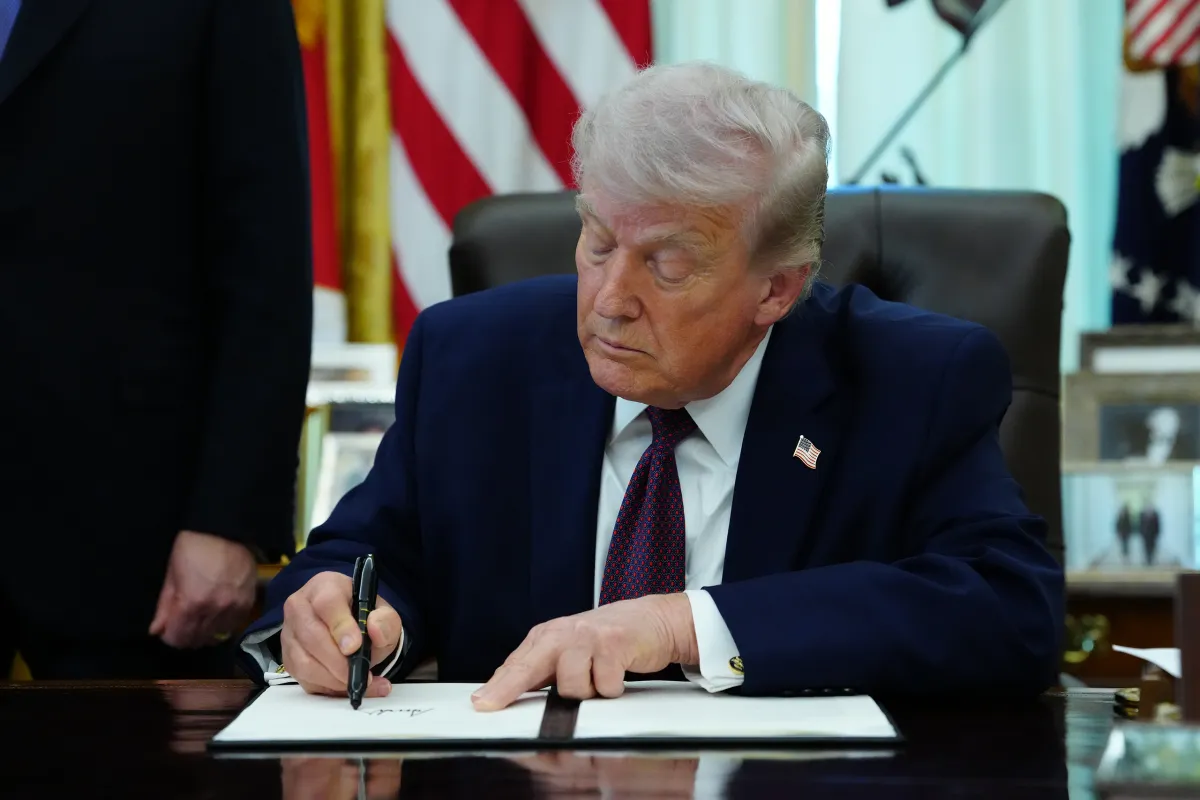
WASHINGTON, D.C. – President Donald Trump signed an executive order on March 31, 2026. He did so in the Oval Office. The action seeks to improve election security. It sets limits on mail-in voting. Federal agencies will build confirmed lists of eligible voters. They will also improve safeguards for absentee ballots.
Trump described the order as “foolproof” during the ceremony. He claims it prevents cheating through mail-in votes. He has raised this issue since the 2020 election. The timing fits months before the 2026 midterms. Previous efforts in his administration pushed for tougher ballot rules. This builds on those steps.
What the Order Covers
The order targets two key spots: voter checks and mail ballot protection. First, the Department of Homeland Security and the Social Security Administration step in. They create nationwide lists of eligible U.S. citizens for each state. State officials receive these lists.
Second, the U.S. Postal Service updates its processes. Absentee ballots now require secure envelopes with unique tracking barcodes. The postal service sends ballots only to voters on state-approved lists.
Key changes include federal data for state voter lists. All election mail gets Intelligent Mail barcodes for tracking. States limit ballots to pre-approved voters. Officials stress Election Day deadlines when possible.
These measures cut fraud risks. They keep mail voting open for groups like military personnel, overseas citizens, and those with disabilities.
Trump often warns about mail-in voting abuse. He cites lost ballots, late deliveries, and double votes as problems. At the signing, he promised “honest voting” for America. Supporters agree. They say loose rules erode trust in elections.
Many Republicans cheer the order. Better checks and tracking speed up results. They make outcomes more reliable. Critics see issues, however. Changes might block some voters. Groups for seniors, rural folks, and mobility-challenged people value mail access.
Mail-In Voting History in the U.S.
Mail and absentee voting expanded over time. About 30% of the 2024 presidential votes came by mail. States like California and Washington use full vote-by-mail setups. Fans say it raises turnout. Busy families, seniors, and remote voters benefit. Studies show fraud rates stay very low.
Opponents point out weak checks. In-person voting requires ID. They call for upfront proof and firm deadlines. The order avoids a full ban. It adds federal tracking and oversight, mainly for ballot delivery.
Democrats and rights groups slammed the order fast. They label it overreach. It risks blocking valid voters. Some states plan court fights. Experts remind us that presidents have little control over state elections. The Constitution gives states that power. Past orders met lawsuits and blocks.
GOP leaders applaud it. They view it as keeping promises for secure votes. Lawmakers stress citizenship proof and clean rolls. Polls split the public. Most back voter ID and anti-fraud steps. They also like easy voting choices.
Effects on 2026 Midterms
Midterms hit November 3, 2026. The order shakes up campaigns. States update mail ballot requests and send. Regular mail voters face new checks or tracking. Officials deal with delays from federal lists. White House staff say it updates the system. It protects real voters. Barcodes let people track ballots like packages.
Rollout takes time, though. Agencies write rules first. States choose adoption levels. Lawsuits loom large. A 2025 Trump order on deadlines got court stops. Debates focus on Postal Service orders and state list mandates. USPS runs independently. States handle elections.
The administration cites current laws on citizenship and deadlines. Courts decide what lasts. Check your state election office for updates. Many already demand mail ID or offer tracking.
Tips for Mail Voters in 2026
Plan mail voting? Follow these steps from the order. Request ballots early via state sites. Match your name to voter lists precisely. Track with the barcode on arrival. Mail back to hit state deadlines.
In-person options stay the same everywhere. Many states keep early voting. Supporters say the point stays simple. Eligible citizens vote. Ballots get tracked fully.
The order joins bigger discussions. Close races lately sparked reforms from both parties. Democrats push access growth. Republicans focus on fraud blocks. Common ground proves tough. Still, Americans agree on fair, right elections.
Trump keeps the talk alive. Courts, states, and voters watch as 2026 nears. Rules shift at polls or mailboxes. The balance of ease and trust plays out there.
Related News:
Trump Tariffs Supreme Court Ruling, What Changed in 2026
Trump Eyes Historic NATO Exit as Allies Prove Their Disloyalty


The Switzerland Accord: US-Iran Deal Aims to Prevent Global Economic Collapse

Silence on Capitol Hill: ActBlue CEO Invokes Fifth Amendment 22 Times Before House Committee

Elon Musk’s Trillion-Dollar Fortune: The Real Story

Google News Bias Exposed in Left-Leaning Top Stories

Drinking in Pregnancy Is Rising in America, CDC Says

Robert Kennedy’s Health Agenda and the Future of America

Ilhan Omar Melts Down Over Jerry Seinfeld Over Palestinian Comments

Tulsi Gabbard Reveal Massive Global Biolab Network Linked to U.S. Funding

California Elections Expose the Mainstream Media Bias Over Election Integrity

Many California Voters Side With Trump and Musk Over Voter Fraud Claims

Jimmy Kimmel Slammed for “Vile” Melania Trump “Expectant Widow” Joke

President Trump Addresses Nation on War with Iran

Trump Warns NATO Allies: America Won’t Protect Slackers After Iran Clash

Senate Hearing on Fraud and Foreign Influence Turns Tense Over Minnesota Scandals

CNN Forced to Backtrack Its Reporting on Trump’s Iran Talks

Joe Rogan Slams Gavin Newsom for Mocking Nick Shirley

Mosque Set Ablaze in Iran a Citizens Revolt Against the Islamic Regime

AOC Accuses Jessie Watters of Fox News of Sexualizing and Harassing Her

JD Vance Exposes Walz’s Fraud and CNN’s Lies in White House Presser

Milestone Card Credit: How the Milestone MasterCard Can Transform Credit


-
 News3 months ago
Tim Walz Accused of “Enabling Fraud” By Minnesota State Lawmaker
-
 Entertainment3 months ago
Jimmy Kimmel Slammed for “Vile” Melania Trump “Expectant Widow” Joke
-
 News2 months ago
Ilhan Omar Refuses to Turn Over Documents to Minnesota Fraud Committee
-

 Business3 months ago
Jimmy Kimmel and ABC in the Crosshairs of An FCC Investigation
-
 Business3 months ago
Alex Jones Announces the Shutdown of Infowars Amid Billion-Dollar Legal Battles
-
 Crime3 months ago
DOJ Charges Southern Poverty Law Center With Decade-Long Fraud
-
 Crime2 months ago
FBI Raids Virginia State Senator Louise Lucas’s Office
-
 Crime3 months ago
Former FBI Director James Comey Indicted for Threatening Instagram Post