United States
Socialist Seattle Mayor Retreats on Starbucks Boycott Amid Surging Tech Layoffs

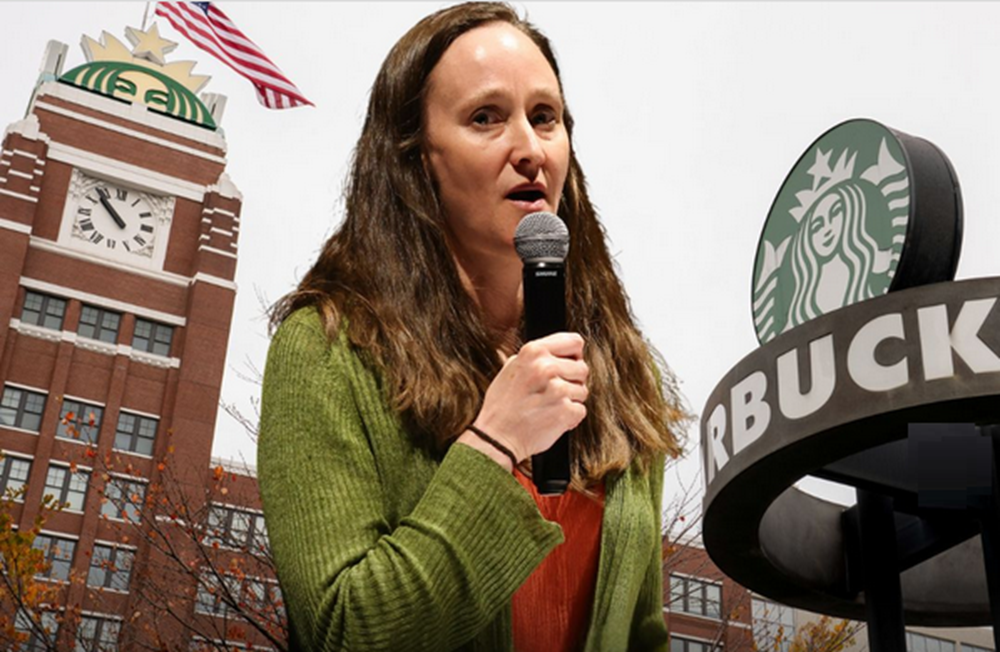
SEATTLE – In a surprising shift of tone, Seattle Mayor Katie Wilson has quietly stepped back from her controversial call to boycott Starbucks. This reversal comes just six months after her initial statement, amid a wave of corporate layoffs hitting the city’s biggest employers and a public rebuke from the coffee giant’s founder.
The story began in November 2025. Just nine days after winning the closest Seattle mayoral race in over a century, Wilson—who hadn’t even taken office yet—stood with striking baristas outside a Capitol Hill Starbucks roastery. Her words that day set the stage for her early administration: “I am not buying Starbucks and you should not either.”
Fast forward to May 2026. In an interview with The New York Times, Mayor Wilson softened her stance, stating, “Those comments were not productive in the sense that they caused more harm than good.”
This 15-word retreat is making waves far beyond Seattle. It signals a shift from confrontation to partnership, a necessary pivot as the city faces significant economic headwinds.
The Corporate Exodus: Layoffs in Seattle Hit Hard
Wilson’s change of heart didn’t happen in a vacuum. It coincides with a series of major job cuts across Seattle’s corporate landscape, creating a challenging environment for the new mayor.
Here is a breakdown of the recent job losses affecting the region:
- Starbucks: The coffee giant has filed three rounds of corporate layoffs in Washington State since March 2026, affecting nearly 400 positions tied to its Seattle headquarters. Simultaneously, the company announced a $100 million expansion in Nashville, Tennessee, expected to bring up to 2,000 jobs to that city.
- Amazon: The e-commerce behemoth has eliminated over 4,500 corporate roles in Washington State across two main rounds in late 2025 and early 2026, marking the largest workforce reduction in its history.
- Microsoft: In May 2025, Microsoft laid off nearly 2,000 workers tied to its Redmond headquarters, with smaller rounds following throughout the year.
- Boeing: The aerospace company relocated approximately 300 engineering positions from Washington to South Carolina in early 2026, following a massive 17,000-person company-wide layoff in late 2024.
- Other Tech Giants: Companies like Oracle, Meta, Salesforce, Expedia, T-Mobile, and Zillow have also announced significant reductions affecting their Washington-based employees.
According to Challenger, Gray & Christmas, Washington State recorded the third-highest number of layoffs in the country in early 2026.
Adding pressure to the situation, former Starbucks CEO Howard Schultz recently published an opinion piece in The Wall Street Journal titled “Seattle Turns Hostile to the Great Businesses It Made.” In the essay, Schultz directly criticized Mayor Wilson, pointing to her boycott comment and arguing that the city’s relationship with its largest employers had severely deteriorated.
Schultz’s op-ed, published the same week as Starbucks’ Nashville announcement, highlighted the growing tension between Seattle’s leadership and its corporate anchors.
A Shift in Tone, But What About Policy?
While Mayor Wilson has changed her rhetoric, her policy goals remain largely intact. She campaigned on expanding the “jumpstart” payroll tax for large employers and creating a local capital gains tax. The city is also facing a projected $140 million budget shortfall heading into 2027, with downtown office vacancy hovering around 35%.
The mayor’s office emphasizes that they are in regular communication with corporate leaders regarding shared priorities like homelessness, public safety, and affordability. However, the fundamental question remains: Will a softer tone be enough to stem the tide of corporate departures and job losses?
Seattle is no stranger to economic shifts. The city survived the Boeing downturn of the 1970s and has spent the last decade diversifying its economy. Yet, the scale and speed of the current layoffs are unprecedented in recent history.
The coming months will be crucial. Will the recent “WARN” filings (Worker Adjustment and Retraining Notifications) slow down? Will companies choose to invest their growth dollars in Seattle or look elsewhere?
Mayor Wilson has adjusted her public stance, but the real test lies in whether she can rebuild trust with the business community while still addressing the city’s pressing challenges. As Schultz pointedly asked, what will replace these companies as engines of Seattle’s job and revenue growth? It’s a question that Wilson and the city of Seattle must now answer.
Trending News:
Stephen Colbert Has Meltdown On-Air in Final Broadcast on CBS
Karen Bass Faces Furious Voters Over Her Claim NON-CITIZENS Should VOTE
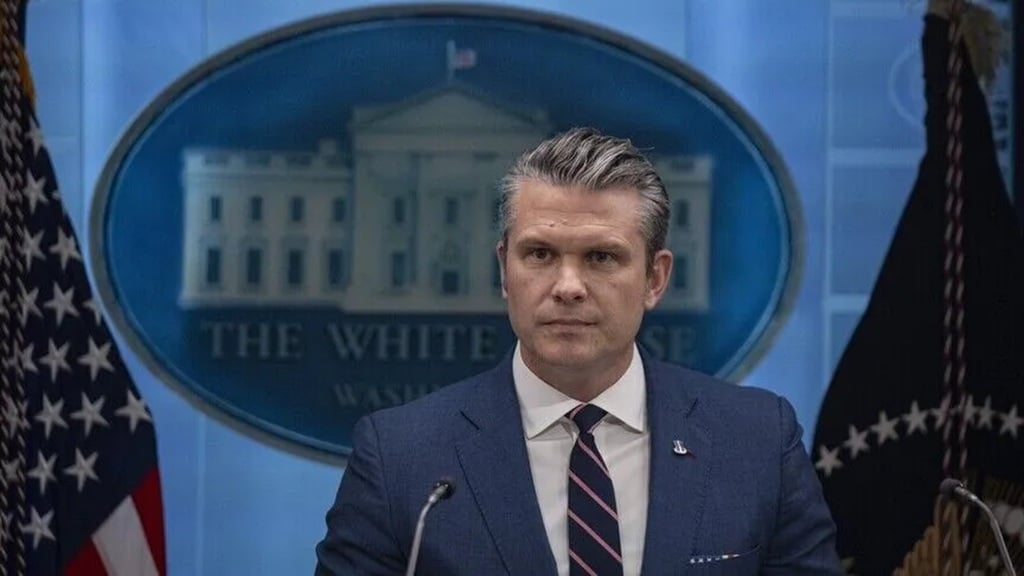
WASHINGTON, D.C. – United States Defense Secretary Pete Hegseth is currently making global headlines with a bold new diplomatic demand. He desperately wants Latin American nations to leave the International Criminal Court as soon as possible. Hegseth strongly believes this massive global court directly threatens the fundamental independence of free nations.
He delivered this very strong message during a recent high-level security meeting held in Panama this week. The defense chief passionately spoke directly to members of the powerful Americas Counter-Cartel Coalition. He stressed that sovereign nations must control their own military forces without any outside political interference.
Key Takeaways
- US Defense Secretary Pete Hegseth urged Latin American allies to completely abandon the International Criminal Court.
- Colombia officially became the nineteenth member of the rapidly growing Americas Counter-Cartel Coalition this week.
- The United States government is aggressively opposing the international court to protect its soldiers and allies.
Hegseth certainly did not hold back his fierce criticism of the controversial international justice system. He clearly warned that global judges are actively trying to steal power from local, independent governments. He strongly encouraged every single allied nation to completely reject this unwanted outside legal authority.
The defense secretary described the court’s recent actions as a completely lawless and dangerous power grab. He firmly insists that all countries must proudly defend their citizens using their own unique laws. Unelected international bureaucrats should never dictate how a free country deploys its brave military warriors.
According to recent reports by Anadolu Agency, Hegseth constantly champions a very strong and fearless military culture. He really wants military leaders to answer only to their own loyal people and national constitutions. This fierce demand for total independence remains a major theme of his ongoing national defense strategy.
The United States has surprisingly never been a formal participating member of this global criminal court. American political leaders have historically worried about deeply politically motivated legal charges against their brave soldiers. Hegseth’s aggressive new push takes this longstanding national skepticism to an entirely new and intense level.
Colombia Joins the Fight Against Dangerous Cartels
During his incredibly passionate security speech in Panama, Hegseth proudly shared some major regional defense news. He proudly announced that Colombia is officially joining the highly successful international counter-cartel military coalition. This historic move makes Colombia the nineteenth proud nation to unite against dangerous organized crime groups.
Colombia’s newly inaugurated conservative leader, President Abelardo de la Espriella, is already taking very swift action. Known widely across the region by the popular nickname “El Tigre,” he is completely ready to fight. He has already officially asked the United States government for immediate and direct military combat assistance.
The bold Colombian president desperately wants to launch joint military operations with highly trained American forces. The primary shared goal is to destroy violent local terrorist networks and massive drug cartels. This aggressive new partnership marks a thrilling new chapter in the ongoing war against deadly narco-terrorism.
By eagerly joining this powerful military coalition, Colombia is showing its deep commitment to regional safety. The United States government is incredibly eager to fully support these aggressive anti-drug military combat missions. Both participating nations sincerely hope to quickly bring lasting peace and stability to troubled Latin American regions.
Creating a More Lethal and Free Military
Hegseth has always been incredibly vocal about exactly how modern international wars should actually be fought. He frequently argues that current international military rules are far too strict for highly effective combat. He claims these foolish legal rules force our incredibly brave soldiers to fight with one hand tied.
The passionate defense secretary strongly believes the absolute main focus of any military should be lethality. He desperately wants American combat troops to remain the absolute most effective fighting force on Earth. He strongly feels that endless international legal restrictions make it significantly harder to achieve total military victory.
In the recent past, Hegseth has actively and publicly defended soldiers accused of serious war crimes. He famously and successfully pushed President Donald Trump to officially pardon several military service members. He firmly and passionately believes that split-second combat decisions should never be harshly judged by distant lawyers.
This aggressive military mindset perfectly explains why he currently hates the International Criminal Court so much. He clearly views international law as a cheap political tool used to weaken powerful, sovereign nations. Hegseth simply wants to absolutely ensure that brave warriors remain completely free to do their difficult jobs.
Protecting Global Allies Like Israel
The United States government’s intense hatred for the ICC is not just about protecting American troops. The current conservative administration is also working incredibly hard to protect its key international political allies. This aggressive defensive campaign recently gained massive global momentum due to violent conflicts in the Middle East.
In late November 2024, the international court shockingly issued formal arrest warrants for top Israeli leaders. The prominent legal targets included Israeli Prime Minister Benjamin Netanyahu and a highly respected former defense minister. These controversial arrest warrants were primarily based on serious legal allegations regarding intense military actions in Gaza.
President Donald Trump has very openly discussed the real underlying goals of his top cabinet members. He recently noted that Secretary of State Marco Rubio is very aggressively targeting the global criminal court. Trump honestly admitted this massive diplomatic effort primarily aims to defend Netanyahu from serious international legal trouble.
Rubio recently and very publicly stated that the global court has made itself completely and totally illegitimate. He is incredibly furious that the criminal court aggressively targets countries that never even signed its treaty. Washington is currently using its massive global diplomatic influence to completely crush the court’s international legal authority.
The Future of International Justice and Unity
This incredibly aggressive diplomatic push by the United States suddenly creates a very tough choice for allies. Latin American member nations must now carefully weigh their political loyalty to the powerful American federal government. They must quickly decide if quietly staying in the court is truly worth deeply angering Washington politicians.
Many prominent human rights groups desperately worry about the long-term global impact of this aggressive American campaign. They deeply fear that a significantly weaker international court will easily let real war criminals escape justice. The entire political world is quietly watching to see exactly how Latin American leaders will actually respond.
If significantly more member countries eventually leave the court, the global justice system could easily face collapse. Hegseth and his loyal conservative supporters would very likely view this historic institutional collapse as a massive victory. However, passionate international law advocates clearly see this development as an incredibly dangerous step backward for humanity.
For right now, the aggressive defense secretary will absolutely continue to promote his fierce, independent warrior culture. He definitely remains stubbornly determined to completely shield proud American soldiers from any foreign legal threats. The massive global battle between independent national sovereignty and international legal justice is really only just beginning.
Trending News:
Massive Petition to Expel US Ambassador Threatens Canada Trade Talks
US Defense Secretary Calls WaPo Report on Venezuela Drug Boat ” Complete Fake News”
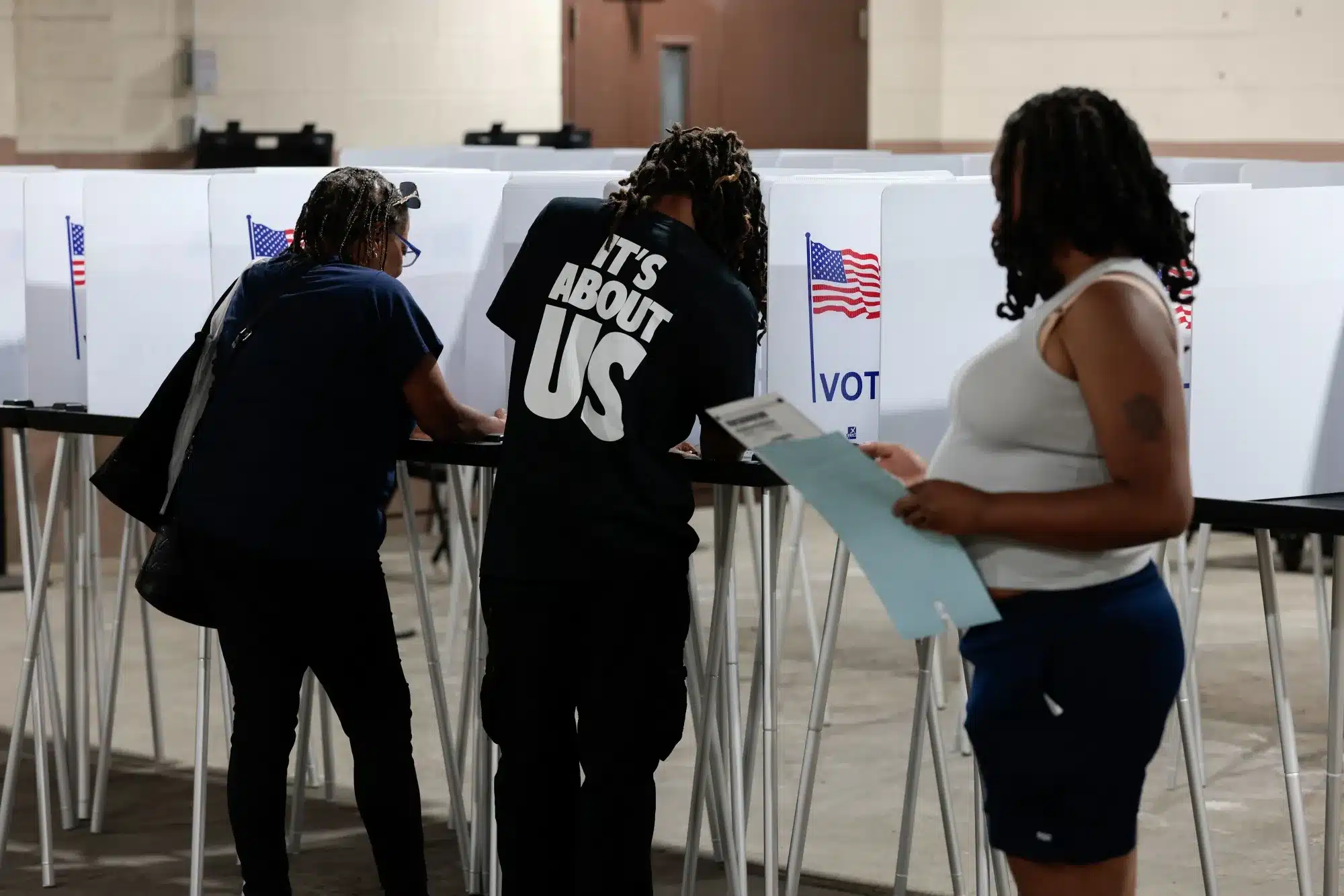
LANSING, Michigan – Polls have officially closed across the state of Michigan in a highly anticipated and fiercely contested primary election. Voters across the state stepped up to the ballot box to decide the future direction of the Democratic Party.
National political observers have kept their eyes fixed firmly on this fiercely competitive United States Senate race. Progressive candidate Abdul El-Sayed is actively challenging moderate Congresswoman Haley Stevens for the coveted Democratic Party nomination.
Key Takeaways
- Abdul El-Sayed and Haley Stevens are fiercely fighting to secure the important Democratic Senate nomination.
- The primary winner seeks to replace retiring incumbent Democratic Senator Gary Peters in the United States Senate.
- The chosen Democratic nominee will face unopposed Republican candidate Mike Rogers in the crucial November election.
This critical race highlights a major ideological divide growing within the modern national Democratic Party. It directly pits an establishment moderate candidate against a highly vocal and energetic progressive challenger. Senator Gary Peters decided he would not seek a third legislative term during this election cycle. This surprising political decision created a very rare open Senate seat in a critical American battleground state.
Congresswoman Haley Stevens currently represents a swing district and brings strong backing from prominent party leaders. She consistently offers a traditional political approach focused on expanding our existing national health care programs. Stevens also received a highly coveted endorsement from the current popular Michigan Governor, Gretchen Whitmer.
Abdul El-Sayed previously worked as a dedicated public health official for the populous Wayne County area. He has successfully built strong grassroots support by pushing heavily for very bold progressive social policies. El-Sayed actively supports enacting major changes like Medicare for All and ending corporate campaign funding completely.
National political figures have also eagerly weighed in on this crucial and highly publicized local race. Senator Bernie Sanders and Representative Alexandria Ocasio-Cortez both enthusiastically endorsed his current progressive campaign platform. Recent public polling data showed El-Sayed holding a solid popular lead in the final campaign weeks. However, primary elections regularly bring unexpected and sudden surprises once the final citizen votes are carefully counted.
Big Money and Deep Divides
Few recent political races have seen as much outside spending as this highly competitive Michigan primary. Millions of outside dollars have flooded the midwestern state to sway the minds of undecided voters. Campaign finance regulation has naturally become a massive talking point during this entire tense election cycle.
Stevens has benefited greatly from an enormous and unprecedented outside financial spending advantage this year. Pro-Israel lobbying groups like AIPAC have spent nearly thirty million dollars to support her ongoing campaign. This staggering financial amount completely shatters prior records for their monetary investments in a single political race.
Meanwhile, El-Sayed bravely refused to take any corporate donations for his steadily growing grassroots political campaign. He has relied almost exclusively on smaller individual financial contributions to fund his growing political movement. Passionate supporters argue this specific approach makes him much more accountable to everyday working American people.
Complicated foreign policy issues also played a massive and unexpected role in shaping this bitter contest. The ongoing tragic conflict in the Middle East created deep political splits among eager primary voters. El-Sayed strongly and consistently called for ending unconditional United States military aid to the Israeli government. In stark contrast, Stevens voted to continue this financial aid and maintains a firm pro-Israel political stance.
What This Means for November 2026
The final results of this primary will absolutely send major shockwaves through the national political landscape. Democratic leaders are incredibly desperate to maintain their currently fragile legislative control of the United States Senate. Michigan is widely viewed by political experts as a mandatory must-win state for the entire party.
The primary election winner will face Republican candidate Mike Rogers in the upcoming November general election. Rogers ran completely unopposed in the Republican primary and is already vigorously preparing for the November showdown. He narrowly lost a previous Senate bid in 2024 but quickly secured Donald Trump’s valuable political backing.
Many moderate Democratic voters worry that a highly progressive nominee might struggle during the general election. They strongly believe Stevens is a much safer bet to win over crucial undecided independent voters. Her loyal political supporters often point to her past electoral success in flipping a conservative congressional seat.
Meanwhile, proud progressives argue that presenting bold new ideas is exactly what the political party needs right now. They firmly believe El-Sayed’s progressive platform will strongly energize younger voters and boost overall election turnout. They view his highly passionate campaign as a totally necessary and refreshing step forward for the party.
Looking Ahead to the General Election
Dedicated election officials are currently busy counting the thousands of paper ballots from across the entire state. National news outlets and eager local voters are waiting anxiously to hear the final official election results. The ultimate primary outcome will clearly set the aggressive tone for the upcoming fall political campaign season.
Michigan voters will confidently return to the voting booths again on November 3 in the year 2026. They will make the final crucial decision between the chosen Democratic nominee and Republican candidate Mike Rogers. Until that date arrives, both major political parties will spend millions trying to win this crucial seat.
The midwestern state definitely remains one of the most important and contested political battlegrounds in North America. Republican politicians have not successfully won a United States Senate seat in Michigan since the year 1994. They genuinely see this rare open political race as their absolute best chance to break that losing streak.
The upcoming autumn months will severely test the true strength of the state’s intricate political organizing efforts. Both opposing sides are currently preparing for a totally brutal and highly competitive national political campaign finish. The eager eyes of the entire nation will certainly remain fixed on the state of Michigan this November.
Trending News:
Democrats Face a Far-Left Test in the 2026 Midterms
Democrat Backlash Erupts Over Kamala Harris 2028 Nomination Plan
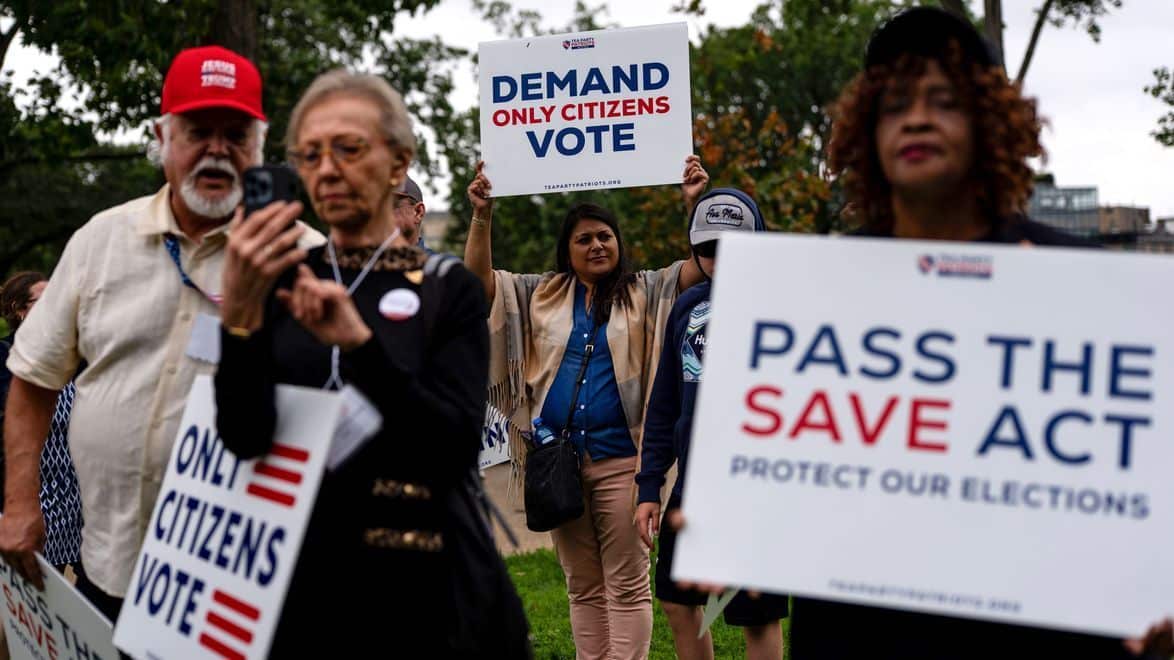
WASHINGTON, D.C. – After roughly a year of limited Senate action, the SAVE America Act is receiving renewed attention from Republican lawmakers and President Donald Trump. The House-passed election bill has not become law, but new procedural efforts and attempts to attach it to other legislation have put it back at the center of the Senate debate.
The measure would require documentary proof of U.S. citizenship when people register for federal elections and photo identification when they vote in person. Its supporters call those rules basic election safeguards. Opponents warn they could block eligible citizens, expose private voter information, and give the federal government more control over state election systems.
The bill’s next step depends on Senate procedure, Democratic opposition, and whether Republican leaders can find a path beyond the 60-vote threshold.
Key Takeaways
- The SAVE America Act has returned to the Senate agenda after months of stalled action.
- The House passed its version by a 218-213 vote, but the bill has not become law.
- Supporters want citizenship documents for registration and photo ID at the polls.
- Critics warn that documentation rules could burden eligible voters and state election offices.
- Senate passage still requires a successful procedural vote, negotiations, or attachment to another bill.
Why the SAVE America Act is suddenly moving in the Senate
The renewed push follows a long period in which the bill sat without a clear path through the Senate. Republican lawmakers kept the issue alive through public pressure, House action, and efforts to attach the measure to must-pass legislation.
The House-passed version cleared the chamber by 218-213, giving Republicans a narrow but important victory. President Trump then continued urging Senate Republicans to act, making the bill a priority ahead of the 2026 elections. Senate Majority Leader John Thune said on March 12 that he planned to bring the measure to the floor the following week.
The bill has appeared under several labels and bill numbers. Earlier congressional coverage identified Sen. Mike Lee’s Senate proposal as S. 128 in the 119th Congress. Current Senate tracking also lists a separate 2026 measure, S. 3752, introduced by Lee. The House companion, H.R. 22, is described on the congressional bill page as legislation requiring documentary proof of citizenship for federal voter registration.
That numbering matters because separate versions can follow different legislative paths. Political statements often refer to the overall proposal as the SAVE Act or SAVE America Act, while Congress uses individual bill numbers to track each measure.
The recent timeline shows renewed activity, but not passage:
- On March 17, the Senate opened debate in a reported 51-48 vote.
- On March 26, a cloture motion tied to Husted Amendment 4732 failed, with the vote reported as 53-47.
- A later attempt to attach the measure to an immigration funding package failed in a reported 48-50 vote.
- In July, House Republicans tried again to attach versions of the bill to State Department funding, the National Defense Authorization Act, and the Stop Insider Trading Act.
- As of July 20, no confirmed stand-alone Senate vote was scheduled, and the bill had still not passed the Senate.
That pattern explains the sudden movement. The legislation is active as a political and procedural issue, but Senate action has not produced a law.
The Senate rules that make passage difficult
The Senate can approve many actions with a simple majority. However, ending debate on most legislation usually requires 60 votes through a cloture motion.
That creates several separate stages. A majority may vote to begin debate, but that vote doesn’t pass the bill. Senators must still consider amendments, end debate, approve the final text, and send the measure to the House if the chambers have passed different versions. Only then can the president receive it.
The SAVE America Act faces this higher hurdle because Senate Democrats oppose it. Republicans hold a majority, but current reporting indicates they don’t have 60 votes to overcome a filibuster. Unless the two parties reach an agreement, the bill can remain on the calendar while failing to advance.
This distinction is central to the current headlines. A vote to open debate means the Senate is willing to discuss the bill. It doesn’t show that supporters have enough votes for final passage.
How recent votes changed the bill’s outlook
Supporters point to the opening vote and later procedural efforts as evidence that Republican leaders still have a route forward. They argue that repeated attempts keep pressure on Democratic senators and give Republicans opportunities to use larger funding bills as vehicles.
Opponents interpret the same votes differently. The failed cloture motion and the failed amendment vote show that the bill lacks the support needed to move under normal Senate rules. Sen. Alex Padilla’s office described the later defeat as another blocked Republican effort.
The conflicting descriptions come partly from separate votes on separate versions or amendments. One report may describe the vote to begin debate, while another covers a cloture motion or an attachment to a funding package. The most consistent current status is that the legislation has faced multiple procedural defeats and remains outside the statute books.
What the SAVE America Act would change for voters and states
The proposal would amend the National Voter Registration Act of 1993, often called the NVRA. Its rules would apply to federal elections, including elections for president, Congress, and other federal offices.
The bill would affect two points in the voting process. The first is registration, where applicants would need to provide documentary proof of citizenship. The second is voting, where people casting ballots in person would need an accepted photo ID.
Those requirements would add federal standards to systems that states now administer under a mix of state and federal rules. Election offices would need to decide how to collect documents, verify records, handle mismatches, and process exceptions. The details could affect millions of registration records even before Election Day.
State and local officials have also raised questions about cost, staffing, database access, and deadlines. The National Association of Counties has warned that county election offices would carry much of the administrative workload. The practical effect would depend on the final text and federal implementation rules.
The proposed changes also connect with wider debates over new voter ID laws for 2026, although state laws and the federal proposal are separate matters.
Proof of citizenship when registering to vote
Under the proposal, a person registering for a federal election would need documentary proof of U.S. citizenship. Possible records could include a birth certificate, passport, naturalization certificate, or other documents defined by the law and its implementing rules.
Republican sponsors say the requirement would prevent noncitizens from registering and make voter eligibility easier to verify. Their argument focuses on the principle that only U.S. citizens should participate in federal elections.
Critics don’t dispute that citizenship is required to vote in federal elections. Their concern is whether eligible citizens can produce the right paperwork at the right time. Some people don’t have a passport or an easily accessible birth certificate. Names may also differ after marriage, divorce, adoption, or other legal changes.
A registration application could face delay if a document is missing or a database cannot confirm the information. That means the law’s effect would depend heavily on accepted documents, replacement procedures, deadlines, and appeal rights.
Photo ID at the polls and voter-roll checks
The bill would also require photo identification for people voting in person. The accepted documents and exception process would determine how broad that rule became. Military personnel, travelers, and some people with health-related issues have been mentioned in coverage of proposed exceptions, but the final requirements would control.
The legislation includes voter-roll provisions that could expand database checks and information sharing. Reports have discussed the possible use of federal databases and coordination with the Department of Homeland Security. Those systems could help identify duplicate or incomplete records, but they could also produce errors when databases contain outdated names or addresses.
The Department of Homeland Security’s SAVE Program is a separate federal system used to verify immigration status for certain government programs. Proposals encouraging states to use or share information through that program are related to the broader debate, but they aren’t the same as the SAVE America Act.
Why supporters and opponents see the bill so differently
The argument isn’t limited to whether citizenship should be required for voting. Both sides also disagree about the scale of the problem, the proper role of federal agencies, and the risk of denying eligible voters access.
Supporters describe the measure as election integrity legislation. They say clear documentation and photo identification would strengthen verification, improve voter-roll accuracy, and reassure voters who question election administration.
Opponents say existing federal and state systems already prohibit noncitizens from voting. They argue that the proposal addresses a problem without enough evidence to justify new barriers. Groups such as the Brennan Center and the League of Women Voters have also raised concerns about federal control and voter privacy.
The voting access analysis from Vote.org describes the proposal as a major change to how Americans register and vote. Its opponents say the law could affect eligible voters who lack documents, have mismatched records, or cannot resolve an administrative error quickly.
Republican arguments for stricter election rules
Republican sponsors place citizenship verification at the heart of the bill. They argue that registration systems should confirm eligibility before a ballot reaches the voting process. Photo ID, in their view, adds a second check at the polling place.
Supporters also point to voter-roll maintenance. They say federal databases could help states identify records that require review and remove registrations from people who no longer qualify. The bill’s backers connect those measures to public confidence, especially after years of disputes over election administration.
Trump has proposed a major priority because it combines his claims about election security with a clear legislative demand. Congressional Republicans see the issue as a way to distinguish their party from Democrats before the 2026 midterms.
The argument remains political as well as administrative. Republican leaders believe voters want stronger safeguards. Democratic leaders say the bill would make voting harder without addressing a widespread problem.
Concerns about access, privacy, and federal power
Voting-rights groups warn that documentation rules could create problems for people who are eligible but lack accepted records. The Brennan Center has cited an estimate that more than 21 million Americans could face voting problems under strict documentation requirements. That figure is an advocacy estimate, not a confirmed prediction of how many voters would lose access under a final law.
The groups identify several populations that could face extra difficulty. Married women whose names differ across records, older voters with limited birth documentation, low-income citizens, and military families could need additional time or money to obtain proof. People born outside hospitals or those whose records are difficult to retrieve could face similar issues.
Privacy is another concern. Broader information sharing could place voter data in more federal systems. Errors could spread when databases exchange inaccurate or outdated information. Critics also question whether Congress should impose detailed election procedures on states that currently manage elections through state and local officials.
Supporters respond that the bill could include acceptable alternatives and correction procedures. Those safeguards would matter, but their value would depend on the final law, regulations, funding, and how quickly election offices could resolve disputes.
What happens next for the election integrity bill
Several paths remain possible. Senate leaders could schedule another vote and test whether any Democrats support a revised version. Negotiations could produce narrower provisions focused on citizenship records, photo ID, or voter-roll data.
Republicans could also continue attaching the measure to larger bills. Funding legislation and national defense packages are harder to ignore, but attachment tactics can trigger procedural fights and make bipartisan agreement less likely. The July efforts show that House Republicans are still pursuing that strategy.
A separate route could involve related proposals encouraging states to share voter-roll information with DHS through the SAVE Program. Those measures could advance even if the SAVE America Act remains blocked, but they wouldn’t create the same federal registration and identification requirements.
The next developments will depend on several concrete details:
- Whether Senate leaders schedule a new stand-alone vote.
- Whether supporters can reach the 60-vote threshold.
- Whether the bill changes during negotiations.
- Which documents and IDs the final text accepts.
- How states and counties would implement the rules.
- Whether courts challenge the law if Congress passes it.
The Senate’s actions matter, but so do the final legislative text and any implementation guidance. A campaign promise or committee statement cannot change voter requirements by itself.
Conclusion
A bill stalled for about a year has returned to the Senate fight through renewed debate, failed procedural votes, and House attempts to attach it to other legislation. President Trump and Republican leaders continue to push the measure, while Democrats remain opposed and the 60-vote hurdle remains in place.
The central distinction is simple: the SAVE America Act is still a proposed federal election rule, not a law in effect. Voters and election officials will need to follow official Senate actions, the final bill text, and agency guidance rather than relying only on campaign claims.
Trending News:
Robert Kennedy’s Health Agenda and the Future of America
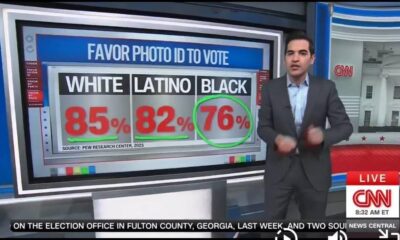
Democrats Push Back on the SAVE Act Despite 85% of Voters Backing Voter ID

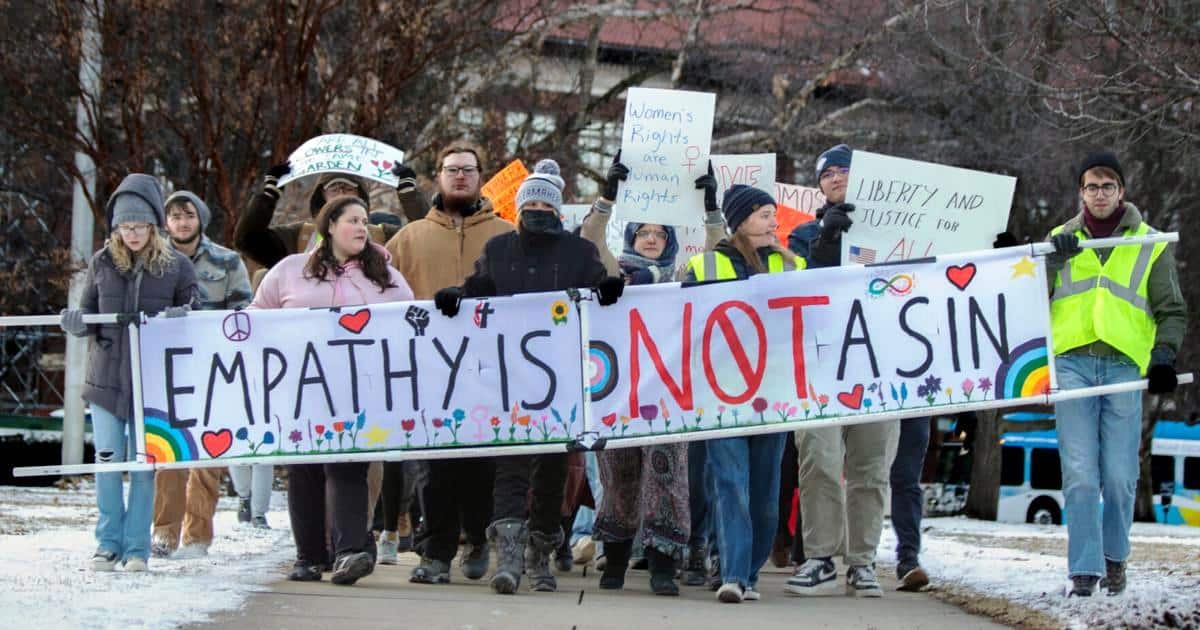
Is Modern Political Empathy Actually Just Hidden Narcissism?

US Trade Moves Put Massive Pressure on Canada

Canada Sheds 68,000 Jobs As Economic Fears Deepen

Pierre Poilievre Critiques Reporter Who Questions His Leadership
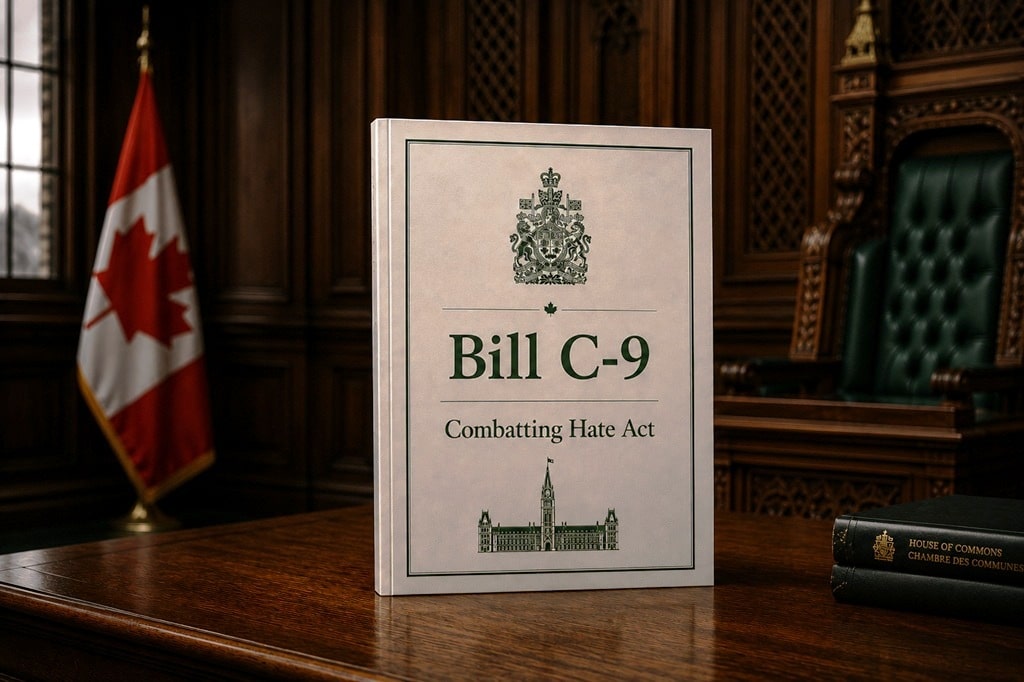
How Canada’s Combating Hate Act Stifles Free Speech

Uncovering the Truth Behind Inequality: A Bold New Vision

How Progressivism Replaced Religion With A New Secular Faith
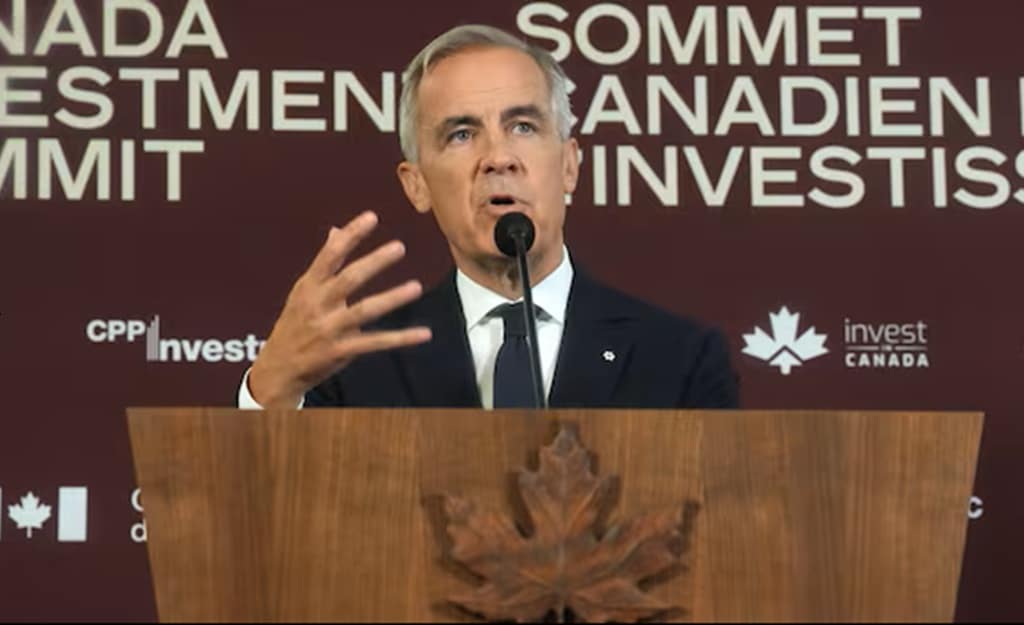
Behind Carney’s $1-Trillion Canada Investment Scheme

Poilievre Blasts Carney’s Plan To Sell Off Airports

Food Insecurity and Surging Prices: Canada’s Inflation Squeeze
Behind Carney’s $1-Trillion Canada Investment Scheme
How Progressivism Replaced Religion With A New Secular Faith
Uncovering the Truth Behind Inequality: A Bold New Vision
How Canada’s Combating Hate Act Stifles Free Speech
US Trade Moves Put Massive Pressure on Canada
Is Modern Political Empathy Actually Just Hidden Narcissism?

Jimmy Kimmel Slammed for “Vile” Melania Trump “Expectant Widow” Joke

President Trump Addresses Nation on War with Iran

Trump Warns NATO Allies: America Won’t Protect Slackers After Iran Clash

Senate Hearing on Fraud and Foreign Influence Turns Tense Over Minnesota Scandals

CNN Forced to Backtrack Its Reporting on Trump’s Iran Talks

Joe Rogan Slams Gavin Newsom for Mocking Nick Shirley

Mosque Set Ablaze in Iran a Citizens Revolt Against the Islamic Regime

AOC Accuses Jessie Watters of Fox News of Sexualizing and Harassing Her

JD Vance Exposes Walz’s Fraud and CNN’s Lies in White House Presser

Milestone Card Credit: How the Milestone MasterCard Can Transform Credit


-

 News9 months ago
China-Based Billionaire Singham Allegedly Funding America’s Radical Left
-
Crime10 months ago
YouTuber Nick Shirley Exposes BILLIONS of Somali Fraud, Video Goes VIRAL
-
Politics10 months ago
Ilhan Omar Faces Renewed Firestorm Over Resurfaced Video
-
Politics9 months ago
2026 Midterms Guide: Candidates, Key Issues, and Battleground States
-
Politics8 months ago
CNN Delivers Stark Reality Check to Democrats Over Voter ID
-
Politics8 months ago
Ilhan Omar’s Connections to Convicted Somali Fraudsters Surface
-
Politics7 months ago
Rep. Ilhan Omar Faces Heat as Minnesota Voters Seek Change
-
Politics8 months ago
Trump Approval Rating (February 2026 Poll Results, Approve vs Disapprove)