
Canada
Keith Wilson’s Alberta Independence Case on Trade

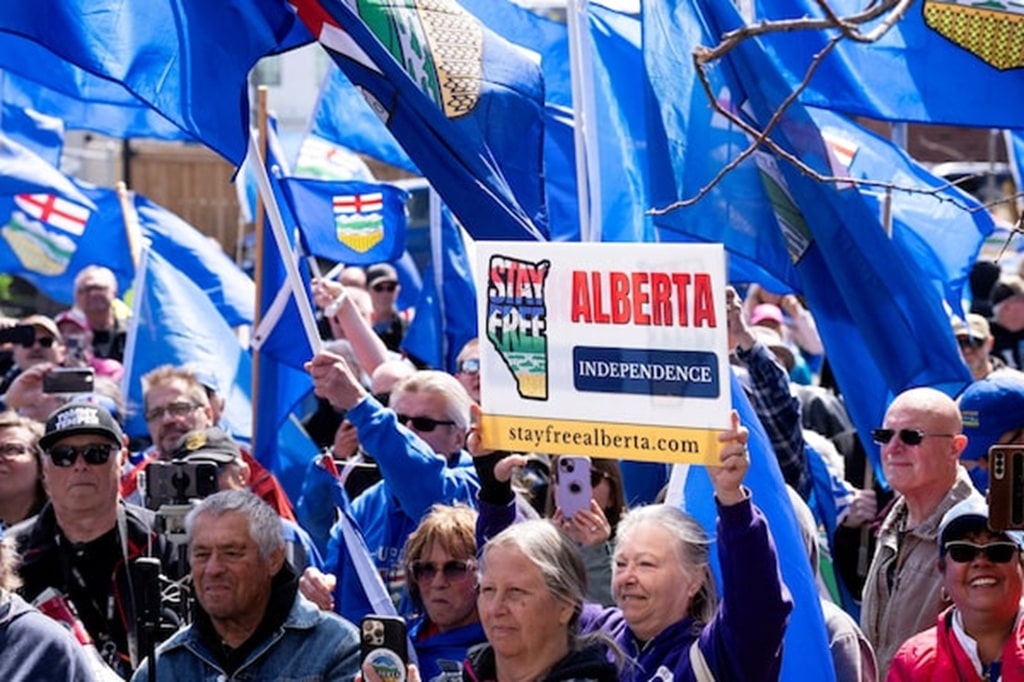
CALGARY, Alberta – When Canada faces pressure from its largest trading partner, Keith Wilson says Ottawa looks west for economic strength. In his view, the Canada-U.S. trade dispute has exposed Alberta’s bargaining power and weakened the claim that the province could not function as an independent country.
Wilson, a constitutional lawyer and co-founder of the Alberta Transition Council, connects the dispute to Alberta’s October 19 referendum. He argues that Alberta’s energy exports, resource industries, and close commercial ties with the United States give the province a stronger position than many critics acknowledge.
His argument centers on a practical question: if Alberta is important enough to be Canada’s economic tool in a trade fight, why should Albertans believe it cannot manage more of its own affairs?
Canada Looks to Alberta During Trade Conflict
Wilson’s response to independence skeptics
Wilson says supporters of Alberta independence have long heard the same objections: Alberta lacks the economic scale to stand alone, it cannot secure market access, or it depends too heavily on Canada.
The current trade conflict, he argues, produces a different picture. When Canada faces uncertainty in its relationship with the United States, federal and provincial leaders look to Alberta’s economy, particularly energy exports, for bargaining power.
“When Canada needs leverage, it turns to Alberta.”
In Wilson’s telling, that instinct is an acknowledgment that Alberta has a mature economy with an unusually important connection to the United States.
Pressure to use Alberta’s exports
Wilson points to comments from Ontario Premier Doug Ford, Manitoba Premier Wab Kinew, and federal officials as evidence that Alberta’s oil and resource exports are being considered part of Canada’s response to U.S. pressure.
The conflict puts Prairie producers in a difficult position. As Alberta’s position in the Canada-U.S. trade dispute shows, Alberta and Saskatchewan have opposed export restrictions and new duties because retaliation could hurt their producers more than it hurts the United States.
Wilson says central Canada’s manufacturing concerns should not be addressed by putting Alberta’s energy industry at risk. He argues that decisions about Alberta’s economy should be made by officials accountable to Alberta voters, rather than by political majorities in Ottawa.
Alberta’s Distinct Trade Relationship With the United States
A different economy than Ontario and Quebec
Wilson contrasts Alberta’s economy with the manufacturing-heavy economies of Ontario and Quebec. In his description, manufacturers in those provinces can benefit when they pay many costs in Canadian dollars but sell products into the United States in U.S. dollars.
A favorable exchange rate can reduce production costs relative to U.S. competitors. However, Wilson says Alberta’s relationship with the American market works differently because Alberta primarily supplies resources and processed goods that U.S. buyers need.
That distinction matters in a tariff dispute. Manufacturing supply chains may be vulnerable to cross-border tariffs, while Alberta’s importance rests on products that can be harder to replace quickly.
The products Wilson says Alberta supplies
Wilson says Alberta sells a broad range of goods into the U.S. market, including:
- Oil, natural gas, petrochemicals, plastics, and fertilizer.
- Beef, cattle, grain, sugar beets, and potatoes.
- Forestry products and other value-added resource goods.
He states that 86% of Alberta’s economy is directed south toward the United States. Wilson also argues that American buyers cannot easily replace certain Alberta exports, particularly energy and products made from natural gas.
He describes Alberta’s oil supply as more than a commercial asset. In his view, production stored underground in Alberta contributes to North American energy security because it can continue to supply U.S. markets.
The Risk of Making Alberta Energy a Bargaining Chip
Wilson’s export-tax warning
A major concern in Wilson’s address is the possibility of a federal export tax on Alberta oil shipped to the United States. He says the federal government has authority, rooted in measures that date back at least to the National Energy Program under Pierre Trudeau, to impose a tax by order in council.
Wilson claims a prime minister could impose a charge of more than $50 a barrel without first calling Parliament. That is a legal and political claim made in the context of his case for independence, rather than an independently established forecast of what the federal government will do.
His point is that Alberta could bear the immediate economic cost if Ottawa decides energy exports should be used to gain bargaining power in negotiations that mainly concern other regions.
The provincial costs Wilson anticipates
Wilson says an export tax or effort to withhold Alberta oil would damage Alberta’s economy while trying to protect manufacturing jobs and market access elsewhere in Canada.
He argues the possible effects would include:
- Hundreds of thousands of job losses.
- A steep decline in provincial revenues.
- Less funding for teachers, classrooms, health care, and social supports.
- Added pressure on funding for nurses, doctors, roads, and bridges.
His broader complaint is that Alberta could be asked to sacrifice its most important industry for a national strategy it did not choose.
Why Wilson Says Canada’s Structure No Longer Fits Alberta
Alberta has changed since 1905
Wilson argues that Canada’s federal structure made more sense when Alberta entered Confederation in 1905 and when it gained greater control over natural resources in 1930. At those points, he says, the province needed a much larger federal role.
Today, he sees Alberta as a major resource-producing economy with the capacity to take on more responsibility. His argument is not that an independent Alberta would face no difficult choices. Rather, he says Albertans should have direct control over the people making those choices.
That claim faces serious legal and political questions. The constitutional hurdles to Alberta independence include negotiations with Canada and concerns involving Treaty rights and First Nations.
Wilson’s accountability argument
Wilson says Alberta independence would place decisions about provincial laws, taxation, public spending, and economic policy in the hands of politicians elected in Alberta.
If voters disagree with those officials, he says, they could vote them out. Under Canada’s current constitutional order, Wilson argues that Alberta cannot remove the federal governments chosen by larger voting blocs in Ontario and Quebec.
He also says Alberta sends more to Ottawa than it receives in transfers, grants, and programs. Wilson estimates the net equalization-related cost to Alberta taxpayers at $20 billion to $30 billion, separate from federal money that later returns to the province through other programs.
Wilson’s equalization argument is that Alberta’s net fiscal contribution gives the province a reason to seek greater control over its own tax base and public spending.
What Wilson Says the October 19 Vote Will Decide
Option one and the status quo
Wilson frames the October 19 referendum as a choice with consequences beyond the wording on the ballot. In his view, a vote for option one would tell Ottawa that Albertans accept the current relationship with the federal government.
He says that message would include acceptance of higher taxes, deficit spending, inflation, affordability problems, current immigration policies, and what he calls a two-tier justice system. These are Wilson’s political assessments, and they form part of his campaign argument.
He also worries a strong option-one result could make Ottawa more willing to use Alberta’s energy exports in later trade negotiations.
Option two would not make Alberta independent
Wilson stresses that option two is not a vote for immediate independence. Instead, he describes it as a vote directing the Alberta government to take the next legal step toward an eventual referendum on independence.
In his view, an option-two result would tell Ottawa that Albertans want a different relationship with Canada and believe the province can do better.
Wilson links the timing to expected trade pressure. He says the effects of U.S. tariffs on Ontario and Quebec could be most severe in January 2027, which could increase demands for Ottawa to draw on Alberta’s economy after the October vote.
The Alberta Transition Plan Focuses on Daily Continuity
Preparing for a possible transition
Wilson and his colleague Dennis Kelma formed the Alberta Transition Council and brought together specialists to prepare working papers on what would happen if Alberta pursued independence.
The Alberta Transition Council’s working papers address the practical side of the proposal. Wilson says the document is intended to explain who delivers services today, what would change during a transition, and where continuity could be maintained.
It is not presented as a proposed constitution or a complete blueprint for a future Alberta government. Wilson says decisions about a military, veterans’ affairs, the final immigration system, and the long-term structure of government should belong to a future government chosen after Albertans make a decision on independence.
Questions the plan says it can address
Wilson says the working papers cover borders, immigration, currency, banking, monetary policy, policing, courts, agricultural research, agriculture, forestry, and oil and gas.
The transition plan is designed to address practical questions that often come up in the independence debate:
| Area | Question Wilson says the plan addresses |
|---|---|
| Banking | Would bank accounts and everyday banking continue? |
| Housing | Would mortgages change during a transition? |
| Courts | How would the existing court system continue? |
| Policing | Who would provide policing services? |
| Transportation | Who would manage services such as air traffic control? |
| Borders and immigration | How would those systems operate after a transition? |
Wilson’s answer on bank accounts and mortgages is simple: he says they would not change. The plan’s purpose, in his words, is to give people confidence that normal economic and social activity could continue with stability and predictability.
How the Let Alberta Decide Campaign Is Organizing
Signs, volunteers, and voter contact
Wilson says the Let Alberta Decide campaign is increasing its sign presence across the province. Because some supporters may not want campaign signs at their homes, he says the group has shifted attention toward larger signs placed in high-traffic areas.
The campaign uses sign crews to assemble frames, install signs, document placements, and report or repair vandalism. Wilson says the campaign tracks traffic counts when selecting locations.
Still, he says signs are only one part of the effort. The more important task is reaching people who have not decided how they will vote or are unsure whether they will cast a ballot.
Voting options and election roles
Wilson encourages voters who will be away for work, travel, or winter trips to use advance voting or a mail-in ballot. Elections Alberta has confirmed that the referendum is scheduled for October 19, 2026, and its referendum information page provides official details as dates and procedures are finalized.
Advance voting is available in the week before election day. Eligible voters can also request a special ballot by mail, according to Elections Alberta’s special-ballot request notice.
Wilson also calls for volunteers to assemble and install signs, as well as people with trucks and tools. He encourages supporters to register as scrutineers, who can observe ballot-box sealing and the vote count, or apply to work at polling stations. Elections Alberta’s voting options and regulations outline the official ways Albertans can vote.
The October 17 Rally at the Alberta Legislature
A final event before voting day
Wilson says Let Alberta Decide plans a rally at the Alberta Legislature on Saturday, October 17, at 3 p.m., two days before the referendum vote. The campaign has asked people to RSVP through its website so organizers can estimate attendance.
The event is intended to build support before voting day and before Thanksgiving weekend conversations about the referendum.
Wilson says planned speakers include himself, co-lead Tanya Clemens, Chris Scott of Let’s Talk Alberta and the Whistle Stop Cafe, John Bolton, BA Proud Dad, Derek Smith, and Corey Morgan. He says the event will feature short, fast-moving speeches and last about an hour and a half.
Buses from communities across Alberta
The campaign is also organizing bus travel for people coming from outside Edmonton. Wilson named Grande Prairie, Lloydminster, Wainwright, Red Deer, Medicine Hat, Lethbridge, and Calgary among the communities expected to have travel options.
He says the buses are meant to lower travel costs, make group travel easier, and reduce congestion near the legislature grounds.
Wilson’s Case Rests on Control and Continuity
Wilson’s argument begins with Alberta’s role in the Canada-U.S. trade dispute. He says the same economy Ottawa may seek to use in a trade fight is proof that Alberta has the commercial strength to consider a new constitutional relationship.
The Alberta Transition Plan is central to that case because it addresses the everyday concerns that follow any talk of independence, including banking, courts, borders, air travel, and public services. Economic strength alone does not settle the constitutional debate, but Wilson says it gives Albertans reason to consider whether decisions affecting Alberta should be made in Alberta.

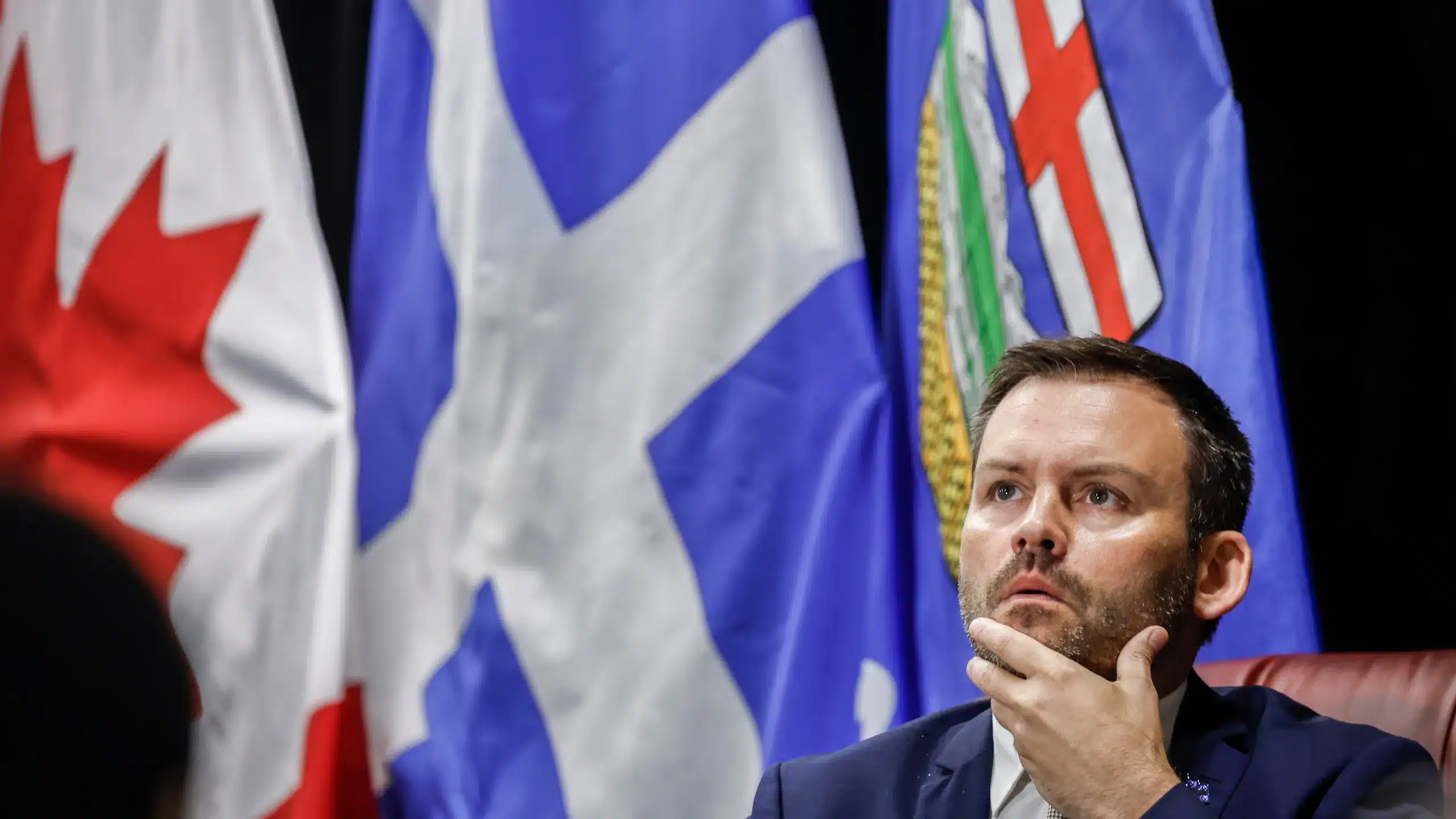
OTTAWA – The separatist Parti Québécois (PQ) has returned to power in Quebec. Following the historic October 5 election, they won 59 out of 127 seats. This surprising comeback ended a decade of decline for the independence movement.
Led by Paul St-Pierre Plamondon, the PQ defeated the ruling coalition. They now operate as a minority government requiring outside support. However, their core promise of an independence referendum faces massive challenges in a divided province.
Key Takeaways
- The Parti Québécois (PQ) won 59 seats in the October 5, 2026 election, forming a minority government.
- Support for a new independence referendum remains low, hovering around 30 percent across the province.
- Alberta is also pushing back against Ottawa, planning an October 19 referendum on potential separation steps.
The Parti Québécois Returns to Power in 2026
The October 5 election marked a massive shift in Quebec politics. The governing coalition was totally wiped out after eight years. They lost every single seat they previously held in the National Assembly.
Meanwhile, the PQ secured 59 seats across the province. This leaves them just five seats short of a full majority. It is an incredible political recovery for a party that won only three seats in 2022.
However, winning an election does not equal winning the battle for independence. Many voters supported the PQ for completely different reasons. Dissatisfaction with healthcare, housing shortages, and inflation drove much of the voter turnout.
In international politics, voters often back separatist parties just to demand local changes. This creates a difficult paradox for Premier Paul St-Pierre Plamondon. His party wants sovereignty, but most voters simply want better daily governance.
The PQ only captured about 28 percent of the popular vote. This directly matches recent polling showing independence support at just 30 percent. Therefore, this election is not a clear mandate to break away from Canada.
Governing as a Minority Power
Because they lack a majority, the PQ must govern very carefully. They need support from opposition parties to pass any major laws. This makes organizing a costly independence referendum incredibly difficult in the near term.
Furthermore, St-Pierre Plamondon has admitted he will not rush a referendum. The national unity caused by recent trade threats from the United States makes separation less appealing. The current timing is simply not right for a chaotic political divorce.
Still, controlling the provincial government gives the PQ massive advantages. They now possess the financial resources and public platform needed to rebuild their movement. They will likely use this power to slowly convince voters that independence is safe.
A Brief History of Quebec Separatism
To understand today’s political climate, we must look at history. Quebec is Canada’s largest province by area and second largest by population. It is home to roughly nine million people with a fiercely distinct cultural identity.
French is the official language and mother tongue for most residents. This unique identity traces back to French settlers arriving in the 16th century. For centuries, Quebec operated as the center of the French Empire in the Americas.
This era ended in 1760 when British forces conquered the territory. However, the British allowed the French-speaking locals to keep their language and Catholic faith. They also retained their distinct legal traditions under British rule.
When Canada officially formed in 1867, Quebec joined the new federation. The province was granted considerable autonomy to protect its unique culture. For the next century, Quebec nationalism focused strictly on defending these established rights.
The Quiet Revolution and Modern Nationalism
During the 1960s, Quebec experienced massive social and economic changes. This period, often called the Quiet Revolution, sparked a more aggressive form of nationalism. Many citizens began arguing that independence was the only way to protect their language.
This rising sentiment led directly to the creation of the Parti Québécois. The party organized the province’s first independence referendum in 1980. Voters decisively rejected the proposal to leave Canada at that time.
However, the separatist movement certainly did not die there. In 1995, the province held a second, highly dramatic referendum on sovereignty. The proposal to break away was defeated by an incredibly narrow margin.
Only 50.58 percent of voters chose to remain in Canada. After that stressful near-miss, support for statehood began to drop steadily. Economic fears and political exhaustion pushed modern voters away from the independence debate.
The Arguments for an Independent Quebec
The new PQ administration will work hard to prove independence is viable. They will highlight Quebec’s large, diverse population as a major strength. They will also point to the province’s highly developed, modern economy as proof of readiness.
Quebec possesses enormous hydroelectric resources that provide cheap, clean energy. The province already runs powerful institutions completely capable of governing an independent state. They even maintain international offices in various French-speaking countries worldwide.
The government will argue that independence is just a simple transfer of power. They want to move Ottawa’s remaining federal duties to existing local institutions. This framing makes the transition sound peaceful, administrative, and entirely risk-free.
Additionally, the PQ can use any future disputes with Ottawa to their advantage. They will frame federal disagreements as proof that Quebec’s interests remain unprotected. If relations with the Canadian government deteriorate, separatist support could quickly rebound.
The Massive Risks of Breaking Away
On the flip side, those against separation have very strong arguments. Even if an independent Quebec is possible, it might not be prosperous. The province’s economy is deeply connected to both Canada and the United States.
Breaking away from the federation would create instant economic uncertainty. Businesses would worry about market access, foreign investment, and trade tariffs. There are also massive questions about what currency a new Quebec would use.
Furthermore, a push for independence could deeply divide the local population. Montreal is a highly diverse, bilingual city that generally opposes separation. English-speaking residents and new immigrants usually prefer to remain firmly within Canada.
Critics wonder if an independence project aimed at one specific cultural group can succeed. Reaching across to other communities is essential for long-term national stability. Alienating Montreal could permanently damage the economic engine of the entire province.
The Legal Roadblocks to Leaving Canada
Leaving the country is not a simple political process. After the close 1995 vote, Canada’s Supreme Court delivered a very important ruling. They declared that Quebec has no legal right to break away unilaterally.
However, the court also ruled that the federal government must eventually negotiate. If a clear majority of voters demand separation, Ottawa cannot simply ignore them. This principle was later written into official Canadian constitutional legislation.
This means any successful referendum would only trigger years of complex talks. Diplomats would have to negotiate borders, citizenship rights, and national debt sharing. They would also need to settle trade rules and international treaty memberships.
Indigenous groups within Quebec add another massive layer of complexity. These First Nations communities would demand a voice in any separation talks. Many argue their territories cannot be removed from Canada without their explicit, legal consent.
Federal Power and Constitutional Duty
All these factors give the Canadian government strong legal grounds to resist. However, they cannot shut down the conversation if a vote successfully passes. Ignoring a clear democratic mandate would undermine Canada’s own foundational constitutional principles.
The federal government must walk a very delicate political tightrope. They have to defend the country’s unity while respecting provincial democratic rights. This balance is becoming much harder to maintain in the current political climate.
Alberta Also Pushes Against the Federation
The situation becomes even more complicated when looking across the country. Quebec is no longer the only province openly discussing ways to separate. Out West, Alberta is also challenging the current federal structure in major ways.
On October 19, 2026, Alberta will hold a highly anticipated provincial referendum. Voters will decide if the government should start the legal process of separating. According to recent Leger polling, 70 percent of Albertans actually want to remain in Canada.
Although a clear majority wants to stay, the political frustration is very real. Anger over federal energy policies and national wealth distribution fuels this western movement. Many Albertans feel Ottawa completely ignores their economic contributions and unique regional struggles.
Currently, the Alberta government officially supports remaining a part of Canada. The upcoming referendum is seen more as a tool to force serious negotiations. They want to extract better financial terms from the federal government regarding resource management.
A Two-Front Battle for Canadian Unity
These twin challenges place enormous pressure on the Canadian federal government. Dealing with separatist movements at opposite ends of the country is incredibly taxing. It forces Ottawa to constantly defend the very concept of the federation.
There is also a severe risk that this regional anger could spread further. If Quebec and Alberta win major concessions, other provinces might make identical demands. This could slowly reshape how the entire Canadian national government operates daily.
Even without full independence, these regional movements hold immense political power. By making separation look like a credible threat, they force Ottawa to listen. They can completely hijack national debates and pull massive funding back to their regions.
Will Quebec Actually Separate This Time?
So, will the province finally leave Canada after this recent election? Based on recent political analysis, that dramatic outcome seems highly unlikely in the short term. The PQ won the election, but they did not win majority support for sovereignty.
Their minority status means they will struggle to even pass basic daily laws. Securing enough legislative backing to fund and hold a referendum is a massive hurdle. Even if they hold one, current polling suggests they would easily lose the vote.
However, completely dismissing the October election results would be a huge mistake. Political landscapes can shift rapidly when economic conditions worsen or federal relations sour. The PQ is now perfectly positioned to slowly rebuild their fractured national movement.
The immediate question is not whether Quebec is packing its bags tomorrow. It is whether the PQ can turn daily frustrations into a true desire for statehood. They want to convince voters that Canada is the absolute root of their problems.
The Future of the Canadian Federation
Ultimately, the survival of Canada depends heavily on how Ottawa responds. The federal government must actively prove that the federation still works for everyone. They need to show that remaining together offers more security than breaking apart entirely.
The next few years will test the strength of the Canadian constitution. With both Quebec and Alberta pushing boundaries, the current federal system must adapt. Canada might need to fundamentally rethink how power is shared between the local provinces.
If the federal government fails to address regional concerns, separatism will naturally grow. The idea of independence might fade again, just as it did after 1995. But for now, the fierce debate over Canada’s future is officially back on the table.
How Independence Would Impact Everyday Life
If Quebec eventually voted to leave, daily life would change drastically. Citizens would face immediate questions about their passports and official national identities. The complex transition period would likely take up to a decade to finalize completely.
Healthcare funding would also become a massive issue during the political divorce. Currently, federal tax transfers help support provincial medical systems across all of Canada. A new sovereign government would have to cover all these massive costs internally.
Furthermore, international travel and trade would face strict new regulations. The province would need to establish its own distinct border control and customs agencies. Cross-border workers might suddenly require special visas just to commute to Ontario daily.
The financial sector would likely face the most severe immediate shocks. Banks and large corporations despise uncertainty and might relocate their headquarters elsewhere. This corporate flight could rapidly cost the local economy thousands of high-paying jobs.
The Question of Currency and Trade
One of the biggest debates involves the future currency of an independent Quebec. Would they keep the Canadian dollar or create their own specific money? Sharing a currency with Canada without having federal voting power is highly risky.
Trade agreements like the USMCA would also have to be completely renegotiated. The United States might demand tough concessions before letting a new nation join. This could severely hurt local farmers and manufacturers who rely heavily on southern exports.
Despite these terrifying risks, hardcore supporters believe the long-term benefits easily outweigh the costs. They argue that full control over immigration and taxes would create lasting prosperity. They envision a modern, green economy built around their massive hydroelectric power grids.
The Role of Demographics in the Separation Debate
Demographic shifts are making the path to independence much harder to achieve today. The younger generation of voters did not experience the fierce constitutional battles of 1995. Many of them prioritize climate change and affordable housing over endless sovereignty debates.
Additionally, the province relies heavily on immigration to continually boost its workforce. Newcomers generally arrive wanting to join Canada, not tear it apart. They often view the separatist movement as an exclusive, historically closed-off political project.
The PQ has tried desperately to rebrand sovereignty to appeal to newer residents. They argue that independence is about protecting local culture, not excluding outsiders. However, winning over immigrant voters remains a massive, ongoing challenge for the party leadership.
Meanwhile, the rural regions remain the absolute strongest base for the independence movement. These areas strongly identify with traditional French-Canadian culture and pioneer history. Bridging the massive political gap between rural voters and urban Montreal is thoroughly exhausting.
Language Laws and Cultural Preservation
At the very heart of the independence movement is the French language. Separatists believe that remaining in English-dominated North America directly threatens their linguistic survival. They argue that only a sovereign nation can truly protect its fragile mother tongue.
Recent provincial governments have already passed strict new language protection laws. These rigid rules mandate the use of French in most businesses and public services. While highly popular with nationalist voters, these laws often frustrate the English-speaking minority.
The PQ claims these strict laws are entirely necessary but ultimately insufficient. They believe federal bilingualism policies constantly undermine local efforts to promote French natively. For them, statehood is the ultimate, permanent shield against total cultural and linguistic assimilation.
Frequently Asked Questions (FAQ)
What is the Parti Québécois (PQ)?
The Parti Québécois is a major provincial political party operating in Canada. Their primary, foundational goal is to achieve total political independence for the province of Quebec.
When did the PQ win the latest election?
They won a minority government in the provincial election held on October 5, 2026. This stunning victory ended a decade of political struggle for the sovereignty movement.
What was the result of the 1995 referendum?
The 1995 referendum was incredibly close and highly dramatic for the entire country. The proposal for independence was narrowly defeated, with 50.58 percent voting “no.”
Can a Canadian province legally leave the country?
The Supreme Court ruled that a province cannot break away unilaterally without permission. However, if a clear democratic majority votes to leave, the federal government must negotiate.
Is Alberta also trying to leave Canada?
Alberta is holding a referendum on October 19, 2026, regarding early separation steps. While frustration with Ottawa is intensely high, 70 percent of Albertans currently want to stay.
Will there be another Quebec referendum soon?
It is highly unlikely in the immediate, foreseeable future. The PQ only holds a minority government and lacks the overwhelming public support needed to win.
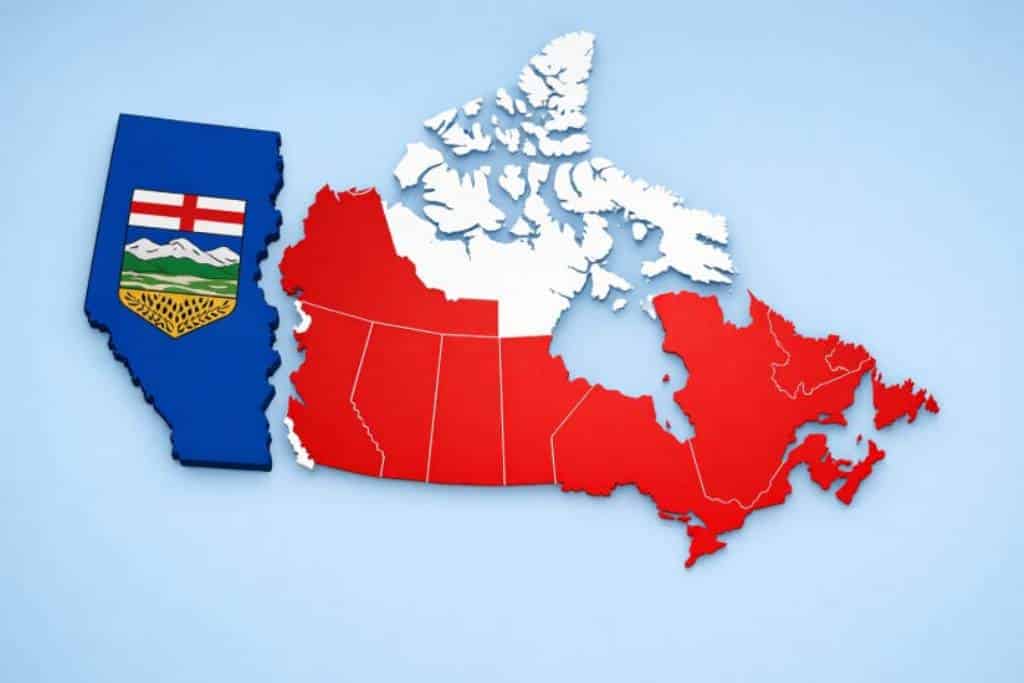
CALGARY – Why are some Alberta leaders calling for a path toward independence? Frustration with Ottawa has fueled the campaign, with separatists arguing that Alberta should have more control over its resources, revenues, and provincial decisions. Their case includes claims about federal pipeline approvals and the province’s relationship with the rest of Canada, as Keith Wilson’s argument for Alberta independence illustrates.
But support for separation isn’t the same as a decision to leave Canada. The October 19, 2026, referendum question asks whether to begin a legal process for a later vote on independence, not whether Alberta should separate immediately. The arguments behind the campaign, the steps a referendum could trigger, and the legal hurdles ahead help explain what’s at stake.
Key Takeaways
- Alberta separatist leaders say the province needs more control over its resources, revenue, and decisions, arguing that Ottawa has not addressed its concerns.
- The campaign has drawn wider attention, including public support for Alberta independence.
- Alberta’s referendum is scheduled for October 19, 2026. The separation question asks whether to begin the legal process for a later binding vote, according to Elections Alberta.
- A vote to start that process would not make Alberta independent or automatically trigger a binding separation referendum.
- Any lawful secession would require constitutional negotiations. A referendum result alone cannot take Alberta out of Canada.
Why Alberta separatist leaders say it’s time to leave Canada
Alberta separatist leaders make a case built around money, energy policy, and provincial authority. They argue Ottawa has failed to respect Alberta’s economic interests and constitutional powers. Those are campaign arguments, not settled facts or evidence that most Albertans support independence.
They say Alberta’s energy wealth does not bring enough back
Separatists argue that Alberta’s oil and gas wealth helps fund Canada, while the province gets too little in return. They often point to federal spending, transfers, and the equalization program when they describe Alberta as a net contributor. However, claims about Alberta’s overall net contribution depend on how revenues and federal spending are counted. A campaign estimate should not be treated as an agreed accounting figure.
Equalization also works differently from the way some campaign rhetoric suggests. The federal government pays for the program from general revenues, rather than sending Alberta a direct bill or collecting a separate equalization payment from the province. Alberta has not received equalization payments since 1965. The federal government explains how the program is funded in its overview of the Equalization Program.
That distinction does not settle the wider debate over federal finances. Separatists say Alberta’s economic contribution and its influence over federal decisions do not feel balanced. Their complaint is about the broader fiscal relationship, not a direct transfer from Alberta to equalization. For context, federal budgets include equalization alongside other major transfers to provinces, as this review of federal spending reports explains.
Pipeline delays and environmental rules fuel anger at Ottawa
Alberta is landlocked, so its oil producers need pipelines, rail, or other routes to reach customers beyond the province. Separatists argue that federal approval delays and opposition to pipeline projects limit access to coastal export markets. They see that constraint as a problem for Alberta’s ability to sell its resources and develop its energy sector.
Campaigners also criticize federal environmental rules, which they say can make energy development harder or less predictable. That criticism reflects their view of Ottawa’s role; it does not establish that any single law or review process caused a specific economic loss. Pipeline decisions can involve federal and provincial governments, regulators, companies, and affected communities.
For separatists, the issue reaches beyond a particular project. They argue that Alberta should have more say over how its resources are produced and transported. The province’s push for new export routes is also part of broader political disputes over energy policy and trade, including Alberta’s call for faster West Coast pipeline development.
Some campaigners see a wider fight over provincial control
The separation argument also concerns who gets to make decisions about natural resources and other provincial matters. Separatists say Ottawa has used its authority in ways that restrict Alberta’s choices. Their supporters often describe independence as a way to put more power in the hands of Alberta’s government.
Alberta Prosperity Project leader Mitch Sylvestre has said a major change in Alberta’s relationship with Ottawa could affect his group’s campaign. He has also said that without such change, the push for independence would continue. His comments show how campaign leaders connect specific disputes to a larger demand for greater control, as CBC News reported on Sylvestre’s position.
That remains a campaign position, not proof that Albertans broadly agree. People can object to federal policies or want more provincial authority without supporting separation. The campaign’s argument is that leaving Canada could resolve those disputes; whether voters accept that claim is a separate question.
How Alberta’s separation campaign and 2026 referendum question work
Alberta’s separation debate involves three distinct steps: a citizen petition, the October referendum question, and a possible later binding referendum. The distinction matters because signing a petition or choosing to start a legal process does not itself make Alberta independent.
The petition campaign helped bring separation onto the ballot
Stay Free Alberta, led by Mitch Sylvestre, sought a direct vote on whether Alberta should leave Canada. CBC reported that the petition gathered 222,600 verified signatures. The Alberta Prosperity Project, a leading separatist organization, has also helped organize and promote the independence campaign.
Alberta changed its citizen-petition rules in July 2025. The required number of signatures fell from 294,000 to 177,000, and the collection period grew from 90 to 120 days. Those rules made it easier for a petition to reach the threshold, but a petition is still a request for government action, not a referendum result.
The campaign’s petition later faced a legal challenge. A court quashed its approval, and Premier Danielle Smith said her government would appeal the ruling. CBC’s report on the court decision details the dispute over whether the petition could proceed.
A choice to begin the process would not create independence
Elections Alberta lists October 19, 2026, as the referendum date. The ballot asks voters whether Alberta should remain a province of Canada or whether the provincial government should begin the constitutional legal process required to hold a later, binding referendum on separation. A timeline of Alberta’s referendum campaign explains how the question reached the ballot.
This is a two-option question, not a simple yes-or-no vote on immediate independence. Choosing the option to begin the process would direct the government to pursue the steps needed for a later binding vote. It would not make Alberta independent, nor would it settle whether voters would support separation in that later referendum.
That distinction also separates the October ballot from the original citizen petition. The petition asked for a direct referendum on leaving Canada; the October question asks whether the government should begin the legal process for holding one.
Danielle Smith’s role is different from the campaign’s
Separatist organizers promoted the Stay Free Alberta petition, while Smith’s government set the question for the provincewide referendum. After the court quashed the petition, Smith said she would appeal. She then added the process question to the October ballot, presenting it as a way for voters to decide whether the government should take the next legal step.
A separate pro-Canada effort, called Forever Canada by Smith, asked Albertans to support remaining in Canada. In her October 9 address, Smith said the two petitions together represented about 700,000 signatures. That was her approximate combined figure, not a single certified count of verified signatures. The transcript of Smith’s address describes the two campaigns and her reasoning for putting the process question to voters.
The petitions expressed opposing positions, but neither one by itself decided Alberta’s future. The October vote is the next decision point, and its result will determine whether the government is asked to pursue a later binding referendum.
What could make Alberta’s path to independence difficult
Even if Albertans vote to start a separation process, the vote would leave major legal and political questions unresolved. Treaty rights, constitutional negotiations, and public support would all shape what happens next.
A court ruling put First Nations treaty rights at the center
On May 13, 2026, Alberta Court of King’s Bench Justice Shaina Leonard quashed the approval of the citizen petition seeking a separation referendum. Leonard found errors in the petition’s approval process and concluded that Alberta had a duty to consult First Nations before allowing it to proceed. In her reasoning, separation could affect treaty rights, including rights under Treaties 7 and 8. CBC’s report on the ruling describes the court’s decision.
The ruling did not decide whether Alberta can or should separate. However, Premier Danielle Smith’s government is appealing, and the decision remains binding unless an appeal court overturns or clarifies it. The order quashed the citizen petition, while the separate government-sponsored referendum question is a different process.
Consultation matters because treaty relationships involve the Crown, and changing Alberta’s constitutional status could affect how those relationships and related rights are recognized. Any separation plan would have to address Indigenous peoples’ rights, rather than treating them as a question to settle after negotiations. Indigenous concerns already feature in provincial energy disputes, including First Nations’ concerns in Alberta pipeline negotiations.
Leaving Canada would require more than a provincial referendum
A provincial vote cannot, by itself, settle Alberta’s place in Canada. The Supreme Court of Canada’s Reference re Secession of Quebec says a clear majority on a clear question would create an obligation to negotiate, not an automatic right to leave. The negotiations would have to follow constitutional rules, and the federal Clarity Act sets out how the federal government considers a referendum question and majority clear.
The talks would raise practical questions with no settled answers. They could involve the division of federal assets and liabilities, borders, citizenship, the status of federal institutions, and the rights of Indigenous peoples. The parties would also have to determine what constitutional changes are required and how to approve them. No definitive timetable or agreed formula for Alberta’s separation has been established, so no particular outcome can be assumed.
Polling shows a gap between campaign claims and province-wide support
Poll results distinguish broad provincial opinion from the views of committed separatists and some UCP voters. A CBC-commissioned poll found that 23% of respondents supported voting to start the legal process for a later binding referendum, while 72% preferred that Alberta remain in Canada. CBC’s coverage of Janet Brown’s poll reported different results among people who said they would vote UCP: 53% supported starting the process, and 40% preferred staying in Canada.
Those subgroup figures do not describe the province as a whole. Separatist leader Mitch Sylvestre has also offered a personal estimate of 40% to 65% support for a later binding vote. That estimate is his projection, not a poll result, and it measures a different question from the CBC survey. The distinction matters: support for considering a future vote does not necessarily mean support for separation itself.
Frequently Asked Questions
Can Alberta legally leave Canada?
Alberta cannot become independent through a provincial vote alone. Under the Supreme Court of Canada’s secession framework, a clear majority voting on a clear question would create an obligation to negotiate, not an automatic right to leave. Any separation would require constitutional negotiations and a legal process.
Does Alberta pay equalization directly to other provinces?
No. Equalization is a federal program paid for from general federal revenues, not a direct payment from Alberta to other provinces. Separatist critics may describe Alberta as a net contributor to Canada, but that broader fiscal claim is different from saying Alberta directly funds equalization.
Is Danielle Smith leading the separatist movement?
No. Premier Danielle Smith’s government placed a question about starting the legal process on the ballot, while independence advocacy is led by outside organizers, including Mitch Sylvestre and the Alberta Prosperity Project. Smith has said she would vote to remain in Canada, and CBC reported her pledge about a second referendum.
What happens if voters reject the referendum question?
The October 19 question asks whether to begin the legal process for a later binding separation referendum. If voters reject that option and choose to remain in Canada, Smith has said she would not call another separation referendum while she remains premier. That would not prevent future governments from revisiting the issue.
Do most Albertans support separation?
Available provincewide polling shows more support for remaining in Canada than for starting the process toward a later vote. A Janet Brown Opinion Research poll found 23% supported starting the process, while 72% preferred that Alberta remain in Canada. Results vary by poll and voter group, and organizers’ estimates of support are not survey findings.
Conclusion
Alberta separatist leaders point to energy policy, fiscal arrangements, and provincial control as reasons to consider leaving Canada. However, frustration with Ottawa, support for starting a referendum process, and a clear mandate for independence are different things.
Court challenges, treaty rights, constitutional negotiations, and public opinion will shape what happens next. The October vote is a decision about whether to begin a legal process for a later referendum, not a decision to separate. The outcome will show how far Albertans are willing to take the debate, while the question of independence remains unresolved.

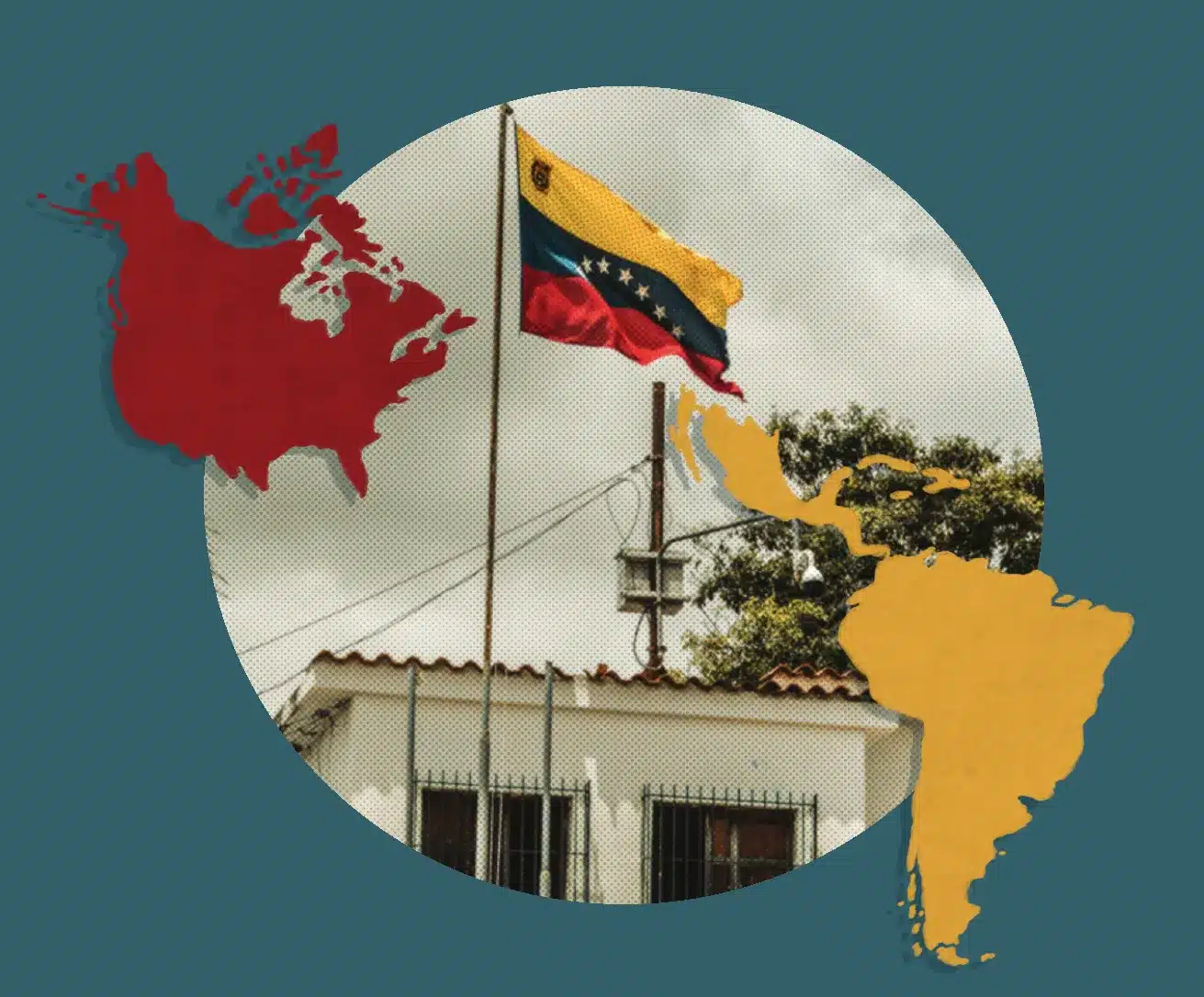
VANCOUVER – As right-wing political movements gain momentum across South America, international observers are carefully analyzing what this ideological pivot means for the rest of the world. From the stunning economic reforms in Argentina to the highly contested presidential election in Brazil, voters are decisively rejecting decades of leftist governance.
In a recent in-depth interview on Juno News, Venezuelan-Canadian political commentator Cesar Guarte shared his unique perspective on these dramatic geopolitical shifts. Drawing from his firsthand experience living under socialist regimes, Guarte offered stark warnings about parallel political trends currently emerging within the Canadian government.
Key Takeaways
- South American voters are driving a massive right-wing shift in response to historic fiscal mismanagement, institutional corruption, and skyrocketing crime rates.
- Political commentators warn that Canada’s current policies regarding media regulation and civilian disarmament strongly mirror early warning signs from Venezuela.
- Record immigration levels and heavy economic regulations are increasingly straining Canada’s infrastructure while simultaneously suppressing entrepreneurial growth and domestic productivity.
The Right-Wing Surge Across South America
The political landscape of Latin America is undergoing a seismic transformation that few mainstream political analysts fully anticipated. For nearly two decades, leftist political parties utterly dominated the continent, promising expansive social programs and widespread wealth redistribution. However, the harsh reality of fiscal mismanagement, rampant corruption, and rising crime has left many of these nations struggling to survive.
Now, the political pendulum is swinging aggressively in the opposite direction across the entire region. In Brazil, Flávio Bolsonaro has secured a spot in the upcoming presidential runoff against incumbent Luiz Inácio Lula da Silva. A diverse field of over a dozen candidates competed in the first round, reflecting a highly fractured political landscape that is desperate for stable leadership.
This potential victory for the Bolsonaro camp represents a much larger regional trend toward conservative economic and social policies. Guarte suggested this regional shift might be partially linked to the Trump administration aggressively cutting off international funding to non-governmental organizations. These specific activist groups had allegedly been funneling massive amounts of cash to left-wing political factions across the continent.
The Turning Point in Brazil’s Election
Brazil serves as a perfect microcosm for the broader societal frustrations currently bubbling up throughout South America. As an incredibly large nation wealthy in natural resources and featuring a highly educated population, Brazil possesses immense global economic potential. Unfortunately, the country has been repeatedly hampered by devastating systemic issues, including widespread poverty, organized crime, and deep institutional corruption.
Guarte highlighted that it is essentially impossible to justify how ordinary Brazilians are currently living given the vast wealth their nation possesses. Voters are clearly expressing their deep dissatisfaction at the ballot box by actively supporting more economically focused political platforms. Flávio Bolsonaro has introduced a comprehensive package of economic measures designed to stimulate growth, reduce bureaucratic waste, and aggressively tackle corruption.
Historically in Brazil, the candidate who secures the lead in the first round of voting almost invariably wins the final runoff election. With a remarkably strong performance in early October, Bolsonaro appears firmly on track to secure the presidency in the coming weeks. If he successfully defeats Lula, it will cement a massive victory for right-wing politics and potentially reshape the economic future of the continent’s largest economy.
Argentina’s Historic Economic Miracle
Perhaps the most glaring and dramatic example of this regional political pivot can be found in Argentina under the leadership of Javier Milei. For roughly fifty years, the ideology of Peronism heavily influenced Argentina, leading to a bloated public sector and catastrophic economic instability. The nation, despite boasting immense agricultural wealth and a massive industrial base, was completely paralyzed by unsustainable government spending.
The economic crisis became so extraordinarily severe that citizens literally raced to pay for groceries before the prices changed within minutes. The previous government was aggressively printing money to fund its massive social programs, operating with absolute disregard for basic fiscal discipline. Citizens eventually reached a profound breaking point where they felt they had absolutely nothing left to lose by embracing a radical alternative.
Javier Milei stepped into this unprecedented chaos with a bold promise to take a metaphorical chainsaw to bloated government waste. Although western media consistently predicted his political demise, he has managed to stabilize the economy and attract massive foreign investment. By delivering transparent, honest governance and making incredibly hard economic choices, Milei is actively turning the struggling country around.
Reversing Decades of Hyperinflation
The sheer scale of Argentina’s previous financial mismanagement is truly something that will be studied in university economic textbooks for generations. At its absolute worst, the country was experiencing staggering hyperinflation that exceeded 200 percent, effectively wiping out the entire middle class. Milei’s remarkably swift actions to slash government bloat and restore faith in the national currency have fundamentally changed the country’s economic trajectory.
Guarte emphasized that this specific success story has provided immense hope to right-leaning political parties throughout all of Latin America. Conservative leaders now realize that they can win major elections, implement strict fiscal discipline, and actually improve the daily lives of their citizens. They no longer feel compelled to passively accept leftist economic theories that have repeatedly failed the region over the past thirty years.
While it is exceptionally difficult to reverse fifty years of systemic mismanagement overnight, Argentina is finally back on the right path. Milei has retained significant political support from the working class, proving that citizens are willing to endure short-term pain for long-term stability. This modern blueprint for economic recovery is currently being closely monitored by political leaders from Colombia to Brazil.
United States and Venezuela Relations
Meanwhile, the complex geopolitical situation in Venezuela has taken a fascinating turn under newly established diplomatic and economic realities. The United States has recently begun cutting highly lucrative new export deals with Venezuela, specifically focusing on critical resources like oil and aluminum. These bilateral agreements mark a massive departure from previous years of strictly enforced economic sanctions and deep diplomatic hostility.
This unexpected shift follows the dramatic ousting and capture of former Venezuelan leader Nicolás Maduro, who now faces severe criminal charges in New York. The Trump administration played a highly strategic role in facilitating this historic transition and establishing immediate economic ties. Guarte noted that these quiet back-channel negotiations were absolutely essential for ensuring a relatively peaceful and democratic transition of power in Caracas.
While some international observers are surprised by the speed of these new trade deals, they represent a highly pragmatic approach to foreign policy. Reintegrating Venezuela into the global economy is a crucial first step toward rebuilding the entirely shattered South American nation. By opening up vital exports to the United States, the newly formed Venezuelan administration can begin generating the capital desperately needed for domestic recovery.
Media Control Warnings For Canada
While South America diligently works to rebuild its democratic institutions, Guarte expressed deep concern about the current political trajectory in Canada. Having formally immigrated to Canada in 2015 to escape the oppressive Chavez and Maduro regimes, he is highly sensitive to subtle government overreach. He pointed out that while Canada undoubtedly remains a free country, several recent policy trends are incredibly worrisome for long-term democratic stability.
The most glaring issue is the Canadian government’s increasing desire to tightly regulate and monitor the independent media landscape. Guarte drew direct historical parallels between the current government’s media policies and the early censorship tactics utilized by socialist leaders in Venezuela. Creating official state lists of “verified” and “trustable” news organizations is a highly dangerous practice that inherently marginalizes independent and alternative journalists.
When a federal government essentially dictates which media outlets its citizens should trust, it creates a heavily manipulated and deeply biased public narrative. State-funded broadcasters are automatically elevated and promoted, while critical independent outlets are unfairly flagged as purveyors of potential misinformation. This subtle form of narrative control is exactly how authoritarian regimes initially consolidate power before attempting much more overt forms of press censorship.
The Danger of Eroding Gun Rights
Another major area of deep concern for political observers like Guarte is the Canadian government’s aggressive push to severely restrict legal firearm ownership. In recent years, Canada has introduced sweeping federal legislation aimed at banning various types of firearms and severely restricting lawful sporting activities. Legislation like Bill C-21 has fundamentally changed the landscape for legal gun owners, despite significant political pushback from rural and indigenous communities.
Guarte warned that widespread civilian disarmament was a primary tactical maneuver used by the Venezuelan government right before they began violently repressing their citizens. Initially, the state argued that private citizens did not need weapons because the police and military forces would adequately protect them. Eventually, this highly flawed logic was expanded to cover nearly all firearms, leaving the general civilian population completely defenseless against unchecked state violence.
Guarte emphasized that statistically, there is very little correlation between the number of legally owned firearms in Canada and the overall level of violent crime. The vast majority of deadly gun violence is committed by gang members using illegal weapons smuggled directly across the United States border. By heavily targeting peaceful legal owners rather than funding border security, critics argue the government is prioritizing political optics rather than genuine public safety.
Stifling Entrepreneurship With Red Tape
Beyond valid concerns regarding core civil liberties, the current economic climate in Canada is becoming increasingly hostile to small business owners and independent entrepreneurs. Guarte, who operates his own private company, noted that the sheer volume of bureaucratic red tape is actively strangling grassroots economic growth. The federal government appears heavily invested in micro-regulating businesses, making it exceptionally difficult and incredibly expensive to simply open and operate a company.
While recent federal government announcements have offered various tax incentives, these benefits primarily favor massive, highly capitalized corporations that can easily afford dedicated compliance teams. Small and medium-sized enterprises are left completely incapable of fronting the exorbitant financial costs associated with navigating constantly changing federal regulations. This heavy regulatory burden actively prevents ordinary citizens from unleashing their full entrepreneurial power, which ultimately harms the broader Canadian economy.
In stark contrast, the United States has made significant, concerted efforts to slash unnecessary government regulations and reduce bureaucratic barriers to entry. By dramatically lowering the operational cost of doing business, the American economy has fostered rapid innovation and allowed startup companies to become profitable much faster. If Canada stubbornly refuses to modernize its economic rulebook, it will undoubtedly continue losing its brightest entrepreneurial minds to its southern neighbor.
The Politicization of Mass Immigration
Perhaps the most hotly debated public policy in Canada today is the unprecedented surge in mass immigration orchestrated by the federal government. Since 2015, the national population has swelled by millions, placing an absolutely crushing financial burden on housing, healthcare, and basic municipal infrastructure. Guarte views this not simply as an administrative failure, but as a calculated political strategy designed to artificially import future loyal voters.
This massive influx of incredibly cheap labor has effectively annihilated the overall productivity of the Canadian labor force by artificially suppressing working-class wages. Highly educated immigrants are frequently forced to take minimum-wage jobs at the very bottom of the economic pyramid just to survive in expensive cities. Consequently, the widely anticipated tax revenues and economic productivity the government initially promised simply have not materialized in any meaningful or sustainable way.
Meanwhile, Canada is quietly experiencing a massive exodus of its own native citizens, with roughly ten thousand young people leaving the country every single month. These highly skilled young professionals have completely given up hope of ever affording a home or achieving upward mobility in the current economic system. Canada’s immigration process, which was once the absolute envy of the western world, has tragically devolved into a highly politicized and deeply broken system.
Understanding the Importance of Free Information
A recurring historical theme in the gradual decline of democratic nations is the intentional suppression of free information and basic consumer choices. Beyond traditional media censorship, excessive government regulation often extends into deeply personal lifestyle choices and completely legal adult consumer products. For instance, public health policies frequently restrict adult access to vital information regarding effective harm reduction and legally available safer alternatives.
In Canada, incredibly strict communication bans actively prevent citizens from learning about potentially life-saving nicotine alternatives, such as heated tobacco or oral smokeless products. Despite a rapidly growing body of peer-reviewed scientific evidence suggesting these alternative products are substantially less harmful than combustible cigarettes, the government severely restricts public awareness. Adult consumers are essentially treated like helpless children, completely banned from accessing the critical information required to make their own informed health decisions.
This highly paternalistic approach perfectly mirrors the broader authoritarian mindset that actively seeks to control every minor aspect of daily civilian life. When a federal government arbitrarily decides that its citizens cannot be trusted with basic scientific information, it fundamentally undermines the very concept of a free society. Ultimately, Canadians deserve the fundamental human freedom to access scientific data, intelligently evaluate the potential risks, and make autonomous choices regarding their own personal health.
A Crossroads For Canada
The profound political transformations currently occurring across South America offer a fascinating global glimpse into the complex mechanics of societal change and economic recovery. Voters in Brazil and Argentina have clearly demonstrated that decades of fiscal irresponsibility will eventually be met with a massive, undeniable public backlash. They are actively choosing harsh economic truths and strict fiscal discipline over the highly comforting but ultimately destructive promises of leftist populism.
For Canada, the critical lessons drawn from these South American experiences serve as a highly important warning about the inherent dangers of unchecked state overreach. Whether it involves centralizing media control, disarming law-abiding citizens, or deeply mismanaging immigration, the current national trajectory is undeniably causing deep societal fractures. The fundamental question remains whether Canadian voters will recognize these early warning signs and demand a swift return to pragmatic, transparent, and accountable governance.
As brilliant young Canadians continue to flee the country and local entrepreneurs struggle endlessly against bureaucratic red tape, the need for a political correction grows exponentially stronger. The recent success of bold leaders like Javier Milei definitively proves that reversing national decline is entirely possible with immense courage and strong political will. Ultimately, Canada must decide if it will humbly learn from international history, or if it is tragically destined to repeat the exact same mistakes.
To learn more about the profound economic reforms sweeping across South America, check out this deep dive on Javier Milei’s economic impact on Argentina. This report provides excellent background context regarding the hyperinflation crisis and the radical fiscal changes currently stabilizing the nation’s battered economy.
Trending News:
US Trade Moves Put Massive Pressure on Canada
How Canada’s Combating Hate Act Stifles Free Speech


Mark Carney’s Million Dollar Wind Up and Nickel Delivery

Mark Carney Faces Ethics Backlash Over Heat Pumps

Quebec Election 2026: Will the Province Leave Canada?

Why Alberta Separatist Leaders Say It’s Time to Leave Canada

South America’s Political Shift: A Good Lessons For Canada

Is Modern Political Empathy Actually Just Hidden Narcissism?
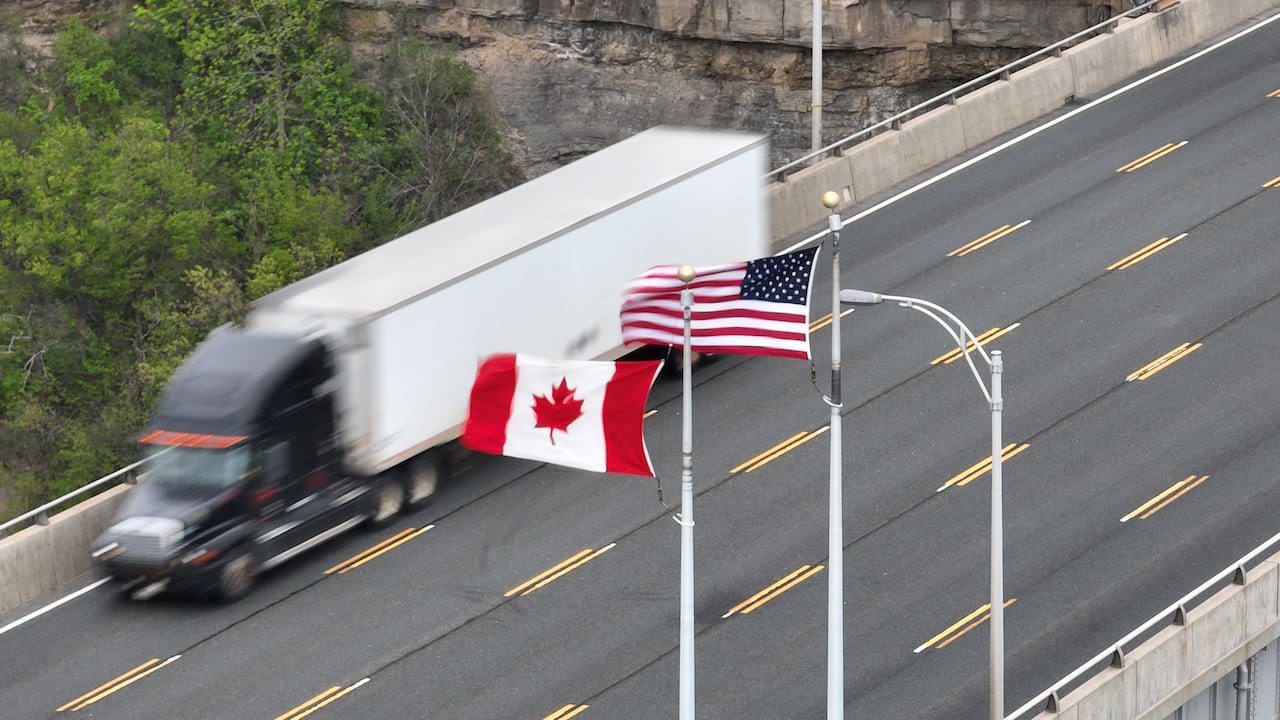
US Trade Moves Put Massive Pressure on Canada
Canada Sheds 68,000 Jobs As Economic Fears Deepen
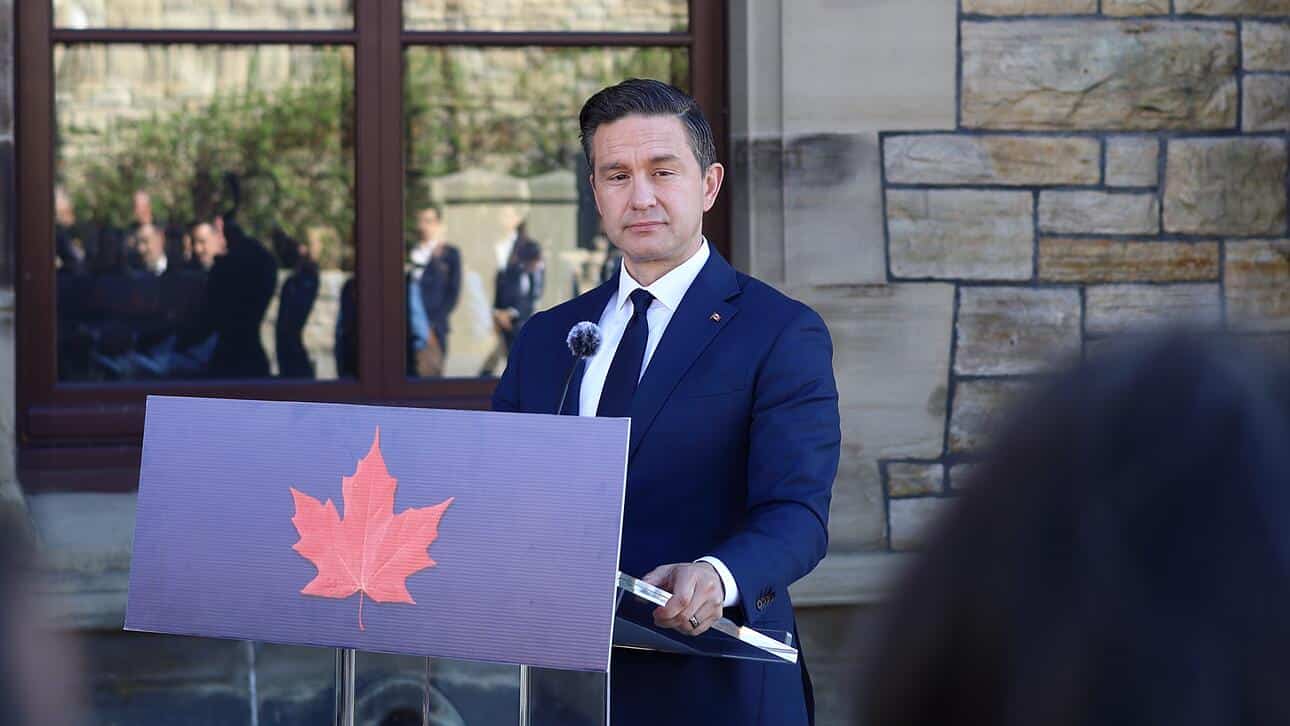
Pierre Poilievre Critiques Reporter Who Questions His Leadership
How Canada’s Combating Hate Act Stifles Free Speech
Is Modern Political Empathy Actually Just Hidden Narcissism?
Pierre Poilievre Critiques Reporter Who Questions His Leadership

Uncovering the Truth Behind Inequality: A Bold New Vision
Canada Sheds 68,000 Jobs As Economic Fears Deepen
US Trade Moves Put Massive Pressure on Canada

How Progressivism Replaced Religion With A New Secular Faith
How Canada’s Combating Hate Act Stifles Free Speech
Behind Carney’s $1-Trillion Canada Investment Scheme
Poilievre Blasts Carney’s Plan To Sell Off Airports
South America’s Political Shift: A Good Lessons For Canada

Jimmy Kimmel Slammed for “Vile” Melania Trump “Expectant Widow” Joke

President Trump Addresses Nation on War with Iran

Trump Warns NATO Allies: America Won’t Protect Slackers After Iran Clash

Senate Hearing on Fraud and Foreign Influence Turns Tense Over Minnesota Scandals

CNN Forced to Backtrack Its Reporting on Trump’s Iran Talks

Joe Rogan Slams Gavin Newsom for Mocking Nick Shirley

Mosque Set Ablaze in Iran a Citizens Revolt Against the Islamic Regime

AOC Accuses Jessie Watters of Fox News of Sexualizing and Harassing Her

JD Vance Exposes Walz’s Fraud and CNN’s Lies in White House Presser

Milestone Card Credit: How the Milestone MasterCard Can Transform Credit


-

 News9 months ago
China-Based Billionaire Singham Allegedly Funding America’s Radical Left
-
Crime10 months ago
YouTuber Nick Shirley Exposes BILLIONS of Somali Fraud, Video Goes VIRAL
-
Politics10 months ago
Ilhan Omar Faces Renewed Firestorm Over Resurfaced Video
-
Politics9 months ago
2026 Midterms Guide: Candidates, Key Issues, and Battleground States
-
Politics8 months ago
CNN Delivers Stark Reality Check to Democrats Over Voter ID
-
Politics8 months ago
Ilhan Omar’s Connections to Convicted Somali Fraudsters Surface
-
Politics7 months ago
Rep. Ilhan Omar Faces Heat as Minnesota Voters Seek Change
-
Politics8 months ago
Trump Approval Rating (February 2026 Poll Results, Approve vs Disapprove)