


CALIFORNIA – A quiet effort by party insiders to position former Vice President Kamala Harris as the frontrunner for the 2028 Democratic presidential nomination has sparked a fierce backlash. Activists, donors, and local officials across the United States are raising concerns about the proposal, warning that clear structural adjustments are needed before committing to a future candidate.
The resistance highlights deep disagreements within the Democratic Party following recent electoral losses. While some party leaders believe Harris deserves another chance to lead, a growing number of strategists argue that clearing the field too early would ignore the voters’ desire for a competitive, open primary process.
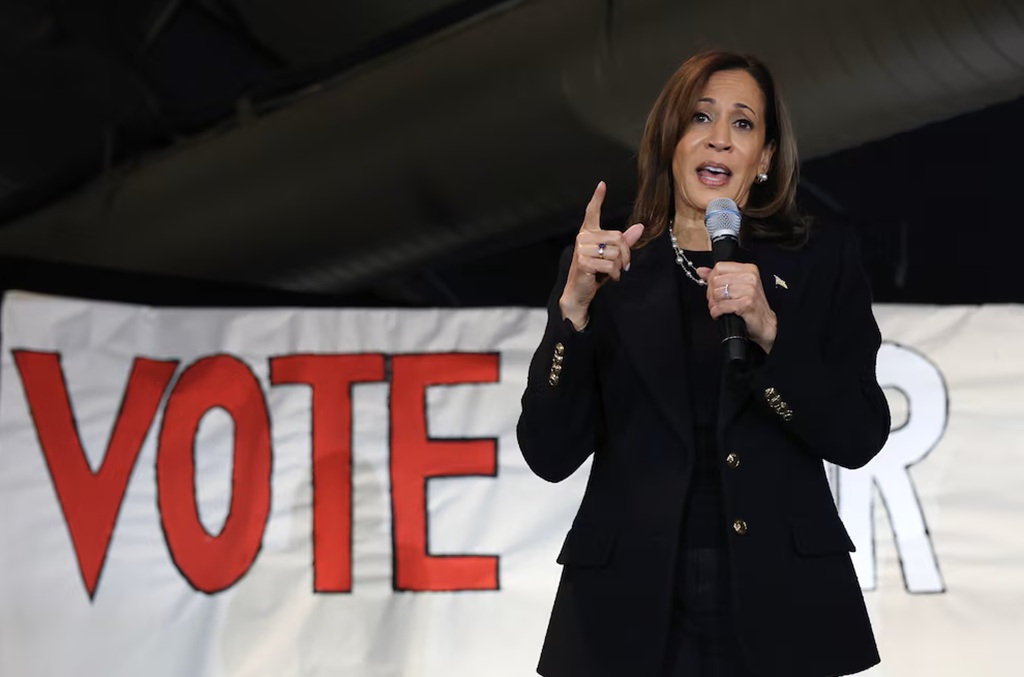
The friction began when political organizers and close allies started laying the groundwork for a potential Harris comeback. During recent appearances, including comments captured at a civil rights conference shared by the Washington Post, Harris herself acknowledged the possibility, stating that she “might” run for president again.
Supporters argue that Harris holds a unique advantage because she has high name recognition and an established national donor network. Proponents of the strategy believe these assets would give the party a strong head start against its political opponents. However, critics counter that relying solely on past prominence overlooks the fresh perspectives that new candidates could offer.
Why Party Insiders Are Resisting
The pushback is coming from multiple factions within the party, ranging from progressive activists to moderate strategists. The primary concern is that bypassing a traditional primary process alienates everyday voters who want a say in choosing their nominee.
Political analysts point out that clearing the path for a candidate without an open debate can weaken the nominee in the general election. Several key reasons drive the current internal opposition:
- Desire for an Open Primary: Activists want a robust debate featuring a wide range of voices, rather than an implicit coronation by party officials.
- Electoral Track Record: Critics frequently cite the outcome of the 2024 presidential election, arguing that the party needs a strategy focused on winning back working-class voters in swing states.
- Shifting Policy Priorities: Younger voters and progressives are calling for a reassessment of core platforms, particularly on economic issues, climate change, and foreign policy.
The resistance to a pre-determined nominee is amplified by the rise of other prominent Democratic figures. Many party members are eager to see a primary that includes governors and senators who have won tough races in competitive states.
According to data compiled on the 2028 United States presidential election Wikipedia page, a long list of potential contenders has already generated media interest or expressed tentative curiosity about entering the race. This group includes California Governor Gavin Newsom, Kentucky Governor Andy Beshear, and Arizona Senator Mark Kelly.
While some high-profile figures, such as Michigan Governor Gretchen Whitmer, have publicly taken themselves out of the running, the remaining pool of potential candidates ensures that any attempt to clear the field for Harris will face steep competition. The presence of these alternative leaders gives voters choices, making an early endorsement strategy highly controversial.
Historical Challenges and Public Perception
History also presents a steep hurdle for any defeated nominee attempting a political comeback. Analysts frequently note that candidates who lose a general presidential election rarely return to secure their party’s nomination in a subsequent cycle, as voters often prefer a fresh face.
Early public opinion metrics have added to the skepticism. For instance, reports tracked by media outlets like Forbes highlighted early preference polls where Harris trailed other state and national figures among key Democratic demographics.
For many party insiders, these numbers suggest that securing the nomination will require a grueling campaign rather than an automatic consensus.
The Democratic National Committee (DNC) finds itself under intense internal pressure to manage the upcoming primary cycle fairly. A post-election autopsy report noted by regional outlets like ClickOnDetroit has already forced the party to look critically at its messaging and leadership structure.
To rebuild trust with the electorate, many local leaders are demanding clear rules that guarantee equal access for all candidates. They argue that a transparent process is the only way to heal the rifts exposed by recent campaigns and build a unified front for the next election.
Whether Harris decides to officially enter the race or not, the current backlash sends a clear message to Washington insiders: the rank-and-file members of the party want an open, democratic process to decide their future, not a plan orchestrated behind closed doors.
Trending News:
Jill Biden Tries to Rewrite History on Joe’s Debate Disaster
Democrat Megadonor Exposes How Clueless Kamala Harris Campaign Really Was