Canada
Food Bank Lines Surge in Canada While Carney Pushes Foreign Aid


OTTAWA – Canada is facing a deep domestic crisis. Record numbers of citizens are turning to local food banks just to survive. Yet, the federal government seems focused on matters far beyond its own borders.
Leaders in Ottawa are actively looking to expand the nation’s foreign aid footprint. They are stepping in to fill gaps left by changing United States policies. Many taxpayers are now asking if this global generosity is coming at their own expense.
Key Takeaways
- Millions of Canadians rely on free food and charity to meet their basic daily needs.
- The federal government plans to increase foreign aid spending to offset shifting US priorities.
- A looming trade war and rising tariffs threaten to devastate Canadian small businesses and consumers.
The Push for More Foreign Aid
The Canadian government sees a unique opportunity on the global stage. Recent shifts in American policy have created a void in international development funding. United States leaders have adopted a more transactional approach to foreign donations.
Now, American foreign aid must clearly benefit the American economy. This shift has prompted Canada and the European Union to step up. According to Randeep Sarai, the Liberal government’s parliamentary secretary, the opportunities are endless.
Officials want to use taxpayer dollars to entice private sector investments abroad. The initial goal is to seed international projects using public funds. Eventually, they hope private corporations will take over the financial heavy lifting.
Critics are sounding the alarm over this ambitious global agenda. They argue that a large portion of international aid never reaches the people who actually need it. Instead, they claim much of the money gets lost in administrative costs or corruption.
Some studies suggest that only a small fraction of foreign aid reaches the ground. The rest often ends up enriching local elites or paying for bloated organizational overhead. This reality makes the government’s push for more foreign spending hard to swallow.
Furthermore, giving away massive amounts of money does not always buy international goodwill. The United States is historically the most generous nation on earth. Yet, American foreign policy is still heavily criticized and resented in many parts of the world.
A Domestic Crisis Ignored
While Ottawa looks outward, a severe crisis is unfolding at home. Canada simply does not have an endless supply of money or resources. The country is dealing with finite wealth, and the current economic situation is grim.
Right now, many Canadians are struggling to afford basic necessities. Skyrocketing living costs have left countless families unable to pay their bills. They are forced to make impossible choices between heating their homes and buying groceries.
It is a painful reality that many working-class citizens are now relying on charity. According to Food Banks Canada, demand for food assistance has reached unprecedented levels. Millions of people are literally begging for free food to stay alive.
This stark contrast between domestic suffering and international spending is angering voters. Critics argue that taxpayer money should first and foremost benefit the Canadian people. They wonder why the government is chucking money around the world without a clear return on investment.
Many believe that charity must begin at home. In this context, spending millions on foreign projects feels like a direct insult to struggling families. People waiting in unemployment lines are growing increasingly frustrated with the government’s priorities.
Citizens are demanding a serious conversation about how public funds are allocated. They want clear metrics showing how foreign aid directly improves their own lives. Without these answers, the push for global philanthropy seems completely tone-deaf.
Questionable Global Investments
Government departments often face pressure to spend their entire annual budgets. If they do not spend the money, they risk receiving less funding the following year. This use-it-or-lose-it mentality can lead to highly questionable financial decisions.
Bureaucrats are sometimes tasked with finding ways to distribute millions of dollars quickly. This rush can result in funding projects that seem absurd to the average taxpayer. Examples include spending Canadian tax dollars on gender-equal rice farming in Cambodia.
Another heavily criticized initiative involved funding ski schools in Lebanon. While programs like childhood vaccinations are universally supported, these fringe projects draw intense ire. They offer absolutely no tangible benefit to the Canadian taxpayers who fund them.
The lack of transparency and common sense in these investments is staggering. Working families cannot understand why their hard-earned money supports industrial work in China. They would rather see those funds used to rebuild infrastructure in their own communities.
This disconnect highlights a deep divide between everyday citizens and government officials. Politicians seem eager to signal their virtue on the global stage. Meanwhile, the people they represent are left dealing with the harsh economic fallout.
You can read more about the ongoing debates over federal spending priorities in recent coverage by Global News. As public outrage grows, leaders will face increasing pressure to justify these exotic expenditures. The spotlight is firmly on their financial choices.
The Looming Trade War
The economic pressure on Canadians is not just coming from internal taxation and spending. The country is also navigating incredibly turbulent trade relations with the United States. The era of completely tariff-free trade under the old USMCA rules appears to be ending.
The United States is actively working to re-industrialize its own economy. American leaders are using tariffs to generate massive federal revenue and protect local manufacturing. Experts estimate these tariffs could bring over $240 billion into the US Treasury by 2025.
Canada is transitioning into a brand new, unpredictable trading relationship with its southern neighbor. No one knows exactly what this new system will look like or how long it will last. However, experts agree that we are not going back to the way things were.
To fight back, the Canadian government has implemented its own retaliatory tariffs. Politicians love to boast about standing up to American economic aggression. However, economists warn that these counter-measures are nothing more than political theater.
Trevor Tombe, a noted economist, points out that Canada’s retaliation is largely symbolic. These tariffs are too small to significantly impact the massive United States economy. They represent a tiny fraction of a percent of the American Gross Domestic Product.
Unfortunately, these symbolic gestures come with a very real price tag. The people actually paying for these retaliatory tariffs are Canadian consumers. According to the Financial Post, these policies cost consumers roughly $100 million every single week.
Small Businesses Bear the Brunt
The ongoing trade disputes are causing massive collateral damage across the country. Small and medium-sized businesses are taking the hardest hits in this economic battle. Thousands of local firms have been directly broadsided by the ongoing uncertainty.
The Canadian Federation of Independent Business reports that a third of its members are suffering. These small business owners report major negative impacts from the Canada-US trade war. The median cost for an affected small business is a staggering $80,000 per month.
This financial burden is completely unsustainable for most local operations. Nearly one in five exporting members have been negatively affected by the trade tensions. For many, the threat of permanent closure is becoming a terrifying reality.
Business owners are warning that they cannot survive much longer under these conditions. Almost 30 percent of affected small firms fear they will have to shut their doors permanently. If the trade war lasts another year, the economic devastation will be widespread.
Many of these struggling companies are deemed too small to qualify for federal support programs. They fall through the cracks of the government’s economic safety net. Consequently, they are left to weather this massive financial storm entirely on their own.
Small business leaders are desperately urging the government to return to the bargaining table. They want politicians to secure a stable trade agreement as quickly as possible. The livelihoods of thousands of workers depend on a swift resolution.
Political Theater Over People
Many political commentators believe the government is intentionally dragging out these trade disputes. Standing up to the United States plays very well with certain voter demographics. It creates a powerful narrative that helps boost the ruling party’s polling numbers.
This strategy allows politicians to look tough on television and in the media. Networks like CBC News often highlight these political showdowns, feeding into an echo chamber. However, this tough talk does absolutely nothing to help struggling families or closing businesses.
Critics argue that the government views the Canadian public as acceptable collateral damage. As long as the political points are scored, the economic suffering is ignored. This cynical approach to leadership is eroding public trust in federal institutions.
The so-called Laurentian elite and mainstream media outlets often cheer on these political fights. They are insulated from the real-world economic consequences of tariffs and trade wars. They do not have to worry about the rising cost of groceries or losing their small businesses.
This echo chamber prevents meaningful policy changes from taking place. Everyday citizens are left wondering what it will take to end this cycle of political manipulation. Some wonder if a massive change in government is the only way to restore common sense.
Until politicians prioritize the needs of their own citizens over global posturing, the pain will continue. Canadians deserve a government that focuses on fixing the domestic crises right in front of them. Funding endless foreign aid while citizens starve is a policy that simply cannot endure.
Reassessing National Priorities
Ultimately, the nation stands at a critical crossroads. The choices made today regarding foreign aid and international trade will echo for generations. Leaders must carefully weigh their global ambitions against their domestic responsibilities.
Taxpayers are no longer willing to write blank checks for questionable overseas projects. They demand high levels of accountability and clear proof that their money is being used wisely. Most importantly, they want assurance that their own communities will not be left behind.
The stark imagery of food bank lineups should serve as a wake-up call to politicians. It is impossible to build a strong international presence on a crumbling domestic foundation. A nation must first secure the well-being of its own people before attempting to save the world.
Canadians are known for their deep compassion and willingness to help others in need. However, that generosity is being stretched to its absolute breaking point by current economic policies. It is time for a drastic reassessment of what truly matters to the future of the country.
If the government refuses to change course, the voters will eventually force their hand. The growing resentment over rising costs and wasted tax dollars cannot be ignored forever. Political survival will ultimately depend on listening to the desperate cries of everyday citizens.
Trending News:
Bruce Pardy Says The Canada You Remember Is Now Gone
Carney’s Rosy Economy Narrative Clashes With Hard Reality


Carney’s US Trade War a Failure: Cost Shoppers $100M Weekly

Food Bank Lines Surge in Canada While Carney Pushes Foreign Aid

EU Parliament Erupts Over Canada’s Associate Member Bid

David Eby Campaign Stumbles Amid Mailer Scandal

Alberta Referendum Results Shift as Vote Tally Continues

Fedeal Investigators Obtain Ilhan Omar’s DNA

Has Mass Immigration Has Destroyed Canadian Society

Carney’s Rosy Economy Narrative Clashes With Hard Reality

Bruce Pardy Says The Canada You Remember Is Now Gone

Cost of Living in Canada vs. USA: Which Is Cheaper?
Opinion: Is Modern Political Empathy Really About Self-Image?
Opinion: Canada’s Combating Hate Act Threatens Free Speech
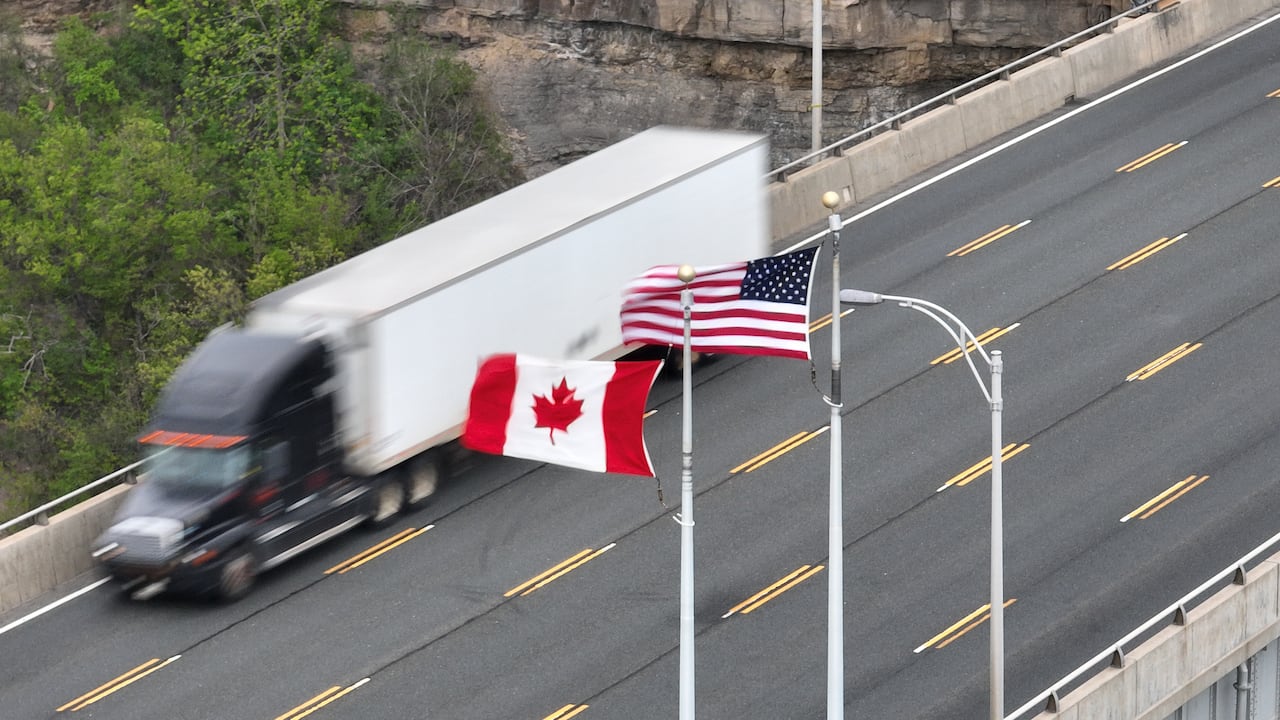
US Trade Moves Put Massive Pressure on Canada

How Progressivism Replaced Religion With A New Secular Faith
Canada Sheds 68,000 Jobs As Economic Fears Deepen

Uncovering the Truth Behind Inequality: A Bold New Vision
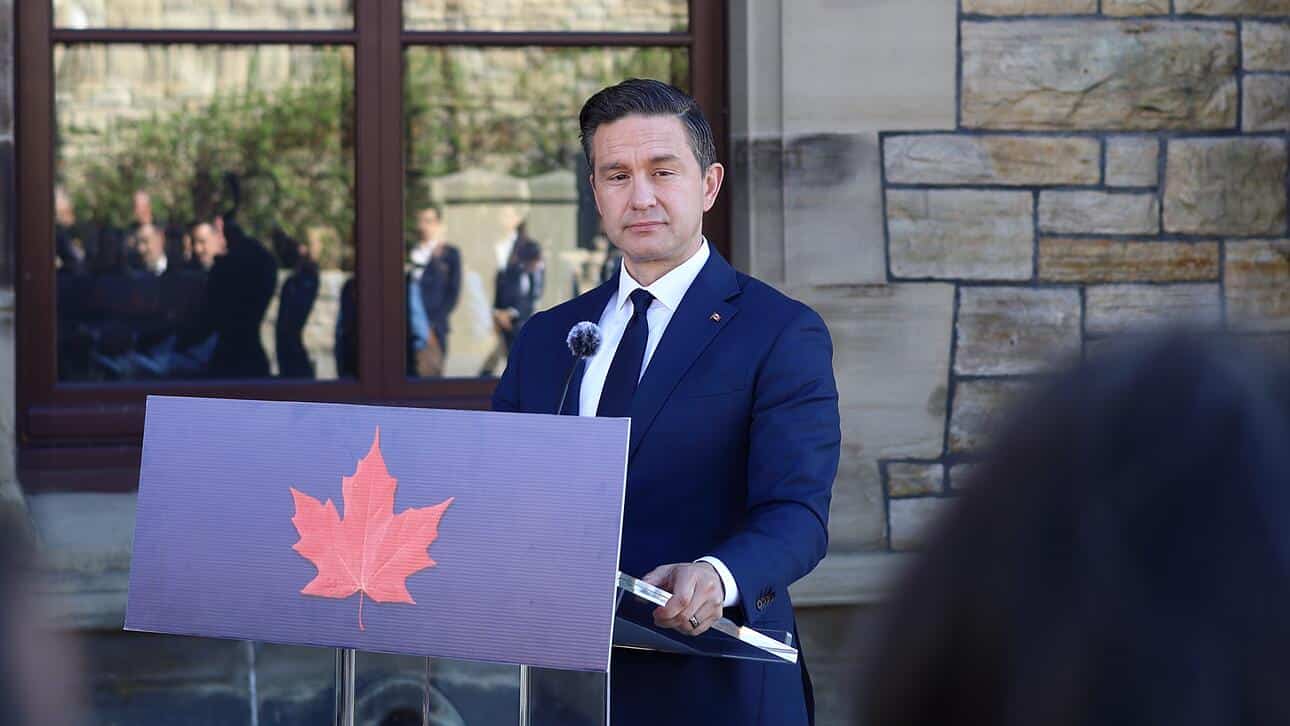
Pierre Poilievre Critiques Reporter Who Questions His Leadership

Opinion: What South America’s Political Shift Means for Canada

Why Alberta Separatist Leaders Say It’s Time to Leave Canada

Quebec Election 2026: Will the Province Leave Canada?

Jimmy Kimmel Slammed for “Vile” Melania Trump “Expectant Widow” Joke

President Trump Addresses Nation on War with Iran

Trump Warns NATO Allies: America Won’t Protect Slackers After Iran Clash

Senate Hearing on Fraud and Foreign Influence Turns Tense Over Minnesota Scandals

CNN Forced to Backtrack Its Reporting on Trump’s Iran Talks

Joe Rogan Slams Gavin Newsom for Mocking Nick Shirley

Mosque Set Ablaze in Iran a Citizens Revolt Against the Islamic Regime

AOC Accuses Jessie Watters of Fox News of Sexualizing and Harassing Her

JD Vance Exposes Walz’s Fraud and CNN’s Lies in White House Presser

Milestone Card Credit: How the Milestone MasterCard Can Transform Credit


-

 News9 months ago
China-Based Billionaire Singham Allegedly Funding America’s Radical Left
-
Politics10 months ago
2026 Midterms Guide: Candidates, Key Issues, and Battleground States
-
Politics8 months ago
Ilhan Omar’s Connections to Convicted Somali Fraudsters Surface
-
Politics9 months ago
CNN Delivers Stark Reality Check to Democrats Over Voter ID
-
Politics7 months ago
Rep. Ilhan Omar Faces Heat as Minnesota Voters Seek Change
-
Politics9 months ago
Trump Approval Rating (February 2026 Poll Results, Approve vs Disapprove)
-
Politics10 months ago
Who Is Leading the Democratic Party in 2026?
-
United States10 months ago
Mosque Set Ablaze in Iran a Citizens Revolt Against the Islamic Regime