
Politics
Hegseth Calls WaPo Report on Venezuela Drug Boat Complete “Fake News”

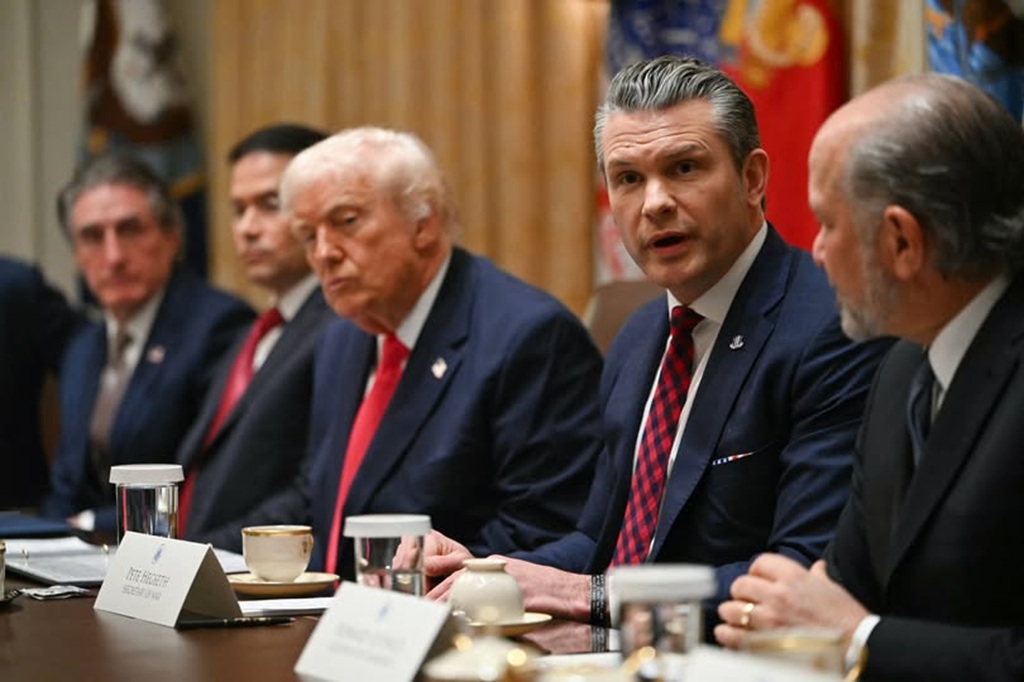
WASHINGTON, D.C. – In a fierce burst of social media posts that has echoed from Pentagon corridors to cafés in Caracas, Defence Secretary Pete Hegseth has dismissed a major Washington Post investigation as “fake news”. He is standing by a disputed U.S. military strike on a suspected Venezuelan drug-smuggling speedboat, calling it a lawful act of self-defence against narco-terrorists.
The Post report claims Hegseth gave a verbal order to “kill everybody” on the vessel. The allegation has thrown the Trump administration into a fresh partisan clash. Democrats are talking impeachment, while conservative media figures accuse major outlets of teaming up to destroy Hegseth’s reputation.
As deaths linked to Operation Southern Spear rise past 80, the incident has deepened a bitter divide. Supporters praise the strikes as a hard-hitting move against cartels that flood American cities with cocaine and fentanyl. Opponents call them extrajudicial killings that skirt the line of war crimes.
The storm broke on 29 November, when The Washington Post released a detailed reconstruction of a 2 September strike in international waters off Venezuela. Citing unnamed officials inside Special Operations Command (SOCOM), the story says an initial drone-launched missile barrage tore apart a 40‑foot go-fast boat, killed nine suspected traffickers, and scattered wreckage across the Caribbean.
Drone feeds then showed two survivors clinging to burning debris, with one allegedly calling cartel allies for help over a radio. The Post says SOCOM chief Adm. Frank “Mitch” Bradley then ordered a second “tap” strike, meant to reflect Hegseth’s reported pre-mission demand to “eliminate all threats without mercy”.
According to the article, the follow-up hit, carried out with precision-guided weapons, wiped out the last survivors and guaranteed there were no witnesses left to recover an estimated 50 million dollars of cocaine bound for the United States.
Hegseth, a former Fox News host turned hard-line cabinet figure, moved quickly to tear into that account. In a flurry of posts on X that drew millions of views, he accused the Post of pushing “fabricated, inflammatory, and derogatory reporting” aimed at “discrediting our incredible warriors”.
“The strikes on these narco-boats are in compliance with the law of armed conflict, and approved by the best military and civilian lawyers up and down the chain of command,” Hegseth wrote, attaching grainy drone video of the boat exploding in flames. “The declared intent is to stop lethal drugs, destroy narco-boats, and kill the narco-terrorists who are poisoning the American people. Fake news will not stop us from protecting the homeland.”
President Donald J. Trump then reinforced Hegseth’s defence from the White House podium.
“I believe Pete 100%,” Trump said on 1 December, standing beside a row of stone-faced generals. “These are bad hombres bringing death to our kids. The second strike? I would not have wanted it, but Pete says he did not order it, and that is good enough for me.”
The president’s backing, delivered in his usual mix of swagger and deflection, has only fed claims of a cover-up. A handful of Republicans are now quietly requesting full, unedited footage of the incident.
A Legal Balancing Act: War, Policing, or Assassination?
At the core of the clash sits a knotty legal issue: can U.S. forces legally bomb civilian-flagged vessels in peacetime waters and call it counter-narcotics? The Trump administration says yes, according to a classified Office of Legal Counsel (OLC) memo that has been shown to selected congressional staff. The argument rests on a new reading of international law.
By labelling major Venezuelan and Colombian cartels as “foreign terrorist organisations” (FTOs), in an executive order signed by Trump on 20 January, the White House claims the strikes are a form of “collective self-defence” in support of partners like Colombia and Mexico that are fighting those groups.
The OLC opinion, which cites the Geneva Conventions and the U.S. Law of War Manual, argues that drug profits bankroll armed attacks by cartels on security forces in the region. This, it says, allows the United States to treat cartel members at sea as “unlawful combatants” and use lethal force against them.
“This is not law enforcement, it is warfare,” a senior Pentagon official told reporters off the record. “We are cutting off their war chest, 50 million dollars per boat, before it hits our streets.”
So far, Operation Southern Spear has destroyed 22 vessels, mostly Venezuelan speedboats packed with cocaine, in a campaign that began quietly in July and ramped up after Trump branded the “Cartel of the Suns”, a Venezuelan military-linked network, as terrorists.
Civil liberties groups and legal academics reject this approach as a “dangerous sweep” that erases the boundary between counterterrorism and the long-running “war on drugs”.
“There is very little public evidence that cartels are running an ‘armed conflict’ funded by cocaine, instead of the drug trade feeding existing criminal violence,” said Sarah Knuckey, a human rights lawyer at Columbia University. “Bombing survivors breaches the Conventions’ protections for the wounded. This is not self-defence, it is summary execution.”
Venezuelan President Nicolás Maduro, a long-time Trump adversary, has condemned the strikes as “state terrorism”. He has ordered extra coastal patrols and warned of retaliation against U.S. interests in the region.
Unease has also surfaced inside the U.S. military. In closed sessions on Capitol Hill last week, Adm. Bradley told lawmakers the second strike was aimed at the wreckage to stop cartel reinforcements from recovering cargo or equipment, not at the surviving men as such.
Members of Congress saw an unedited video that showed the two survivors trying to flip floating debris in an effort to right what was left of the vessel. Interpretations split along party lines.
“I saw two narcos trying to stay in the fight,” said Rep. Mike Rogers (R-Ala.), chair of the House Armed Services Committee. “Hegseth’s hands are clean.”
Big Media on the Attack: Personal Crusade Against Hegseth?
Within hours of the Post story going live, a wave of major outlets joined in, turning Hegseth’s conduct into headline material.
CNN ran a prime-time special, “Targeted: The Hunt for Truth in the Caribbean”, complete with animated reconstructions of the alleged double-tap strike and former Obama officials calling it “a war crime in slow motion”.
The New York Times followed with a front-page article on Hegseth’s “Signalgate” mess, a March incident where he shared details of Yemen airstrikes in a Signal chat that mistakenly included The Atlantic’s Jeffrey Goldberg. The piece claimed this fit a wider pattern of “reckless command”.
On MSNBC, Rachel Maddow joked, “If this is Trump’s idea of draining the swamp, he is flooding it with napalm.”
Right-leaning commentators see a plot.
“The MSM is working overtime to take down Pete Hegseth because he dares to fight back against the deep state and the cartels they coddle,” complained Sen. Ted Cruz (R-Texas) on Fox & Friends.
Hegseth has embraced that narrative. He posted a meme of Franklin the Turtle, the children’s book character, firing an RPG at cartoon drug runners, captioned: “When fake news attacks, we target the terrorists.” Trump liked the post, which gained 2.7 million interactions and kicked off a viral #StandWithHegseth campaign among his base.
Critics say this media surge is less about facts and more about weakening Trump’s national security inner circle as he shifts to a more aggressive foreign policy.
Hegseth, confirmed in January on a narrow 51-49 Senate vote after harsh hearings over his lack of combat service, has long drawn fire. His on-air blasts against “woke” Pentagon policies and his push for a “Department of Government Efficiency” (DOGE) upset many Washington insiders.
Now his supporters say the press is trying to sink him just as the strikes begin to show results. U.S. Customs reports a 15% drop in Caribbean fentanyl seizures, which officials partly credit to Southern Spear. Opponents counter that media scrutiny is overdue for a man they see as reckless.
Impeachment Gambit: Are Democrats Overreaching to Hit Trump?
Democrats were quick to answer with their own move. On 4 December, Rep. Shri Thanedar (D-Mich.), an Indian-American businessman turned outspoken progressive, filed two articles of impeachment against Hegseth.
The first accuses him of “murder and conspiracy to murder” in relation to the boat strikes. The second charge, “reckless and unlawful mishandling of classified information” over Signalgate.
“War crimes have been committed,” Thanedar told a crowd at a Union Station rally, standing beside activists holding placards reading “Hegseth = War Criminal”. “He is unfit, putting our troops at risk so he can play cowboy for Trump.”
House Minority Leader Hakeem Jeffries (D-N.Y.) has kept his distance, calling the effort “procedurally hopeless” in a chamber under Republican control. Even so, the move has fired up the party’s left flank.
Sens. Chris Van Hollen (D-Md.) and Elizabeth Warren (D-Mass.) have called for formal hearings. “If Republicans will not act, we must,” Warren wrote on X. “Defending due process is not weakness, it is America.”
Republicans scoff at the charges. They see a stunt aimed at tarnishing Trump by targeting one of his most loyal lieutenants.
“Democrats are willing to shield narco-traffickers if it means taking down the Trump administration,” White House Press Secretary Karoline Leavitt said. “They blocked serious border security for years, now they are impeaching the guy finally fighting back.”
Republican strategists note that Thanedar once filed an impeachment bid against Trump over immigration enforcement, which went nowhere.
“This is theatre,” said Rep. Jim Jordan (R-Ohio). “While kids overdose in Ohio, Democrats defend Venezuelan thugs.”
The impeachment drive is unlikely to move past the committee stage, but it highlights rifts inside the Democratic Party. Grassroots progressives want strong action against what they call war crimes. Moderates fear alienating swing voters worn down by the opioid wave.
A Reuters/Ipsos poll in mid-November found just 29% of Americans support extrajudicial killings of suspected traffickers, with 51% opposed, a clear rejection of Trump’s most aggressive stance. Yet when the issue is framed as “stopping cartels”, support jumps to 58% among Republicans and 42% overall, according to a Politico/Morning Consult survey.
Public Mood: Voters Back Trump’s Crackdown on Cartels
While Washington trades accusations, public opinion appears to lean towards the core goal of the operation, crushing the cartels behind the fentanyl surge that killed 112,000 Americans last year.
A Gallup poll released on 3 December reported 70% approval for Trump’s “aggressive action against drug smugglers”. Among independents, 72% agreed the United States must “do whatever it takes” to limit the flow of hard drugs.
Focus groups in Ohio, West Virginia, Arizona, and other states hit hard by opioids voiced similar views.
“My nephew died from that poison,” said Maria Gonzalez, 52, a nurse from Phoenix. “If bombing boats saves one kid, I am all in.”
This support gives Trump cover for his 2024 promise to treat cartels as terrorists and use the military against them, a pledge he has now acted on through Southern Spear.
Even in Latino-majority districts, backing is stronger than many Democrats expected. A Univision poll found 55% of Hispanic voters favour the operations, up from 48% before the election. Many respondents praised Trump for tackling border chaos without putting U.S. ground troops into large-scale conflicts.
“He is hitting them where it hurts, at sea,” said Javier Ruiz, a Miami lorry driver whose cousin runs a rehab centre. “Democrats talked reform, Trump delivers results.”
Sceptics warn that the picture is more complex. Security experts like Jake Braun, a former Homeland Security counter-fentanyl lead, say most of the targets so far are low-level couriers, not cartel leaders. That could drive prices up and spark more violence.
“We are swatting flies while the elephants roam free in Mexico,” Braun said.
Venezuelan officials report civilian deaths, including fishermen mistaken for smugglers, and threaten to take complaints to the United Nations. For now, though, the numbers help the White House message. Officials highlight a 20% rise in seized cocaine and an 8% drop in overdose-related A&E visits in areas tied to pilot programmes.
Hegseth’s Future: Under Fire, but Digging In
As inquiries gather pace, with the House Armed Services Committee promising a “full accounting” before year-end, Hegseth has gone on the offensive.
In a 5 December Wall Street Journal op-ed, he blasted what he called “elite outrage” from “coastal scribes who sip lattes while our heartland bleeds”.
His allies, including Vice President J.D. Vance, predict he will be cleared. “Pete is the tip of the spear, the media is just angry we are winning,” Vance said.
For Democrats, the impeachment attempt is a risky move. A win could wound Trump and cast doubt on his security record. A loss would feed Republican claims that Democrats care more about the rights of cartel suspects than about families torn apart by overdoses.
As one Capitol Hill aide put it, “They are going after narco strikes to hurt a Fox guy, good luck selling that in swing districts.”
In the end, the Venezuela boat incident is about more than a single strike or one defence secretary. It has become a test of how far America is willing to go in its drug war. Do leaders bomb first and argue law later, or keep the fight inside courts that are already stretched and infiltrated by cartel money?
Trump is already hinting at a broader campaign, with quiet talk of strikes on airfields in Venezuela.
For parents who have buried children lost to fentanyl, Hegseth’s “fake news” blast sounds like justified anger at a press they see as out of touch. For the dead men who clung to wreckage in the Caribbean, and for others caught in the crossfire, it feels like a stark example of unchecked power at sea.
Related News:
House Republicans Continue to Back Mike Johnson as Speaker
Politics
Silence on Capitol Hill: ActBlue CEO Invokes Fifth Amendment 22 Times Before House Committee

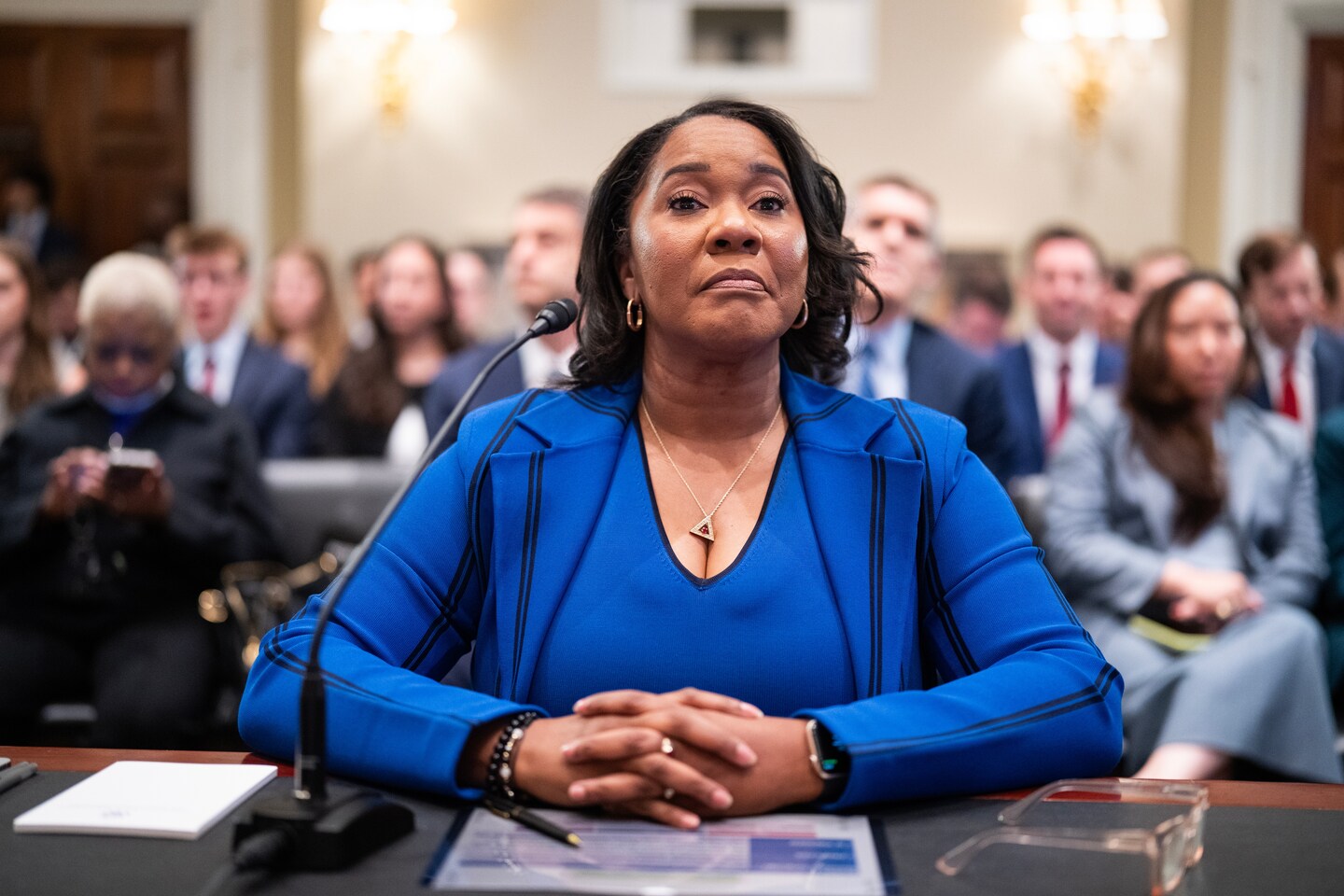
WASHINGTON D.C. – Capitol Hill witnessed a stunning political showdown last Wednesday morning. The House Administration Committee gathered to investigate serious campaign finance allegations against the nation’s largest Democratic fundraising platform.
The atmosphere in the hearing room turned completely silent within minutes. ActBlue Chief Executive Officer Regina Wallace-Jones refused to answer any substantive questions from lawmakers.
Key Takeaways
- ActBlue CEO Regina Wallace-Jones invoked her Fifth Amendment rights 22 times during a high-stakes congressional hearing.
- The investigation centers on whether the fundraising platform misled Congress regarding its vetting processes for foreign political donations.
- Legal documents from outside counsel revealed internal warnings that the platform might have provided inaccurate information to investigators.
The highly anticipated public hearing reached a tense standstill almost immediately. Wallace-Jones sat before the committee under a formal congressional subpoena. She refused to answer twenty-two consecutive questions from Republican lawmakers.
Her silent resistance created an extraordinary moment of tension on the house floor. Lawmakers pressed for answers regarding systemic campaign finance violations. According to reports from Campaigns & Elections, every single question met the same legal response.
Even Simple Questions Met Strict Legal Resistance
The refusal to testify extended far beyond complex financial mechanisms. Committee members attempted to establish basic biographical facts for the official record. They quickly realized that no information would be shared willingly.
Representative Barry Loudermilk of Georgia asked the witness a very basic question. He inquired whether she preferred the name Ms. Jones or Ms. Wallace-Jones. The Chief Executive calmly repeated her refusal to answer.
The ongoing congressional investigation focuses heavily on how the platform handles online contributions. Republican lawmakers have spent over a year tracking small-dollar donation patterns. They suspect significant gaps exist in the current security framework.
The primary concern involves the potential influx of illegal foreign cash into American elections. Federal law strictly prohibits non-citizens from donating to domestic political campaigns. Critics argue that the current digital verification rules are far too weak.
Committee members expressed deep concern over unverified donor profiles on the platform. Investigators are tracking millions of individual transactions from recent election cycles. They want to know if bad actors are exploiting the platform.
Some lawmakers believe automated systems are being used to layer illegal campaign contributions. This process can make large donations look like thousands of tiny donations. The scale of the platform makes tracking these transactions difficult.
The Internal Memo That Triggered the Investigation
The current political firestorm intensified rapidly following a major media disclosure. A bombshell report published by the New York Times exposed critical internal documents. These legal documents originated from the prominent law firm Covington & Burling.
The law firm previously provided outside legal counsel to the fundraising platform. The leaked memos contained explicit warnings directed straight to executive leadership. Lawyers warned Wallace-Jones that she might have actively misled congressional investigators.
The legal dispute traces back to an official letter sent to Congress in 2023. In that document, Wallace-Jones outlined the platform’s fraud prevention procedures. She assured committee members that strict donor verification models were fully active.
The internal legal memos suggested those statements did not match operational reality. Outside attorneys realized that the stated verification steps were not consistently followed. This discrepancy triggered immediate accusations of lying to a congressional committee.
The 2023 correspondence detailed three specific steps to block illicit foreign funds. First, the platform claimed to flag any donor utilizing a foreign address. This initial filter was supposed to trigger an immediate secondary review.
Second, flagged donors were required to submit valid United States passport information. This documentation provided proof of citizenship or permanent residency status. Staff members were instructed to review these documents manually.
The Reality of Inconsistent Verification Protocols
The third step required the immediate rejection of unverified funds. If a donor failed to provide a passport, the platform promised a refund. This system sounded robust to investigators reading the initial letter.
However, the committee discovered evidence that these protocols often failed. The platform frequently accepted contributions without enforcing the mandatory passport checks. This operational failure left the door open for untraceable international funds.
House Administration Committee Chairman Bryan Steil of Wisconsin led the questioning. He spoke firmly about the critical importance of secure election systems. Steil emphasized that only American citizens should influence domestic election outcomes.
The Chairman summarized the three primary legal violations under investigation. He noted concerns regarding illegal foreign donations, misleading Congress, and withholding documents. Steil explicitly stated that all three actions constitute serious federal offenses.
Wallace-Jones did not wait for the hearing to explain her strategy. She published a detailed opinion essay in the Washington Post that morning. The essay explained her decision to utilize constitutional protections against self-incrimination.
She described the hearing as an illegitimate attempt to build a criminal case. The Chief Executive argued that cooperating would allow her words to be misused. As noted by Quartz, she viewed the entire proceeding as political harassment.
Constitutional Rights and the Question of Legal Guilt
The decision to remain silent carries significant political weight on Capitol Hill. In her public statement, Wallace-Jones defended her use of the Fifth Amendment. She stated that invoking the right is not an admission of guilt.
She framed the decision as a necessary shield against a partisan attack. Her legal team advised her that the committee room was unsafe for open testimony. They chose a strategy of total non-cooperation to protect their client.
Democratic committee members quickly rushed to defend the silent chief executive. They vocally dismissed the entire hearing as a coordinated partisan witch hunt. They argued that Republicans were weaponizing their oversight powers for electoral gain.
Ranking Member Joe Morelle of New York led the counterattack for the Democrats. He claimed that the investigation deliberately ignored similar issues on the conservative side. Morelle accused the majority party of ignoring standard legislative fairness.
Democratic lawmakers repeatedly shifted the focus toward a rival fundraising platform. They demanded that the committee investigate WinRed, the primary Republican donation processor. Democrats claim that WinRed utilizes similar small-dollar fundraising methods.
They alleged that the conservative platform also faces consumer fraud complaints. According to reports from NOTUS, Democrats vowed to launch their own investigations next year. They plan to target conservative platforms if they regain the House majority.
The Broader Legislative Fallout for Campaign Reform
The intense fighting in the committee room threatens future legislative progress. Congress had been working on a bipartisan package for campaign finance reform. Four separate bills were recently moving through the House Administration Committee.
These bills aimed to modernize security rules for digital political donations. One key proposal required credit card verification codes for all online contributions. This simple change enjoys widespread support among voters from both major parties.
A major point of legislative friction involves the de minimis reporting exemption. Under current federal guidelines, campaigns do not itemize small donations under two hundred dollars. Platforms are not required to report specific employer data for these micro-donations.
The proposed Campaign Finance Transparency Act seeks to eliminate this historical exemption. The bill would require detailed itemization for every single political donation. Some conservative legal experts argue this change would overwhelm regulatory agencies.
The platform under investigation serves as the primary financial engine for progressive causes. Founded in 2004, it transformed how modern political campaigns raise money. It allows millions of individuals to contribute directly via digital devices.
The financial scale of the operation is truly massive. The organization reported raising nearly 1.8 billion dollars during the 2025 cycle alone. A prolonged legal battle could significantly disrupt the flow of progressive campaign cash.
Multi-State Legal Battles Create Additional Pressures
The congressional inquiry is not the only legal challenge facing the platform. Several state attorneys general have launched independent investigations into these fundraising practices. Texas Attorney General Ken Paxton has been particularly aggressive in his legal pursuit.
Paxton filed a major lawsuit accusing the platform of deceptive donation processes. In response, the fundraising group filed a federal countersuit in Massachusetts. They are attempting to block the Texas investigation on constitutional grounds.
The ongoing clash highlights a rapidly changing environment for digital political speech. Political observers believe these investigations could change how campaigns raise money. Platforms may be forced to adopt expensive identity verification technologies.
Some Democratic campaigns are already starting to diversify their fundraising methods. They want to minimize risks if the primary platform faces operational disruptions. The era of frictionless online political giving may be coming to an end.
The refusal to testify has left many critical questions completely unanswered. Committee staff members are currently reviewing their remaining legal options. They could vote to hold the chief executive in contempt of Congress.
Such a move would escalate the battle into the federal court system. Legal experts predict a long fight over the boundaries of executive privilege. Meanwhile, the public debate over foreign influence in American elections continues to grow.
The legal implications of this hearing are explored in this detailed breakdown of the congressional testimony, which provides context on the specific questions that Wallace-Jones declined to answer.
Trending News:
Virginia Attorney General Jay Jones’s Fails to Restore Congressional Map
Ilhan Omar’s Husband Dissolves California Winery Amid Congressional Probe

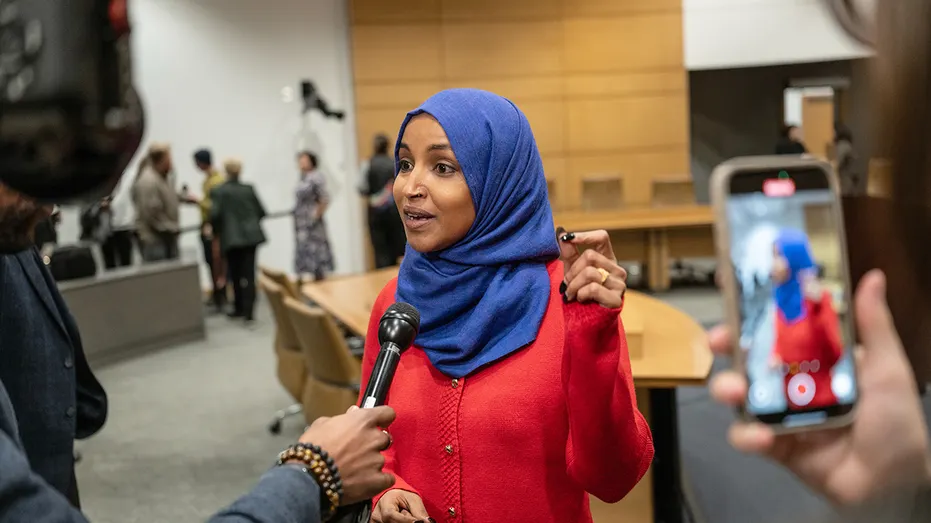
WASHINGTON, D.C. – A tense public confrontation has spilled over into the halls of Congress this week. Representative Ilhan Omar of Minnesota has publicly attacked comedian Jerry Seinfeld for his recent comments regarding the Israeli-Palestinian conflict. The exchange began after Seinfeld was filmed responding to an activist who asked him to speak on the status of Palestine.
Seinfeld, who was leaving an NBA Finals game in New York, dismissed the activist’s prompt by stating, “It doesn’t exist.” This brief interaction quickly went viral, drawing sharp condemnation from Representative Omar when she was asked for her thoughts on Capitol Hill. Omar did not hold back, labeling the comedian a “horrific human being” for his remarks.
Key Takeaways
- Representative Ilhan Omar criticized comedian Jerry Seinfeld for saying “Palestine doesn’t exist” during a recent interaction with an activist.
- Omar described Seinfeld’s comments as “genocidal” and argued that his language contributes to the erasure of Palestinian history and identity.
- The conflict highlights the ongoing, deeply polarized debate in American politics regarding the Israeli-Palestinian conflict and the rhetoric used by public figures.
The initial incident occurred outside Madison Square Garden following a New York Knicks victory. A social media activist approached Seinfeld, attempting to elicit a comment on the situation in Gaza. When pressed to declare “Free Palestine,” the comedian replied with a blunt dismissal of the region’s statehood.
This video reached Representative Omar, who has long been a vocal advocate for Palestinian rights and a critic of Israeli government policies. Speaking to reporters from TMZ, Omar described Seinfeld’s words as “disgusting” and “disturbing.” She argued that such language is dangerous because it ignores the lived reality of Palestinians.
Omar further expressed frustration that a member of a community that historically suffered from the Holocaust would use what she termed “genocidal language” against another group. Her comments have sparked a new wave of debate across social media platforms. Critics and supporters of both figures are now digging into their past statements to bolster their own political arguments.
A History of Tense Rhetoric
Representative Omar is no stranger to controversy regarding her statements on Israel and the Jewish community. Throughout her time in office, she has frequently faced backlash for remarks that many critics view as antisemitic tropes. Supporters, however, argue that she is simply holding a powerful ally to account for its treatment of Palestinians.
The American Center for Law and Justice (ACLJ) recently reported on the incident, framing Omar’s response as an “unhinged” attack on the comedian. The organization highlighted past instances where Omar suggested that U.S. support for Israel was driven by financial interests. They argue that her latest comments about Seinfeld reflect a persistent and problematic pattern in her political discourse.
This latest feud underscores the volatility surrounding the Middle East crisis in American public life. When celebrities and politicians clash on these sensitive topics, the conversation often shifts away from policy and toward personal character attacks. As the rhetoric continues to heat up, it remains unclear if any productive dialogue can emerge from such polarized exchanges.
The Broader Impact on Public Discourse
The speed at which these comments traveled from a New York sidewalk to the steps of the Capitol shows the power of digital media. One short, unscripted interaction can trigger a nationwide debate involving high-profile political figures within hours. This dynamic leaves little room for nuance, often forcing individuals to take rigid sides on complex geopolitical issues.
As the political climate remains intense, observers expect more clashes between public figures on both sides of the aisle. For now, the exchange between the Minnesota congresswoman and the legendary comedian remains a stark reminder of the deep divisions currently defining American culture. The public is left watching as these figures continue to trade sharp words, with no sign of a cooling-off period in sight.
Trending News:
Ilhan Omar Seeks Another Term as Minnesota Fraud Probe Deepens
Ilhan Omar Under New Investigation For Immigration Fraud
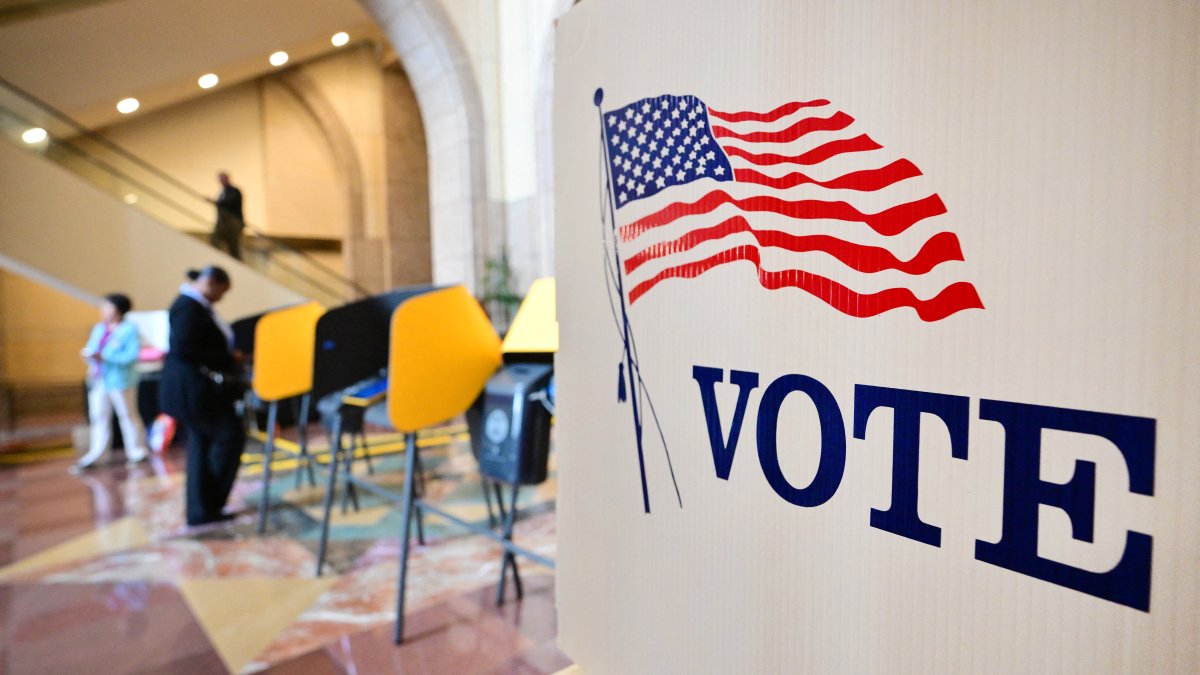
LOS ANGELES, California – Federal investigators have officially launched a wide-reaching probe into the recent California primaries amid growing public concern. Surprisingly, a rising number of California voters are siding with Donald Trump and Elon Musk over possible election fraud. As debates heat up, vocal critics are pointing to specific state election laws that they believe invite serious foul play.
Key Takeaways:
- Federal authorities are actively investigating the California primaries due to widespread allegations of voting irregularities and potential fraud.
- High-profile figures like Donald Trump and Elon Musk are gaining significant local support for their criticisms of the voting system.
- Reality TV star Spencer Pratt has publicly joined the debate, drawing more mainstream attention to the state’s election security issues.
- Critics strongly argue that universal mail-in ballots and legalized ballot harvesting create massive vulnerabilities in the democratic process.
The Federal Probe Brings New Scrutiny
The political landscape in California is facing an unexpected earthquake this week as federal investigators step into the state. They have announced a formal probe into the state’s recent primary elections to examine how votes were collected and counted. Many residents are shocked by the news, while others feel that this major federal action is long overdue.
For years, state officials have proudly defended their election methods as safe, secure, and highly effective for everyday citizens. However, the sheer scale of this new investigation suggests that federal authorities have found credible reasons to look closer. The primary focus of the probe involves the handling of millions of paper ballots across several large metropolitan counties.
Investigators are currently requesting documents, voter rolls, and internal communication records from local election officials across the entire state. This deep dive comes after months of mounting public pressure from unhappy voters who reported various unusual voting irregularities. Citizens have flooded hotlines with reports of receiving multiple ballots or spotting suspicious activities at local ballot drop boxes.
Trump and Musk Rally the Golden State
Donald Trump has long been a highly vocal critic of how California manages and runs its massive statewide elections. Recently, he has doubled down on his claims that the state’s voting system is deeply flawed and vulnerable to cheating. Interestingly, his conservative message is now resonating with a much larger group of everyday Californians than ever before.
Tech billionaire Elon Musk has also amplified these same concerns to his massive online audience over the past year. Musk frequently uses his popular social media platform to question the security and basic logic of modern voting practices. When Musk moved his business operations to Texas, he cited many deep frustrations with California’s broad state policies.
Now, his sharp critiques of the election system are directly validating the lingering fears of many local state voters. Both Trump and Musk argue that without strict voter ID laws, the current system is essentially built on blind trust. They firmly believe that this severe lack of tight security makes large-scale fraud highly probable during important national elections.
Reality TV Star Spencer Pratt Speaks Out
The fierce debate over election security is not just limited to seasoned politicians and wealthy tech billionaires anymore. Reality television star Spencer Pratt has surprisingly stepped into the political spotlight to voice his own serious security concerns. Known for his candid opinions, Pratt has taken to social media to directly discuss the election with his followers.
He recently shared frustrating stories with his audience about the highly confusing nature of voting in Los Angeles County. Pratt pointed out that many people he personally knows have received mail-in ballots for people who moved away long ago. His comments quickly went viral online, striking a deep chord with thousands of frustrated voters across the entire state.
By speaking out publicly, Pratt has brought the complex issue of election integrity to a younger, pop-culture-focused audience. His sudden involvement shows just how deeply this specific issue has penetrated everyday California culture and regular daily conversations. People who usually ignore political news are now paying very close attention to the details of the ongoing federal probe.
The Core Issue of Universal Mail-In Ballots
To fully understand why critics are so upset, we must look closely at how the state currently conducts its elections. California is one of the few states that automatically mails a live ballot to every single registered active voter. While this broad policy was designed to increase voter turnout, critics strongly argue it creates a massive security nightmare.
Millions of pieces of official election mail are sent out, and many land at outdated or completely incorrect home addresses. When loose ballots pile up at old apartment buildings or empty houses, they can be easily intercepted by bad actors. Critics consistently point out that the current signature verification process is simply not strong enough to catch sophisticated fraud.
Election workers are forced to process millions of envelopes in a very short and highly stressful amount of time. This rushed environment naturally leads to human mistakes, and many fear that fraudulent votes are easily slipping through the cracks. The entire system relies heavily on the local postal service, which adds another layer of potential error and mail delay. For more information on varying voting rules, you can visit the National Conference of State Legislatures.
How Ballot Harvesting Changes the Game
Another major point of contention in the current federal probe is the highly controversial practice officially known as ballot harvesting. In California, it is completely legal for a designated third party to collect and submit ballots on behalf of voters. This means political operatives, union members, or organized campaign workers can legally gather hundreds of ballots and drop them off.
Supporters loudly claim this helps elderly or disabled voters, but critics strongly argue it is a dangerous recipe for disaster. When a partisan campaign worker collects a ballot, the secure chain of custody is immediately and completely broken forever. There is absolutely no reliable way to ensure that the voter was not secretly pressured into voting a certain way.
Furthermore, critics worry that partisan harvesters might conveniently “lose” collected ballots from neighborhoods that heavily support their political opponents. Trump and Musk have both repeatedly highlighted ballot harvesting as the most dangerous fundamental flaw in the entire system. They argue that as long as this practice remains completely legal, true election security will remain an impossible dream.
A System Allegedly Set Up for Fraud
Many concerned citizens genuinely believe that these combined policies essentially design a system perfectly suited for massive election fraud. When you mix universal mail-in ballots with legalized ballot harvesting, the potential for systemic abuse naturally grows exponentially fast. Critics argue that the state has intentionally removed all the traditional safeguards that historically protect a fair and secret ballot.
For instance, without mandatory in-person voting and strict photo ID checks, it is very hard to accurately verify a voter’s identity. Furthermore, the state’s massive voter rolls are notoriously difficult for local county officials to keep completely clean and up to date. People regularly move away or pass away, yet their names often remain on the active mailing lists for several years.
This massive oversight creates a huge pool of floating ballots that can be easily exploited by highly organized political groups. Those siding with Trump and Musk feel that these are not accidental flaws, but rather intentional and highly calculated legal loopholes. They are loudly demanding a complete and total overhaul of the state’s voting laws to finally restore public trust.
What the Federal Investigators Are Looking For
The federal officials currently leading this major probe have a very clear and highly specific legal mandate to follow. As outlined by agencies like the Department of Justice, investigators are actively examining whether voting procedures violate federal civil rights laws. Investigators are reportedly looking into specific instances where massive batches of ballots were dropped off at very unusual hours.
They are also closely reviewing the internal software and counting machines used to process the massive influx of paper ballots. Here is a brief look at the specific areas federal investigators are likely targeting during this unprecedented statewide probe:
- Voter Roll Accuracy: Checking if deceased or relocated residents were successfully removed from the active state mailing lists.
- Chain of Custody: Reviewing the specific access logs at ballot drop boxes to ensure no unauthorized physical tampering occurred.
- Signature Verification: Auditing the exact methods election workers use to match envelope signatures with official state driver records.
- Harvesting Practices: Investigating political groups that collected large numbers of ballots to ensure no illegal voter intimidation took place.
If the federal probe uncovers clear evidence of coordinated fraud, it could directly lead to major federal criminal charges. It could also legally force the state to completely rewrite its election playbook before the next major national presidential race.
How Californians Are Reacting Today
The current mood on the streets of California is a volatile mix of high public anxiety and deep political division. Many loyal voters feel that the federal probe is nothing more than a coordinated partisan attack on their progressive state. They firmly believe the current system is perfectly fair and that the loud allegations of fraud are completely baseless and false.
On the other hand, the highly vocal group siding with Musk and Trump feels finally heard and properly validated. Local town hall meetings have quickly become highly emotional battlegrounds as passionate citizens openly debate the future of their elections. Even casual conversations at local coffee shops very often turn into heated discussions about strict ballot security and voter fraud.
The recent addition of celebrity voices like Spencer Pratt has only added more fuel to this already burning political fire. As the ongoing investigation moves forward, it is very clear that the state’s political climate will remain highly charged. The ultimate findings of this unprecedented federal probe will likely shape California’s election laws for many decades to come.
Trending News:
Federal Prosecutor Launches Fraud Probe into California Primary Elections
Gavin Newsom’s Alleged Plan to RIG the California Governor’s Election Exposed


The Switzerland Accord: US-Iran Deal Aims to Prevent Global Economic Collapse

Silence on Capitol Hill: ActBlue CEO Invokes Fifth Amendment 22 Times Before House Committee

Elon Musk’s Trillion-Dollar Fortune: The Real Story

Google News Bias Exposed in Left-Leaning Top Stories

Drinking in Pregnancy Is Rising in America, CDC Says

Robert Kennedy’s Health Agenda and the Future of America

Ilhan Omar Melts Down Over Jerry Seinfeld Over Palestinian Comments

Tulsi Gabbard Reveal Massive Global Biolab Network Linked to U.S. Funding

California Elections Expose the Mainstream Media Bias Over Election Integrity

Many California Voters Side With Trump and Musk Over Voter Fraud Claims

Jimmy Kimmel Slammed for “Vile” Melania Trump “Expectant Widow” Joke

President Trump Addresses Nation on War with Iran

Trump Warns NATO Allies: America Won’t Protect Slackers After Iran Clash

Senate Hearing on Fraud and Foreign Influence Turns Tense Over Minnesota Scandals

CNN Forced to Backtrack Its Reporting on Trump’s Iran Talks

Joe Rogan Slams Gavin Newsom for Mocking Nick Shirley

Mosque Set Ablaze in Iran a Citizens Revolt Against the Islamic Regime

AOC Accuses Jessie Watters of Fox News of Sexualizing and Harassing Her

JD Vance Exposes Walz’s Fraud and CNN’s Lies in White House Presser

Milestone Card Credit: How the Milestone MasterCard Can Transform Credit


-
 News3 months ago
Tim Walz Accused of “Enabling Fraud” By Minnesota State Lawmaker
-
 Entertainment3 months ago
Jimmy Kimmel Slammed for “Vile” Melania Trump “Expectant Widow” Joke
-
 News3 months ago
Ilhan Omar Refuses to Turn Over Documents to Minnesota Fraud Committee
-
 Business3 months ago
Jimmy Kimmel and ABC in the Crosshairs of An FCC Investigation
-
 Business3 months ago
Alex Jones Announces the Shutdown of Infowars Amid Billion-Dollar Legal Battles
-
 Crime3 months ago
FBI Raids Virginia State Senator Louise Lucas’s Office
-
 Crime3 months ago
Former FBI Director James Comey Indicted for Threatening Instagram Post
-

 Entertainment2 months ago
Stephen Colbert Has Meltdown On-Air in Final Broadcast on CBS