Crime
Missing Virginia High School Coach Update, March 2026

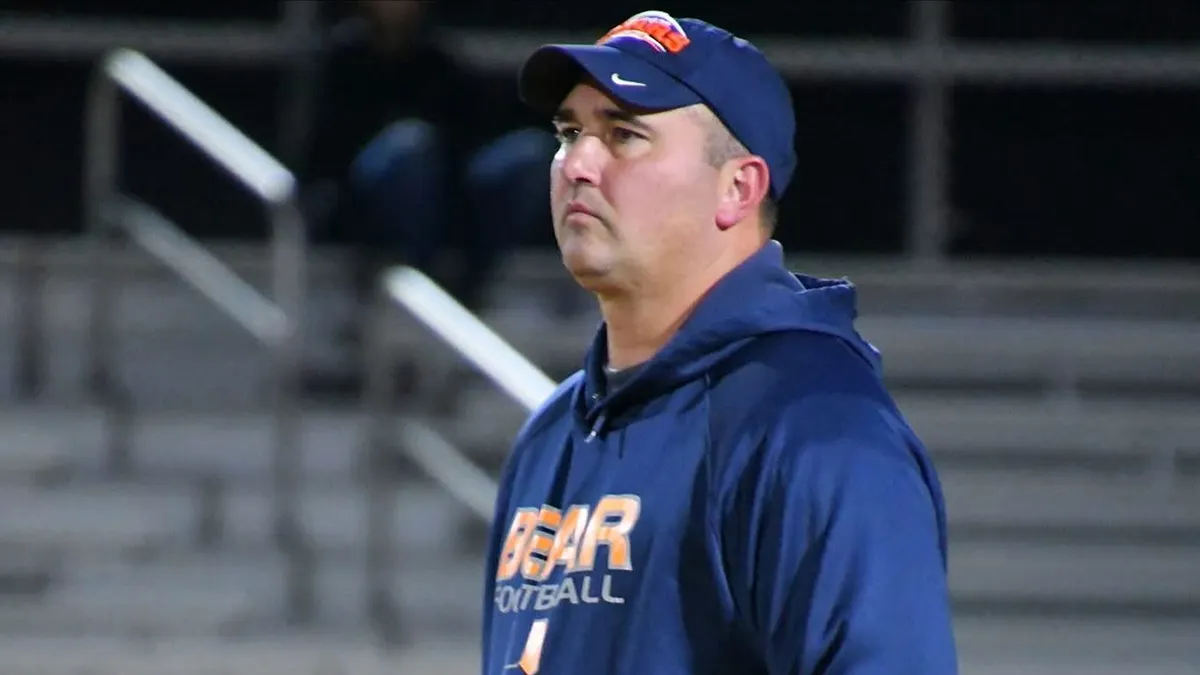
The case is still drawing attention across Virginia because former Union High School coach Travis Turner remains missing and at large as of early 2026, based on the latest public reports.
He disappeared in November 2025 as police moved to question him, and the case involves serious criminal accusations tied to a student. For many readers, that mix of an unsolved disappearance and charges involving a school employee is why the missing Virginia high school coach story hasn’t faded.
If you’re a parent, student, or resident, this update matters because it sits at the point where school trust, public safety, and unanswered questions meet. People want clear facts, not rumors, especially after reports said authorities were still tracking leads months after he vanished. They also want to know what has changed, what hasn’t, and how local officials have responded since the case first broke.
This update helps put the timeline in order and explains why the story still carries weight in Wise County and beyond. With that in mind, here’s the latest on Turner’s status, the case timeline, and what the public record shows right now.
Where the case stands now, as of March 2026
As of March 2026, the headline has not changed in the way many people hoped. The missing Virginia high school coach case remains open, and Travis Turner has not been found. Public reporting and the latest police comments point to a case that is still active, but short on new answers.
That matters because two ideas can exist at the same time here. A person can be missing in the practical sense, while also being wanted in a criminal case. For readers trying to sort through the language, that distinction makes the current status much easier to follow.
Travis Turner is still missing and considered at large
Right now, the clearest public takeaway is simple: Travis Turner is still missing, and authorities have not announced that they found him, arrested him, or confirmed where he is.
For a general reader, it helps to separate two labels that often get blurred together:
- Missing means authorities do not know where the person is.
- Fugitive usually means authorities believe the person is actively avoiding arrest or has fled on purpose.
Those ideas can overlap, but they are not the same thing. Think of it like this: missing describes a person’s location, while fugitive describes how police view that person’s actions.
In this case, public updates have centered on Turner being missing while also facing serious charges. Reports say he disappeared on November 20, 2025, after walking into the woods near his home in Wise County. Since then, law enforcement has continued searching and following tips. However, the latest reporting does not show a public announcement that he has been captured or located.
That distinction matters because readers often hear “at large” and assume police have proof someone is actively running. In plain English, at large mostly means the person has not been found and is not in custody. It does not automatically tell you what happened after the disappearance, or whether the person is alive, hiding, injured, or dead.
A recent summary from WCYB’s March 2026 report described the search as ongoing. That matches the broader public picture. The case is unresolved, and the lack of confirmed movement keeps the story stuck in a tense middle ground.
Bottom line: Turner remains missing, and no public March 2026 update shows that law enforcement has taken him into custody.
What law enforcement has said publicly so far
Publicly confirmed details remain fairly narrow, which is often the case in an active investigation. Based on the latest available reporting, Virginia State Police have said the case is still being worked, with both a criminal investigation and a search effort continuing side by side.
That two-track approach is important. On one track, investigators are dealing with the charges already tied to the case. On the other, search efforts focus on finding Turner and checking leads about his whereabouts. In other words, police are not treating this as a cold file sitting on a shelf.
The public timeline, as reported, includes these key points:
- Turner was reported missing in November 2025 after leaving his home and heading into nearby woods.
- Search activity followed near the area where he was last known to be.
- Authorities continued to vet tips and pursue leads in the months that followed.
- As of the latest March 2026 update window, there were no widely reported recent sightings and no arrest announcement.
That last point is the one most readers are looking for. Has anyone seen him recently? Have police made an arrest? So far, the public answer appears to be no.
One of the clearest recent summaries came from Us Weekly’s report on police statements, which said Virginia State Police reported no credible sightings in the latest update. Another March report, from PennLive’s case update, also reflected the same broad status: Turner remained missing, and police had not announced that they found him.
So where does that leave the case today? In practical terms, it leaves it in a holding pattern. Investigators have not closed the search. They also have not given the public a breakthrough. For families, locals, and school community members, that can feel like waiting in fog. You can still move forward, but you can’t see very far ahead.
For now, the confirmed public record supports only a few firm conclusions:
- Turner has not been publicly confirmed found
- No recent credible sightings have been widely reported
- No arrest has been publicly announced in the latest update period
- Law enforcement has indicated the case remains active
That’s the current state of the case as of March 2026, clear in some ways, frustratingly unclear in others.
How the disappearance unfolded in Wise County
To understand the missing Virginia high school coach case, it helps to slow the timeline down and line up the public facts. The story moved fast in late November 2025, and that made it easy for details to blur together. What follows is the clearest public sequence, from the day Travis Turner disappeared to the key updates that kept the case in the spotlight through February 2026.
The day he disappeared and what he was last seen wearing
Public reports place Turner’s disappearance on November 20, 2025, in Wise County, near his home in Appalachia. According to later police summaries, that was the day he was last known to have left the house and gone into the woods behind the property.
The public description has stayed consistent. He was last seen wearing a gray sweatshirt, gray sweatpants, and glasses. Reports also said he did not have key items with him, including his wallet and keys, which made the situation look more serious from the start.
One detail needs careful wording because it came from public reporting, not a police confirmation in every account. Coverage said there was a reported concern that he may have had a gun when he left. That point appeared in statements tied to family-side public comments, while police reporting later focused more on the ongoing search and missing-person details. In other words, it became part of the public picture, but readers should still treat it as a reported detail from coverage, not as a settled fact announced in every official update.
That first day matters because it set the tone for everything that followed. This did not begin as a routine missed contact. A person leaves home, heads into wooded terrain, and doesn’t come back, that’s the kind of fact pattern that quickly raises alarm in a mountainous part of Wise County. Later reports from WHSV’s update on the case and WJLA’s three-month summary both echoed those same core details.
When he was added to the missing persons list and when warrants followed
The order of events is important because the case changed shape within a matter of days. First came the disappearance. Then came the formal missing-person listing. After that, the legal side became public in a much bigger way.
Based on the public timeline, Turner was added to the Virginia State Police missing persons list on November 23, 2025. At that stage, the focus was on finding him and confirming where he had gone after leaving home. Search activity in Wise County followed, including ground teams and other resources mentioned in coverage.
Then the case took another turn. On November 25, 2025, authorities publicly moved to the warrant stage. Reports said Turner was wanted on multiple charges, and that shift is what pushed the case from a missing-person search into a fugitive case as well. A local report on that step, WSET’s warrant update, captured how quickly the public framing changed.
In simple terms, the sequence looked like this:
- November 20: Turner disappeared.
- November 23: He appeared on the missing persons list.
- November 25: Warrants followed, and public reporting began describing him as a fugitive.
That distinction helps clear up a common point of confusion. He did not start out as a fugitive in public reporting on day one. First, he was a missing person. Then, once warrants were issued, the case carried both labels at once, missing and wanted. That’s why this story has felt so unusual from the beginning.
The major public milestones from December to February
After the intense burst of updates in late November, the case entered a long stretch with no public breakthrough. Still, several milestones kept it in the news, and the timeline from December through February shows why community frustration grew.
At the one-month mark, on or around December 20, 2025, Turner was still missing and still at large. Public reports did not point to a confirmed sighting or arrest. Coverage such as ABC 7’s one-month report reflected that same message: a month had passed, but the case remained stuck.
January brought more visible public anger. During a January 12, 2026 Wise County school board meeting, parents and community members publicly pressed school leaders, and reporting described sharp criticism over how the district had handled the matter. That moment mattered because it showed the case was no longer only a police story. It had also become a school accountability story, with trust in local leadership taking a hit.
By the two-month mark, around January 20, 2026, the public still had no answer on where Turner was. Authorities were reportedly continuing to track leads, but there was still no confirmed recovery and no arrest. At that point, the timeline had started to feel like a clock with no hands. Time was passing, but the public could not clearly see progress.
Then came one of the most concrete school-related actions. On February 9, 2026, Turner was fired from his school job. That step followed weeks of questions about why he had remained on the payroll after his disappearance. Reports from WDTV on the February firing and pay records and WJHL’s local reaction coverage showed how much frustration had built by then.
Chronologically, the public milestones were clear:
- December 2025: One month missing, still no public breakthrough.
- January 2026: School board anger became a major part of the story.
- Late January 2026: Two months missing, with searches and leads still ongoing.
- February 2026: The school district fired Turner from his position.
Taken together, those months show how the case widened. It started with a disappearance in Wise County, then grew into a law enforcement search, a fugitive case, and a school community crisis all at once. That layered timeline is a big reason the missing Virginia high school coach story has remained so closely watched.
The charges behind the search for the missing Virginia high school coach
The search for the missing Virginia high school coach has never been only about where Travis Turner went. It has also been tied to the criminal case that surfaced just after he disappeared. That legal backdrop matters because it explains why police were trying to speak with him in the first place, and why the case quickly shifted from a missing-person search to a wanted-person search.
What investigators say happened before he vanished
Based on public reporting, Virginia State Police were headed to Turner’s home on November 20, 2025, to question him as part of an active investigation. At that point, reports indicate officers wanted to talk with him, but arrest warrants had not yet been issued. Soon after, he disappeared, and the case took on a second layer.
The charges later made public were serious. According to WDBJ7’s case update, Turner is wanted on five counts of possession of child pornography and five counts of using a computer to solicit a minor, with reports also saying more charges could follow. In plain terms, police were not looking for him over a minor dispute or a routine interview. They were trying to question him in a case involving alleged crimes against a child.
Reports also say he left his home and went into the woods behind it, and he never returned. Since then, investigators have treated the case as both a search and a criminal matter. That dual track is a big reason the public has followed it so closely. On one side, there is the mystery of where he went. On the other, there are the charges that explain why law enforcement wanted contact with him at all.
A recent summary from WTVR’s March 2026 report shows that police are still looking for him and still tying the search to those child-related charges. In short, the legal allegations are central to the case, not a side detail.
Why careful wording matters in an active case
When a case is this serious, word choice matters. A few legal terms can sound alike, but they do not mean the same thing.
Here is the simplest way to read them:
- Allegation: A claim that someone did something wrong. It has not been proven in court.
- Charge: A formal criminal accusation filed by prosecutors or law enforcement.
- Warrant: A legal order, often allowing police to arrest a person or take another specific action.
- Due process: The basic rule that a person has legal rights, including the right to fair treatment in court.
That is why careful reporting matters here. A person can be missing, wanted, and charged, while still having the right to defend himself in court if found. Think of it like rails on a track. Facts stay on one rail, and fairness stays on the other. If either rail breaks, the story goes off course.
For readers, the key point is simple. The public record shows serious charges and an active search. Still, those charges remain accusations until a court process happens.
How students, parents, and the school district have been affected
The missing Virginia high school coach case did more than trigger a search. It shook daily life around Union High School and put the whole district under a hard light. For many families, this stopped being only a police story months ago. It became a trust story, a safety story, and a school leadership story all at once.
When a case like this stays open, the strain spreads. Students hear things in hallways. Parents fill in blanks with fear. District leaders face a simple problem with no simple fix: once confidence cracks, every delay feels bigger.
Why families have been demanding answers from school leaders
Parents were not just upset about the allegations. They were angry about how long it seemed to take for clear answers to come from district leaders. At public meetings, many wanted to know who knew what, when they knew it, and whether warning signs had been missed.
That anger grew because silence can feel like a locked door. If families believe the district is slow to explain itself, they start to ask harder questions about oversight, reporting, and student protection. Coverage of the first round of public comments showed that frustration clearly, including SuperTalk 92.9’s report on the board meeting and WCYB’s summary of community reaction.
For many in Wise County, trust became the real fault line. This was not happening in a vacuum. Public reporting tied the case to broader concerns about the district’s record, which made some parents wonder if this was a one-time failure or part of a larger pattern. When families start asking that, the damage reaches far beyond one employee.
When parents lose trust in school leaders, every later decision gets judged through that same lens.
The coach’s firing and what it changed
The Wise County School Board fired Turner in February 2026, a move many people saw as overdue but still necessary. By then, months had passed since his disappearance, and reports about continued pay had only sharpened public anger. The action mattered because it finally showed the district taking a formal step that many families believed should have come sooner.
Even so, the firing did not erase the earlier criticism. To many parents, it felt like a late brake on a car that had already gone off course. It helped, but it also highlighted how long the district had been under pressure before acting. Reporting on the fallout around the firing, including The Mirror US coverage of the district’s response, reflected that same mood.
Still, the decision changed a few things right away:
- It set a clearer line between the district and Turner.
- It answered one major public demand after weeks of criticism.
- It opened the door to moving forward, including leadership and staffing changes around the football program, as seen in On3’s report on Union’s coaching change.
In short, the firing did not restore trust on its own. But it became a key marker in the case, because it showed that public pressure had forced visible action.
The human impact on students and the community
Students often carry the quietest part of a story like this. They still have to walk into class, hear whispers, and act like life is normal when it clearly isn’t. In a school setting, rumors can spread faster than facts, and that can create real harm.
Some families have worried about bullying, gossip, and stigma, especially for students close to the football program or anyone pulled into the public conversation by association. Others have pointed to the stress that grows when a case remains unresolved month after month. An open case leaves a kind of emotional static in the air. People keep waiting for the next update, but daily life has to keep moving.
The community impact has also been wider than school walls. A missing coach, serious criminal allegations, and an ongoing manhunt can make a town feel stuck between shock and suspense. That pressure builds over time, not all at once. Reports such as WJLA’s interview with the school board chair and Us Weekly’s look at district concerns show why many residents have kept pushing for accountability, not just updates.
For students, parents, and staff, the hardest part may be this: there is no clean ending yet. Until there is one, fear and rumor still have room to grow.
What readers should watch for next in this case
At this stage, the biggest risk for readers is confusion. In a case like the missing Virginia high school coach story, real movement often comes in small, official steps, while rumor spreads fast and fills the silence. So if you’re tracking what happens next, it helps to watch the record, not the noise.
The signs of a real update versus social media rumor
A real update usually leaves a paper trail. Rumor rarely does. If a post claims there’s a break in the case, slow down and check whether it lines up with a public source you can verify.
Use this simple filter before you trust any new claim:
- Police statement: Has Virginia State Police said anything on the record? Recent reporting says police still have no credible sightings and continue to work both the search and the criminal case, as reflected in this March update on police statements.
- Court record: Is there a new filing, hearing, warrant update, or arrest entry? Court action usually tells you more than a screenshot ever will.
- Major local coverage: Have established outlets in Southwest Virginia or statewide media confirmed it? A solid example is WCYB’s report on the ongoing search.
- School board action: Has the district posted an agenda, vote, personnel move, or public statement? In school-related cases, board action can signal the next phase of accountability.
- Specific facts: Does the update include dates, agencies, and named officials, or is it vague? Real news usually has hard edges.
If a claim can’t be tied to police, court records, a school board record, or a credible outlet, treat it like smoke, not fire.
That matters because social posts often recycle old facts and dress them up as new. A blurry alleged sighting, a secondhand comment, or a reposted headline can travel fast, even when nothing has changed. In short, watch for documents, direct quotes, and confirmed actions. Those are the signals that count.
Why this story is still drawing attention across Virginia
This case still has a grip on people because it hits three public concerns at once. First, there is the basic missing-person question: where did he go, and what happened after he walked into the woods? That alone would keep many readers watching.
Second, the criminal allegations keep the story from fading into a routine missing-person file. According to recent coverage, Turner remains wanted on child-related charges, and police have not announced a credible sighting or arrest. A summary in PennLive’s latest case report shows that the public status has stayed largely the same, which often keeps interest high rather than lowering it.
Third, there is the school safety angle. Parents are not only asking where Turner is. They’re also asking what schools knew, how they responded, and whether students were protected. That concern doesn’t disappear just because months pass. If anything, time can make it sharper.
Put those pieces together, and it’s easy to see why the story still reaches far beyond Wise County. A missing coach, serious charges, and lingering trust issues inside a school system create a case that feels unfinished on every level. Until there is a confirmed arrest, recovery, or major court development, many Virginians will keep following it closely.
Conclusion
As of March 2026, the clearest takeaway hasn’t changed: Travis Turner, the missing Virginia high school coach, remains missing, and the case is still active. That alone keeps this story in the public eye, but it also carries more weight because it sits at the center of an open search, serious criminal accusations, and months of unanswered questions.
Just as important, this case has never been only about one man’s whereabouts. It also speaks to student safety, public trust, and how a school system responds when families want clear answers and stronger oversight. Because of that, people in Wise County and across Virginia are still watching closely.
For now, the next update that matters will likely come from law enforcement, court filings, or another official record, not from social media talk or recycled rumors. Until that happens, the strongest fact remains the simplest one: the case is unresolved, and the search is not over.
Final article note: add one short keyword line at the very end with relevant search terms separated by commas.
Trending News:
Austin Tucker Martin: Who Was He And Why Was He at Mar-a-Lago?
Trump Praised for Full Epstein Files Release as Heads Roll Across the World


Canada’s $82,000 Per Household Debt Crisis Sparks Outcry

The Fallout of the Omar Raid: Guilty Until Proven Innocent?

DOJ Guidelines on Political Investigations: Rules Explained

RCMP Raids Lion Electric Amid $500M Taxpayer Fraud Probe

Carney’s US Trade War a Failure: Cost Shoppers $100M Weekly

Food Bank Lines Surge in Canada While Carney Pushes Foreign Aid

EU Parliament Erupts Over Canada’s Associate Member Bid

David Eby Campaign Stumbles Amid Mailer Scandal

Alberta Referendum Results Shift as Vote Tally Continues

Fedeal Investigators Obtain Ilhan Omar’s DNA
Opinion: Is Modern Political Empathy Really About Self-Image?
Opinion: Canada’s Combating Hate Act Threatens Free Speech

US Trade Moves Put Massive Pressure on Canada

How Progressivism Replaced Religion With A New Secular Faith

Canada Sheds 68,000 Jobs As Economic Fears Deepen

Uncovering the Truth Behind Inequality: A Bold New Vision
Pierre Poilievre Critiques Reporter Who Questions His Leadership

Opinion: What South America’s Political Shift Means for Canada

Why Alberta Separatist Leaders Say It’s Time to Leave Canada

Quebec Election 2026: Will the Province Leave Canada?


-

 News9 months ago
China-Based Billionaire Singham Allegedly Funding America’s Radical Left
-
Politics10 months ago
2026 Midterms Guide: Candidates, Key Issues, and Battleground States
-
Politics8 months ago
Ilhan Omar’s Connections to Convicted Somali Fraudsters Surface
-
Politics9 months ago
CNN Delivers Stark Reality Check to Democrats Over Voter ID
-
Politics8 months ago
Rep. Ilhan Omar Faces Heat as Minnesota Voters Seek Change
-
Politics9 months ago
Trump Approval Rating (February 2026 Poll Results, Approve vs Disapprove)
-
Politics10 months ago
Who Is Leading the Democratic Party in 2026?
-
United States10 months ago
Mosque Set Ablaze in Iran a Citizens Revolt Against the Islamic Regime