



DUBAI – Three weeks into an intense Middle East war, Iran’s regime has issued a blunt warning aimed at tourist destinations across the world. Senior military figures said parks, leisure areas, and popular vacation spots “will no longer be safe” for Tehran’s enemies.
The threat comes as spring break travelers crowd beaches and theme parks in the United States and Europe, adding fresh concern for millions of tourists.
This wasn’t a loose comment from an armed group. It was an official statement from Iran’s military spokesman, carried on state television. In other words, the regime appears to be signaling that it could target civilian leisure sites around the world through proxies, sleeper cells, or other indirect methods. As a result, the global tourism sector, already under strain from the war, now faces a sharper security risk.
The Direct Iran Threat That Set Off Alarm
On Friday, March 20, 2026, Gen. Abolfazl Shekarchi delivered a clear warning: “From now on, based on the information we have about you, even parks, recreational areas, and tourist destinations anywhere in the world will no longer be safe for you.”
He didn’t mention any specific sites. Still, the message was hard to miss. Tehran appears to be treating tourist-heavy locations linked to the United States, Israel, and their allies as possible targets. Analysts say the timing matters because American families are heading to Disney World, European cities, and beach resorts in large numbers.
At the same time, the threat has revived old fears about Iran’s record of overseas violence. In past years, operations tied to Tehran have reached civilians far from active war zones. Now the regime seems ready to push that threat into beaches, amusement parks, and crowded public squares.
Three Weeks of War Led to This Point
The war erupted on February 28, 2026, when U.S. and Israeli forces struck Iranian nuclear, missile, and energy sites. Those attacks killed Iran’s supreme leader along with dozens of top commanders and officials. Tehran answered with missile strikes on Israel and drone attacks on oil facilities in the Gulf.
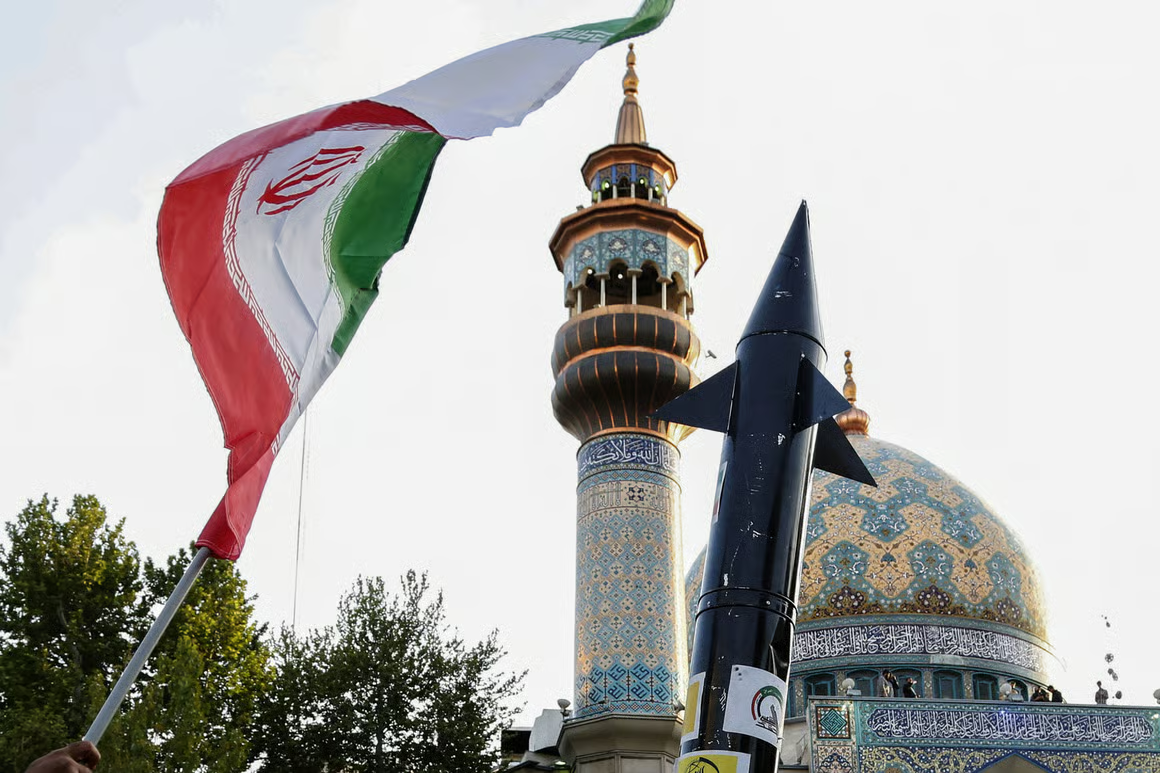
Iran says it is still producing missiles despite severe damage. Its new supreme leader has issued defiant messages during Nowruz. Meanwhile, Iranian drones hit a major refinery in Kuwait and started fires, while other projectiles struck targets in Bahrain and Saudi Arabia.
The economic impact has already spread far beyond the region. Oil prices jumped from about $70 to $108 a barrel. At the same time, shipping through the Strait of Hormuz, which carries about one-fifth of the world’s oil, has faced repeated disruption.
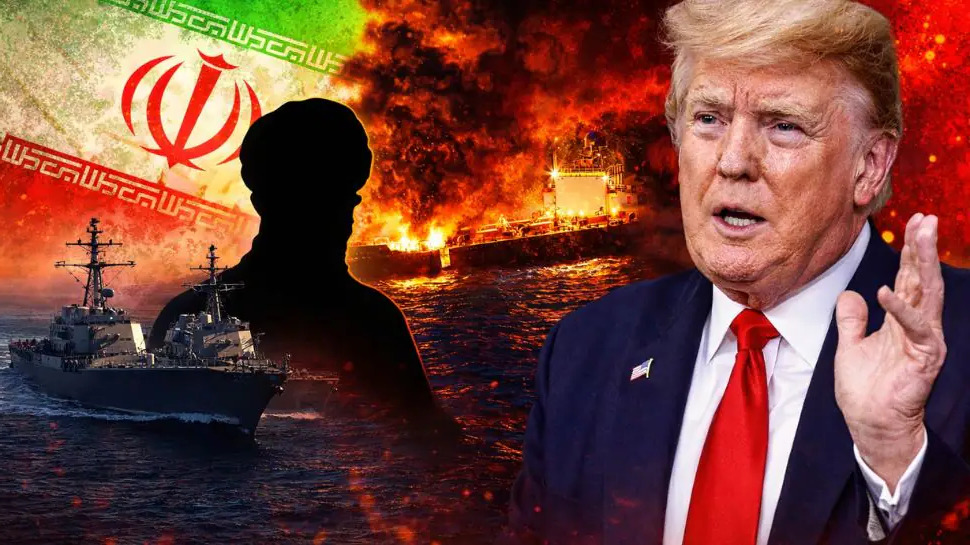
In response, the United States is sending more military force to the region. Three more amphibious assault ships and about 2,500 Marines are on the way, joining more than 50,000 U.S. troops already deployed there. President Donald Trump has sent mixed messages, saying on social media that operations may be “winding down,” while the Pentagon seeks another $200 billion in funding.
Why Iran’s Threat Could Hit Global Tourism Hard
Travel analysts say this warning is both unusual and serious. It is rare for a government to openly threaten recreational sites. The Skift travel intelligence platform put it plainly: “Such an overt, specific threat to tourism from an official government entity is rare.”
Several types of destinations may now face added concern:
- Famous landmarks in Europe and North America
- Beach resorts in the Mediterranean and Caribbean
- Theme parks and family vacation hubs in the U.S.
- Historic attractions in allied nations
Even places far from the Middle East are feeling the pressure. Spring break 2026 was expected to help continue the tourism rebound. Now, many families may think twice before booking a trip.
The wider travel industry, worth trillions of dollars, depends on a basic sense of safety. So even one major attack could set off cancellations from Paris to Orlando, and from Bali to New York. Travel insurance costs are already rising, and airlines say they are seeing early signs of hesitation.
Updated Travel Advisories Around the World
Governments reacted quickly. On March 22, 2026, the U.S. State Department released an updated Worldwide Caution notice. It advises Americans, especially those in the Middle East, to “exercise increased caution.” One key line stands out: “Groups supportive of Iran may target other U.S. interests overseas or locations associated with the United States and/or Americans throughout the world.”
The Department of Homeland Security and the FBI also raised domestic alerts. Soon after, several European countries and Australia issued similar warnings. NATO even withdrew advisory staff from Iraq after Iranian-linked attacks on military bases.
Travelers should take a few steps right away:
- Check official travel advisories every day before leaving
- Stay away from large crowds at major tourist sites
- Enroll in embassy alert programs such as the U.S. STEP system
- Buy travel insurance that includes war and terrorism coverage
- Watch for suspicious behavior in crowded public places
Iran’s Long Record of Proxy Attacks Abroad
This threat doesn’t come out of nowhere. For decades, Iranian-backed groups have carried out or planned attacks in Europe, Latin America, and Asia. Hezbollah and other militias backed by Tehran are known for indirect strikes and often focus on easier civilian targets.
Now experts say that same playbook may be back in use. Because Iran’s regular forces are under pressure from U.S. and Israeli airstrikes, the regime may rely more on overseas proxies. Sleeper operatives already in place could move quickly. Parks, beaches, and busy plazas fit the profile of the soft targets terrorist groups often seek.
What This Means for Travelers and the Travel Business
Families planning summer trips are now facing harder choices. A vacation in a European capital or at a U.S. theme park used to feel simple. Now it comes with more uncertainty. Tour companies say worried clients are already calling. Hotels and cruise operators are also reviewing security plans.
Tehran’s message is plain: places connected to its enemies may no longer be off-limits. That could include crowds at the Eiffel Tower in Paris, Times Square in New York, Sydney Harbour, or the beaches of Florida. No attack has happened at those sites so far, but the warning alone is hurting public confidence.
Economists expect a wider ripple effect. Tourism has lost billions during earlier global shocks. So another hit could slow the recovery in countries that depend heavily on visitors, including Thailand, Greece, and Mexico.
Officials and Analysts Urge Caution
U.S. officials say intelligence agencies are tracking the threat closely. In Britain, ministers approved the use of UK bases to help protect shipping routes. Meanwhile, Gulf allies have tightened security around both energy sites and tourist areas.
Security analysts are urging people to stay calm, but stay alert. One Middle East expert told reporters, “This is classic Iranian pressure tactics. They want to push the conflict beyond the battlefield and strike where it hurts economies and public morale.”
NATO’s move to relocate staff from Iraq also shows that the alliance sees the risk of spillover as real.
What Comes Next
There is no sign that the war will end soon. Iran says it will keep fighting. The U.S. and Israel say they will continue working to remove the nuclear and missile threat. Meanwhile, travelers are stuck in the middle.
Anyone with upcoming travel plans should keep checking official updates. The State Department and similar agencies are likely to issue new alerts if the threat level rises. For now, the message is simple: take your trip seriously, stay aware, and don’t ignore changes in the security picture.
Iran’s warning marks a troubling new phase in this conflict. Parks and tourist sites, long seen as places of rest and escape, may now be viewed as possible targets in a wider war. That leaves millions of travelers around the world weighing comfort and fun against a very different level of risk.
As one tourism executive said, “Safety has always been our top priority. Today that priority just got a lot more urgent.”