


WASHINGTON, D.C. – US President Trump and Iran struck a two-week ceasefire late Tuesday. They stepped back from major destruction right before a US deadline.
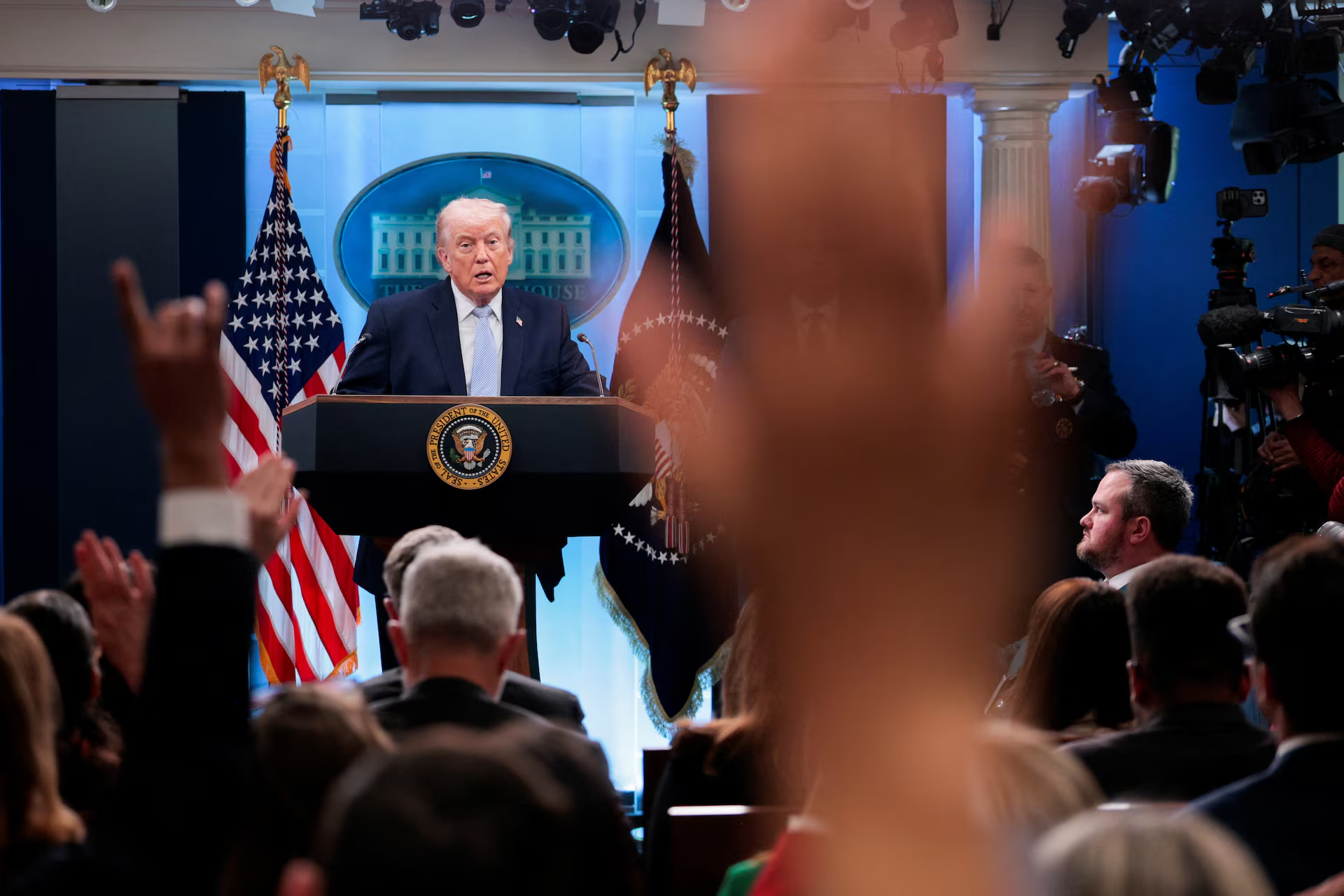
President Donald Trump shared the news after Pakistan stepped in with talks. He paused US attacks because Iran promised to fully reopen the Strait of Hormuz.
This deal happened under two hours before Trump’s 8 p.m. Eastern Time cutoff. He had warned of bombing Iran’s power plants, bridges, and vital sites. Now tensions ease for a bit in a fight that killed thousands and messed up world oil since late February 2026.
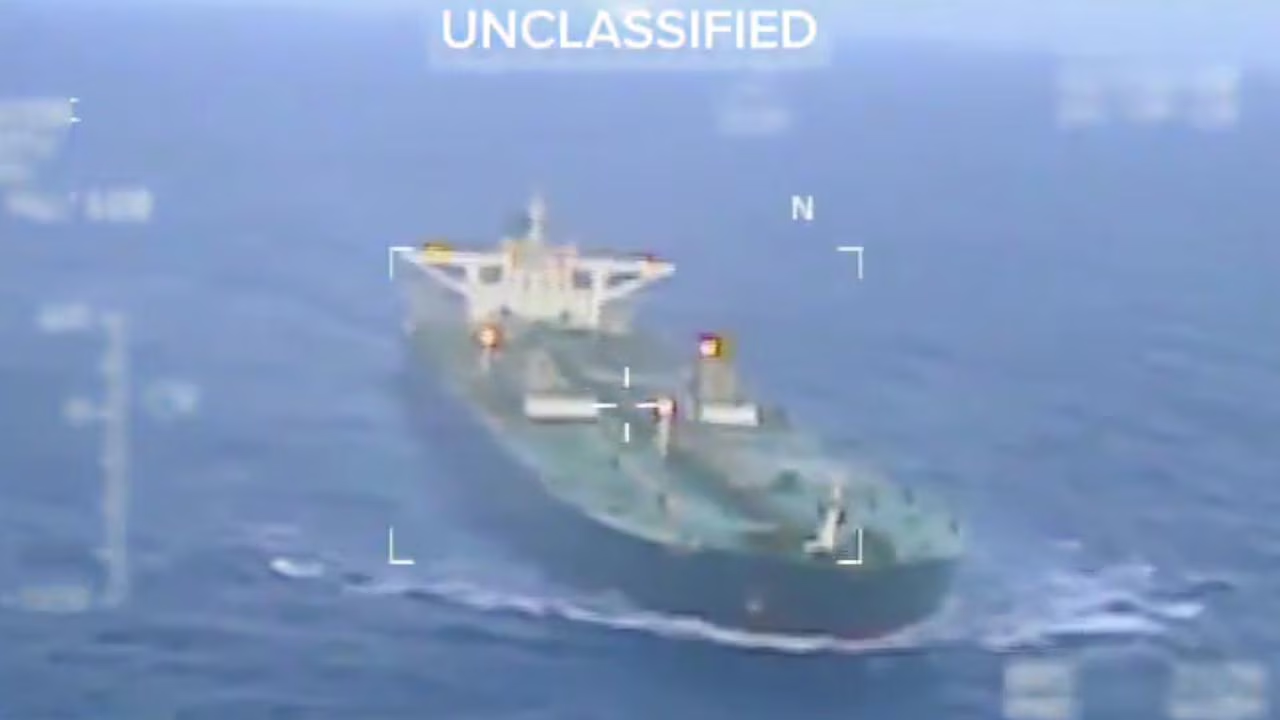
A US-Israeli operation against Iran kicked off in late February. Nuclear talks failed first. Then Iran shut the Strait of Hormuz after strikes hit. Oil prices jumped because that route carries 20% of global oil. Shipping almost stopped.
Trump gave Iran clear warnings to reopen the Strait for safe traffic. His words got tougher lately. He said no deal by Tuesday night meant “complete demolition” of power plants and bridges. Without action, he added, “a whole civilization will die tonight.”
Iran turned down short breaks. They wanted a full fix, like ending sanctions and no more strikes. Tehran sent a 10-point plan via go-betweens. Trump called it a “significant step,” but not enough alone.
Markets shook as the deadline neared. Energy pros warned of shortages and high prices hitting Europe, Asia, and beyond.
Pakistan Steps Up for Quick Talks
Prime Minister Shehbaz Sharif of Pakistan made the deal happen. He asked publicly for a two-week delay so talks could work. Sharif talked straight with US leaders, including Vice President JD Vance.
Pakistan borders Iran and has old ties there. So Islamabad stayed neutral and hosted back-channel chats. They passed ideas between Washington and Tehran. People close to the talks said Sharif worked hard with many calls. His plan mixed urgent aid with big security fixes.
Trump posted on Truth Social: “Subject to the Islamic Republic of Iran agreeing to the COMPLETE, IMMEDIATE, and SAFE OPENING of the Strait of Hormuz, I agree to suspend the bombing and attack of Iran for a period of two weeks.”
This break lets teams tackle main problems like Iran’s nuclear work, proxy fights, and sanctions.
Main Points of the Deal
The pause lasts two weeks from Tuesday’s announcement. The US holds off strikes on power plants, bridges, and other key spots. Iran must reopen the Strait of Hormuz right away for safe global shipping. Pakistan keeps mediating. Turkey and Egypt might join in. Next, they build on Iran’s 10-point plan for a bigger agreement.
Both sides call it shaky. US leaders say any Iranian slip restarts the bombs. Iran pushes for real peace, not just a quick stop.
Experts see the window as a big chance. “This isn’t peace, but it stops a wider war pulling in others,” one Middle East pro said. He stayed unnamed because talks stay sensitive.
Oil prices dipped in late trading. Traders hope open lanes will steady supplies. Still, no one has checked full compliance yet.
Aid groups cheered the halt. More strikes meant blackouts for millions, bad water, and worse times for regular Iranians.
Big issues linger. First, check if the Strait stays open without Iranian blocks or proxy trouble. The US demands no nuclear weapons from Iran. Tehran says its program stays peaceful. Israel keeps hitting, and Iran backs Hezbollah, so layers add up. Hardliners in both capitals fight to give.
Trump repeats his aim: “Iran cannot have a nuclear weapon.” He sees the push as key for US safety and friends. He offers better ties if Iran shifts.
Iran blames the U.S. and Israel for the attacks. They want sanctions gone as an economic war.
World Responds Fast
China and Russia back talks but slam US threats as risky. They blocked UN moves on the strait before. Europe likes the pause and wants a quick, full calm for energy. Gulf countries quietly want the strait open for their oil sales. Pakistan’s Sharif called it a “victory for diplomacy” and offered more talks in Islamabad.
The UN boss urged both to use the time well and skip bad moves.
The two countries teetered before. Strains started with Iran’s 1979 revolution. Sanctions, proxy wars, and Trump’s pullout from the 2015 nuclear deal marked the years.
This round grew from max pressure, Israeli hits, and Iran’sStraitt shutdown. What began small turned into fights over power and oil flows.
Pakistan’s role shows new shifts. Muslim nations step up to stop bigger blowups.
Looking Forward: What the Next Two Weeks Might Bring
In the coming days, diplomats will likely focus on concrete steps:
- Monitoring and verifying the reopening of the Strait of Hormuz.
- Exchanging detailed proposals based on Iran’s 10-point plan.
- Addressing humanitarian corridors for food and medicine.
- Building confidence through small, verifiable gestures.
Success could lead to broader talks involving more parties. Failure, however, risks returning to the path of destruction Trump outlined so starkly.
For now, the world breathes a collective sigh of relief. A two-week ceasefire may seem short, but in the context of rapid escalation, it represents a critical off-ramp.
As one veteran diplomat put it: “Diplomacy often works best when the alternative is too terrible to contemplate. Tonight, both sides looked over the edge—and chose to step back, at least for now.”
The coming days will test whether this pause can translate into something more enduring. For millions affected by the conflict, that hope cannot come soon enough.
Sources include: White House statements, Pakistani updates, big news reports, and policy backgrounds. All from public info as of April 8, 2026.