

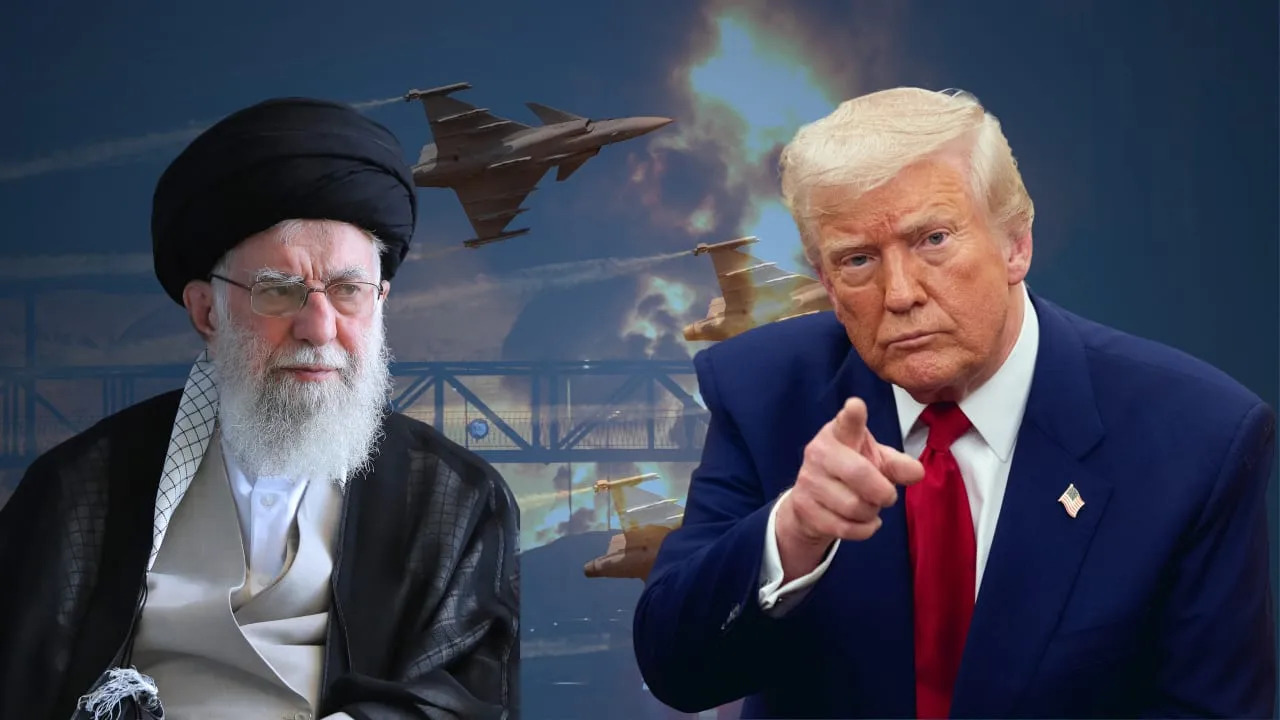


WASHINGTON, D.C. – Tensions in the Middle East spiked after US President Donald Trump announced a large joint military campaign with Israel against Iran, and tied it directly to calls to remove the Islamic Republic’s leadership.
Strikes that began on February 28, 2026, have prompted major global reaction. Some reports claim Iran’s Supreme Leader, Ayatollah Ali Khamenei, was killed, along with other senior figures. Trump framed the attacks as necessary to end Iran’s nuclear ambitions, blunt its ballistic missile program, and disrupt support for armed groups across the region. He also urged Iranians to “seize control of your destiny” and “take over your government.”
Some outlets have used the name “Operation Epic Fury” for the campaign. Either way, the message signals a clear shift toward open regime change, a stance Trump criticized when earlier administrations pursued it. As fears of a wider war grow, Western leaders have responded in different ways. Many say they support the Iranian people, even as they disagree on the military path.
Australia’s Anthony Albanese Offers the Most Direct Support
Australia’s Prime Minister Anthony Albanese has taken one of the strongest public positions among US partners, aligning closely with the idea of backing Iranians against their government.
“Australia stands with the brave people of Iran in their struggle against oppression,” Albanese said in a recent address. He argued the Iranian government has fueled instability for decades through its nuclear and missile work, support for armed proxies, and violent crackdowns at home. He also pointed to claims of Iranian-directed activity affecting Australia.
Albanese repeated Australia’s support for US efforts “to prevent Iran from obtaining a nuclear weapon and to prevent Iran continuing to threaten international peace and security.” He said the regime lacks legitimacy because it relies on repression and killings. He also said Khamenei’s reported death “will not be mourned,” while stressing the need to protect Australians in the region.
That stance places Canberra firmly alongside the US-led effort, and it highlights shared concerns about Iran’s threat to broader security.
Europe Responds With Caution While Condemning Iran’s Retaliation
Across Europe, leaders have sounded more careful. They condemned Iran’s retaliatory strikes, but they also pushed for talks and warned against further escalation. At the same time, their stated priorities still overlap with Trump’s goals of limiting Iran’s nuclear and regional reach.
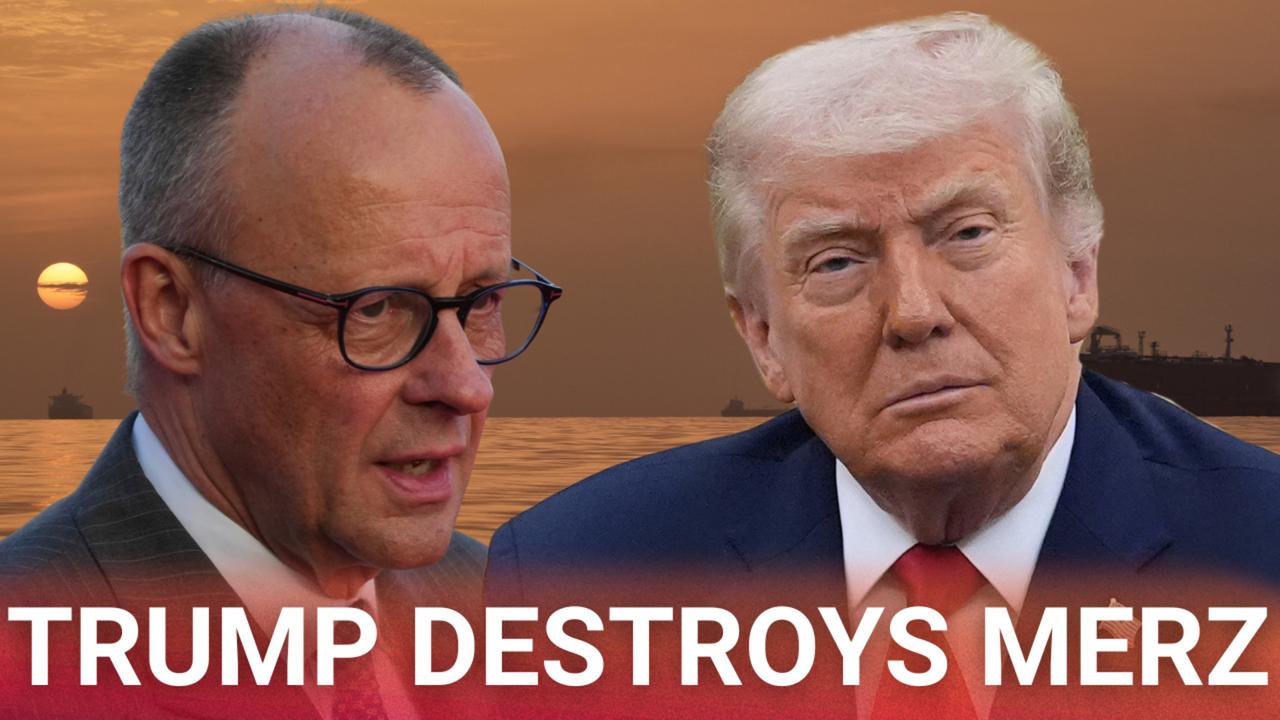
- UK Prime Minister Keir Starmer, French President Emmanuel Macron, and German Chancellor Friedrich Merz released a joint statement calling for renewed US-Iran negotiations. They said they prefer a “negotiated settlement.” They also stressed they did not join the strikes, while staying in close touch with the US, Israel, and partners in the region.
- They condemned Iran’s missile and drone attacks on Israel and on US positions, and urged Tehran to stop strikes that put civilians at risk.
- Although they did not endorse regime change, their focus on restraining Iran’s nuclear program and regional actions tracks closely with Washington’s stated aims.
European governments have long leaned toward diplomacy over force. Still, Iran’s recent crackdowns on protests, with reports of thousands killed, have weakened sympathy for Tehran in many Western capitals.
Wider Western and Allied Reactions Split Along Familiar Lines
Beyond heads of government, reactions across allied states and in the US have ranged from full support to sharp criticism.
- In Washington, many Republican leaders backed Trump. Senate Majority Leader John Thune praised the operation as a way to block Iran’s nuclear goals and support for terrorism. House Speaker Mike Johnson said the strikes confronted the regime’s “evil actions.”
- Some Democrats also supported limited action. Rep. Greg Landsman backed strikes aimed at military infrastructure, arguing they could curb the regime’s violence and open a path to peace and freedom for Iranians.
- Others opposed the operation. Sen. Rand Paul and Rep. Thomas Massie criticized it as against “America First” principles and argued Congress should authorize major military action.
In the Middle East, several US partners condemned Iran’s retaliation but said little publicly about the US-Israeli campaign. That quiet reflects long-standing worry about Tehran’s reach and the risks of openly taking sides.
Meanwhile, Russia and China condemned the strikes as aggression and a breach of sovereignty.
Why the Strikes Happened, and Why Iran Looks Exposed
The campaign followed stalled nuclear talks. Trump set a 60-day deadline that Iran did not meet, according to US statements. The stated targets include Iran’s nuclear and missile programs, parts of its naval capacity, and armed networks tied to Tehran, including Hezbollah, Hamas, and the Houthis.
Trump’s message to Iranians went beyond military goals. He called for internal change, and reports say he offered possible immunity to members of Iran’s military and security services who defected. That appeal comes as protests continue, and as the country faces deep economic strain and heavy repression.
Analysts also point to a major risk for Washington and Israel. Air power alone rarely topples a government without ground forces or a unified opposition. Still, if Khamenei’s death is confirmed, the shock could speed up instability. Some warn the IRGC could tighten control. Others point to opposition figures, including Reza Pahlavi, as possible rallying points.
What This Means for Global Security
As strikes continue, the world is preparing for more escalation. Iran has already hit back at US positions and at Israel, raising the odds of a larger regional conflict. Even with differences in approach, many Western statements show a shared view: Iran’s nuclear drive and its repression at home remain central concerns.
Australia, under Albanese, has been the clearest in its language, framing the moment as solidarity with Iranians who want change. Whether military pressure triggers a real shift in Tehran, or locks the region into a longer war, remains uncertain. What is clear is that late February 2026 has reshaped the debate on Iran, and it has forced allies to choose their words carefully.
In the days ahead, the key test will be whether this pressure sparks internal change, or whether it expands a conflict few capitals say they want. For now, many Western leaders say they stand with people inside Iran who want a different future.