

WASHINGTON, D.C. – A major diplomatic spat threatens to derail US-European relations as German Chancellor Friedrich Merz accuses Trump of being outplayed by Iran, prompting a fiery response from President Donald Trump over Germany’s domestic woes.
A full-blown diplomatic row has erupted between US President Donald Trump and German Chancellor Friedrich Merz, sending shockwaves through the transatlantic alliance. The dispute, which began over stalled ceasefire negotiations with Iran, has quickly spiraled into a bitter exchange of political insults.
At the center of the storm is Merz’s unusually blunt claim that Iran’s leadership has “humiliated” Washington with shrewd and evasive negotiating tactics. The comment drew a swift and furious response from Trump, who blasted the German leader for his own domestic failures. Trump pointedly suggested that Merz should focus on fixing his “broken country,” highlighting Germany’s struggles with migration, inflation, and controversial energy policies—including its historic reliance on Russian gas and the decision to shut down its nuclear power stations.
This public clash exposes deep and growing fractures between the United States and its European allies. As the economic fallout from the Middle East conflict continues to batter the global economy, the unity of the Western alliance is being tested like never before.
The “Humiliation” Comment That Started It All
The diplomatic spat was ignited earlier this week during what was supposed to be a routine public appearance. Speaking to students in the western German town of Marsberg, Chancellor Merz delivered a surprisingly harsh assessment of the ongoing, indirect negotiations between the United States and Iran in Islamabad.
Merz accused the US of entering the conflict without a clear exit strategy. According to a recent report by The Guardian, the German leader stated that the Iranians were negotiating “very skillfully—or simply very skillfully not negotiating.”
He pointed to a recent incident where US negotiators traveled to the Pakistani capital for talks, only to leave empty-handed after the Iranian delegation refused to make concessions. “An entire nation is being humiliated by the Iranian leadership, especially by these so-called Revolutionary Guards,” Merz said.
Merz expressed regret over not warning Trump more emphatically about the dangers of a prolonged conflict, drawing parallels to the decades-long US military engagements in Iraq and Afghanistan. He argued that it is easy to get into a conflict, but much harder to get out of one.
Trump Strikes Back: “Fix Your Own Broken Country”
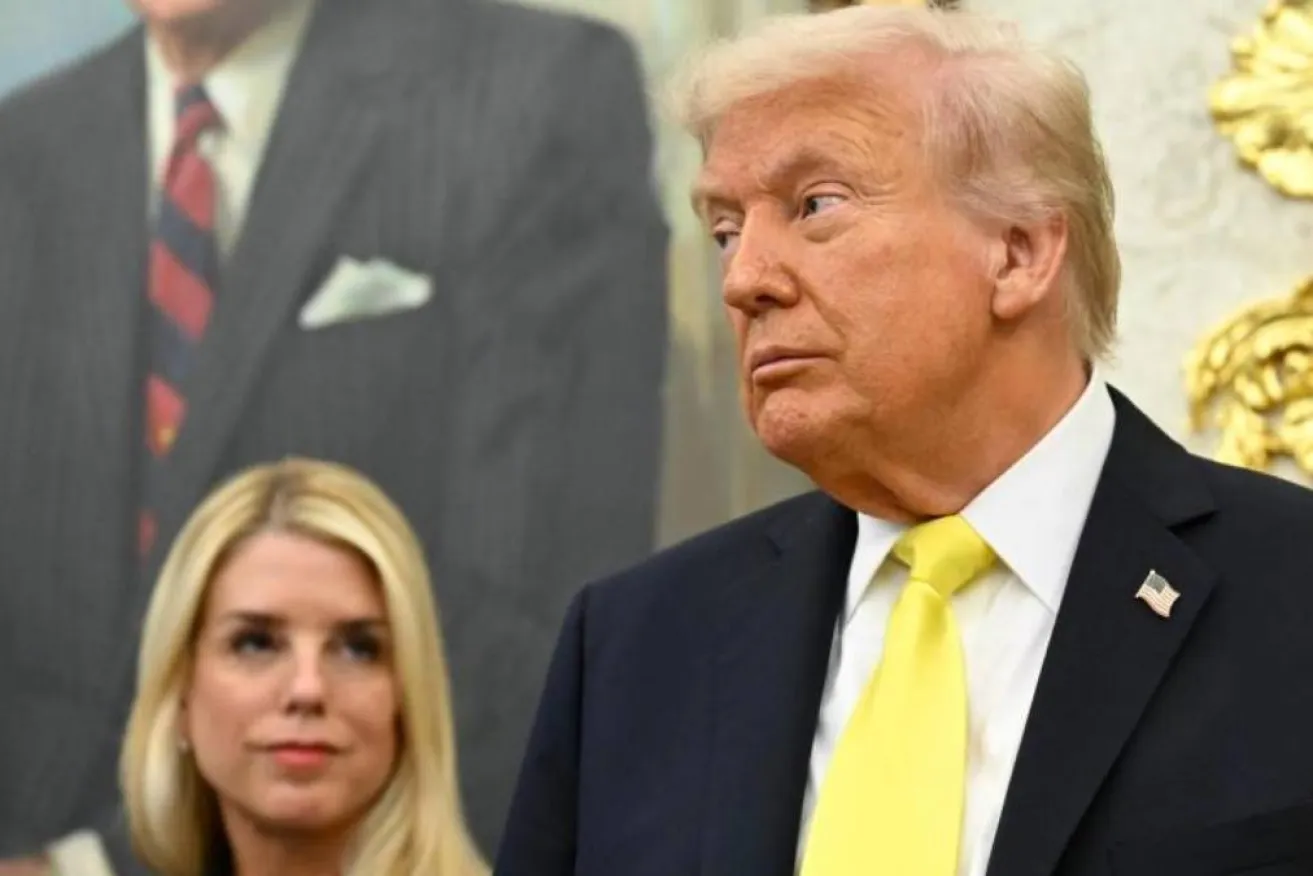
Donald Trump, never one to let a public criticism go unanswered, immediately launched a blistering counterattack. Taking to his Truth Social platform, the US President dismissed Merz’s critiques and accused the German Chancellor of fundamental incompetence.
“The Chancellor of Germany should spend more time on ending the war with Russia/Ukraine… and fixing his broken Country, especially Immigration and Energy,” Trump wrote, as reported by The Times of Israel. Trump further accused Merz of interfering with American efforts to eliminate the Iranian nuclear threat.
Trump’s response did not stop at the current geopolitical crisis. He took the opportunity to dig into long-standing American grievances regarding Germany’s domestic policies. He specifically targeted Berlin’s energy and migration strategies, which have been a source of transatlantic tension for years.
The Transatlantic Clash at a Glance
To understand how relations broke down so quickly, here is a quick look at the core arguments from both sides:
- The German Grievance: Merz believes the US entered the Iran conflict without an exit plan, causing a global energy crisis that is crippling the European economy.
- The American Grievance: Trump feels European allies are ungrateful free-riders who criticize US security efforts while expecting America to fix global problems.
- The Economic Reality: A blocked Strait of Hormuz is causing inflation across the globe, putting immense domestic pressure on both leaders.
- The History of Bad Blood: Trump has long despised Germany’s previous decisions to close its nuclear power plants and build Russian gas pipelines, viewing them as massive strategic failures.
Energy Policies and Pipelines: A History of Tension
Trump’s criticism of Germany’s energy landscape strikes a very sensitive nerve in Berlin. While Friedrich Merz is relatively new to the Chancellery, his government is dealing with the long-term consequences of decisions made over the past two decades.
Trump specifically highlighted Germany’s decision to close down its nuclear power stations. Following the Fukushima disaster in 2011, former Chancellor Angela Merkel accelerated the phase-out of nuclear energy. The final three nuclear plants were shut down just a few years ago, a move that left Germany highly dependent on imported fossil fuels and vulnerable to global supply shocks.
Furthermore, Trump brought up the highly controversial Nord Stream gas pipelines. For years, Washington warned Berlin that building pipelines directly to Russia would give Moscow dangerous leverage over European energy markets. Germany pushed forward with the projects anyway, only to face a massive energy crisis when relations with Russia collapsed.
By bringing up these historical sore spots, Trump is arguing that German leadership lacks the foresight and strategic competence to lecture the United States on foreign policy. In Trump’s view, a country that voluntarily dismantled its own energy security has no right to critique American military and diplomatic strategies in the Middle East.
The Economic Toll of the Iran Conflict
Beneath the political theater, the core issue driving this wedge between Washington and Berlin is money. The ongoing conflict is causing severe economic pain in Europe.
The most critical flashpoint is the Strait of Hormuz, a vital chokepoint for global oil and gas shipments. With the Strait effectively blocked and supply chains disrupted, energy prices in Europe have skyrocketed. The German economy, heavily reliant on manufacturing and energy-intensive industries, is feeling the squeeze.
Merz’s government recently had to halve its economic growth forecast for the year, projecting a near-stagnation of 0.5 percent. The rising cost of living is causing immense political pressure at home. From the German perspective, the US military actions in the Middle East are directly hurting European citizens.
“We are suffering considerably in Germany and in Europe from the consequences of, for example, the closure of the Strait of Hormuz,” Merz admitted. While Germany has offered to send minesweepers to help clear the strait, Berlin has made it clear that it will only do so after a comprehensive ceasefire is reached.
Navigating the Complex Web of Migration
Trump’s jab at Germany’s “failed migration” policies adds another layer of complexity to the feud. Germany has taken in millions of refugees and migrants over the past decade, beginning with the 2015 Syrian refugee crisis and continuing with the influx of people fleeing the Russian invasion of Ukraine.
While international observers have often praised Germany’s humanitarian efforts, the domestic reality is far more strained. Local municipalities in Germany are struggling to provide housing, education, and social services for new arrivals. The integration process has been fraught with challenges, and public sentiment has grown increasingly polarized.
Trump, who has built his political brand on strict border control and anti-immigration rhetoric, views Germany’s approach as a cautionary tale. By linking Merz’s foreign policy critiques to Germany’s internal struggles with migration, Trump is effectively telling his domestic audience that European-style governance leads to chaos and economic decline.
Domestic Pressures on Both Leaders
To truly understand this diplomatic row, one must look at the domestic political landscapes in both the United States and Germany. Both Trump and Merz are playing to their respective bases.
In the United States, Donald Trump is facing his own political headwinds. By taking a tough, uncompromising stance against Iran—and by publicly dressing down a European ally—Trump is projecting strength to his core supporters. His “America First” doctrine relies heavily on the narrative that European nations criticize American leadership while relying on American military might.
In Germany, Chancellor Merz is also fighting a difficult battle. The conservative leader was elected on promises of economic revival and stability. However, the economic fallout from the Iran conflict has stalled those plans. More alarmingly for Merz, the far-right Alternative for Germany (AfD) party is surging in the polls, capitalizing on public anger over inflation, energy costs, and migration.
By publicly standing up to the United States and demanding an end to a war that is hurting the German economy, Merz is attempting to show strong leadership and prevent voters from defecting to populist extremes.
The Role of the Revolutionary Guards and Negotiating Tactics
Merz’s specific mention of the Iranian Revolutionary Guards highlights a crucial aspect of the stalled negotiations. The Islamic Revolutionary Guard Corps (IRGC) wields immense political and military power within Iran, often acting independently of the traditional diplomatic corps.
By stating that the US is being humiliated specifically by the Guards, Merz is drawing attention to the reality that Washington’s traditional diplomatic leverage may be ineffective against a hardened military regime that thrives on asymmetric warfare and economic resilience.
The Iranian strategy, as Merz noted, is one of strategic delay. By sending delegations to Islamabad and offering partial solutions—such as reopening the Strait of Hormuz while refusing to discuss their nuclear program—Tehran is attempting to fracture the Western alliance. They understand that prolonged economic pain will turn European allies against the United States. In this light, Merz’s outburst is exactly the kind of division Iran hopes to cultivate.
The Future of the Transatlantic Alliance
The burning question now is whether this public spat will cause lasting damage to the US-German relationship and the broader NATO alliance.
Historically, the transatlantic partnership has weathered many storms. However, the current geopolitical climate is uniquely volatile. With an ongoing war in Eastern Europe, a major conflict in the Middle East, and shifting power dynamics in Asia, Western unity is essential.
In the days following the initial exchange, Chancellor Merz has attempted to lower the temperature. He recently stated that his relationship with President Trump is “as good as ever,” despite their disagreements over the Iran strategy. This indicates that Berlin recognizes the necessity of keeping Washington engaged and allied, even when diplomatic tactics diverge.
However, the underlying friction remains unresolved. Europe is increasingly anxious about the unpredictability of American foreign policy under Trump, while Washington continues to view Europe as economically sluggish and overly reliant on the US security umbrella.
What Happens Next?
As the ceasefire negotiations in Islamabad remain frozen, the pressure on both leaders will only increase. Iran’s recent proposal to reopen the Strait of Hormuz in exchange for lifting the US economic blockade puts the ball in Washington’s court.
If Trump accepts the deal, he could claim a victory and ease global oil prices, which would provide significant relief to the German economy and perhaps mend the rift with Merz. However, if the conflict drags on, the economic pain in Europe will worsen, likely leading to more vocal criticism from Berlin and other European capitals.
For now, the world watches as two of the most powerful leaders in the West trade barbs across the Atlantic. The “humiliation” in Islamabad has sparked a fire that illuminates the deep structural cracks in the transatlantic alliance. Whether Trump and Merz can set aside their egos and work toward a unified strategy will not only determine the fate of their own political careers but also the stability of the global economy.
Trending News:
Trump Shakes Up NATO: Major US Troop Drawdown in Germany
Supreme Court Crushes Democrats’ Racial Gerrymandering in 6-3 Decision