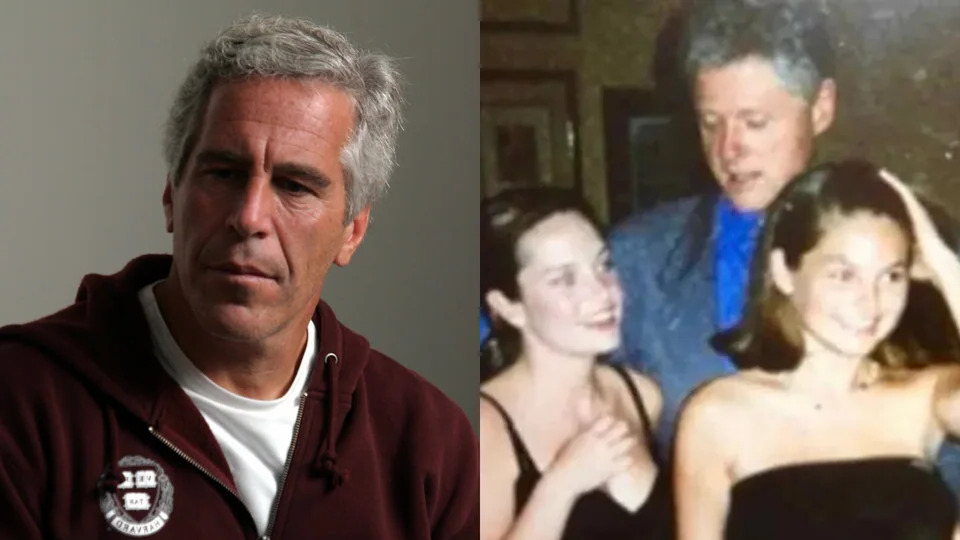


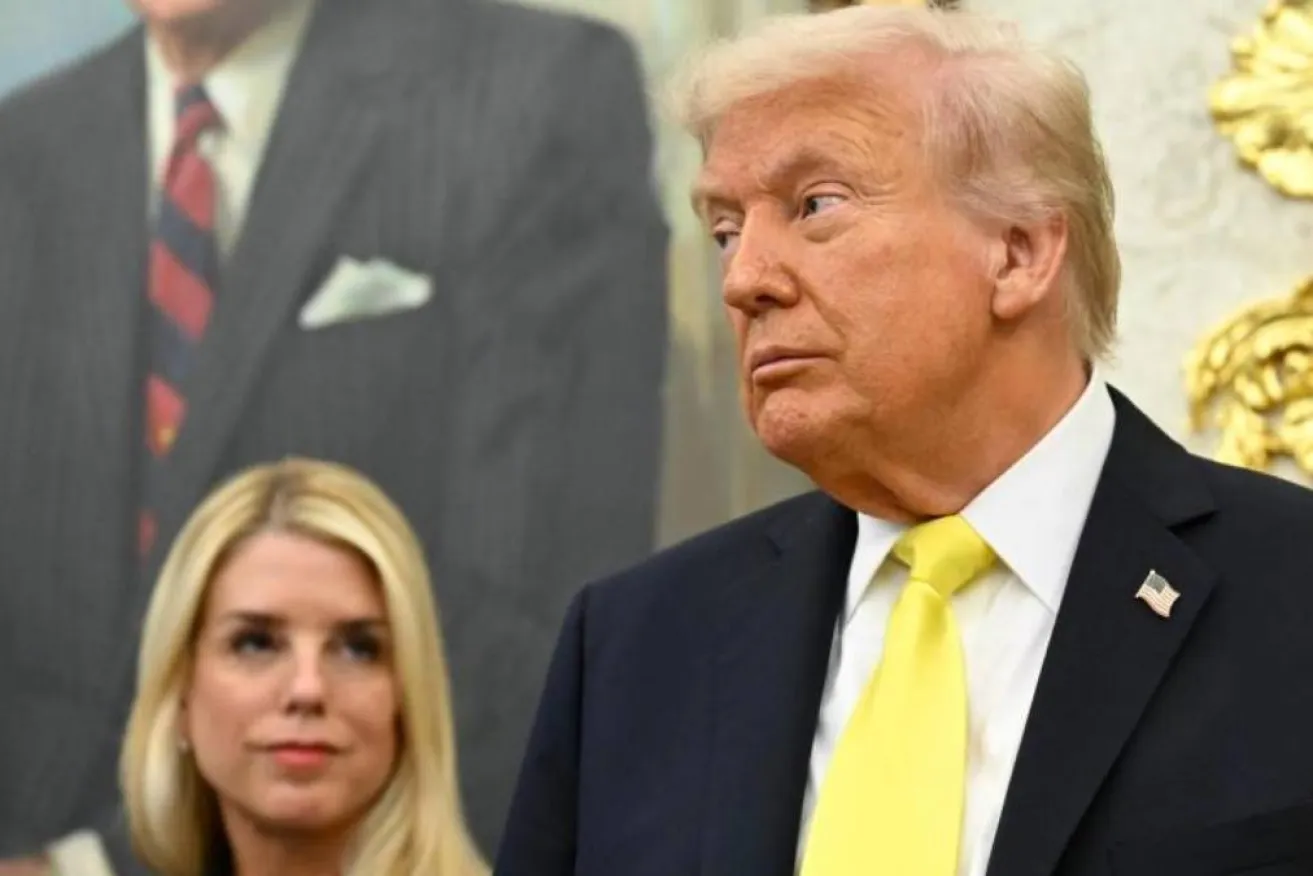

WASHINGTON, D.C. – President Donald Trump is drawing strong reactions after moving forward with a major campaign pledge, releasing government-held records tied to the late financier and convicted sex offender Jeffrey Epstein.
The decision has traveled fast through political and media circles, not only in the United States but also overseas.
Attorney General Pam Bondi, a longtime Trump ally, notified Congress in a formal letter that the Department of Justice (DOJ) has released all Epstein-related records in its possession.
Bondi said the release covers records, documents, communications, and investigative materials connected to Epstein’s cases. The disclosure follows the Epstein Files Transparency Act, which Trump signed into law on November 19, 2025.
According to the DOJ announcement, the public dump includes more than 3.5 million pages, over 2,000 videos, and 180,000 images.
The scale has fueled a split response. Supporters call it a rare show of openness in a case surrounded by suspicion for years. Meanwhile, critics, including some Democrats and some victim advocates, argue the release still falls short.
They say heavy redactions, missing materials, and the lack of a clear “client list” leave the public without firm answers, and they also note that no immediate wave of prosecutions followed.
Trump’s Campaign Promise Turns Into Policy
During the campaign, Trump repeatedly said he would declassify and release Epstein-related files. He framed the move as a way to expose elite wrongdoing and alleged cover-ups.
Although Trump initially raised concerns about the law’s impact on presidential investigations, he later signed the bipartisan bill after pressure from victims, Republican lawmakers (including Rep. Thomas Massie), and public demand.
Trump has described the release as unmatched transparency and praised Bondi’s role in managing it. His supporters point to the sheer volume of material and contrast it with what they view as earlier reluctance to disclose Epstein’s network.
To comply, the DOJ said it carried out a wide review process. The department assigned more than 500 attorneys to search and assess records across multiple matters. Those included the Florida and New York Epstein cases, Ghislaine Maxwell’s prosecution, and inquiries tied to Epstein’s death.
What the DOJ Released
- Scope and access: The DOJ made the materials available in searchable, downloadable form on its website at justice.gov/epstein. The files cover areas such as flight logs, travel records, interviews, emails, and media tied to Epstein and Maxwell.
- Redactions: The DOJ kept some information under seal or blacked out under legal requirements and court orders. The stated goal is to protect victims and prevent unnecessary privacy harm.
- List of high-profile names: Bondi and Deputy Attorney General Todd Blanche also gave Congress a list of more than 300 “politically exposed persons” and government officials who appear in, or are referenced by, the documents. The DOJ noted that appearances vary widely. Some entries reflect direct contact with Epstein or Maxwell, while others come from news clippings or passing mentions.
The list includes well-known figures across politics, business, and entertainment, including:
- President Donald Trump (described as having past social ties, with no accusations of wrongdoing in the document’s framing; Trump has denied involvement and says the records clear him)
- Former President Bill Clinton
- Bill Gates
- Prince Andrew (Duke of York)
- Barack and Michelle Obama
- Prince Harry
- Mark Zuckerberg
- Woody Allen
- Bruce Springsteen
- Others in entertainment, business, and politics
The list also stresses that a person’s inclusion does not prove misconduct. In many cases, the reference is not presented as incriminating.
Worldwide Response, Renewed Pressure, and More Scrutiny
After the release, public attention shifted quickly from the files themselves to what they might mean for powerful people who once crossed paths with Epstein. The ripple effects have reached from Westminster to Florida and Washington, with heavy coverage across Europe and beyond.
- Resignations and new reviews: Some people have faced calls to step away from boards, advisory posts, or other roles. In addition, several international officials and business figures have seen renewed media and regulatory attention.
- Congress ramps up oversight: Tense hearings followed, with Bondi facing sharp questions from Democrats. Critics accused the DOJ of incomplete transparency, flawed redactions that exposed victims in some places, and possible shielding of influential names. Rep. Jamie Raskin and others pointed to unredacted references involving powerful individuals.
- Victims and advocates speak out: Some survivors criticized parts of the release as reckless. They called for clearer protections, fuller disclosures, and the release of materials they believe are still missing, including alleged prosecution memos.
- International focus returns: In the United Kingdom, attention returned to Prince Andrew. Meanwhile, tech and finance circles again faced questions about past ties to Epstein.
So far, the release has not produced a broad set of new indictments. Still, the new public record has driven talk of further investigations into potential co-conspirators.
Applause and Backlash, Often Along Party Lines
Trump allies describe the disclosure as proof he followed through on a pledge to expose entrenched power. Conservative media, including Fox News, highlighted Bondi’s announcement as a win for transparency.
On the other hand, critics argue the effort is incomplete. Some lawmakers say redactions protect certain people, deadlines slipped, and the rollout favors political theater over justice. At the same time, online speculation continues, with calls for more records and fewer blackouts.
Bondi has defended the DOJ’s approach. She says the department met the law’s requirements while following court orders and protecting victims. Trump has also posted that the released files “conclusively” clear him.
What Happens Next
Attention is now turning to what comes after the release:
- New calls to investigate credible leads found in the documents
- Congressional efforts to push for additional disclosures or outside review
- Continued debate over transparency and privacy in high-profile criminal cases
The Epstein case has long drawn distrust and intense interest. This latest release changes the public record in a big way, but it also sets up the next fight over what remains hidden, what matters most, and what accountability should look like.