

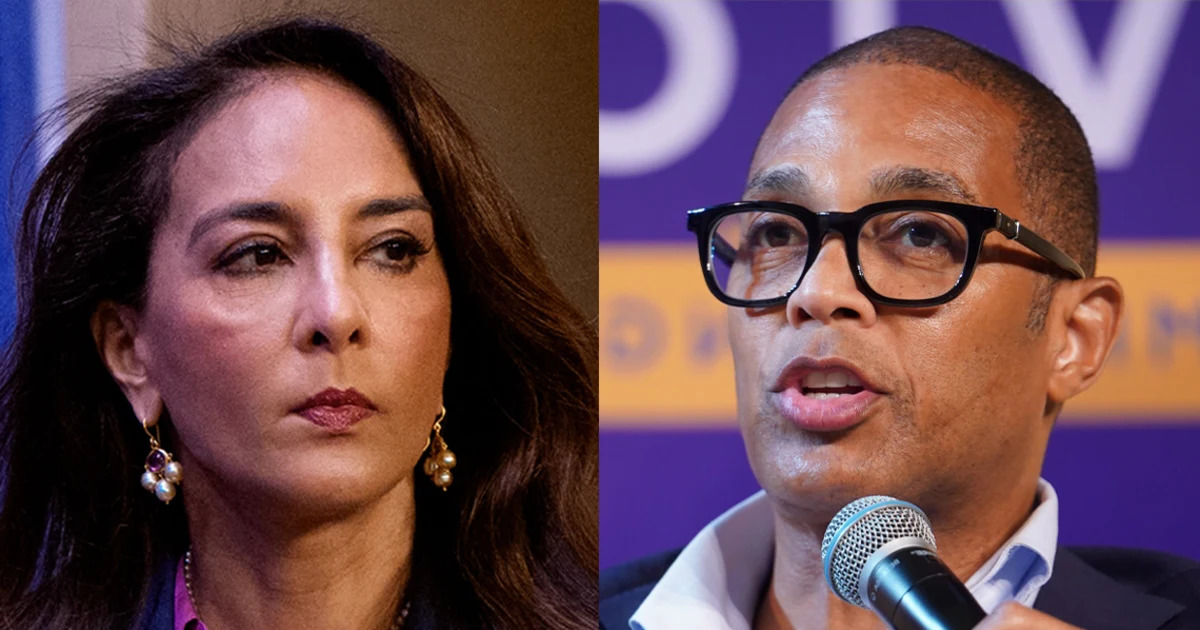


MINNESOTA – The latest dispute involving former CNN anchor Don Lemon and activists linked to Black Lives Matter (BLM) has sparked a loud national argument. On January 19, 2026, the U.S. Department of Justice (DOJ), led by the Trump administration, said it plans to seek federal charges tied to Don Lemon and others involved in a disruptive protest at Cities Church in St. Paul, Minnesota.
Investigators are reviewing possible civil rights violations, including the Ku Klux Klan Act (the Enforcement Act of 1871) and, in some public commentary, the Freedom of Access to Clinic Entrances (FACE) Act.
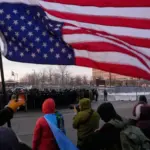
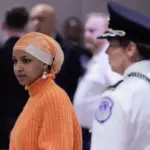
The protest took place during a Sunday service at Cities Church. Reports say a pastor at the church has a role connected to Immigration and Customs Enforcement (ICE). Demonstrators, including people tied to BLM Minnesota, walked into the sanctuary during worship.
They demanded answers over the death of Renee Good, a Minneapolis woman killed by an immigration officer earlier in January. The group disrupted the service, confronted people in attendance, and called for ICE to be removed from the area.
Don Lemon, now working as an independent journalist, livestreamed the moment on social media. He entered the church with activists and recorded what was happening as it unfolded.
Don Lemon later said he was doing his job, adding that he knew the protest was planned and went there to cover it. Critics said his actions looked less like reporting and more like taking part. Some described the scene as frightening for churchgoers, including families and children who were present.
Videos shared by BLM Minnesota and Lemon show protesters shouting demands and accusing the church community of backing “white supremacist” policies because of the alleged ICE link. Some parishioners said they felt scared, and one called it a brazen insult to their place of worship.
DOJ Response and Claims Tied to the KKK Act
Assistant Attorney General for Civil Rights Harmeet Dhillon spoke publicly about the case and said the DOJ intends to bring charges. She pointed to Don Lemon’s presence and argued he looked involved in what she described as a “criminal conspiracy,” not protected press activity.
Dhillon referenced the Ku Klux Klan Act, passed in 1871 after the Civil War, to fight violence and intimidation by groups like the KKK. The law was meant to protect basic rights, including voting and worship.
The statute bars conspiracies that use threats, intimidation, or force to block people from exercising constitutional rights. Here, DOJ officials say the church disruption may have interfered with the free exercise of religion, which is protected under federal civil rights law.
Dhillon said interrupting worship and violating the sanctity of a house of worship could meet that standard.
Some people have also brought up the FACE Act, which is more often tied to access to reproductive health clinics. Minnesota Attorney General Keith Ellison rejected that idea, saying it doesn’t fit this situation. The DOJ has put the spotlight on civil rights protections related to religious practice.
President Donald Trump boosted calls for accountability by reposting messages online that pushed for tough penalties. Some posts compared the situation to cases where pro-life activists faced severe consequences under related laws. Conservative commentators described the incident as an “attack on Christians,” while others noted the irony of using a law associated with fighting KKK intimidation.
What This Could Mean for Don Lemon
Don Lemon has rejected the accusations and said he was doing legitimate reporting tied to immigration enforcement. In interviews, he criticized the church’s reported ICE connections and called the DOJ review political.
BLM Minnesota and other activists have defended the protest as a necessary response to immigration-related harm. Still, the protest split public opinion. Some see it as protected speech, while others view it as crossing a clear line by interrupting worship inside a church.
The situation sits at the crossroads of activism, immigration enforcement, and religious freedom. Legal analysts say using the KKK Act for modern protest cases is unusual, though it has been used in civil rights matters before. If federal charges move forward, the outcome could shape how the government handles future disruptions at places of worship.
As the investigation continues, the case highlights sharp divides over race, immigration, and the limits of protest. Don Lemon, once a major cable news figure, now faces possible federal scrutiny that could change the next chapter of his career after CNN.