

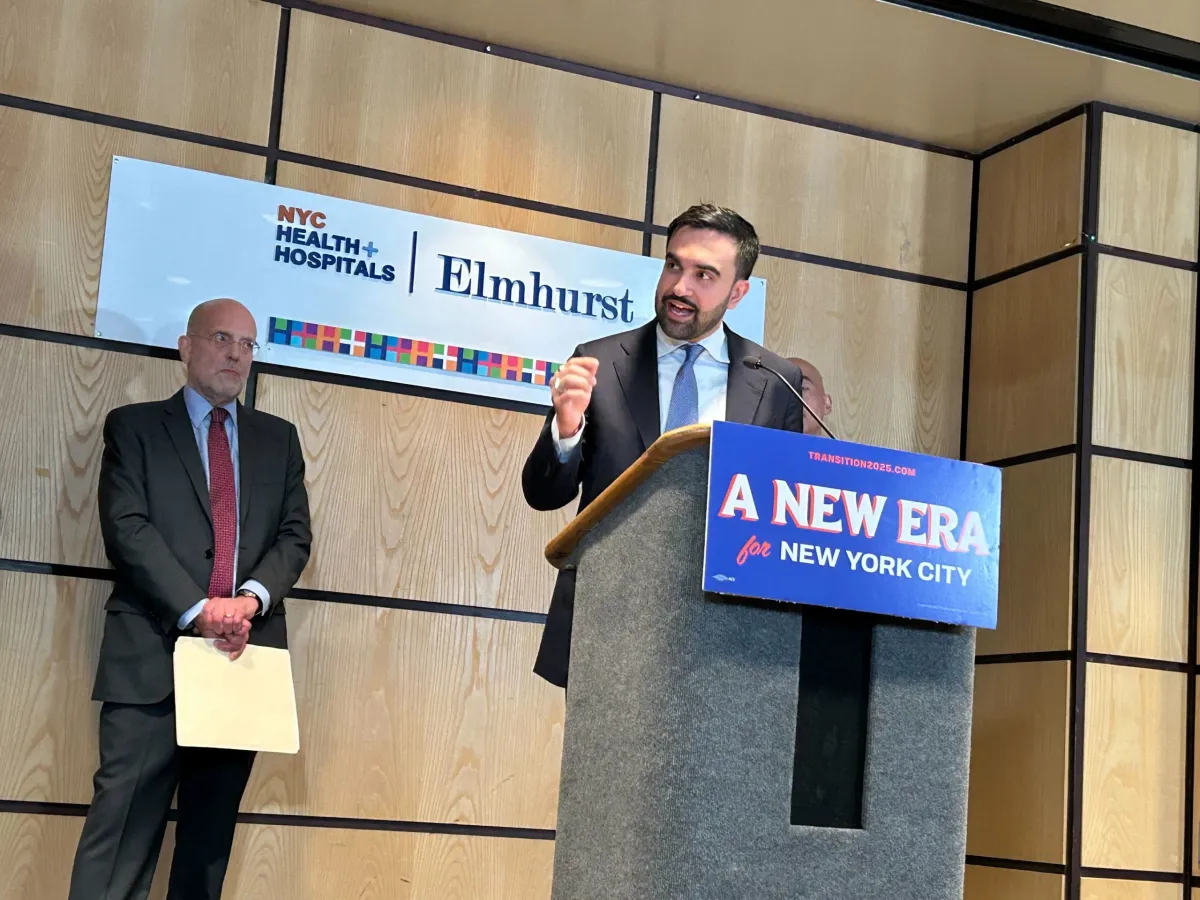


NEW YORK – For decades, the deal for New York City public servants was simple: you work hard for the city, and in return, the city takes care of you in your golden years. But for thousands of retired police officers, firefighters, teachers, and sanitation workers, that promise is feeling a little shaky this week.
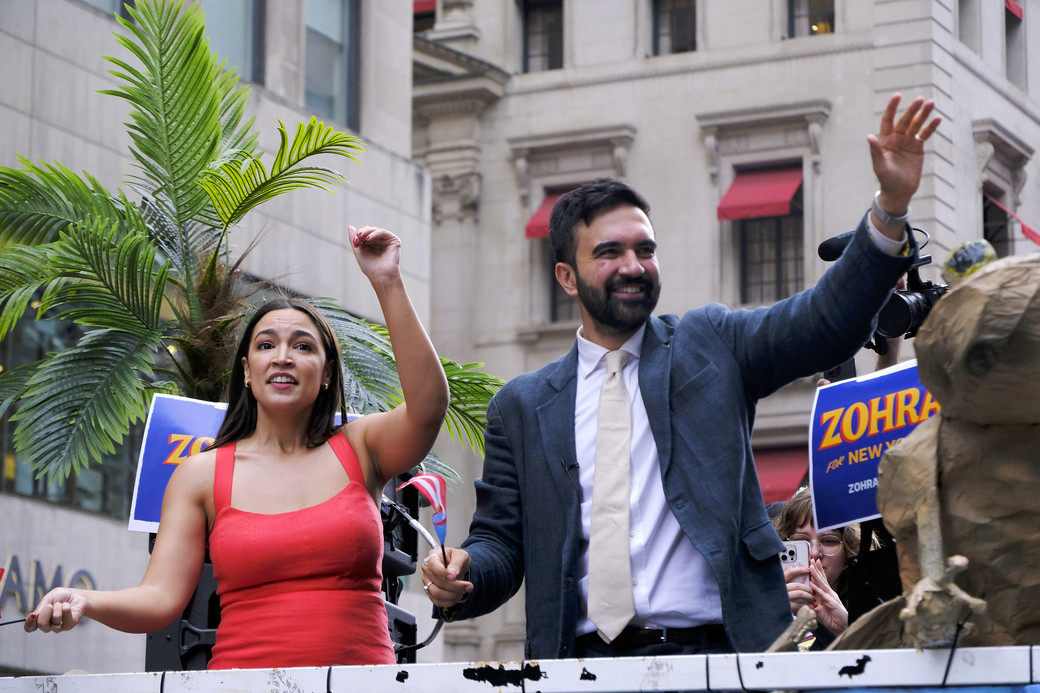
Mayor Zohran Mamdani’s latest budget proposal includes a plan to withdraw $229 million from the Retiree Health Benefits Trust (RHBT). While the administration frames this as a necessary step to balance the city’s books, those who rely on these funds see it as a “raid” on their healthcare security.
What is Mamdani’s $229 Million Proposal?
At the heart of the debate is the Retiree Health Benefits Trust. This is essentially a savings account meant to pay for the future healthcare costs of people who have already retired from city service.
In his Fiscal Year 2027 Preliminary Budget, Mayor Mamdani suggested taking $229 million out of this trust to help bridge a massive budget gap. The city is currently facing a shortfall of roughly $6 billion over the next two years. To make the numbers work legally, the Mayor is looking at several tough options:
- Raising property taxes by 9.5%.
- Tapping into the city’s “Rainy Day” reserves.
- Withdrawing the $229 million from retiree health funds.
The administration argues that since the city is legally required to pass a balanced budget, these “one-time” withdrawals are better than making deep cuts to active services like schools or trash collection.
Why Retirees and Employees Are Worried
Retirees aren’t just worried about the money; they are worried about the precedent. The trust was designed to ensure that even if the city hits hard times, there is money set aside specifically for healthcare.
When the city starts dipping into that pot to pay for general expenses, it creates a “slippery slope.” Here is why many find the move alarming:
- Insolvency Risks: Recent audits from the NYC Comptroller’s office have already signaled that other health-related funds are struggling. Adding more withdrawals could shorten the lifespan of these protections.
- Cost Shifts: There is a fear that if the trust runs low, the city will eventually force retirees into cheaper, less flexible healthcare plans—like the controversial Medicare Advantage shift that has been tied up in courts for years.
- Broken Trust: Many workers took lower pay during their careers because they were promised “premium-free” healthcare for life.
The Bigger Budget Picture
Mayor Mamdani took office during a period of intense financial pressure. The city is dealing with the end of federal pandemic aid, rising costs for migrant care, and a cooling real estate market.
To tackle the $6 billion gap, the Mayor has proposed a “New Revenue” strategy. This includes a mix of wealth taxes and property tax hikes. However, these plans face stiff opposition in Albany and from local homeowners.
“We cannot fund the City’s needs on the backs of homeowners or by digging into emergency reserves,” said City Council Speaker Julie Menin in a recent statement.
The City Council has offered an alternative path that avoids taking the $229 million from the health trust. They suggest finding savings through “government efficiencies” and re-estimating tax revenues, but the Mayor’s office remains cautious.
The Impact on Current Workers
It isn’t just the 250,000 current retirees who are watching this closely. If you are a current NYC teacher or paramedic, this trust represents your future.
The health fund acts as a safety net. If that net is thinned out today to pay for today’s bills, there might not be enough left when current employees reach retirement age. This creates a ripple effect of anxiety across the entire municipal workforce.
Key Budget Figures at a Glance
| Fund Source | Proposed Withdrawal | Purpose |
|---|---|---|
| Rainy Day Fund | $980 Million | FY 2026 Budget Balance |
| Retiree Health Trust | $229 Million | FY 2027 Budget Balance |
| Property Tax Increase | 9.5% | Long-term Revenue |
A History of “Raiding” the Funds
This isn’t the first time a Mayor has looked at health funds as a “piggy bank.” For years, the city and municipal unions have agreed to move money out of stabilization funds to pay for things like wage increases or to avoid layoffs.
Critics say this “off-budget” spending is exactly why the city is in a crunch now. A recent audit found that over $4 billion has been transferred out of similar funds since 2001. Each time a withdrawal is made, the long-term stability of the system weakens.
The budget isn’t final yet. Over the next few months, the Mayor and the City Council will enter intense negotiations. Retiree advocacy groups are expected to flood City Hall with protests, urging the administration to find the $229 million elsewhere.
For the men and women who kept New York City running through blizzards, blackouts, and pandemics, the message is clear: their healthcare shouldn’t be a line item used to balance a spreadsheet.
As the April and June budget deadlines approach, all eyes will be on Mayor Mamdani to see if he stands by the withdrawal or finds a way to keep the city’s promises intact.
Trending News:
Republicans Gain Ground in California While Businesses Flee Blue States