



NEW YORK – In the gleaming boardrooms of London and New York, the ink on multi-million dollar advertising contracts is drying. But these aren’t typical deals for luxury watches or tech gadgets. They are agreements for “sponsored content”—glossy, professionally produced supplements that look like news but are written in Beijing.
Over the last decade, the Chinese government has launched a global media offensive of staggering proportions. Estimates from organizations like Freedom House suggest that China spends billions of dollars annually to “tell China’s story well.” This campaign isn’t just about promoting tourism; it’s a sophisticated effort to reshape global public opinion, silence critics, and ensure that Western newsrooms think twice before biting the hand that feeds them.
The Billion-Dollar Megaphone: How the Money Flows
China’s strategy for media dominance is multi-layered. It combines traditional advertising with “covert” influence and ownership. The goal is to create an information environment where Beijing’s narrative is the only one people hear.
1. The “China Watch” Strategy
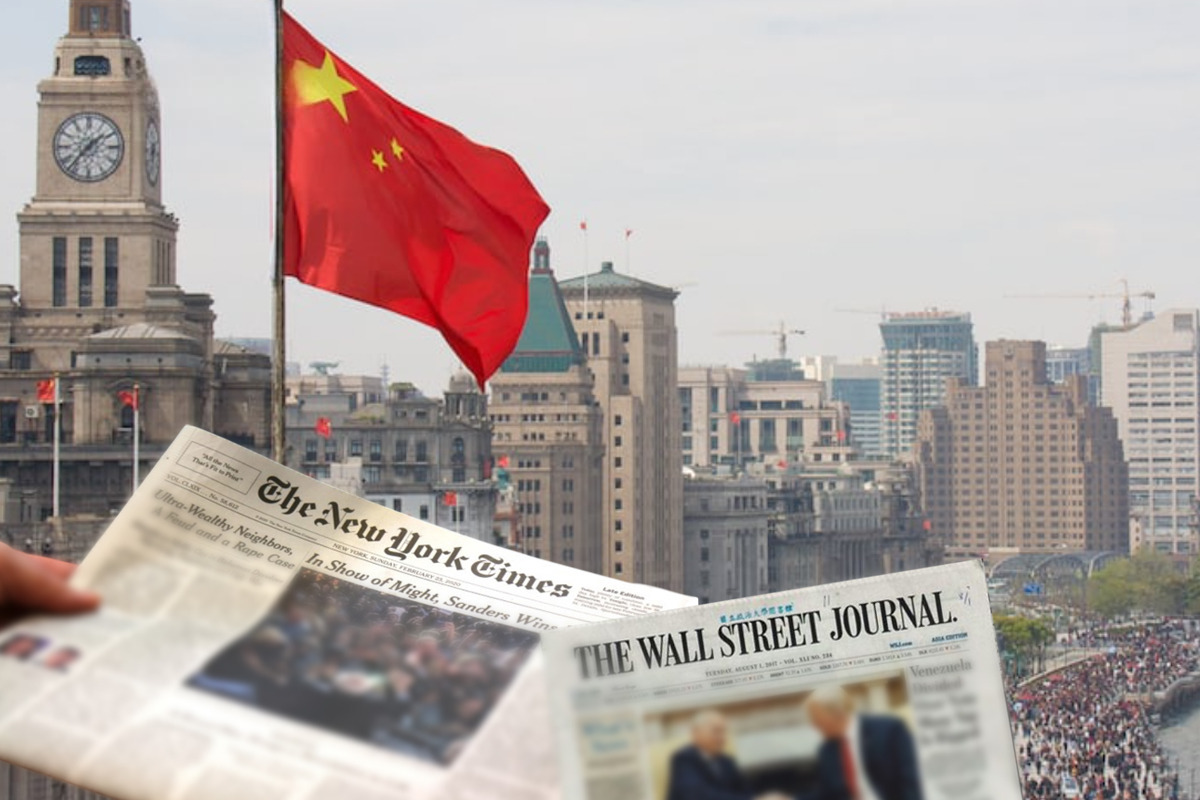
For years, major Western newspapers—including those considered the “gold standard” of journalism—carried a monthly supplement called China Watch. Produced by the state-run China Daily, these inserts were designed to look like legitimate reporting.
- The Cost: Data from U.S. Foreign Agents Registration Act (FARA) filings shows that China Daily has paid tens of millions of dollars to outlets like The Washington Post, The Wall Street Journal, and The New York Times for these placements.
- The Result: Readers were presented with articles praising China’s “poverty alleviation” or “ethnic harmony” in Xinjiang, often placed right next to genuine investigative pieces about human rights abuses.
2. Buying the Infrastructure
Beyond buying space in existing papers, China has moved to buy the “pipes” through which news travels.
- Content Sharing: State-run agencies like Xinhua have signed cooperation agreements with hundreds of news agencies worldwide. In many developing nations, Xinhua provides its wire service for free, effectively becoming the default source for world news.
- Direct Ownership: In some regions, Chinese-linked entities have purchased controlling stakes in local TV stations and newspapers, ensuring a pro-Beijing editorial line from the top down.
The “Ideological Buffet”: Why the Leftist Media Is Vulnerable
There is a growing concern among media watchdogs that “progressive” or “Leftist” media outlets in the West have become particularly susceptible to Chinese influence. This isn’t necessarily because of shared ideology, but rather a combination of financial desperation and a common skepticism of Western power structures.
Mainstream journalism is in a death spiral. As traditional ad revenue vanishes, many outlets are desperate for any cash infusion. Beijing offers a “no-strings-attached” (at least on paper) stream of revenue that is hard to refuse.
“When a legacy outlet is facing layoffs, a $500,000 ‘partnership’ with a Chinese tech giant or a state-backed cultural foundation doesn’t look like propaganda—it looks like a lifeline.”
China’s propaganda often uses the language of the Western Left to deflect criticism. By framing Western concerns about human rights as “Orientalism,” “imperialism,” or “anti-Asian hate,” Beijing successfully silences many progressive journalists who are wary of appearing aligned with Western “Cold War” hawks.
The “Invisible” Propaganda: Social Media and Influencers
As we move into 2026, the battleground has shifted from the newsstand to the smartphone. Beijing has pivoted toward a “soft” approach, using social media influencers to reach younger audiences who don’t read traditional newspapers.
- The “Traveler” Influencers: Scores of Western vloggers are invited on all-expenses-paid “tours” of China. They produce beautiful videos showing high-speed trains and bustling night markets, often echoing state talking points about the “real China” that the “Western media won’t show you.”
- AI and Botnets: Research from the European Union’s EEAS has identified massive networks of fake accounts that amplify pro-Beijing content and harass journalists who report on sensitive topics like Taiwan or Tibet.
The Impact: What Happens When Truth is for Sale?
The danger of this billion-dollar campaign isn’t just that people will start believing Chinese state TV. The danger is narrative exhaustion.
When the public is flooded with conflicting stories—one about a “dynamic, modernizing China” and another about “forced labor”—many people simply tune out. They begin to believe that “everyone has an agenda” and “the truth is unknowable.” This cynicism is exactly what Beijing wants. It neutralizes the moral authority of Western journalism.
Key Tactics Used to Influence Newsrooms:
- Journalist “Study Tours”: Offering free trips to China for reporters to meet with “happy locals.”
- Economic Threats: Threatening to pull advertising or deny visas to outlets that cover “sensitive” topics.
- Direct Subsidies: Funding “China Desks” or academic centers that produce “balanced” (pro-Beijing) research.
The tide may be turning. Countries like Australia and the United States have tightened foreign influence laws. In 2025, several major European outlets announced they would no longer accept “advertorial” cash from state-run entities.
However, as long as Western media remains financially fragile, the temptation to take Beijing’s billions will remain. The question for readers is no longer just “Is this story true?” but “Who paid for me to see it?”
Trending News:
US-China Tensions Reach Boiling Point Over Hormuz Blockade