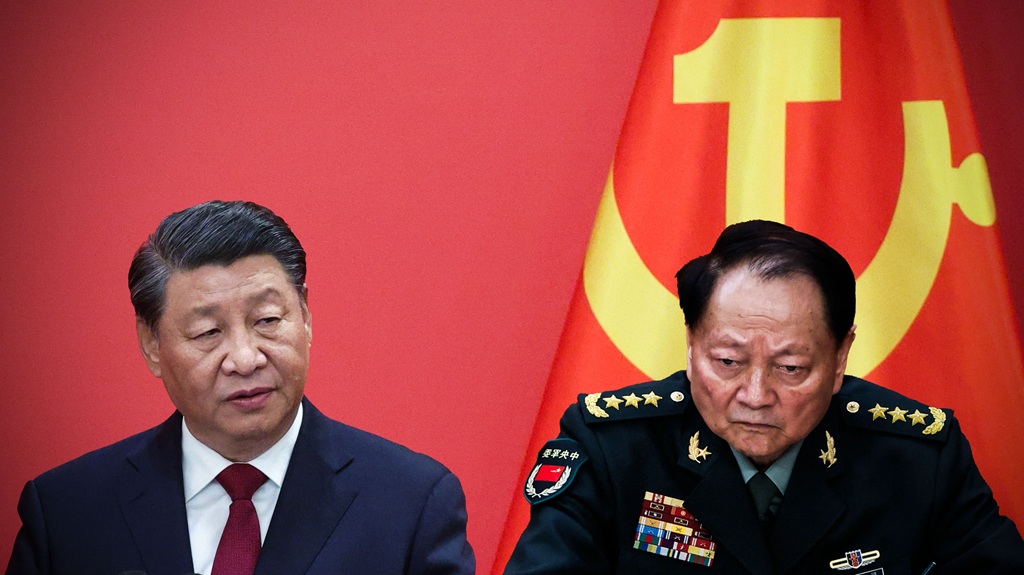




BEIJING, China – For decades, espionage was about satellites, encrypted codes, and high-altitude balloons. But today, the United States intelligence community is sounding the alarm on a much older, more intimate threat. It doesn’t involve hacking into a server; it involves walking into a bar, a tech conference, or a political fundraiser.
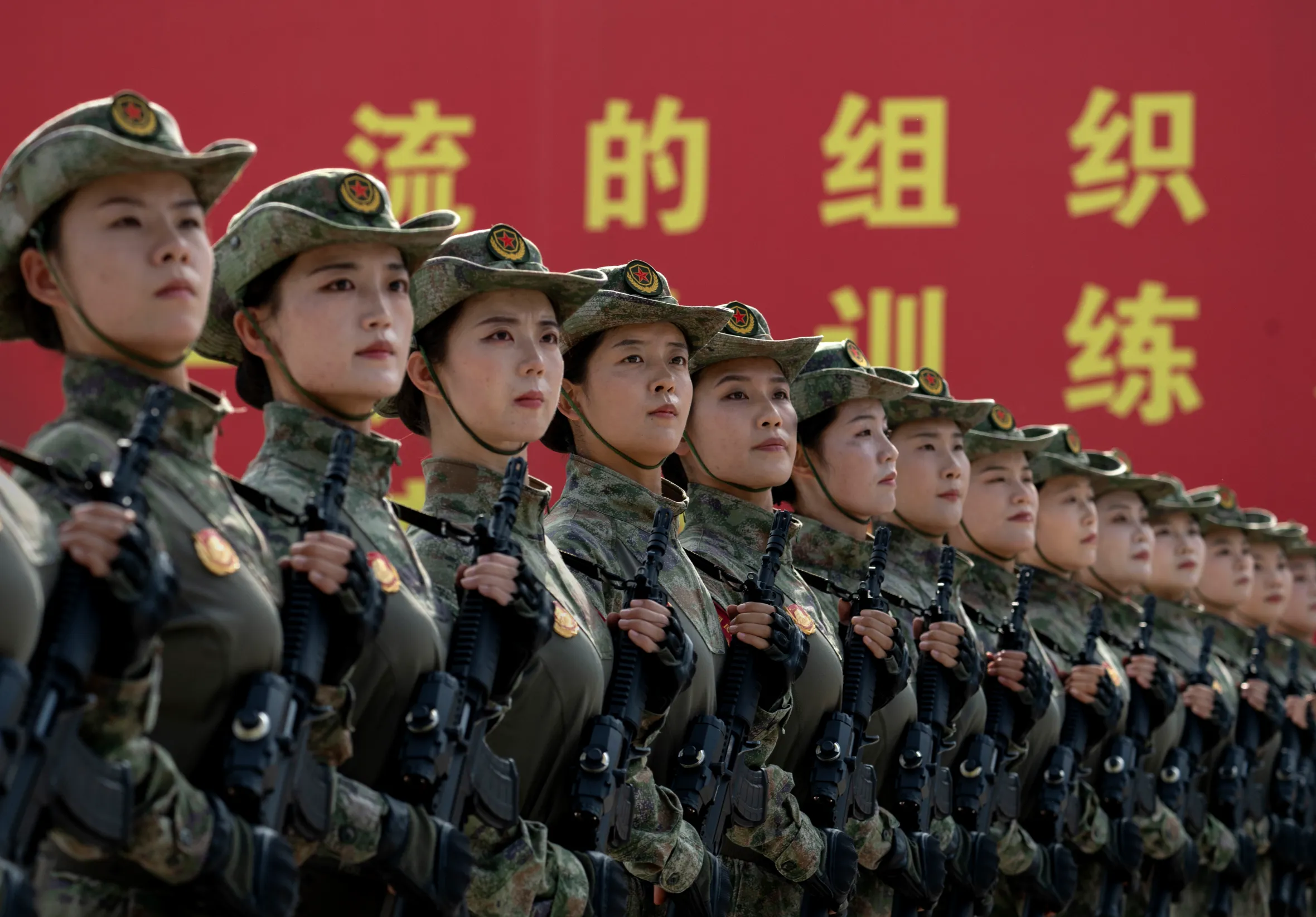
The threat is human. Specifically, a highly trained group of women, the West has dubbed China’s “Red Women’s Army.” These operatives are chosen for their beauty, their high intellect, and their ability to blend seamlessly into the highest echelons of Western society. From Silicon Valley to the halls of Congress, these women are reportedly using a specific playbook to extract secrets, influence policy, and compromise the leaders of the free world.
The “Blue-Gold-Yellow” Playbook: A Three-Pronged Attack
To understand how these operatives work, one must understand the strategy known as BGY (Blue-Gold-Yellow). This is a systematic method of subverting foreign officials and businessmen, popularized in reports by whistleblowers and intelligence analysts.
- Blue (Control the Internet): This involves mass surveillance and cyber-influence. Operatives use social media and dating apps to identify targets who have access to sensitive information or political power.
- Gold (Money and Greed): This refers to financial bribery. Once a target is identified, they are offered lucrative business deals, “consulting” fees, or investment opportunities that are too good to pass up.
- Yellow (The Honey Trap): This is the most personal and dangerous phase. The color “yellow” in Chinese slang often refers to eroticism. Operatives use romance, companionship, and sexual relationships to gain leverage over a target.
From Fleeting Flings to Life Partners
The danger of these operatives lies in their patience. They are not just looking for a one-night stand to snap a compromising photo—though that certainly happens. Often, they play the “long game.”
Some appear as the perfect companion at a high-end gala. Others might become a steady girlfriend or even a spouse. According to FBI warnings on economic espionage, the goal is to create a deep emotional bond. Once a target is “in love,” they become a fountain of information. They share work frustrations, mention upcoming projects, or introduce their partner to other influential colleagues.
By the time the target realizes their partner is reporting back to Beijing, they are often too compromised to come forward. They face the loss of their career, their reputation, and their family.
High-Profile Cases: When the Trap Snaps Shut
This isn’t just the plot of a spy novel. There have been several documented cases where intelligence officials and politicians fell victim to these tactics.
- The Case of Christine Fang (Fang Fang): Between 2011 and 2015, an operative named Christine Fang targeted up-and-coming politicians in California. She helped raise funds for campaigns and allegedly had romantic relationships with at least two mayors. Her ultimate goal was to gain proximity to national-level leaders.
- The Eric Swalwell Connection: Representative Eric Swalwell was one of the politicians Fang targeted. While there was no evidence of wrongdoing by Swalwell, the Axios investigation highlighted how easily a foreign agent could infiltrate the inner circle of a U.S. Congressman.
- The “Honey Trap” in the UK: British intelligence (MI5) has issued similar warnings. They recently alerted Parliament about Christine Lee, a lawyer who was allegedly working to influence MPs on behalf of the Chinese Communist Party (CCP).
Why the West is Vulnerable
Intelligence experts argue that the West’s open society and “dating app culture” make it an easy target. High-powered individuals are often lonely or looking for companionship outside their professional circles.
Furthermore, many Westerners underestimate the scale of China’s intelligence operations. Unlike Western agencies that focus on specific military or political targets, the CCP utilizes a “whole-of-society” approach. This means that students, researchers, and business professionals can be co-opted—willingly or through pressure on their families back home—to gather “scraps” of information that eventually form a complete picture.
How to Spot a “Red Army” Operative
While these women are trained to be discreet, intelligence briefings suggest there are common patterns to their approach:
- Sudden Interest in Niche Topics: They may show an unusual level of interest in your specific technical field or political committee.
- “Random” Encounters: They seem to appear at the same events as you, despite having a different professional background.
- Rapid Escalation: The relationship moves very quickly from professional to deeply personal.
- Inquisitiveness: They ask detailed questions about your colleagues, your travel schedule, and your frustrations with government or corporate policy.
The Cost of Silence
The greatest weapon the CCP has is the shame of the victim. Many men who find themselves caught in a “Yellow” trap choose to keep quiet to protect their personal lives. This silence allows the operative to continue their work, moving from one target to the next.
The U.S. government has ramped up its Counterintelligence Strategy, encouraging officials and tech leaders to report suspicious contacts immediately. The message is clear: the most dangerous threat to national security isn’t always a missile—sometimes, it’s a smile.
Protecting National Security in the Modern Age
As the “cold war” of the 21st century heats up, the battlefield has moved into the boardroom and the bedroom. To protect secrets, Western leaders must be as vigilant about their personal associations as they are about their cybersecurity.
Education is the best defense. By understanding the “Blue-Gold-Yellow” playbook, potential targets can see the trap before it snaps shut. The “Red Women’s Army” relies on secrecy and the element of surprise. Once their methods are exposed to the light of day, their power begins to fade.