
News
The Silent Slaughter: Christian Persecution in Nigeria and Central Africa

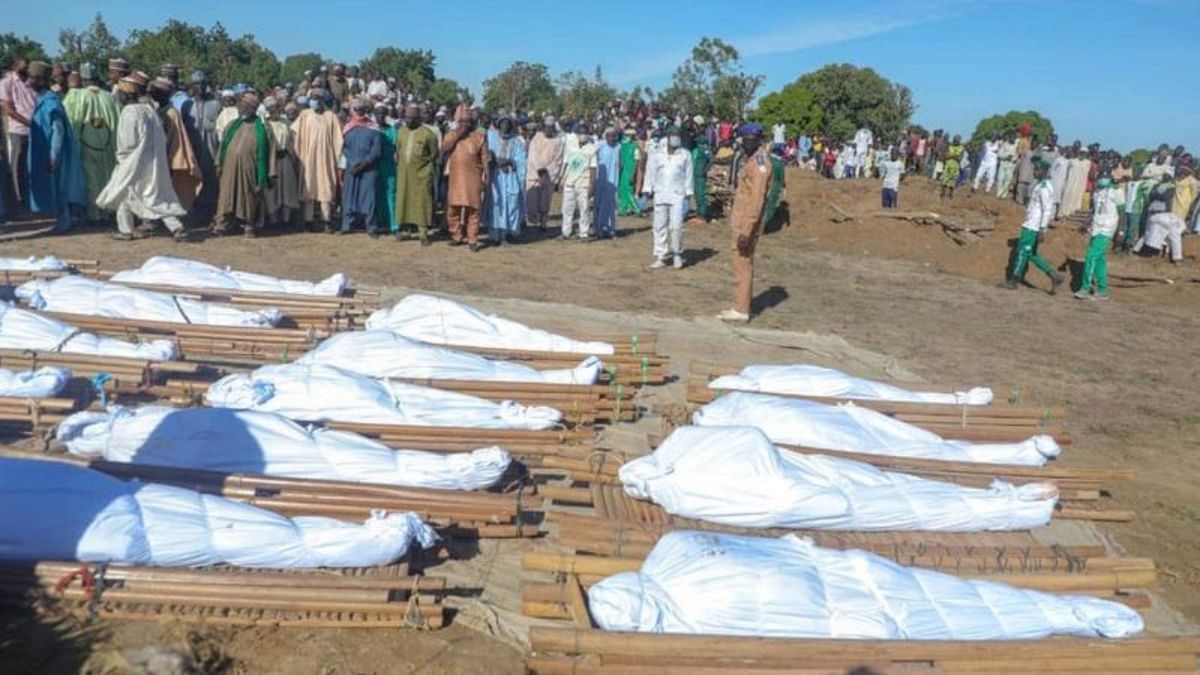
Nigeria, the most populated country in Africa, faces a harsh reality for its Christian population. Since the early 2000s, over 62,000 Christians have lost their lives to violence driven by extremist groups like Boko Haram, Islamic State West Africa Province (ISWAP), and Fulani militias.
Most attacks are centred in the northern and central states, with recent years seeing a sharp rise in killings, kidnappings, and forced migrations. In 2024, 3,100 Christians were killed and 2,830 kidnapped, ranking Nigeria as the deadliest country for Christians, according to the 2025 World Watch List by Open Doors.
The violence shows no sign of stopping. On Christmas Eve 2023, coordinated attacks in Plateau State left around 200 Christians dead. Villages were destroyed, homes and churches burned, and families separated. Bishop Wilfred Anagbe from the Catholic Diocese of Makurdi described the attackers, especially Fulani militias, as acting “with total impunity” and committing acts like murder and kidnapping without fear of justice.
Other countries in Central Africa are facing similar troubles. In the Central African Republic (CAR) and Cameroon, Christians are targeted by armed factions, including Boko Haram and local militias. In Cameroon, the Anglophone crisis has made things worse, putting Christian communities at greater risk as violence spreads between separatist groups and government forces. While Nigeria remains the centre of this crisis, the spread of radical ideologies across the Sahel and Central Africa continues to threaten Christians with forced conversions, abductions, and church burnings.
Deep-Rooted History
Christian persecution in Nigeria has roots in the country’s complex social and political story. Formed by British colonial rule in 1914, Nigeria is split by religion and ethnicity. The mainly Muslim north contrasts with the Christian-majority south. Tensions stretch back to at least 1953, with incidents in Tafawa Balewa as early as 1948. Violence increased in the 1980s after the death of preacher Mohammed Marwa and Nigeria’s joining the Organisation of the Islamic Conference, which angered many Christians.
Boko Haram’s rise in 2009 changed the situation. The group, whose name means “Western education is forbidden,” started a campaign for an Islamic state in northern Nigeria, targeting both Christians and moderate Muslims. Alongside ISWAP and Fulani groups, they have killed thousands. The Fulani, once known mainly as nomadic herders, have become more involved in violent land disputes with Christian farmers in the Middle Belt. While some say these are resource conflicts, many now recognise the religious motives behind the violence.
In Central Africa, Christian persecution is linked to ongoing instability. In the CAR, the 2013 civil war between the Muslim Séléka and Christian and animist Anti-Balaka militias led to a cycle of violence that continues today. Although both sides have committed crimes, Christian villages have faced more attacks in recent years, with churches destroyed and clergy murdered. In Cameroon, old colonial divisions between the French and British areas have contributed to ethnic and religious strife, putting Christians in the Anglophone regions at risk from both separatists and government forces.
Widespread Human Rights Abuses
The scale of abuse against Christians in Nigeria and Central Africa is overwhelming. Attacks include massacres, abductions, sexual violence, and forced displacement. Over 16 million Christians in sub-Saharan Africa, many from Nigeria, have been driven from their homes, ending up in crowded camps with little access to essentials. Women and girls suffer most, often abducted and forced into sexual slavery. Survivors like Maryamu Joseph, kidnapped by Boko Haram at age seven, have shared stories of forced conversions and years spent in captivity.
Clergy are regular targets. In 2022, four Catholic priests were killed in Nigeria, and 23 priests plus a seminarian were kidnapped, according to Aid to the Church in Need. The murder of Father Isaac Achi, burned alive in his home in 2023, and the killing of seminarian Na’aman Danlami show the danger religious leaders face. In the CAR, attacks on churches continue, like the 2020 Protestant church massacre that left 24 dead and others kidnapped.
The Nigerian government’s response often comes under fire for being weak or, at times, complicit. While the constitution guarantees religious freedom, 12 northern states enforce Sharia law, fuelling discrimination against Christians. Security forces rarely prosecute offenders, leading to more attacks. Emeka Umeagbalasi of the International Society for Civil Liberties and Rule of Law has accused Nigerian police and the military of failing to protect Christian communities. In the CAR, poor governance and ongoing conflict leave Christians exposed, with peacekeeping missions struggling to control the violence.
International efforts have also fallen short. The U.S. State Department removed Nigeria from its “Country of Particular Concern” list in 2021, despite calls from the U.S. Commission on International Religious Freedom to keep the designation. Bishop Anagbe and others have called for tougher action, such as sanctions and a U.N. investigation to document the abuses.
The Need for Action in Nigeria and Central Africa
Christian persecution in Nigeria and Central Africa is a global human rights emergency. The term “silent genocide” is often used to describe the relentless and organised attacks. Despite tens of thousands killed since 2009, the international response remains muted.
Groups like Open Doors and Genocide Watch continue to push for urgent action. Suggestions include creating a special Nigerian security force trained by international experts, setting up early-warning networks, and putting Nigeria back on the CPC list. In Central Africa, improving conditions means tackling issues like poverty, poor governance, and extremist influence.
Despite the suffering, Christian communities remain strong. In Nigeria, local churches provide trauma support, aid, and help survivors rebuild. The Catholic Church in the CAR cares for over 600,000 displaced people. Still, without real international help, the violence will likely continue.
Bishop Anagbe has warned, “If we keep quiet, we are going to go extinct.” The ongoing attacks on Christians in Nigeria and Central Africa need immediate global attention. Words of sympathy are not enough. The world must act, with sanctions, investigations, and direct help for those forced from their homes. The future of Christian communities in these regions is at risk as the world faces a clear choice: to act against this hidden crisis or let it go on.
Trending News:
Candace Owens Champions Conservative Christian Values for Women
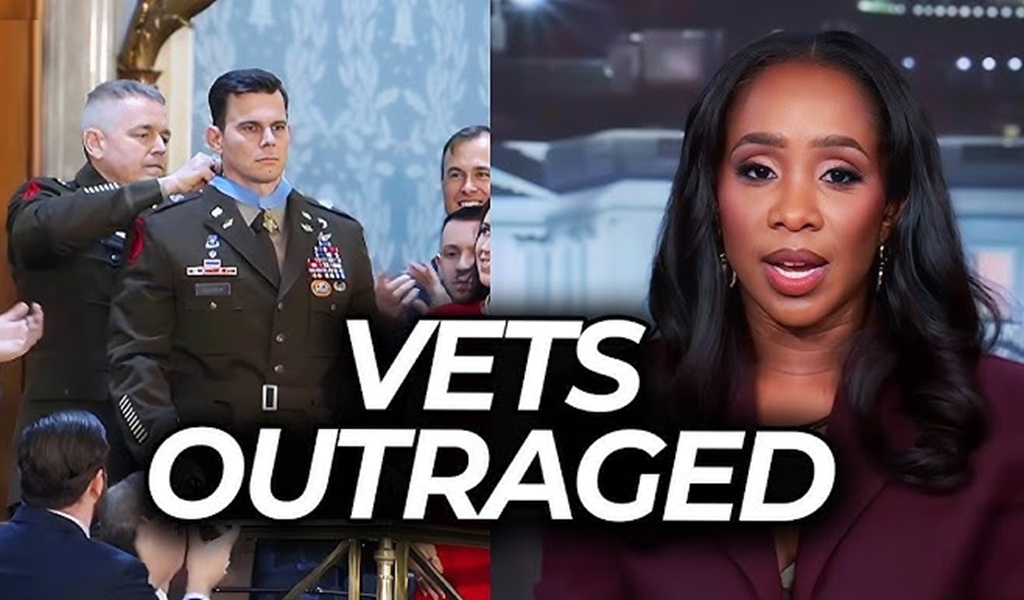
WASHINGTON, D.C. – President Donald Trump’s State of the Union mixed policy talk with emotional tributes. During the address, he recognized several American war heroes with high military awards, and the chamber responded with loud applause.
Afterward, CNN anchor Abby Phillip drew criticism when she compared those moments to a “game show,” a remark many viewers took as dismissive toward veterans and their sacrifices.
At the same time, fellow CNN journalist Kaitlan Collins pushed a separate critique, pressing on why Trump did not mention Jeffrey Epstein-related files. Together, the comments kicked off a fresh argument about CNN’s tone and standards.
Veteran broadcaster Bill O’Reilly added fuel by calling the network “an embarrassment to journalism.” With politics still hot in 2026, the clash shows how divided media coverage of the Trump administration has become.
Trump’s State of the Union: Policy, Then Personal Tributes
Trump delivered his 2026 State of the Union on February 24, and the speech ran unusually long. He highlighted foreign policy, economic recovery, and national security. Even so, the night’s most talked-about moments came when he paused to honor service members and veterans.
Among the recognitions:
- Medal of Honor for Navy Capt. E. Royce Williams: At 100, Williams received recognition for a 1952 Korean War dogfight. According to the account shared, he shot down four Soviet MiGs while outmatched.
- Medal of Honor for Army Chief Warrant Officer Eric Slover: Trump praised Slover for landing a damaged Chinook while wounded during the January 2026 mission tied to capturing former Venezuelan leader Nicolás Maduro.
- Purple Hearts for National Guard members: Staff Sgt. Andrew Wolfe and another guardsman received Purple Hearts for injuries from a Washington, D.C., ambush, pointing to ongoing concerns about security at home.
The medal presentations brought multiple standing ovations. Some Democrats also rose, and many viewers saw the tributes as a rare moment that cut through a tense Congress. Trump framed the honors as proof of national character, saying, “These heroes remind us why America remains the greatest nation on Earth.” He also covered the economy, border security, and global issues, but the award ceremonies became the emotional center of the night.
During CNN’s post-speech coverage, Abby Phillip offered a critique focused on presentation and tone. Talking about the medal moments, she said, “He utilized almost like these game show-type moments where you’re seeing awards being presented to really bring these moments of togetherness that otherwise might not have been there. I actually thought it was very skillfully done.”
Her broader point was that Trump blended policy with made-for-TV visuals. In Phillip’s view, the honors helped create unity in a speech that otherwise reflected deep political divides.
Still, the wording hit a nerve. Critics said the “game show” line made solemn military recognition sound like entertainment. The clip spread quickly online, and many posts accused CNN of showing disrespect toward veterans.
The Backlash: Claims CNN Mocked Veteran Sacrifice
Criticism of Phillip’s comment came fast, and it got loud. While much of the pushback came from conservative media and social accounts, the outrage spilled into wider circles once the clip went viral. Fox News highlighted the remark as an example of media bias, saying it reduced serious acts of valor to a production trick.
Around the same time, MSNBC’s Jen Psaki described parts of the speech as a “circus entertainer” segment, which added to the claim that major outlets were focused on mocking style instead of acknowledging service.
Several reactions stood out:
- Dave Rubin on The Rubin Report: Rubin shared the clip and argued Phillip was “belittling war heroes” by framing medal presentations as stunts. He also noted that such moments have appeared in past State of the Union addresses, including under President Biden.
- Laura Ingraham on Facebook: Ingraham defended the ceremonies, calling them “stories of American heroes contrasted with the stunts of desperate Democrats,” and said Phillip’s take missed the point.
- Social media response: Hashtags like #CNNDisrespectsHeroes trended, as users pointed out that presidents from both parties have used similar tributes without this kind of commentary.
To many critics, the larger issue was priorities. They argued that some outlets rush to score style points, even when the topic involves military service and sacrifice.
Kaitlan Collins Turns to Epstein Files and What Trump Left Out
The controversy did not stop with Phillip. On the same post-SOTU coverage, CNN’s Kaitlan Collins pressed Trump’s silence on the Jeffrey Epstein files. In a discussion with Speaker Emerita Nancy Pelosi, Collins highlighted that Trump did not address the recently released documents, which describe Epstein’s connections to powerful people in politics and business.
Collins asked Pelosi, “What did you make of that?” referring to the omission and to ongoing complaints about Justice Department redactions raised by Epstein survivors. Some viewers saw the question as a pivot away from the speech itself, and critics argued Collins was trying to undercut the address by shifting to scandal-focused talking points.
The Epstein files, released in early 2026, reportedly include millions of documents and reference figures such as Elon Musk and Howard Lutnick, both linked to the Trump administration. Trump has faced scrutiny for past ties to Epstein, although he has denied wrongdoing. Collins has stayed on the topic for months, including a tense Oval Office exchange in which Trump called her the “worst reporter.” Supporters of Trump framed her approach as partisan, while supporters of Collins said she was doing her job by pushing for answers.
Why the Epstein Story Still Shapes 2026 Politics
Epstein remains a political flashpoint because the public still wants transparency. After the 2026 releases, survivors and advocates again criticized redactions, saying they hide accountability. The administration has defended its handling, but the lack of any mention during the State of the Union gave critics room to say Trump avoided the issue.
That choice also changed the post-speech conversation. Instead of focusing on policy and the medals, part of the coverage shifted toward questions about documents, redactions, and past associations. Critics called that opportunistic, while defenders argued it is fair to raise hard topics when a president speaks to the nation.
Bill O’Reilly Blasts CNN as an “Embarrassment to Journalism”
Bill O’Reilly, speaking on his No Spin News podcast, has repeatedly attacked CNN’s coverage style and editorial choices. In a February 18, 2026, episode, he accused the network of dishonest framing. He also argued CNN downplays some stories while giving extra attention to anti-Trump narratives.
O’Reilly has criticized CNN’s fact-checking segments and use of anonymous sources. In one segment, he said, “CNN should be absolutely ashamed of itself.” After the State of the Union coverage, he sided with critics of both Phillip and Collins, saying their comments showed how far the network has drifted from straight reporting.
His argument lands with viewers who already distrust major news outlets. O’Reilly and others also point to ratings drops and weak trust polling as proof that CNN’s reputation has taken hits in recent years.
What This Says About CNN and Today’s Media Split
CNN, once seen as the model for 24-hour cable news, has faced years of bias accusations, especially since the first Trump era. Critics say the network relies too much on commentary and conflict. Supporters respond that tough questioning is part of responsible journalism, especially on complicated stories like Epstein.
Stepping back, this episode shows a common media problem: balancing sharp analysis with respect for moments many Americans see as sacred. Phillip may have meant to critique the stagecraft, but her phrasing collided with public sensitivity around honoring veterans. Meanwhile, Collins’ focus on Epstein raised another issue, timing. Post-event analysis can hold leaders accountable, but it can also feel off-topic when the country is reacting to a major speech.
As Trump continues his second term, moments like this are likely to deepen existing media divides. Many viewers want coverage that feels fair and steady, especially when it involves the military, national unity, and victims seeking justice. O’Reilly’s “no spin” message speaks to that demand, even as others argue that aggressive questioning is necessary.
Either way, the blowback from this State of the Union shows how much tone matters. A few words can shift the story, and once the public hardens into sides, the fight can drown out everything else.
In the end, the 2026 State of the Union became a test of media judgment. Phillip’s “game show” line, Collins’ Epstein push, and O’Reilly’s condemnation combined into a wider debate about what journalism should look like in a divided America.
Related News:
Supreme Court Orders CNN to Respond in High-Stakes Defamation Case
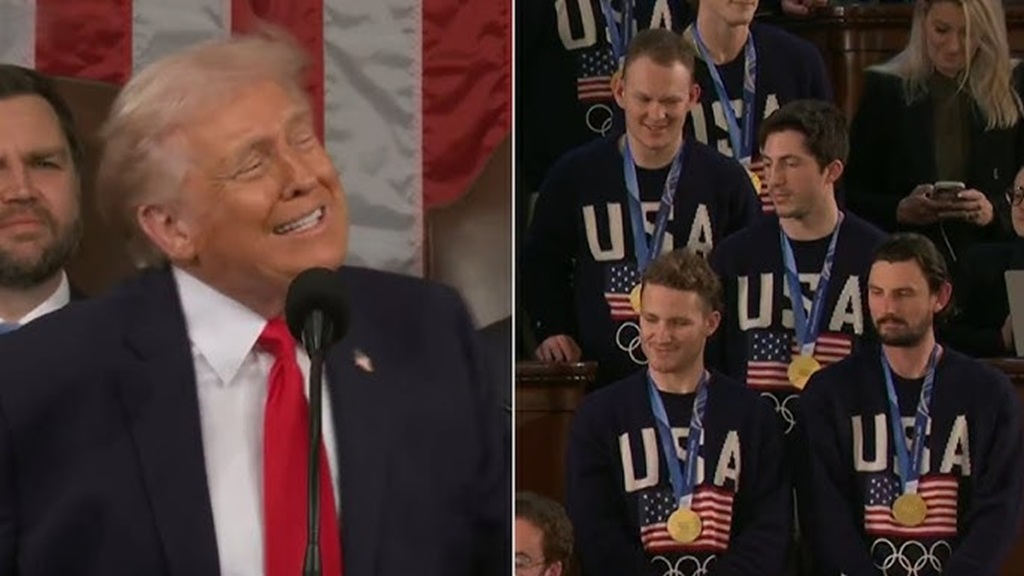
WASHINGTON, D.C. – Democrat lawmakers faced a wave of online backlash after they stayed seated during President Donald Trump’s introduction of the gold medal-winning U.S. men’s Olympic hockey team at Tuesday night’s State of the Union.
Video from the House chamber spread quickly on social media. Soon after, Republicans and conservative commentators accused Democrats of letting their dislike of Trump get in the way of celebrating Team USA. During the speech, Trump praised the team’s overtime win against Canada at the 2026 Winter Olympics. He also invited players to the gallery as a show of national pride.
Republicans stood and clapped loudly. Meanwhile, footage and reports suggested many Democrats remained seated and responded with limited applause. Some people pointed out that a few Democrats did stand. Still, the overall reaction sparked immediate criticism.
“Democrats mostly sat on their hands and couldn’t even cheer for the Team USA men’s hockey team,” Fox News host Sean Hannity said after the speech. Online, critics called it “pathetic” and claimed it showed “Trump derangement syndrome.”
Trump also appeared to nod at the split, even if he did not mention the hockey moment directly. At other points, he challenged Democrats to stand if they agreed with him, including on immigration and the idea that the government’s first job is protecting Americans.
The hockey team scene became one of several flashpoints in a tense State of the Union. The 2026 address ran more than 100 minutes, making it the longest in recent history. It included award presentations, policy pitches, and repeated shots at the opposition.
Past Cases of Democrats Sitting, Protesting, or Withholding Applause During Trump Speeches
Democrats refusing to stand or clap during Trump’s speeches has happened before. In earlier joint addresses and State of the Union events during his second term, the same pattern showed up:
- Democrats often stayed seated during references to border security, economic wins, or crime victims mentioned by the president.
- In one earlier address, some lawmakers did not stand for a crime victim introduced as an example of failed policies on law enforcement and immigration.
- Other protests included signs accusing the president of lying, short walkouts, and occasional heckling that led to removals.
This year, tensions looked even sharper. House Minority Leader Hakeem Jeffries reportedly urged members to choose “silent defiance” or even skip the event, instead of causing disruptions. Even so, several incidents broke out, including Rep. Al Green (D-Texas) being removed after protesting.
Later, Senate Minority Leader Chuck Schumer defended Democrats who stayed seated at certain moments. He said it reflected policy disputes, not disrespect for the country.
Sen. John Fetterman Criticizes Democrats Over Boycotts and Conduct
Sen. John Fetterman (D-PA) stood out as one of the few Democrats openly criticizing his party’s approach. He called parts of the behavior “disappointing” and said lawmakers should show respect for the office of the presidency.
Fetterman attended the address and reportedly shook hands with Trump, and he may have been the only Democrat to do so. He also spoke against “yelling and screaming” from some colleagues. Earlier, he warned Democrats not to heckle or use signs, saying those tactics show “no dignity.”
“I don’t care if it’s a Republican or Democrat, it’s a president. Just don’t do that,” Fetterman told Fox News after the speech. He also said he felt sad about the number of Democrats who boycotted the event and went to counter-programming, such as the “People’s State of the Union.”
He also wore a formal suit, which is a change from his usual casual style. Fetterman said he dressed up out of respect for the event, even as some in his party criticized his front-row seat and friendly tone.
Guest of Rep. Ilhan Omar Arrested During the Speech
The night also brought another controversy when U.S. Capitol Police arrested a guest invited by Rep. Ilhan Omar (D-MN).
Aliya Rahman, a Minneapolis resident and U.S. citizen, sat in the House gallery. Police removed her after she stood silently during parts of Trump’s address. Rahman was previously involved in a January incident in Minnesota, when immigration agents forcibly removed her from her vehicle during an enforcement action.
Omar condemned the arrest and called it an overreaction. “My guest stood up silently… For that, she was forcibly removed, despite warning officers about her injured shoulders and ultimately charged with ‘Unlawful Conduct,'” Omar said.
Capitol Police confirmed Rahman faced a misdemeanorcharge for disrupting Congress. Officers also noted that the State of the Union rules ban demonstrations. Reports said Rahman received treatment for injuries, and police booked her after the removal.
Omar argued the response sent a “chilling message about the state of our democracy.” She tied the incident to broader concerns about protest rights and how authorities enforce the rules.
A Divided 2026 State of the Union, and the Politics Around It
The Team USA hockey moment landed in a speech packed with economic claims, immigration enforcement talk, and attacks on Democratic policies. According to voter dial reactions, Independents responded well to the hockey tribute, with approval rising during that segment.
At the same time, the U.S. women’s hockey team, also gold medal winners, did not attend. They declined Trump’s invitation, citing prior commitments. Still, the president said they would visit the White House soon.
Democrats’ actions, including boycotts by dozens of members and competing events outside the chamber, highlighted the deep divide heading into the 2026 midterms. Republicans quickly used the images of seated Democrats to argue the party is out of step with basic national pride.
After the longest State of the Union in decades, the night’s biggest moments may stick around. From lawmakers refusing to stand to a guest being arrested, the evening offered another reminder of how hard bipartisanship looks in today’s Washington.
Related News:
CNN Warns 58% of Americans Say Democrats Have Moved Too Far Left
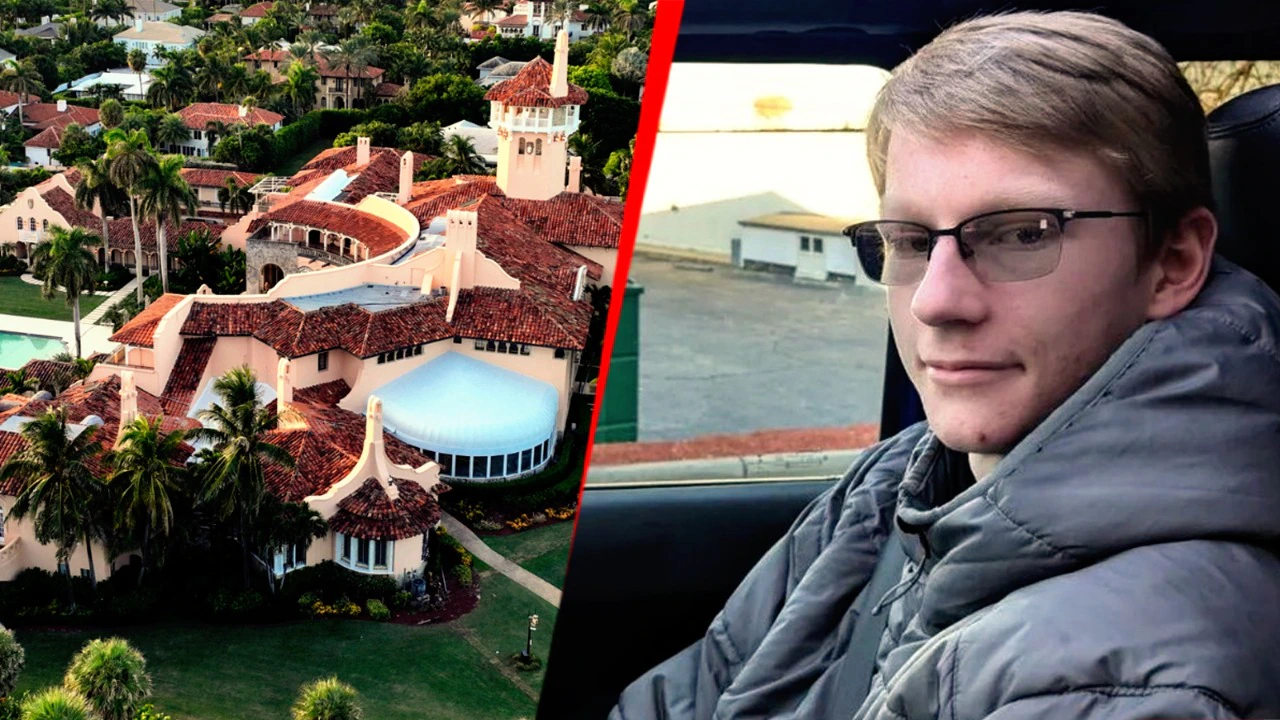
PALM BEACH, Florida – A serious security incident took place early Sunday morning, February 22, at President Donald Trump’s Mar-a-Lago resort. U.S. Secret Service agents, working with Palm Beach County deputies, fatally shot 21-year-old Austin Tucker Martin of Cameron, North Carolina.
Officials say Martin crossed into a secure area while carrying a shotgun and a fuel can, which triggered an immediate law enforcement response. At the time, President Trump and First Lady Melania Trump were in Washington, D.C., at the White House, so they were not at risk.
The shooting adds to ongoing concerns about security tied to the president, after assassination attempts reported in 2024. Investigators are still working to understand what drove the breach, and the FBI is leading the case. Officials have described the event as an unauthorized entry that turned into a possible threat.

Who Was Austin Tucker Martin?
Austin Tucker Martin was 21 and lived in Moore County, North Carolina. Family members and people who knew him described him as quiet and creative, and they said they were unaware of any violent past or political extremism.
- Life in Cameron: Martin lived with his parents and older brother in Cameron, a small town with a population of about 244, based on the 2020 Census. He had finished high school and recently started a small art business that focused on hand-drawn golf course artwork.
- What relatives said: Family members described him as calm and non-aggressive. His cousin, Braeden Fields, told reporters Martin “doesn’t even know how to use a gun. He’s never used a gun.” Fields also said Martin didn’t show much interest in politics and never seemed drawn to weapons or extreme views.
- Home and community reaction: Public records list him at a four-bedroom, ranch-style home. Neighbors in the area said they felt stunned by the news, especially since his family reported him missing only hours before the incident.
The family reported Martin missing to Moore County authorities around the same period as the breach. Some reports say he may have traveled south and obtained the shotgun along the way. The Moore County Sheriff’s Office has not reported any known criminal history for him.

What Happened at Mar-a-Lago
Authorities say the incident happened shortly after 1:30 a.m. Security spotted someone entering the inner perimeter near the north gate as another vehicle was leaving.
- Two U.S. Secret Service agents and a Palm Beach County sheriff’s deputy confronted Martin.
- Officials say he had what appeared to be a shotgun and a gas can (fuel can).
- Officers ordered him to drop the items.
- Sheriff Ric Bradshaw said Martin put the gas can down, but then raised the shotgun into a “shooting position.”
- The agents and deputy fired, and Martin died at the scene.
- No officers were hurt.
- Investigators later found a weapon box in Martin’s vehicle.
The Secret Service said agents acted to protect the secured area. Since Trump was not at Mar-a-Lago, no protectees were directly threatened.

Family Reaction: Grief and Confusion
Relatives spoke publicly in the hours after the shooting and said they could not understand how the situation happened.
- Braeden Fields told several outlets, including ABC affiliate WTVD, that Martin’s actions didn’t match who he was. Fields said he was “shocked” and described Martin as gentle and inexperienced around guns.
- The family began searching after reporting him missing on February 21 or early February 22, and they did not know he had traveled to Florida.
- Neighbors in Moore County said the news hit hard, since the family had recently asked for help finding him.
- Public comments from his parents have been limited so far, but relatives have described deep grief and confusion.
Investigators are also looking into possible mental health issues or other personal factors, since relatives say his behavior did not fit the usual pattern of political threats.
What the FBI and Secret Service Have Said
Federal and local officials moved quickly to confirm the shooting and explain the response.
- Secret Service spokesman Anthony Guglielmi said agents and a local deputy shot an intruder after he presented an immediate threat.
- The agency said no protectees were on the property, and officers contained the breach quickly.
- The FBI is leading the investigation and publicly identified Martin, while noting that details remain limited during the active case.
- The FBI National Press Office said agents are building a psychological profile and asked nearby residents to check security video that could help.
- Sheriff Bradshaw described the timeline in a press briefing and said officers fired only after Martin raised his weapon.
For now, investigators have not confirmed ties to any broader plot or organized group. As the FBI and Secret Service continue their review, the death of Austin Tucker Martin, a young artist from rural North Carolina, leaves painful questions about what changed so quickly and how a security response ended in tragedy.
Trending News:
Tech Titans Flee California to Low-Tax Havens Like Florida


Bill Clinton’s Testimony Triggers Backlash: Bill Says “I Saw Nothing, Did Nothing Wrong

Calls Mount to Expel Rep. Ilhan Omar from Congress

CNN’s Harry Enten Calls the 2028 Democratic Primary a “Clown Car”

CNN Abby Phillip Ignites Outrage for Comparing Medals for Vets to a Game Show

Democrats Refuse to Stand for U.S. Olympic Hockey Team at State of the Union

CNN Data Analyst Harry Enten Flags a “Red State Boom” and a “Blue State Slump”

Austin Tucker Martin Who Was He And Why Was He at Mar-a-Lago?

Armed Intruder Killed at President Trump’s Mar-a-Lago

Tucker Carlson Attacked By Pro-Israel Groups Over Airport Detention Claims

US Fighter Jets Scrambled to Intercept Russian Military Aircraft Near Alaska

Thai Billionaire Charged With Lese Majeste Over Facebook Post

Russia Bans Facebook, Meta Says It’ll Do “Everything” To Restore Service

Facebook Login Feature – Clash of Clans

4 Things you can do to take your Facebook Lead Generation to the Next Level

Zuckerberg to Allow Violent Speech on Russia After Facebook Blocked

Facebook Loses $200 Billion as Users Shift to TikTok

Downloading Facebook Videos Anonymously with High Quality Video through Snapsave app

The Best Site to Buy Real Facebook Likes and Followers in 2022

Chinese Man Arrested for Using Facebook to Dupe Cryptocurrency Investor

Google and Facebook Under Huge Pressure Over User Privacy

Mosque Set Ablaze in Iran a Citizens Revolt Against the Islamic Regime

AOC Accuses Jessie Watters of Fox News of Sexualizing and Harassing Her

JD Vance Exposes Walz’s Fraud and CNN’s Lies in White House Presser

Milestone Card Credit: How the Milestone MasterCard Can Transform Credit
-

 Crime2 months ago
YouTuber Nick Shirley Exposes BILLIONS of Somali Fraud, Video Goes VIRAL
-

 China1 month ago
China-Based Billionaire Singham Allegedly Funding America’s Radical Left
-
 Politics2 months ago
Ilhan Omar Faces Renewed Firestorm Over Resurfaced Video
-

 Politics3 months ago
Ilhan Omar’s Ties to Convicted Somali Fraudsters Raises Questions
-

 News3 months ago
Walz Tried to Dodges Blame Over $8 Billion Somali Fraud Scandal
-

 Crime3 months ago
Somali’s Accused of Bilking Millions From Maine’s Medicaid Program
-

 Crime3 months ago
Minnesota’s Billion Dollar Fraud Puts Omar and Walz Under the Microscope
-

 Business2 months ago
Tech Giant Oracle Abandons California After 43 Years