

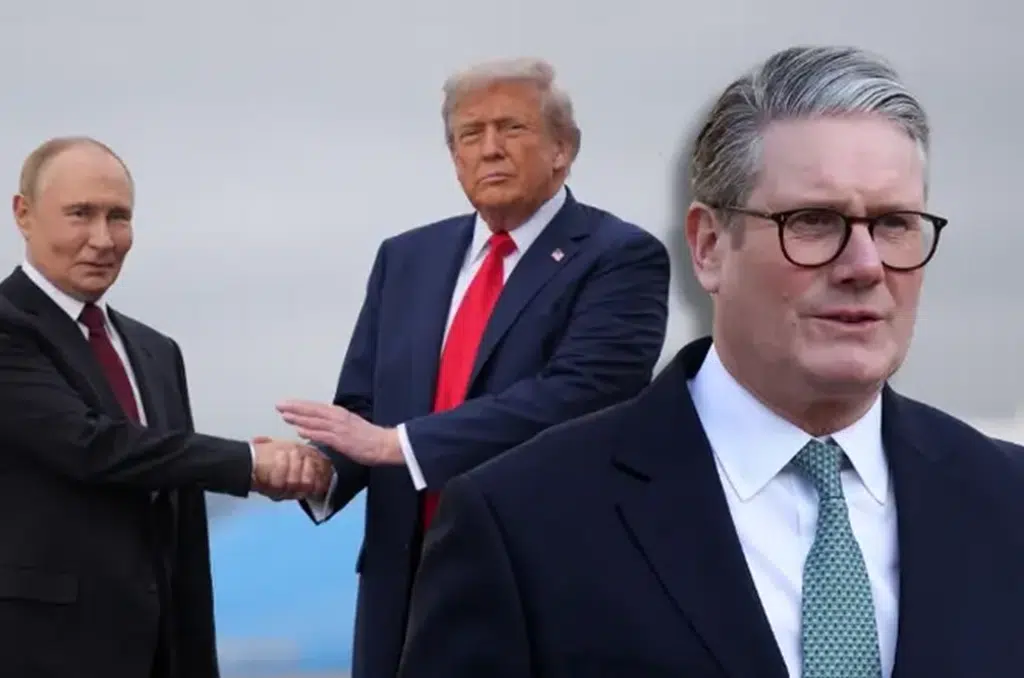


LONDON — Prime Minister Keir Starmer has once again found himself at the center of a national firestorm. As energy bills remain stubbornly high and the British public braces for further price hikes, the Prime Minister has taken a familiar stance: blaming the crisis on the “geopolitical rollercoaster” caused by figures like Donald Trump and Vladimir Putin.
In a series of recent addresses, Starmer argued that the UK is “overexposed” to international fossil fuel markets dominated by “dictators and volatile allies.” He maintains that the only way to “take back control” of British energy is to double down on the government’s ambitious Net Zero strategy.
However, many critics—and an increasing number of struggling households—are asking a different question: Is the government’s relentless push for green energy actually the thing making us poorer?
The Blame Game: Trump, Putin, and the “Hidden Hand”
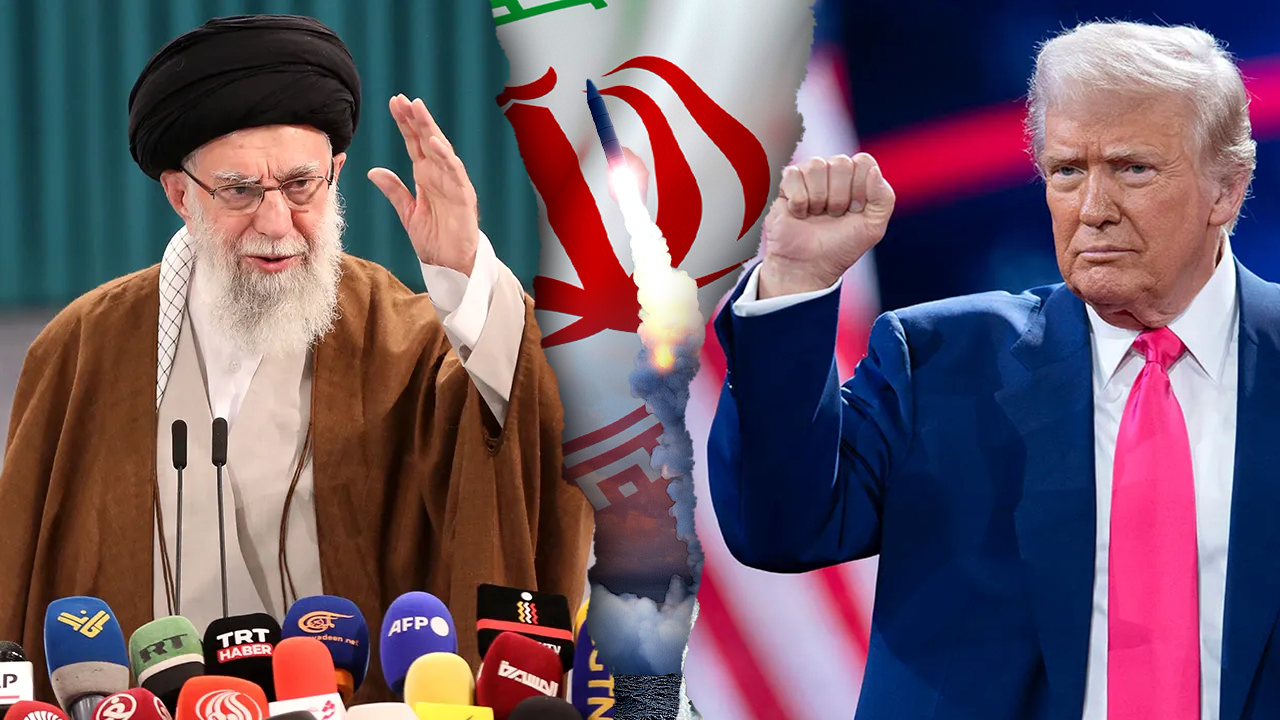
Prime Minister Starmer’s narrative is clear. He points to the ongoing instability in the Middle East and Russia’s continued influence over global gas supplies as the primary drivers of the UK’s energy woes.
“We cannot be at the mercy of events abroad,” Starmer wrote in a recent commentary. The government has specifically targeted:
- The Trump Administration: Friction with Washington over oil sanctions and trade policies has created uncertainty in global markets.
- The Kremlin: Energy Minister Michael Shanks recently warned that the UK would not ease sanctions on Russian oil, despite pressure from the U.S., citing Putin’s “hidden hand” in global instability.
- Market Volatility: The administration argues that as long as the UK relies on gas, it will be a victim of global price shocks that are entirely out of its control.
While these international factors are undoubtedly real, they only tell half the story.
The Net Zero Elephant in the Room
While the Prime Minister blames foreign leaders, economists and industry experts are pointing to domestic policy. The UK’s commitment to reaching Net Zero by 2050—and the even more aggressive 2030 clean power target—comes with a massive price tag that is being passed directly to the consumer.
The reality of the UK’s energy crisis isn’t just about what is happening in Ukraine or Washington; it is about the “policy costs” baked into every Briton’s monthly bill.
Why Net Zero is Driving Costs Up:
- Renewable Levies: A significant portion of your energy bill isn’t for the energy you use. It’s a “green levy” used to subsidize the construction of wind farms and solar panels.
- Grid Upgrades: Moving to a decentralized, green grid requires billions in new infrastructure. National Grid estimates suggest these costs will run into the hundreds of billions over the coming decade.
- The “Gas Gap”: Because wind and solar are intermittent (they don’t work when the sun doesn’t shine or the wind doesn’t blow), the UK must keep gas power plants on standby. This “double system” is incredibly expensive to maintain.
- Carbon Pricing: The UK’s carbon tax makes fossil fuel generation artificially expensive. While this is designed to “nudge” the market toward green energy, in the short term, it simply makes electricity prices among the highest in Europe.
“Green” Energy, High Prices
Data from Ofgem and the House of Commons Library paints a sobering picture. While wholesale gas prices have actually eased from their 2022 peaks, British electricity prices remain nearly 92% higher than the European median for businesses.
Critics argue that by banning new North Sea oil and gas licenses, the government is intentionally restricting supply. This makes the UK more dependent on imports, not less.
“We are being told that green energy is cheap energy,” says one energy analyst. “But if solar and wind are so cheap, why are our bills nearly double what they were five years ago? The math simply doesn’t add up for the average family.”
The Human Cost: A Winter of Discontent?
For the average household, the political debate matters less than the bottom line. Despite a small “cost of living” cut in the April 2026 price cap, typical bills are still 35% higher than they were before the crisis began.
The Joseph Rowntree Foundation recently warned that nearly 40% of households struggling to stay warm are not even eligible for government benefits. These are the “squeezed middle”—families who work full-time but find their disposable income swallowed by the “green transition.”
What Happens Next?
Starmer remains defiant. He argues that slowing down on Net Zero would be a “historic mistake” that would leave Britain even more vulnerable to future shocks. His government is betting everything on the idea that once the infrastructure is built, prices will eventually fall.
But for a public facing another year of record-high costs, “eventually” feels like a long way off. As the government continues to point the finger at Trump and Putin, the pressure is mounting to look closer to home—at the very policies designed to “save” the British energy system.
Related News:
Trump Slams UK’s Starmer Over Too-Late Aircraft Carrier Offer