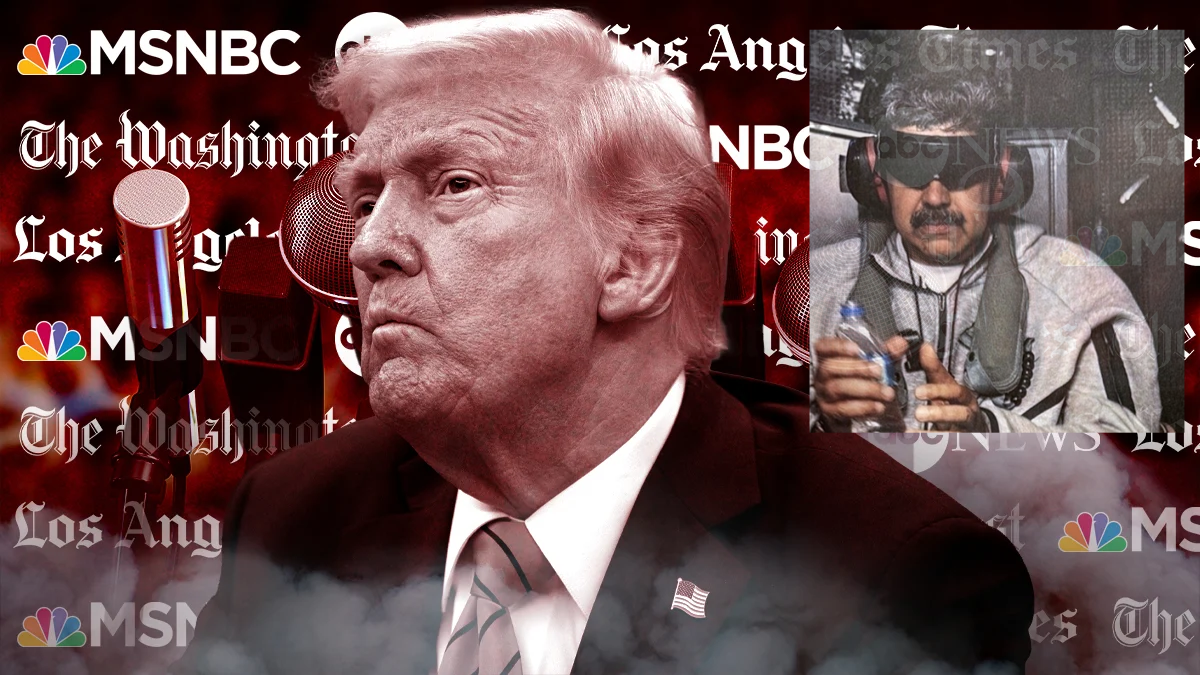


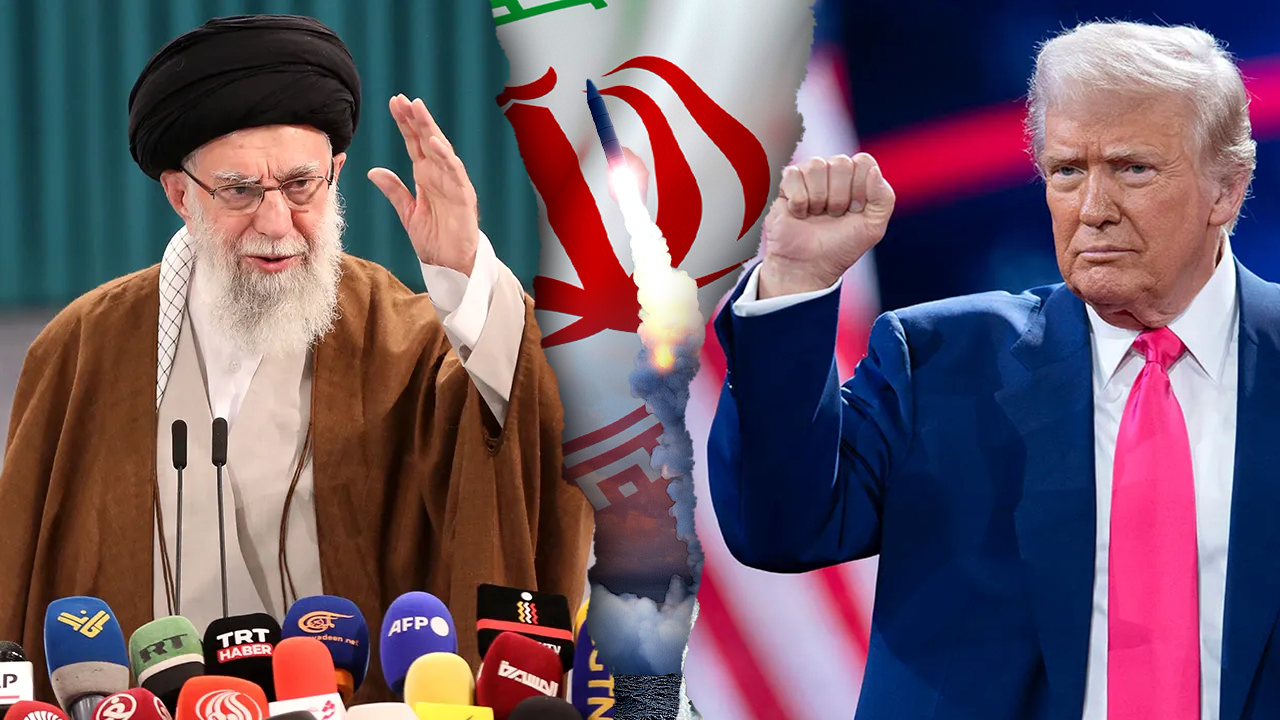


WASHINGTON, D.C. – After the U.S.-Israeli joint operation, “Epic Fury,” hit Iran’s nuclear sites, ballistic missile bases, and senior leadership, foreign policy leaders quickly split over what should come next. Many voices in Washington didn’t focus on whether the strikes were justified. Instead, they zeroed in on President Donald Trump’s apparent refusal to commit to a full, managed regime-change plan.
Former National Security Adviser John Bolton has been the clearest example of that divide. He called the strikes “justifiable and necessary” and described them as the biggest decision of Trump’s presidency.
Still, Bolton has also warned that the White House seems unprepared for what follows, and that this could leave a dangerous vacuum in Iran, fuel wider conflict, and create chaos without a clear replacement for the Islamic Republic.
At the center of the argument is a simple clash of goals. Trump has framed the mission as breaking Iran’s nuclear and missile capabilities, then keeping the option open for talks with whatever leadership comes next.
Bolton and other hawks want something else: a planned push to remove the regime and guide a transition, backed by Western support and organized opposition groups. Bolton pressed for that approach during Trump’s first term, but he never got it.
Bolton’s Message: Support the Strikes, Don’t Wing the Aftermath
Bolton has long argued that diplomacy can’t change Iran’s behavior, and that only regime change can end the threat. In a recent Politico interview, he said Trump has “swung wildly” on Iran, shifting from caution in his first term to actions that look like regime change today, but without the groundwork Bolton thinks is required.
He has pointed to several dangers:
- A power vacuum: Without a planned transition, Iran could fracture, empower hardliners, or fall into drawn-out instability.
- Mixed signals: Bolton says White House statements don’t line up, with some officials denying regime change is the goal and others treating it as a hopeful side effect.
- A missed opening: He argues the regime is weakened right now, and that Trump could waste the moment by acting on impulse instead of strategy.
On NewsNation and other outlets, Bolton also criticized Defense Secretary Pete Hegseth for saying the operation isn’t “a so-called regime-change war.” Bolton called for a shift in Pentagon thinking so that the government speaks with one voice. In addition, he has pushed the administration to back Iranian opposition groups and make regime removal an official policy, warning that the only other path is accepting Iran’s nuclear ambitions.
Trump’s Own Track: Strikes First, No Promise of a Managed Overthrow
Trump has often ignored the standard advice from Washington’s hawks. In his first term, he resisted Bolton’s push for aggressive regime-change efforts in Iran, North Korea, and elsewhere. He also pulled back from escalation more than once. Now, in his second term, he approved major strikes, but he keeps describing them as focused attacks meant to remove key threats, not the start of a long project to rebuild Iran’s government.
Trump’s position includes a few clear themes:
- Nuclear and missile targets come first: He has said the priority is stopping Iran from getting nuclear weapons. He has also claimed earlier strikes “obliterated” parts of the program, although Bolton and others say that wording goes too far.
- Talks are still on the table: After the strikes, Trump said Iran’s emerging leadership signaled interest in discussions. A senior White House official also said Trump is willing to engage “eventually,” and that he prefers direct contact over intermediaries.
- No appetite for open-ended war: Trump has repeated his dislike for nation-building and long commitments. He has also suggested he won’t send ground forces unless events force his hand.
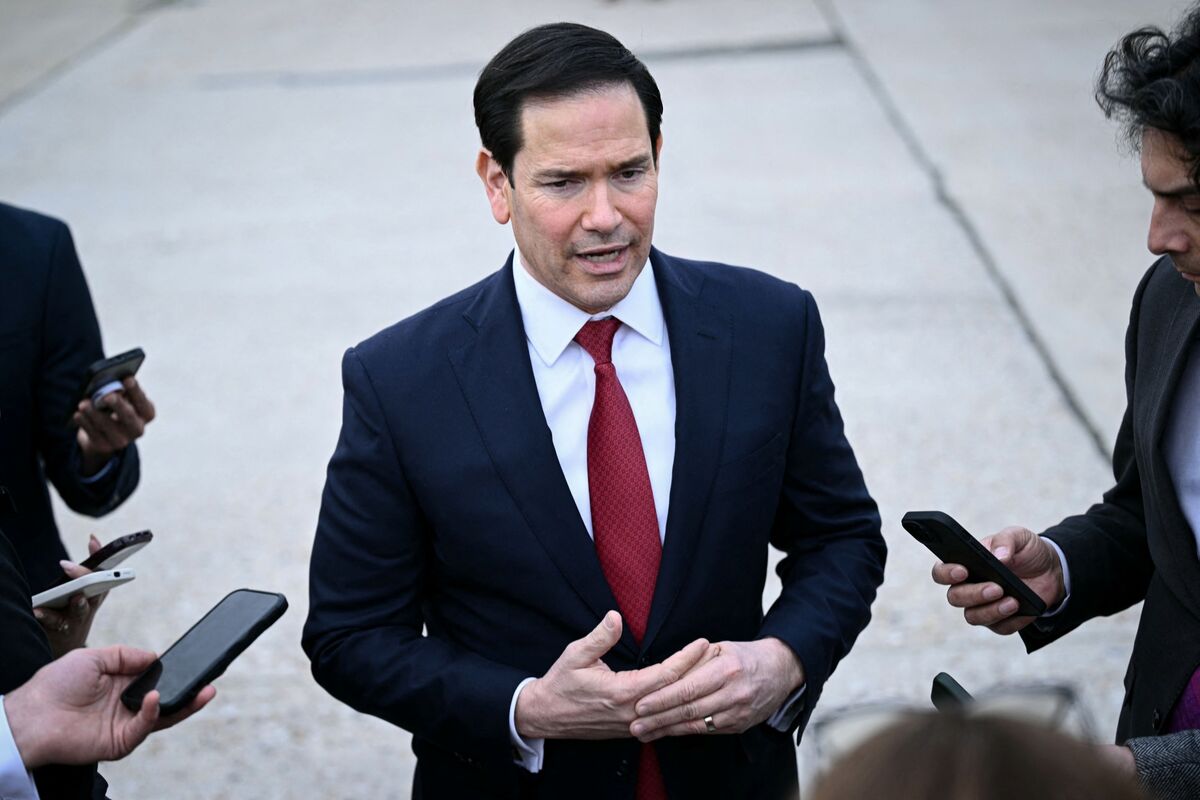
- Uneven public messaging: Some officials, including Secretary of State Marco Rubio, describe regime change as a possible outcome, not the main mission. They keep the focus on damaging Iran’s military abilities.
That gap between Trump’s approach and the hawkish playbook has frustrated many establishment voices. They argue that refusing a structured regime-change plan invites disorder, gives regime remnants a chance to regroup, and risks a longer conflict without a clear endpoint.
The Nuclear Focus: Force, Then Negotiation
The operation hit Iran’s nuclear infrastructure after indirect talks in 2025 and 2026 failed to produce a deal. Those negotiations, mediated by Oman in Geneva, went through multiple rounds. Iran showed some openness to limits on enrichment and inspections, but it resisted concessions on ballistic missiles, which the United States treated as a red line.
Trump grew unhappy with the pace and scope of the talks, and the strikes followed. Even so, he has not shut the door on diplomacy. Reports describe post-strike outreach from transitional figures in Iran, and Trump agreeing to engage.
That stance is the opposite of Bolton’s view. Bolton argues that diplomacy has failed since 1979, and he says only regime change can end the nuclear risk for good.
Trump’s method looks more transactional. He applies heavy military pressure, then tries to negotiate from a stronger position. The end goal appears to be verifiable nuclear limits, which could include removing uranium stockpiles and allowing tougher monitoring, without launching the kind of full regime-removal campaign hawks want.
What It Means: A Bigger Fight Over U.S. Strategy
This dispute highlights a deeper break inside U.S. foreign policy. Establishment voices, including think tanks such as Chatham House and figures like Bolton, argue that air strikes alone won’t deliver lasting political change. They warn that hitting targets without an end plan can raise the risk of escalation.
Trump, on the other hand, seems to trust his deal-making instincts. He has signaled he wants Iran’s nuclear ambitions stopped through pressure and direct talks, not a long U.S.-led transition.
Some critics say that the approach could drag the United States into a messy conflict anyway. Supporters say it avoids the kind of managed interventions that produced mixed results in Iraq and other places.
As the operation continues, potentially for weeks according to Trump, the next step matters as much as the strikes themselves. The attacks have weakened Iran’s capabilities, but for now, the strategy ahead looks driven more by Trump’s instincts than by the traditional Washington blueprint.