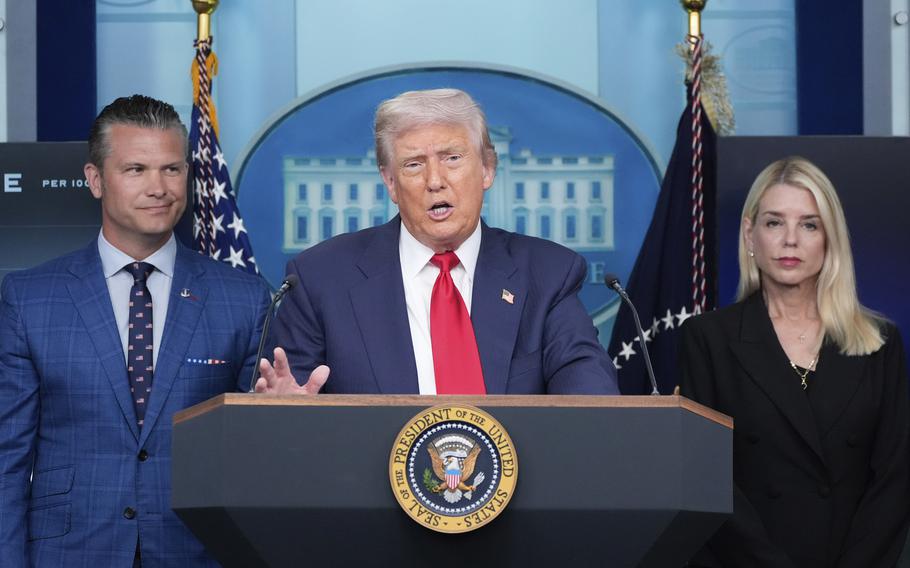


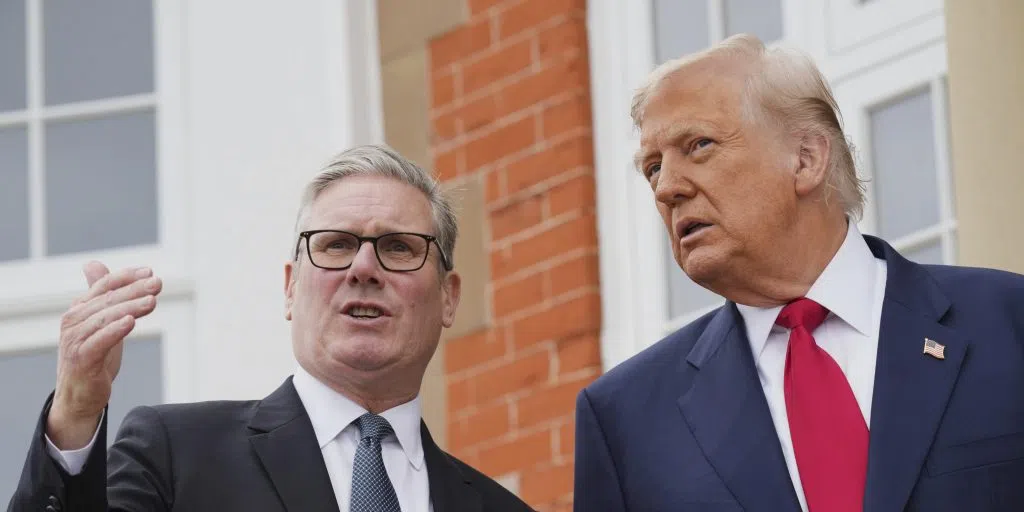


WASHINGTON, D.C. – President Donald Trump said he’s “very disappointed” with UK Prime Minister Keir Starmer after Britain first refused to let US forces use the joint US-UK base on Diego Garcia to support strikes on Iran.
In an interview with The Daily Telegraph published Monday, Trump said Starmer’s hesitation broke with decades of close US-UK military teamwork. His comments landed during a fast-moving crisis in the Middle East, after US and Israeli air strikes on Iran reportedly killed Supreme Leader Ali Khamenei.
Trump said the UK’s decision “took far too long.” He also claimed this kind of delay “probably never happened between our countries before.” While he suggested Starmer may have worried about legal issues, Trump argued approval should have come quickly because, in his view, Iran’s actions had hurt British citizens.
Why Diego Garcia Became the Flashpoint
Diego Garcia, the largest island in the Chagos Archipelago in the Indian Ocean, hosts a major joint US-UK military base. The site supports long-range operations, surveillance, and logistics, and it has played a central role in Western military planning across the region.
- Strategic value: The island offers a secure location to stage aircraft, ships, and intelligence missions far from many threats.
- Shared setup: A 1966 treaty governs the base, and the UK administers it, even as sovereignty disputes continue.
- Immediate backdrop: As tensions rose around Israel, Hezbollah, and direct Iranian threats, US planners looked to Diego Garcia as a key hub for any action against Iranian targets.
At first, the UK rejected US requests to use Diego Garcia and RAF Fairford for offensive operations tied to Iran. British officials pointed to international law and said they didn’t want to be pulled into efforts seen as pushing regime change.
Starmer Later Allows Limited Use, but Draws a Hard Line
On Sunday night, Starmer announced a shift. He said the US could use British bases for “specific and limited defensive” actions, aimed at stopping Iranian missile and drone attacks that threatened allies and British interests. Still, he ruled out UK involvement in wider strikes meant to topple Iran’s leadership.
Speaking in Parliament on Monday, Starmer defended his stance:
- He said decisions would follow “law and the national interest.”
- He warned against repeating the “mistakes of Iraq.”
- He rejected “regime change from the skies.”
Starmer also played down Trump’s criticism, saying Britain would act based on its own security needs, not out of habit or expectation.
Trump Also Links the Row to the Chagos Sovereignty Deal
Trump’s frustration was not only about strike planning. He also tied the dispute to the UK government’s deal to transfer sovereignty of the Chagos Islands to Mauritius, while keeping long-term access to the Diego Garcia base through a lease.
Earlier, Trump urged Starmer not to “give away” Diego Garcia, calling the deal a security risk. In February, he pulled back earlier US support for the plan and warned it could weaken Western control at a time of rising pressure from Iran.
Key points in the Chagos agreement include:
- The UK transfers sovereignty of the Chagos Islands to Mauritius.
- A 99-year lease keeps the base operating for the UK and the US.
- The agreement seeks to address long-running legal fights raised by Mauritius and international courts.
- Trump called the deal a “big mistake” and warned it could open new weak spots.
Trump repeated that full, immediate US access to Diego Garcia should have been simple, especially with shared concerns about Iran.
A Fast-Escalating Middle East Crisis
This public dispute between Trump and Starmer comes as events in the region move quickly:
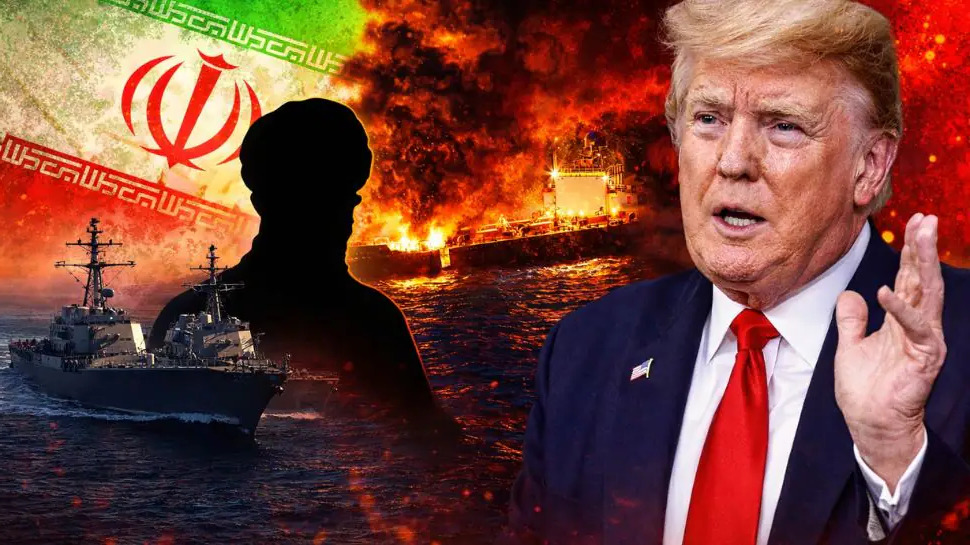
- US and Israeli strikes on Saturday hit Iranian sites, and reports say they killed Supreme Leader Khamenei.
- Iran responded with drones and missiles, and some attacks reportedly put British and allied assets at risk.
- The UK allowed defensive responses tied to those threats, yet it stayed out of the first round of offensive strikes.
Analysts say the clash shows real strain in the “special relationship.” Trump has pressed for tighter unity against Iran, while Starmer has stressed caution and legal limits.
Political Reaction and What It Could Mean Next
In the UK, opposition voices jumped on Trump’s remarks. Reform UK deputy leader Richard Tice said Starmer had “humiliated” Britain by not backing the US more fully.
Outside Britain, observers warned the public back-and-forth could complicate coordination as the Iran crisis continues. Still, the UK’s eventual approval for limited base use points to a practical compromise.
Trump called the latter access “useful,” but he kept focusing on the delay. He also signaled that the Diego Garcia base could matter again if the conflict expands.
As the Middle East situation keeps shifting, the Trump and Starmer exchange highlights the tension between alliance demands, sovereignty politics, and military planning under pressure.