

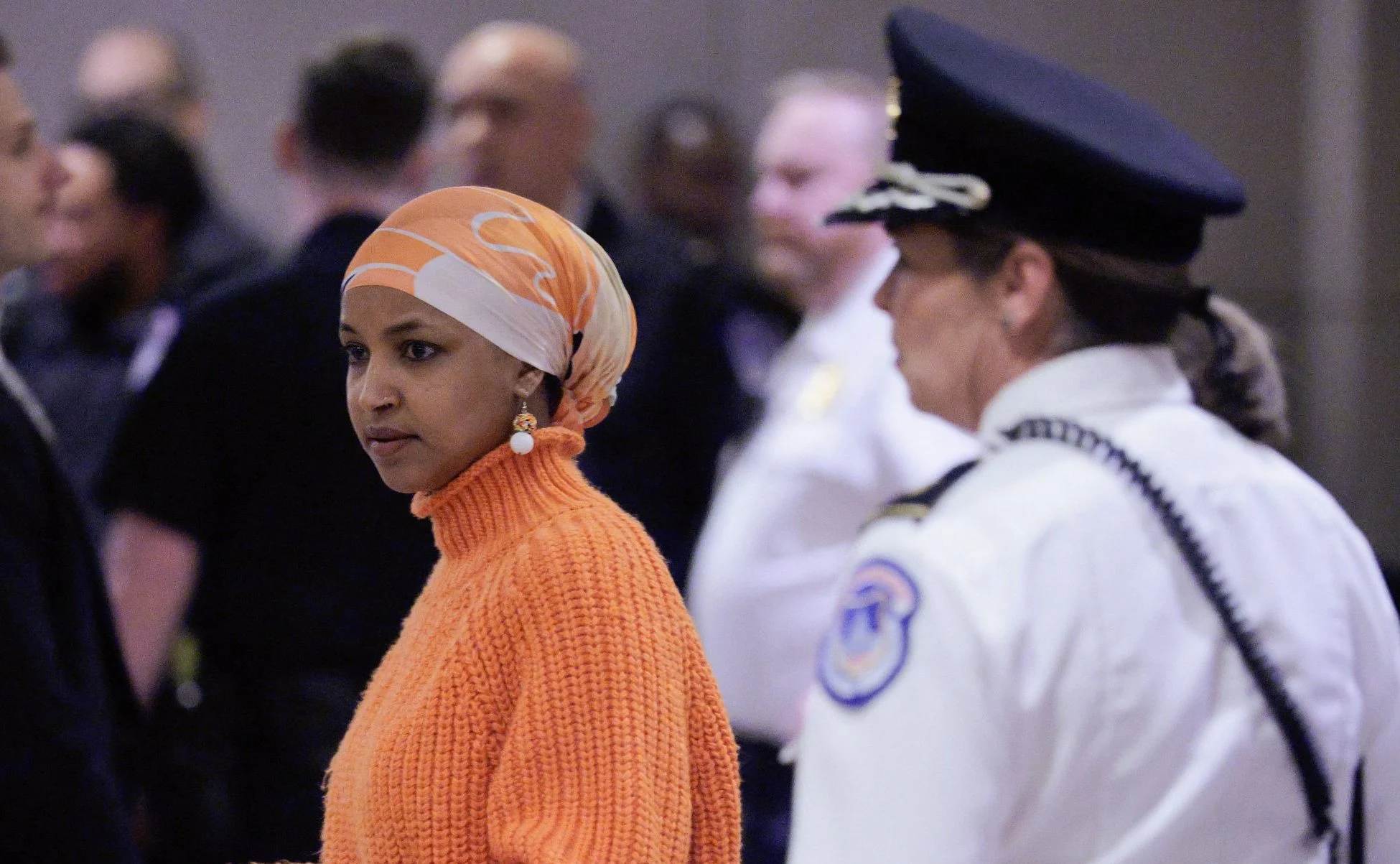


ST. PAUL, MN — A high-stakes political showdown is intensifying in Minnesota as Representative Ilhan Omar faces mounting pressure over her response to a legislative inquiry.
At the center of the storm is a demand for documents related to the “Feeding Our Future” scandal—a massive alleged fraud scheme that has already led to dozens of federal charges and millions in stolen taxpayer funds.
The controversy reached a boiling point this week when members of a Minnesota oversight committee accused the Congresswoman of stalling. Critics argue that her refusal to provide requested internal communications hinders the state’s ability to prevent future exploitation of social safety nets.
The “Feeding Our Future” case is often described as the largest COVID-19 pandemic relief fraud in the United States. Federal prosecutors allege that a network of individuals exploited a USDA-funded child nutrition program to steal an estimated $250 million intended to feed hungry children.
Investigators are now looking into how the fraud went undetected for so long and whether political influence played any role in shielding the nonprofit from earlier scrutiny.
What the committee is looking for:
- Correspondence between Rep. Omar’s office and Feeding Our Future executives.
- Internal memos regarding the nonprofit’s expansion within her district.
- Records of any advocacy or support provided to the organization during the state’s initial audits.
Omar’s Pattern of Refusal
Rep. Omar has consistently pushed back against the committee’s requests, citing various legal and jurisdictional reasons. Her legal team argues that the state committee lacks the authority to subpoena a sitting member of Congress for federal records. They further contend that the request is a “politically motivated fishing expedition” designed to damage her reputation rather than solve policy issues.
However, state legislators point out that while the funding was federal, the administration of the program happened at the state level through the Minnesota Department of Education (MDE). They argue that any official who may have vouched for the nonprofit must be transparent about their involvement.
The standoff is not just about a few emails; it represents a broader debate over accountability and oversight. Here is a breakdown of why this issue has remained in the headlines:
- Financial Scope: With $250 million missing, taxpayers are demanding to know where the oversight failed.
- Political Ties: Some individuals charged in the scheme have previously appeared at political events with various local leaders, raising questions about “soft” influence.
- Jurisdictional Jousting: The clash highlights a murky legal area regarding when a state-level committee can compel a federal official to cooperate with an investigation.
Response from the Congresswoman’s Office
In a recent statement, a spokesperson for Rep. Omar emphasized her commitment to “justice and the proper use of public funds.” The office maintains that they have already cooperated with federal authorities where appropriate and that the state’s demands are redundant and overreaching.
“Representative Omar has been a vocal supporter of feeding families, not fraudsters,” the statement read. “Attempts to link her office to the criminal actions of private individuals are based on conjecture, not evidence.”
As the committee weighs its next steps, which could include a formal subpoena or a referral for legal action, the political climate in Minnesota remains tense. The “Feeding Our Future” case has become a symbol of pandemic-era mismanagement, and voters are increasingly sensitive to how their representatives handle the fallout.
If the committee decides to move forward with a subpoena, it could trigger a lengthy court battle that tests the limits of legislative privilege. For now, the documents remain under lock and key, and the questions surrounding one of the state’s biggest scandals remain unanswered.
What This Means for Minnesotans
For the average citizen, the bickering in St. Paul is a distraction from the real tragedy: millions of meals that never reached the children who needed them most.
Summary of the “Feeding Our Future” Fallout:
- 70+ Defendants: Dozens of people have been charged by the Department of Justice.
- Asset Seizures: Federal agents have seized luxury cars, real estate, and jewelry bought with stolen funds.
- Legislative Reform: New bills are being introduced to tighten the “fine print” of how nonprofits receive government grants (Homan & Lantis, 2022).
As this story develops, all eyes remain on the 5th District representative. Whether the standoff ends in a compromise or a courtroom, the demand for transparency isn’t going away.