


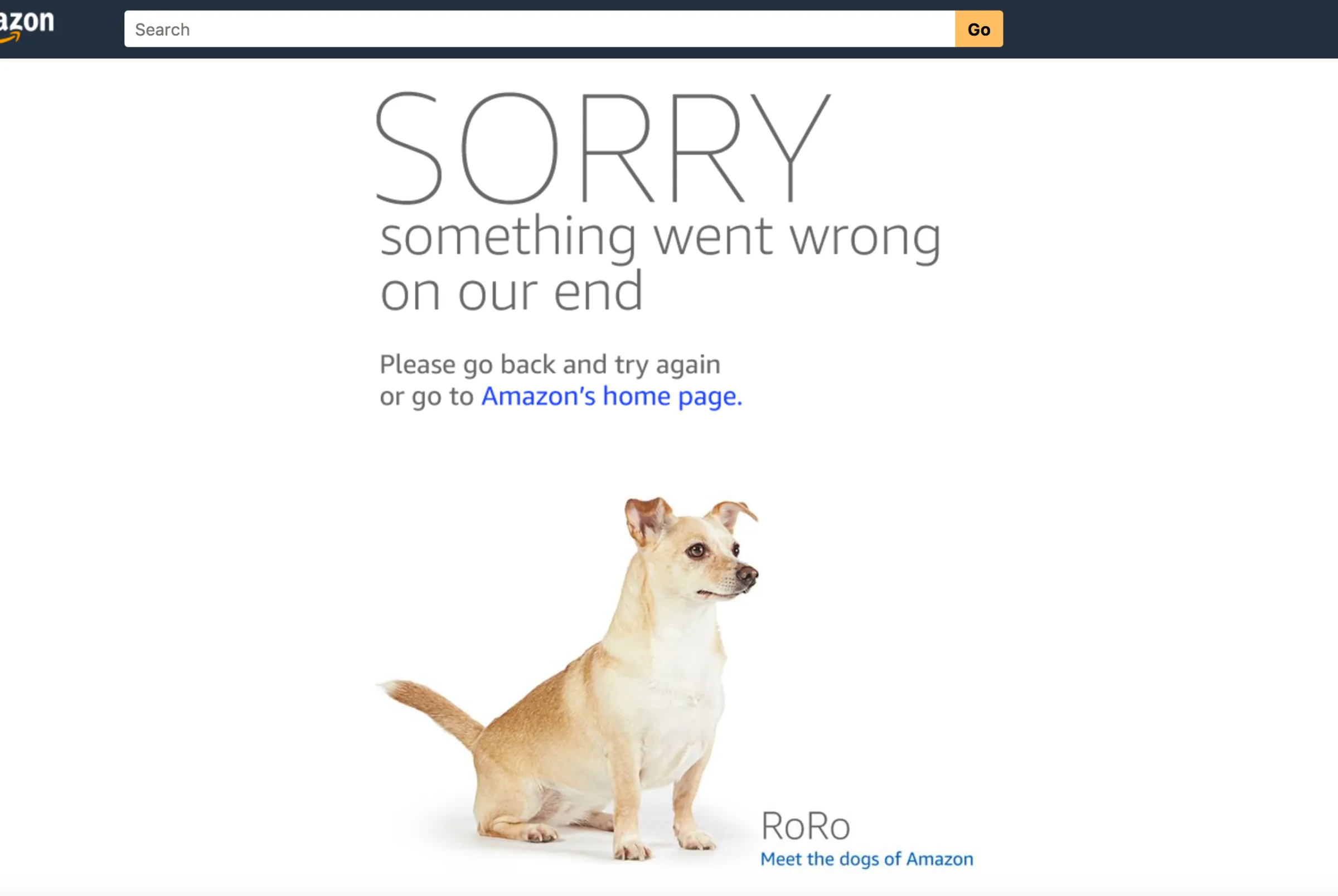


SEATTLE – Amazon shoppers ran into major trouble today after a lengthy outage knocked key parts of the buying experience offline. For hours, many people couldn’t browse products, add items to their carts, or check out. Amazon said a faulty software code deployment triggered the disruption, pointing to the risks that come with running a huge online shopping platform at scale.
The problems started early and stretched into busy shopping periods across several time zones. Both the Amazon.com website and the mobile app took hits. Customers shared reports of error screens, pages that wouldn’t load, and login failures, and complaints quickly spread across social media and review forums.
Amazon confirmed the issue began during a routine software code deployment. The company pushed an update meant to improve performance and strengthen security. However, something in the rollout broke, and the failure spread across customer-facing services. As a result, several core features stopped working.
- Release scope: The update included backend changes focused on search behavior and checkout steps.
- How long it lasted: The main outage ran about 8 to 12 hours, while some areas saw on-and-off issues after that.
- Who it impacted: The consumer shopping experience took the biggest hit, although some sellers and tools tied to AWS also reported ripple effects.
Amazon also said the disruption didn’t connect to earlier AWS events, including the US-EAST-1 incident in October 2025 or AI-related issues reported in early 2026. Instead, the company described it as a contained software code deployment failure during internal testing and staged rollout.
Company statement: “This hours-long outage was triggered by a software code deployment issue. Our teams acted swiftly to roll back the changes and restore services. We apologize for any inconvenience and are conducting a full review to prevent recurrence.”
How Shoppers and Sellers Were Affected
The timing hit at a rough moment, since many customers and small businesses rely on Amazon for daily orders and post-holiday purchases.
- Many shoppers saw “Service Unavailable” pages or endless loading when opening product listings.
- Prime members also reported trouble with video streaming and other account-linked services.
- Third-party sellers experienced paused orders, inventory sync problems, and lost sales that some estimated in the millions during high-traffic hours.
Complaints surged online:
- “Can’t even log in to cancel an order? This is ridiculous!” one user posted.
- Several businesses shared images of stalled dashboards, while others reported 20 to 30% drops in daily revenue.
Because the outage had a global reach, the worst timing varied by region. Parts of Asia and Europe saw disruptions during morning hours, while many North American customers ran into trouble later in the day.
What Amazon Did to Restore Service
Amazon’s engineers moved quickly once alerts came in. The company focused on reversing the change and stabilizing traffic while tracking down the exact failure point. Key steps included:
- Rolling back the release: Teams returned systems to the last stable version within the first few hours.
- Shifting traffic: Amazon routed demand toward unaffected data centers and edge locations.
- Tighter monitoring: Engineers added extra checks and diagnostics to isolate the broken part of the deployment.
By late afternoon in many local time zones, most users could shop normally again. Amazon also said it plans to share a post-mortem report, which is common after large-scale incidents.
At the same time, the outage highlights the tradeoff of automated release pipelines. They speed up updates, but mistakes can spread fast when safeguards miss a problem.
What This Means for E-Commerce Reliability
When Amazon goes down, the impact extends well beyond one website. The company plays a huge role in online shopping and also supports many businesses through AWS. That’s why even a short outage can disrupt shoppers, sellers, and outside services.
Industry watchers say similar incidents have become more common across big tech, often because of:
- Complicated microservices setups.
- Faster release cycles tied to AI-based features.
- Human mistakes or misconfigurations during rollouts.
For shoppers, the outage also showed the downside of relying on one major provider. During the downtime, many people shifted to competitors like Walmart, Target, and eBay to finish purchases.
Market analysts also warned that repeated disruptions could weigh on confidence and add pressure on Amazon’s stock if customers start to expect more downtime.
Amazon has poured billions into redundancy, multi-region failover, and automated rollback tools, and it promotes strong availability targets. Still, even strong uptime goals allow for some downtime, and hours-long failures remind everyone that no system stays perfect forever.
What Comes Next
Amazon will likely tighten its deployment process after this incident. Common fixes after a code-related outage include:
- More strict staged rollouts, including limited canary releases first.
- Extra automated checks before production changes go live.
- Better alerts that catch unusual behavior earlier during updates.
In the meantime, shoppers can reduce frustration with a few simple habits:
- Keep a couple of backup shopping apps or bookmarks ready during peak seasons.
- Check official Amazon status pages for updates during disruptions.
- Spread purchases across more than one seller or retailer when timing matters.
As online shopping moves faster and adds more AI features, Amazon faces the same challenge as every major platform: shipping updates quickly, while keeping the basics stable for everyone who depends on them.
Related News: