Connect with us

Business

New Sanctions on Russia and Their Impact on Global Trade, Markets

Jeffrey Thomas

Published

on

New Sanctions on Russia

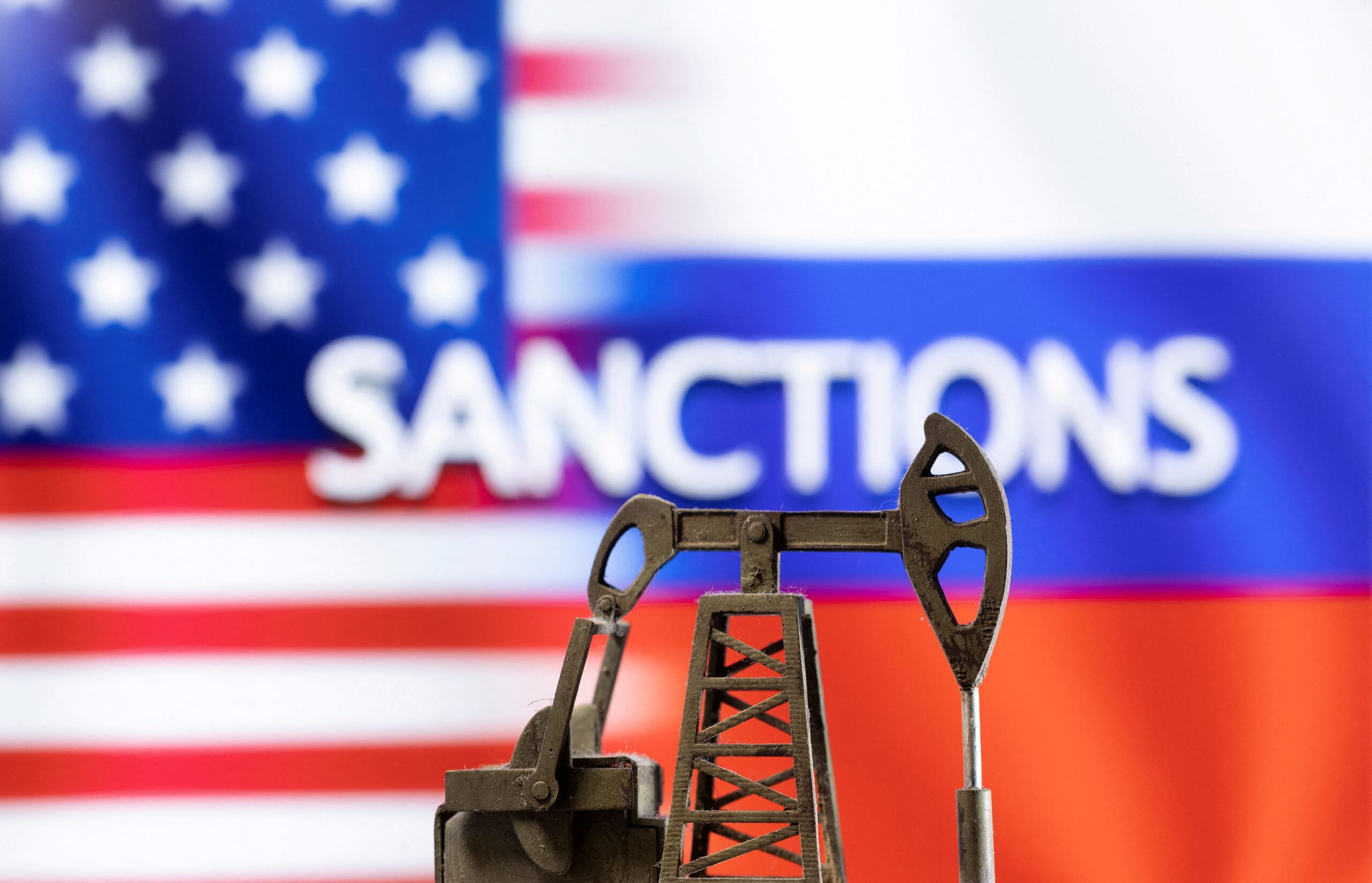
Sanctions used to be a topic for diplomats and policy experts. Today, they affect gas bills, food prices, and even mortgage rates. The latest rounds of new sanctions on Russia in 2024 and 2025 show this very clearly.

After Russia’s full-scale invasion of Ukraine in 2022, many countries chose sanctions instead of direct war. In 2025, the US, EU, UK, and allies pushed new packages that hit Russian energy, banks, and military-linked companies harder than before. These moves are now reshaping how countries buy energy, how ships move around the world, and how money flows through global markets. They also sit at the heart of Europe’s Energy Crisis.

The European Union’s 19th sanctions package, along with new US measures, now targets Russian oil, gas, LNG, and finance in a much deeper way. As a result, Europe is racing to find new energy suppliers, companies are rewriting trade routes, and investors are watching markets jump on every new headline.

What Are the New Sanctions on Russia and Why Do They Matter?

Sanctions are basically rules that limit or block trade and finance with a country, company, or person. They are a tool that governments use when they want to punish bad behavior, but do not want a direct military fight.

In late 2025, the EU adopted its 19th package of sanctions against Russia. It is the toughest so far. Official EU statements explain that this package targets Russian energy exports, including liquefied natural gas (LNG), as well as banks, crypto services, and companies in other countries that help Russia’s war effort. You can see this described in more detail in the EU’s announcement on the 19th package of sanctions against Russia.

At the same time, the US and UK increased pressure on Russian oil majors and financial channels that still help Russia earn foreign currency and buy imported goods.

Why does this matter for regular people? Because Russia is a major exporter of oil, gas, LNG, metals, and grain. When those flows are restricted or rerouted, prices and supplies change, often far from the war itself. That change feeds into global trade, stock markets, and day-to-day costs for households.

Simple Explanation of Sanctions and How They Work

Think of sanctions as strict rules for doing business. Governments tell banks and companies: “You cannot deal with that person, that company, or that country, at least not in certain areas.”

Some common types of sanctions are:

  • Trade bans: For example, no importing Russian oil or LNG into the EU.
  • Financial blocks: Cutting Russian banks off from global payment systems.
  • Export controls: Limiting high-tech gear, machinery, or chemicals that can be used for weapons.
  • Asset freezes and travel bans: Blocking the money and movement of certain people.

Here is a simple example. If a Russian oil company is on a sanctions list, a European bank may not be allowed to process its payments. So the company cannot easily get paid in euros or dollars. That makes it harder for Russia to sell energy and to fund its war.

The official goal of these tools is to pressure leaders and the war economy, not to punish ordinary people. In real life, though, regular people often feel the side effects, like higher fuel or food prices.

Key New Measures in 2025: Energy, Finance, and Military Trade

The 19th EU package is a big step up. According to EU and news reports, including finance-focused coverage of the 19th sanctions package and Reuters reporting on the LNG ban and ship list, the latest measures include:

Energy

  • A full ban on Russian LNG imports into the EU, with phase-out periods for existing contracts.
  • Tighter limits on Russian oil, including exports linked to big companies like Rosneft and Gazprom Neft.
  • A crackdown on Russia’s “shadow fleet”, with over 500 ships listed for trying to hide the origin of oil or dodge price caps.

Finance

  • EU firms will be banned from using Russian financial messaging systems such as SPFS, SBP, and Mir, starting in early 2026.
  • New sanctions on crypto exchanges and services that help Russia move money outside the regular banking system.
  • More Russian banks added to EU and US sanctions lists.

Military and war economy

  • Extra export bans on items that can support Russia’s military industry, such as certain metals, electronics, and construction materials.
  • Dozens of new individuals and companies linked to the war or to sanctions evasion added to sanction lists.
  • Companies in third countries, including parts of Asia and the Middle East, targeted if they help Russia dodge rules.

Legal and compliance experts have summarized how broad this 19th package is, for example in analyses like Skadden’s overview of the EU sanctions update and Rimon Law’s summary of new export restrictions.

How These Sanctions Are Different From Earlier Ones

Right after the 2022 invasion, sanctions focused on some banks, elites, and high-tech exports. Many energy flows, especially gas, were left partly open. Europe still depended on Russian pipeline gas and some oil.

As the war dragged on, the logic changed. The newest measures:

  1. Hit core energy exports harder
    Earlier packages left large gaps for LNG and some oil routes. The 19th EU package moves toward a total LNG ban and closes many of those gaps.
  2. Widen the target list
    More banks, more companies, more ships, more individuals. Sanctions now reach deeper into Russia’s energy system and war economy.
  3. Push back against workarounds
    The EU and US now pay closer attention to traders, banks, and shippers in third countries that help Russia bypass rules.

Because of these changes, sanctions now affect not just Russia, but the whole web of global trade, shipping, and finance that used to move Russian goods.

How New Russia Sanctions Are Shaping Global Trade Flows

When a major exporter like Russia faces new limits, trade routes bend. Ships change ports. Contracts get rewritten. Middlemen appear.

The latest sanctions affect three big areas:

  • Energy trade, especially oil, gas, and LNG.
  • Key raw materials, such as metals, fertilizers, and grains.
  • Shipping and insurance, which act as the backbone of trade.

All of this links back to Europe’s Energy Crisis, where the loss of Russian energy has forced a huge and costly shift to new suppliers.

Energy Trade Disruptions and Europe’s Energy Crisis

Before the war, Europe relied heavily on Russian pipeline gas. When those flows dropped, Europe turned to LNG from many places, including still from Russia in the short term. The new EU LNG ban removes that last piece over time.

This is central to Europe’s Energy Crisis. Europe now needs to:

  • Replace Russian pipeline gas and LNG with imports from the US, Qatar, and African producers.
  • Compete with Asian buyers for the same LNG cargoes.
  • Make sure storage tanks are full before each winter.

When more buyers chase the same limited gas, prices can jump. That hits:

  • Households, through higher heating and electricity bills.
  • Factories, through higher energy costs that cut profits or force shutdowns.
  • Governments, which may spend more on subsidies or price caps.

The crisis in Europe feeds into global markets. If Europe buys more LNG from the US, that affects how much is left for other regions and what price they pay.

Shifts in Oil, Gas, and LNG Trade Routes Worldwide

Russian oil and gas do not simply vanish. They look for new homes.

Here is what is happening:

  • Oil that used to go to Europe now sails to Asia, especially India and China, often on longer routes that use more ships and time.
  • Russia offers discounts to buyers willing to ignore or work around Western sanctions and price caps.
  • A “shadow fleet” of older tankers moves Russian oil under different flags, hidden ownership, or switched-off tracking systems.
  • Europe increases LNG imports from friendly countries and signs long-term contracts to replace Russian supply.

These shifts bring higher transport costs and more complex logistics. New trading hubs and middlemen appear in places like the Middle East, the Caucasus, and parts of Asia. This extra friction often shows up as higher prices for end buyers.

Impact on Food, Metals, and Other Key Commodities

Russia and Ukraine are both major food and raw material exporters. That includes:

  • Wheat and other grains.
  • Fertilizers such as potash and nitrogen products.
  • Metals like nickel and aluminum.

Sanctions on Russian banks, shipping, and insurance, plus the risk from war in the Black Sea region, can slow these exports or make them more expensive.

For poorer countries that import a lot of food or fertilizer, higher prices can hit hard. If fertilizer costs more, farmers may use less, which can reduce crop yields. Less supply can push food prices higher. That is how a war in Europe and sanctions on Russia can affect the price of bread or meat in faraway regions.

Even when food and fertilizers are not directly banned, the extra cost of ships, insurance, and financing still raises prices along the supply chain.

New Trade Partners and Alliances Outside the West

As Western markets close, Russia has looked for partners elsewhere. It has deepened ties with:

  • BRICS countries, like China and India.
  • Middle Eastern states, that seek cheap oil and gas.
  • Some African and Latin American countries, that want investment or discounted fuel.

At the same time, more companies in these regions face pressure from US and EU sanctions if they help Russia buy weapons or evade rules. Some Chinese, Gulf, and other firms have already been listed for supplying sensitive goods or finance linked to the war.

This raises a bigger question: will world trade split into blocks? One block could be centered on US and EU rules, with stricter sanctions and controls. Another could trade more freely with Russia, Iran, and other sanctioned states.

For businesses, this means more uncertainty. They may need separate supply chains for different markets, and they face higher legal and reputational risks.

How Sanctions on Russia Are Moving Global Markets and Prices

Markets react to news in seconds. When governments announce new sanctions, traders quickly guess what that means for supply, demand, and risk.

For Russia sanctions, three areas move first:

  • Energy prices, especially oil and gas.
  • Stock markets and currencies.
  • Inflation and interest rates.

These shifts affect regular people through fuel prices, grocery bills, and borrowing costs.

Oil and Gas Prices: Why Energy Costs Stay Volatile

Energy markets do not like uncertainty. Every time there is a new LNG ban, ship blacklist, or banking restriction, traders worry about tighter supply.

A simple rule helps:

  • When supply shrinks and demand stays strong, prices tend to rise.
  • When supply grows or demand falls, prices tend to drop.

With Russia sanctions, many traders expect some loss of supply or at least higher transport costs. That supports higher prices than before the war. At the same time, if the global economy slows, or if Europe has a mild winter with full gas storage, prices can fall back.

Because these forces push in both directions, energy prices stay jumpy. This constant up and down is a key part of Europe’s Energy Crisis, since businesses and households struggle to plan when they do not know what their bills will look like a few months ahead.

Stock Markets, Currencies, and Investor Fear

Stock markets often react strongly to big sanctions news:

  • Energy company stocks can rise if investors expect higher oil and gas prices that boost profits.
  • Airlines, shipping lines, and heavy industry can fall if investors fear higher fuel and raw material costs.
  • Banks and insurers may drop if they face legal or credit risks from sanctions.

Currencies also move:

  • Countries that export oil and gas sometimes see stronger currencies when prices rise.
  • The Russian ruble has faced heavy pressure since 2022, with capital controls and sanctions limiting trade in the currency.
  • Safe-haven currencies, like the US dollar and Swiss franc, can gain when investors get scared and pull money out of riskier places.

Investors also worry about how strict enforcement will be. A new round of penalties for shipowners or traders can quickly change sentiment and add to swings in markets.

Inflation, Interest Rates, and What Households Feel

Sanctions and trade shocks feed into inflation. When energy, shipping, and raw materials cost more, companies often pass that on to consumers. This shows up in:

  • Higher heating and electricity bills.
  • More expensive gasoline and diesel.
  • Rising prices for food and packaged goods.

Central banks use interest rates to fight inflation. If prices rise too fast, they may raise rates. That can cool demand but also makes loans, credit cards, and mortgages more expensive.

This is a sharp trade off. On one side, sanctions try to weaken Russia’s war machine. On the other, they can add to price pressure around the world. In Europe, energy-driven inflation has been a big piece of Europe’s Energy Crisis, forcing governments to respond with tools like tax cuts, targeted subsidies, and caps on certain energy prices.

What Comes Next for Sanctions, Europe’s Energy Crisis, and Global Trade?

No one knows exactly how long the war in Ukraine will last or how far sanctions will go. Still, some paths look more likely than others.

Looking ahead, three big questions stand out:

  • How much tighter will sanctions and enforcement become?
  • How will Europe’s energy system change over the next decade?
  • Will global trade split into blocks or slowly reconnect?

Possible Future Sanctions and Tighter Enforcement

Many governments have already signaled that more could come if the war continues. Future steps might include:

  • Closing more loopholes in the oil price cap system.
  • Targeting more banks and trading firms in third countries.
  • Expanding controls on dual-use goods that can help the Russian military.

Experts often stress that enforcement matters as much as new rules. If ship tracking, cargo checks, and payment monitoring get stronger, sanctions will bite harder.

For global supply chains, that could mean:

  • More checks and paperwork for cargoes that might involve Russia.
  • Higher compliance costs for shipping, insurance, and banks.
  • A greater chance of delays in energy and raw materials deliveries.

Long Term Impact on Europe’s Energy Crisis and Green Transition

Europe’s Energy Crisis is not only about this winter or next year. It is also reshaping long term energy plans.

The loss of cheap Russian gas has pushed European leaders to:

  • Speed up investment in solar, wind, and other renewables.
  • Build more LNG terminals, pipelines, and storage connected to friendly suppliers.
  • Promote energy savings in homes and factories, from better insulation to smarter grids.

Over time, these steps can make Europe less dependent on risky suppliers and more stable. Cleaner energy also helps with climate goals.

There is a hard side too:

  • New infrastructure and renewable projects cost a lot of money.
  • Some regions depend on old energy industries and fear job losses.
  • Political debates grow over who pays, how fast to move, and how to protect vulnerable groups during the transition.

The mix of sanctions, security worries, and climate policy will drive Europe’s choices for many years.

Global Trade: Risk of Fragmentation or Chance to Rebuild?

The global trade system is under stress. Some companies and countries talk about “de-risking” from overly tight ties to any single partner, especially those seen as risky or unfriendly.

Two broad paths are possible:

  1. Deeper fragmentation
    The world splits more into trade blocks. One block is centered on the US and EU, with strong sanctions and security rules. Another block includes Russia, China, Iran, and others that trade more among themselves, sometimes with separate payment and tech systems.
  2. Partial rebuild and adjustment
    Over time, some trust returns in areas that are less sensitive. Trade flows shift but do not completely break. Countries keep security in mind but still seek gains from trade.

In both paths, companies are already:

  • Spreading suppliers across more countries.
  • Shortening some supply chains or bringing key production closer to home.
  • Rewriting contracts to handle sanctions and political risk better.

This can increase costs but may reduce the chance of sudden shocks like those seen since 2022.

Conclusion

The latest new sanctions on Russia have moved far beyond the early steps of 2022. They now cut deep into energy exports, finance, and the war economy, and they reach into third countries that help Russia work around the rules. These measures reshape Europe’s Energy Crisis, alter global trade routes, and stir markets every time a new package or enforcement move is announced.

Sanctions are meant to reduce Russia’s ability to fund and fight the war in Ukraine. At the same time, they bring real side effects, from higher gas and electricity bills in Europe to rising food prices in poorer countries. The choices that governments make on sanctions, energy policy, and trade will shape prices, jobs, and stability long after the war ends.

For anyone who pays a power bill, buys groceries, or holds a mortgage, these issues are not distant geopolitics. They are part of daily life. Paying attention to Europe’s Energy Crisis, sanctions policy, and global trade helps people understand why costs are changing and what might come next, even if they live far from Russia or Europe.

Related News:

Russia Bans Facebook, Meta Says It Will Do Everything To Restore Service

Continue Reading

Business

Blue States Now Weighing ‘Exit Tax’ on Fleeing Residents

VORNews

Published

on

By

Blue States exit tax

NEW YORK – As the domestic migration map of the United States continues to shift toward the Sun Belt, several high-tax Democratic strongholds are considering a controversial legislative tool to protect their balance sheets: the Exit Tax.

Often framed as a “wealth preservation fee” or “departure tax,” these proposals aim to capture a final portion of capital gains or accumulated wealth from high-net-worth individuals who relocate to lower-tax jurisdictions like Florida or Texas.

The logic behind the push is rooted in fiscal necessity. States like California, New York, and Illinois rely heavily on a small percentage of ultra-wealthy residents to fund public infrastructure, social programs, and education.

When a single billionaire leaves, the resulting “tax gap” can create a multi-million dollar hole in the state budget overnight. To counter this, lawmakers are looking for ways to ensure that wealth generated within their borders contributes to the state’s coffers one last time.

Understanding the Mechanics of the Exit Tax

While the term “exit tax” is often used as a catch-all, the legislative reality is more nuanced. These proposals typically target unrealized capital gains—wealth that exists on paper (such as stocks or real estate appreciation) but hasn’t been “cashed out” yet.

  • The Mark-to-Market Approach: If a resident leaves, the state treats their assets as if they were sold on the day they moved. The resident is then taxed on the “gain” accrued while they lived in the state.
  • The “Shadow” Period: Some proposals suggest a trailing tax, where the state claims a right to a portion of income for several years after the resident has established domicile elsewhere.
  • Thresholds for Targeting: Most bills are designed to spare the middle class, focusing instead on individuals with a net worth exceeding $30 million or those with annual incomes over a specific high-tier threshold.

Why Now? The Drivers of the “Wealth Defense” Strategy

The urgency surrounding exit taxes is fueled by three primary factors:

  1. Remote Work Revolution: The post-pandemic shift to remote work decoupled high-paying jobs from physical office locations. Tech executives and finance professionals are no longer tethered to Silicon Valley or Wall Street, making relocation a viable lifestyle choice.
  2. The “Tax Flight” Narrative: Data from the U.S. Census Bureau consistently shows a net migration loss in states with high state income taxes. Proponents of exit taxes argue that this isn’t just a move; it’s “tax arbitrage.”
  3. Budget Deficits: Despite federal pandemic aid, many blue states face long-term unfunded pension liabilities and rising costs of living. An exit tax is seen as a way to stabilize the “tax base” during a period of demographic volatility.

The Legal and Economic Backlash

Critics of the exit tax argue that such measures are not only economically damaging but potentially unconstitutional. Legal scholars point to the Commerce Clause and the Right to Travel, suggesting that penalizing a citizen for moving between states interferes with fundamental American freedoms.

Common Arguments Against the Exit Tax:

  • Double Taxation: Residents may find themselves paying taxes to their old state on gains that are eventually taxed by their new state or the federal government.
  • Economic Stagnation: Critics argue that the mere threat of an exit tax discourages wealthy entrepreneurs from starting businesses in those states in the first place.
  • Capital Flight: Instead of preventing departures, the policy might accelerate them, as residents move quickly to beat the implementation of new laws.

A Look at the State-Level Battlegrounds

California: The Wealth Tax Pioneer

California has been at the forefront of the wealth tax conversation. Proposed legislation, such as Assembly Bill 259, sought to implement a tax on the worldwide net worth of extremely wealthy residents, including a “exit” provision that would follow them for up to a decade. While it has faced significant hurdles in the legislature, the conversation remains a central pillar of the state’s progressive caucus.

New York: Protecting the Financial Capital

In New York, where the top 1% of earners pay approximately 40% of the state’s income tax, the stakes are incredibly high. Lawmakers have debated “mark-to-market” taxes that would apply to billionaires regardless of whether they sell their assets. Opponents warn that New York City’s status as a global financial hub is at risk if its wealthiest citizens feel “trapped” by the tax code.

Illinois and Washington State

Illinois, grappling with deep-seated pension debt, has seen various “privilege tax” proposals. Meanwhile, Washington State—traditionally a no-income-tax haven—recently implemented a capital gains tax that many see as a precursor to more aggressive wealth-tracking measures.

The National Implications: A Fragmented Union?

The rise of the exit tax reflects a deepening divide in how American states view their economic role. Red states are increasingly marketing themselves as “customer-friendly” environments with low or zero income taxes. Blue states, conversely, are leaning into a model of “social investment,” where high taxes fund robust public services.

If exit taxes become a reality, we may see a “Berlin Wall of Tax” emerge, where the cost of moving becomes a significant financial transaction. This could lead to:

  • Increased Litigation: A wave of Supreme Court cases testing the limits of state taxing power.
  • Sophisticated Tax Planning: Wealthy individuals using trusts and offshore accounts to shield assets before they even consider a move.
  • Political Realignment: As the wealthy depart, the political leanings of “destination states” like Florida may shift, while “origin states” may face even more pressure to raise taxes on the remaining middle class to cover the shortfall.

Summary of Key Stakeholder Views

Stakeholder Primary Perspective
Progressive Lawmakers Wealth created using a state’s resources should benefit that state’s future.
Wealthy Taxpayers Exit taxes are a form of “economic kidnapping” that penalizes success.
Economists These taxes may provide a short-term windfall but risk long-term “brain drain” and lost investment.
Red State Governors Exit taxes are a “gift” that makes low-tax states even more attractive to business leaders.

Conclusion: The Future of the American Resident

The debate over the exit tax is more than a policy dispute; it is a battle over the definition of residency. Is a citizen a “customer” of a state, free to leave when the price of services becomes too high? Or are they “stakeholders” with an ongoing obligation to the community that helped foster their success?

As legislative sessions continue across the country, the eyes of the nation’s highest earners are fixed on the statehouses of Sacramento, Albany, and Springfield. For now, the “exit tax” remains a looming shadow over the U.S. tax landscape—a final bill that many hope never arrives in the mail.

Related News:

Republicans Gain Ground in California While Businesses Flee Blue States


Continue Reading

Business

Is the Clock Ticking for ’60 Minutes’? Top Talent Braces for CBS Layoffs

VORNews

Published

on

By

Is the Clock Ticking for ’60 Minutes’? Top Talent Braces for CBS Layoffs

The iconic ticking stopwatch of 60 Minutes has long symbolized the gold standard of American journalism. But this week, the sound echoing through the halls of the CBS Broadcast Center in New York feels less like a countdown to a broadcast and more like a countdown to a pink slip.

Following a series of brutal staff reductions across the network, insiders suggest that the next round of cuts will hit the “crown jewel” of CBS News. With a new leadership team at the helm and a mandate to slash costs, even the most legendary names in the business may no longer be safe.

A Network in Transition: The New CBS Reality

The media landscape in 2026 is unrecognizable compared to just a few years ago. Since Skydance Media acquired CBS parent company Paramount, the focus has shifted toward a leaner, “streaming-first” model.

Under the direction of Editor-in-Chief Bari Weiss, who took the reins in late 2025, the network has already undergone significant surgery. Just last month, CBS News shuttered its nearly century-old radio division, resulting in the loss of dozens of jobs. Now, the spotlight has turned toward the high salaries and prestige of the Sunday night flagship.

Why 60 Minutes is Now in the Crosshairs

For decades, 60 Minutes was considered untouchable. It remains one of the few profitable news programs on television, frequently ranking as the top-rated non-sports broadcast of the week. However, several factors are making it a target for the current restructuring:

  • Sky-High Salaries: Veteran correspondents often command multi-million dollar annual contracts.
  • The “Soft” Programming Debate: Sources suggest leadership wants to move away from “lifestyle” or “soft” segments in favor of leaner, harder-hitting investigative scoops.
  • Production Costs: The show’s traditional model involves large teams and extensive travel, which clash with the new “labor efficiency” goals.

The Names on the “Chopping Block”

While CBS has not officially confirmed individual departures, rumors from within the West 57th Street offices suggest that major changes are coming as the 58th season wraps up this June.

Veteran Correspondents at Risk

Insiders have pointed to several high-profile names whose futures at the network appear uncertain:

  1. Scott Pelley: A staple of the broadcast for twenty years, Pelley is reportedly among those being looked at due to a salary estimated between $7 million and $8.5 million.
  2. Sharyn Alfonsi: Known for her versatility and hard-hitting reporting, Alfonsi’s contract is reportedly up for renewal, making her a “logical” target for cost-cutting measures.
  3. Lesley Stahl & Bill Whitaker: While both are legends in the field, there is growing speculation that the network may encourage “early retirement” for its most senior anchors to make way for a younger, lower-cost roster.

The Loss of Anderson Cooper

The program has already suffered a significant blow with the recent announcement that Anderson Cooper would not continue his role with 60 Minutes. While Cooper remains a titan at CNN, his departure from the CBS newsmagazine was seen by many as the first crack in the show’s formidable foundation.

The “Weiss Effect”: Reshaping the Newsroom

Bari Weiss’s tenure has been marked by a desire to “disrupt” the traditional newsroom culture. By bringing in contributors from her own digital media startup and focusing on a more aggressive investigative unit, she is effectively rebuilding the network’s DNA.

“The news business is changing radically, and we need to change along with it,” Weiss recently told staff in an internal memo. “That means some parts of our newsroom must get smaller to make room for the things we must build to remain competitive.”

This “building” process includes a heavier reliance on digital-first content and repurposing investigative stories across multiple platforms, such as the CBS Evening News and the network’s 24/7 streaming service.

What This Means for the Future of News

The potential gutting of 60 Minutes represents more than just a corporate downsizing; it signals a shift in how legacy media views prestige.

The Impact on Journalistic Integrity

Critics argue that by cutting veteran talent, CBS risks losing the institutional knowledge and “gravitas” that make 60 Minutes a trusted source.

  • Experience: Younger, cheaper reporters may lack the deep sourcing required for complex international stories.
  • Trust: The audience identifies 60 Minutes with its faces. Removing them could alienate the show’s loyal, older demographic.

The Rise of “Efficiency”

Conversely, supporters of the move argue that the “star system” in news is a relic of the past. In an era of viral clips and TikTok news summaries, paying $8 million for a single correspondent is increasingly difficult to justify to shareholders.

Role Estimated Salary Range Potential Replacement Strategy
Lead Correspondent $5M – $10M Rotating pool of younger “multimedia” journalists
Executive Producer $1M+ Streamlined management shared across departments
Field Producer $150k – $300k Freelance or “one-man-band” digital creators

Employee Unrest and Union Tension

The atmosphere inside CBS is described by many as “toxic” and “anxious.” The threat of layoffs led to a 24-hour walkout by writers and producers in San Francisco and New York last month. While a tentative contract agreement was reached on April 5, the deal does little to protect employees from “strategic restructuring” layoffs.

Staffers are reportedly “waiting for the other shoe to drop” in June. For the team at 60 Minutes, the coming months will determine if the stopwatch continues to tick or if the lights are finally dimming on a television institution.

As Paramount and Skydance look toward a potential $6 billion in cost savings following their merger, no department is truly safe. 60 Minutes has survived wars, scandals, and technological revolutions. Whether it can survive the current era of “lean” journalism remains to be seen.

One thing is certain: the broadcast that viewers tune into this fall will likely look—and sound—very different from the one they’ve known for the last half-century.

Trending News:

CBS Caught Making Deceptive EDIT to 60 Minutes Interview With Hegseth


Continue Reading

Business

Yamaha Joins the Mass Exodus from California

VORNews

Published

on

By

Yamaha

CYPRESS, CA — For nearly half a century, the hum of Yamaha motors has been synonymous with the sunny landscapes of Southern California. But in a move that has sent shockwaves through the West Coast business community, Yamaha Motor Corp. U.S.A. has officially announced it will shutter its longtime headquarters in Cypress.

By the end of 2028, the iconic powersports giant will relocate a significant portion of its operations to Kennesaw, Georgia. This decision marks the end of a 50-year chapter in the Golden State and highlights a growing trend of corporate departures that experts are calling a “perpetual exit.”

Why Yamaha is Trading the Pacific for the Peach State

The decision to move was not made overnight. According to company insiders and industry analysts, the move is a strategic response to a mounting pile of economic hurdles in California. While the state remains a cultural hub, the cost of doing business has become a breaking point for many legacy brands.

Several key factors drove Yamaha’s decision to pivot toward the Southeast:

  • Sky-High Operational Costs: From utilities to commercial real estate, the price of maintaining a massive footprint in Orange County has ballooned.
  • The Tax Burden: California’s corporate tax structure remains one of the most aggressive in the country, eating into margins that are already squeezed by global supply chain shifts.
  • Regulatory Red Tape: Executives have frequently pointed to California’s complex and often restrictive regulatory environment as a barrier to rapid innovation and expansion.
  • Proximity to Innovation Hubs: Georgia has spent the last decade positioning itself as a “pro-business” sanctuary, offering incentives that are hard for major corporations to ignore.

Georgia on Their Mind: The Logistics of the Move

Yamaha is no stranger to Kennesaw. The company already maintains a significant presence there, particularly within its marine and manufacturing divisions. By consolidating its headquarters and operations in Georgia, Yamaha aims to create a more “unified and efficient” corporate structure.

The relocation is expected to be a multi-phase process:

  1. Phase One (2026-2027): Initial transfer of administrative and executive functions to the Kennesaw campus.
  2. Phase Two (Mid-2027): Relocation of marketing, sales, and support teams.
  3. Final Completion (Late 2028): The full transition of the Cypress facility operations, effectively ending Yamaha’s primary residency in California.

For Georgia, the move is a massive win. It brings high-paying corporate jobs, increased local tax revenue, and further cements the state’s reputation as the new “Detroit of the South” for the powersports and automotive sectors.

The “California Exodus”: A Growing Economic Concern

Yamaha’s departure isn’t an isolated incident. It is the latest in a long line of high-profile “California Exits.” Over the past few years, we have seen giants like Tesla, Oracle, and Hewlett-Packard Enterprise pack their bags for states like Texas, Florida, and Tennessee.

The narrative of the “California Dream” is being challenged by the reality of fiscal policy. Economists warn that when “anchor companies” like Yamaha leave, they take more than just jobs with them. They take secondary support industries, local philanthropic spending, and a portion of the state’s intellectual capital.

The Ripple Effect on Local Communities

In Cypress and the surrounding Orange County area, the impact will be felt by more than just the employees at the Yamaha campus.

  • Local Small Businesses: The cafes, print shops, and service providers that catered to the Yamaha workforce will see a significant dip in daily revenue.
  • The Housing Market: While the California housing market is notoriously tight, the sudden departure of hundreds of corporate employees can shift local demand in specific neighborhoods.
  • The Job Market: While some employees will be offered relocation packages, many will choose to stay behind, adding a sudden influx of specialized talent into a competitive local job market.

A Comparative Look: California vs. Georgia for Business

Feature California (Cypress) Georgia (Kennesaw)
Corporate Income Tax High / Progressive Low / Flat Rate
Cost of Living Exceptionally High Moderate
Regulatory Climate Complex / Strict Business-Friendly
Logistics Access Pacific Ports Hartsfield-Jackson Airport / Atlantic Ports

The Human Element: What Happens to the Workers?

Behind the corporate logos and balance sheets are thousands of families. Yamaha has stated it intends to support its workforce through this transition. However, the reality of moving across the country is a daunting prospect for many long-term employees who have built lives in the suburbs of Southern California.

“It’s a bittersweet moment,” said one anonymous employee. “We love the brand and the culture Yamaha built here, but it’s becoming impossible to buy a home or even save for retirement in this area. In Georgia, a corporate salary goes twice as far.”

What This Means for the Future of Powersports

Yamaha’s move is also a sign of a shifting market. By moving closer to the East Coast, the company is positioning itself nearer to a massive segment of its customer base. The Southern United States is a primary market for ATVs, side-by-sides, and marine products. Being “on the ground” where their products are most frequently used allows for better market testing and faster feedback loops.

Final Thoughts: A Warning for the Golden State

As the sun sets on Yamaha’s 50-year run in California, the state’s leadership faces a difficult question: How many more icons can they afford to lose? While California remains a powerhouse of technology and entertainment, the steady loss of manufacturing and corporate headquarters suggests a need for a serious look at the state’s economic “operating system.”

For Yamaha, the road ahead leads to Kennesaw. It is a move defined by pragmatism over sentimentality—a clear signal that in the modern economy, even the most established legacies must go where they can afford to grow.

Trending News:

BMR California Explained: Rules, Income Limits, and How to Apply


Continue Reading

Get 30 Days Free

Express VPN

Create Super Content

rightblogger

Flight Buddies Needed

Flight Volunteers Wanted

Trending