

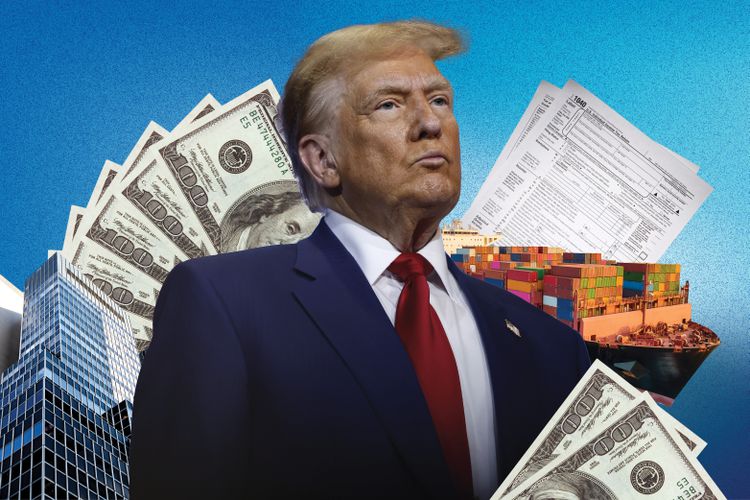

WASHINGTON, D.C. – With the global economy on shaky ground, President Donald J. Trump’s second-term economic plan reads less like a standard policy outline and more like a bold bet on American strength. The Federal Reserve now expects US growth of just 1 percent in the second half of 2025, down from the 3.5 percent average during the Biden years.
In that setting, Mr. Trump’s mix of broad tariffs, permanent tax cuts, and strict immigration rules is praised by conservatives as the key to avoiding a deep recession. But as markets swing, and consumer confidence falls to its weakest level since the 2022 inflation surge, the big unknown remains: is this a recovery in the making, or a risky roll of the dice?
Trump Tariffs at Center Stage
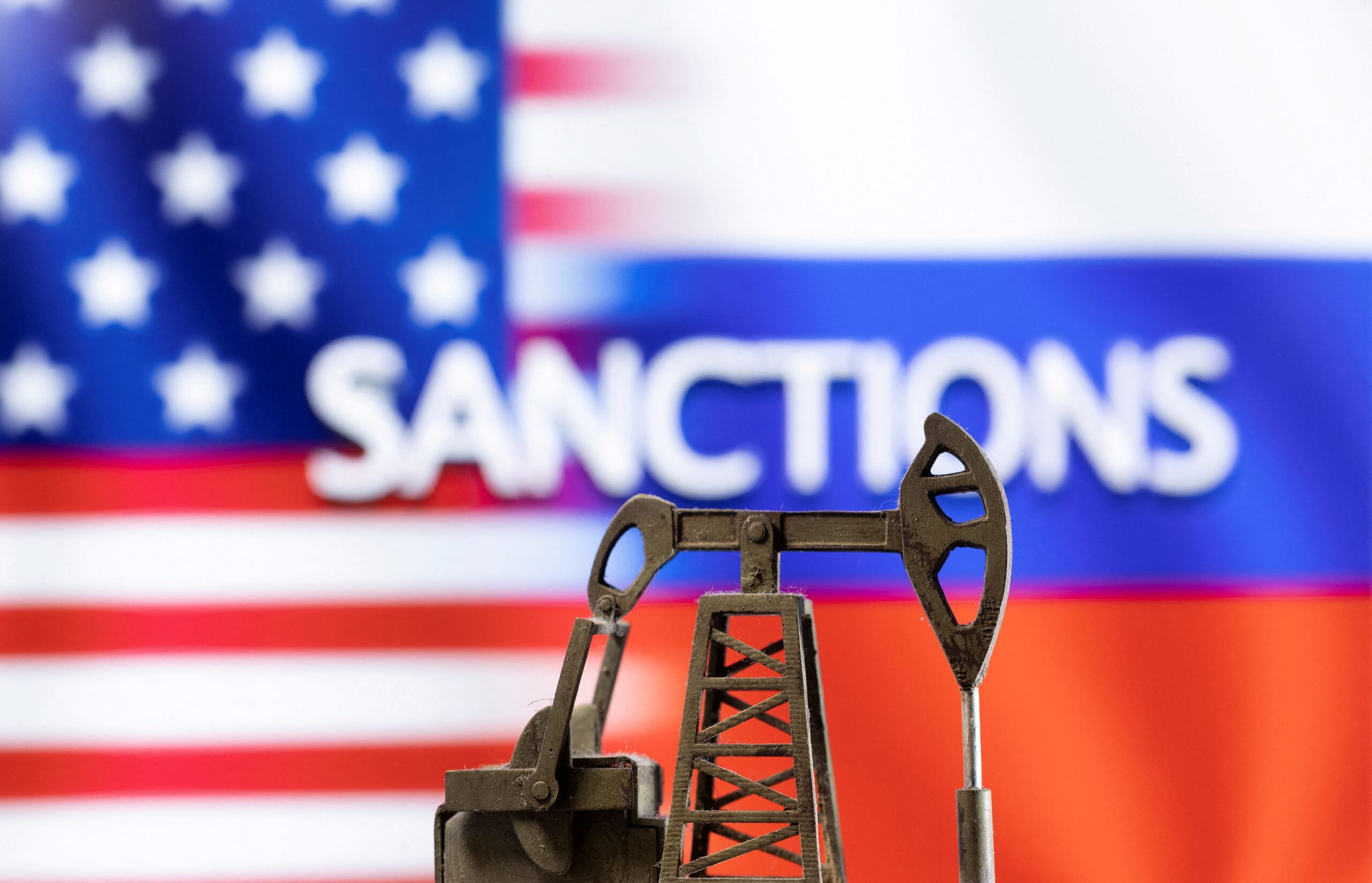
Mr. Trump’s main economic tool is a flat 10 percent tariff on all imports, rising to 20 percent on rival nations such as China. The move helped trigger an 8 percent drop in the S&P 500 in April, followed by a rebound as talk of carve-outs and exemptions spread.
Supporters point to a recent Federal Reserve Bank study that looks at 150 years of US and European data. They say it shows that higher tariffs tend to cool demand, and that a 4 percent increase in tariffs can cut inflation by about 2 percentage points in the short run while lifting unemployment by only 1 percentage point.
Treasury Secretary Scott Bessent, a former hedge fund chief, argues the new tariff plan is not a blunt barrier but a flexible ceiling that Washington can adjust in talks. He claims it has already pushed companies to commit about $4 trillion in US-based projects, as large tech and energy firms plan new plants and reshored production.
Skeptics see a very different picture. Goldman Sachs economists, who now put recession odds at 35 percent, describe the policy as a “wrecking ball” for global supply chains. Their models suggest the economy could be 1.3 percent smaller by 2028 if the tariff structure stays in place without major changes.
Conservatives, though, see early results as proof of concept. The One Big, Beautiful Bill Act, which made the 2017 tax cuts permanent and trimmed the corporate tax rate to 15 percent, is credited with lifting second-quarter GDP growth to 3.8 percent, above pre-inauguration estimates.
“This isn’t disorder, it’s controlled combustion,” says Kevin Hassett, director of the White House National Economic Council. He predicts diesel prices will fall below $2 a gallon by mid-2026, helped by restarting the Keystone pipeline and opening drilling in the Arctic National Wildlife Refuge (ANWR).
Golden Boom, or a Hard Fall
The Trump team says the plan may not just prevent a slump, but could launch a strong expansion. Forecasts from inside the administration describe a sharp upswing over the next two years.
By the fourth quarter of 2026, Hassett expects unemployment to settle near 4 percent, with consumer spending up 5 percent from a year earlier. He also projects that the trade deficit will shrink by half, to about $600 billion, thanks to what the White House calls “reciprocal” trade deals with the EU and ASEAN.
Some Wall Street optimists go further. Analysts at Fundstrat anticipate a sharp V-shaped rally in stocks, with the Dow climbing past 50,000 as deregulation helps unlock around $1 trillion in delayed corporate capital spending.
The downside risks are just as dramatic. Pantheon Macroeconomics warns that the tariff shock could push the economy toward a “stagflation trap,” where growth slows while prices keep rising. Their research suggests tariffs could raise core goods inflation by about 1.9 percent, while policy uncertainty and stop-start governance, highlighted by the 43-day government shutdown, could cut half a point from fourth-quarter growth.
If trade tensions with Beijing worsen, JPMorgan estimates the chance of a recession could reach 40 percent by next summer, with household incomes stuck near 2024 levels in real terms.
“We’re betting the farm on American grit,” says a Republican aide on Capitol Hill. “If the bet goes bad, we’re talking breadlines by 2027.”
Conservative Push to Tighten Immigration
Among conservatives, no part of Trump’s agenda stirs stronger support than his immigration crackdown, which they frame as a matter of public finances, not race.
Since January, illegal crossings have reportedly dropped 90 percent, with monthly apprehensions down to about 8,000. The administration credits a series of executive orders that declared a border emergency, brought back the “Remain in Mexico” policy, and ended catch-and-release practices. These actions have cut asylum case backlogs by around 40 percent.
The Laken Riley Act, which requires the detention of migrant felons, has led to 1.5 million deportations since Trump returned to office, according to ICE figures. Supporters argue this has freed about $16 billion a year in welfare and emergency Medicaid spending that had supported undocumented households.
Think tanks on the right call this the purest form of America First policy, a barrier against what the Federation for American Immigration Reform estimates as a $182 billion yearly cost to taxpayers from illegal immigration.
“Open borders aren’t compassion, they’re economic sabotage,” says Simon Hankinson, a senior fellow at the Heritage Foundation. He credits the tougher stance with lifting wages for native-born workers by about 2.5 percent in border states.
Key figures behind Project 2025, such as Ken Cuccinelli, argue for an even firmer line, including more military help with border patrols and ending so-called “sensitive zones” that limit immigration enforcement in schools, churches, and hospitals. The administration has already moved in this direction, with National Guard troops now stationed along key stretches of the Rio Grande.
Even more moderate Republicans give their backing. A Pew survey shows 88 percent of GOP voters now support expanding the border wall, up from 79 percent in 2019, and 79 percent approve of stepped-up deportations.
Opponents highlight the human toll, pointing to roughly 700,000 people with Temporary Protected Status who could face removal. Conservative lawmakers respond that national control of borders is non-negotiable and argue that weak enforcement quietly worsens the deficit.
Fiscal Fortress or Inviting a Fall?
Economists remain deeply split over the long-term results, but right-leaning voices have grown more supportive as early data comes in.
Michael Strain of the American Enterprise Institute, who has often been cautious about Trump’s policies, agrees that tariffs can slow growth over time. Even so, he says they have created a short-term “sugar high” in domestic investment.
“Lower immigration shrinks the labor pool, yes, but when you match that with tax breaks for new plants and equipment, you can get higher productivity instead of wage cuts,” he argues.
Joseph Brusuelas of RSM US offers a warning of his own. Without quick and broad tariff exemptions for key imports, he says, the first quarter of 2026 could see output contract by about 2.4 percent, based on Atlanta Fed nowcasts.
Yet he also points to early signs of fiscal improvement. “This administration’s volatility is its advantage,” he says. “Firms adjust, spend more at home, and the deficit has already fallen to about $1.7 trillion, compared with fears of $2.5 trillion.”
For die-hard America First supporters, this is a live contest, not a dry policy debate. Traders are watching for changes to H-1B visas to keep some skilled workers coming in, while manufacturers pin their hopes on a new push for nuclear power and heavy industry.
“The fight is fiscal: back the tariffs, build the walls, or watch deficits eat the American dream,” Hassett wrote in a recent CNBC piece.
According to reporting from the Wall Street Journal, Mr. Trump has told advisers he expects “pain,” but not catastrophe. “Recession? Maybe. Depression? Never,” he reportedly said in private.
In his view, economic rescue demands bold moves and a hard stomach for risk. For now, the United States is all-in on that bet.