

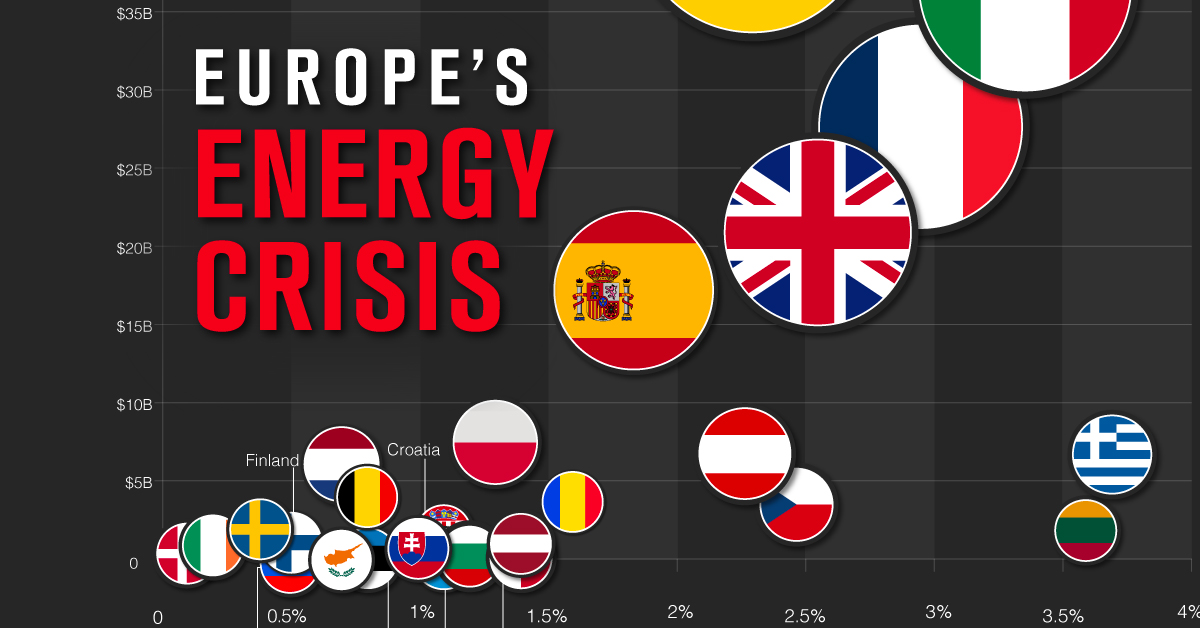


BRUSSELS – Europe’s energy story since 2022 has felt like living with a constant alarm ringing in the background. Prices jumped, gas supplies looked shaky, and many families worried about turning on the heating. Europe’s Energy Crisis started as a sudden shock, but in late 2025, it had turned into a long-term test of planning and trust.
Today, gas storage is high, blackouts are unlikely, and prices are lower than at the peak. Still, bills stay painful for many, and the risk of new shocks has not gone away. The crisis has shifted from emergency mode to a long race to build a cleaner, safer, and more stable energy system.
This article lays out what happened, what has worked so far, and what has to happen next. It looks at real solutions, a long-term strategy, and the roles for leaders, businesses, and citizens across Europe.
What Is Europe’s Energy Crisis and How Did It Start?
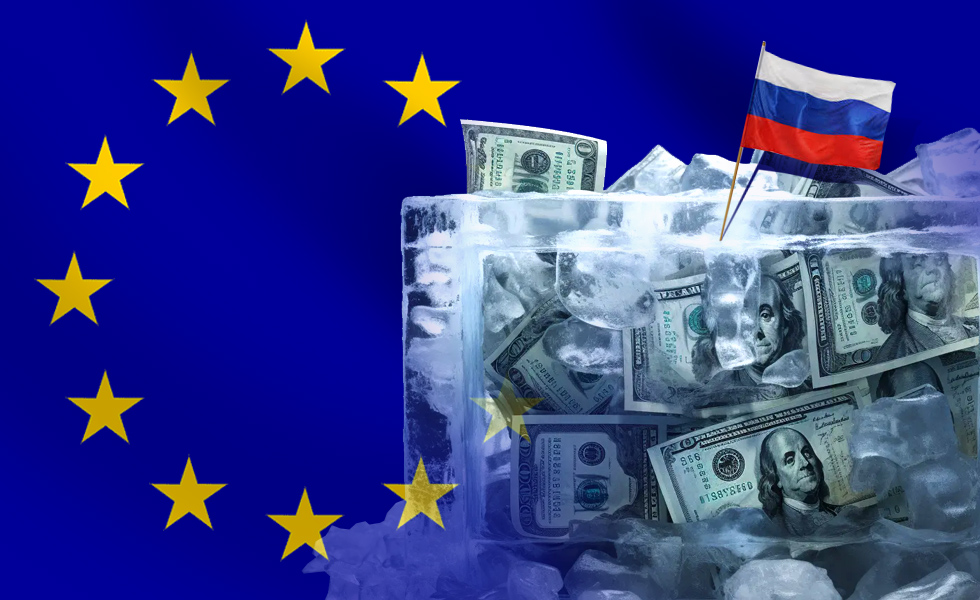
In simple terms, Europe’s Energy Crisis began when a long-standing weakness was exposed. For years, many EU countries depended on Russian gas to heat homes, power factories, and make electricity. When Russia invaded Ukraine in 2022, that dependence turned into a direct risk.
Gas supplies from Russia were cut or reduced. Markets panicked. Prices for gas and electricity hit record levels. Households feared winter, and some factories shut down or cut production because power was too expensive.
Between 2022 and 2025, the picture changed a lot. Storage rules, new gas deals, and fast cuts in demand helped Europe avoid the worst case. Now, in late 2025, storage is about 95% full before winter, and prices are far below the 2022 peak. But the deeper questions remain: how to keep energy both affordable and clean, and how to avoid falling into a new trap with another supplier or fuel.
From Russian Gas Dependence to Sudden Shortages
Before 2022, Russia supplied around 40% of the EU’s gas. In some countries, especially in Central and Eastern Europe, that share was even higher. Gas warmed homes, ran power plants, and fed heavy industry such as chemicals and steel.
After the invasion of Ukraine, the EU backed sanctions and support for Kyiv. In response, Russia used gas deliveries as a political tool. Pipelines that had run for decades suddenly slowed or stopped. Each new cut pushed prices higher and raised fears that storage would run dry during winter.
This shock showed how fragile Europe’s energy security really was. It forced governments to scramble for new suppliers, rethink old deals, and start the REPowerEU plan to cut dependence on Russian fossil fuels and speed up clean energy. Details of this effort can be seen in the European Commission’s REPowerEU energy strategy.
Price Shocks, High Bills, and Everyday Impacts
In 2022, gas prices in Europe hit historic highs. Electricity followed, since gas plants often set the price in power markets. The average electricity price in 2022 reached around €227 per megawatt-hour, compared with around €82 in 2024.
For families, this was not an abstract number. It meant:
- Heating turned into a monthly source of stress.
- Some people choose between paying the energy bill and cutting other basics.
- Energy poverty affected tens of millions, with around 47 million Europeans now struggling to pay bills.
For businesses, higher prices meant:
- Factories paused or moved production.
- Small shops faced rising costs for lighting and heating.
- Job security weakened energy-heavy sectors.
In regions like Southeast Europe and the UK, power prices still remain higher than the EU average in 2025, which keeps pressure on households and local economies.
From Emergency to Long-Term Energy Challenge
By late 2023 and 2024, short-term panic eased. Gas storage targets, new LNG imports, and lower demand helped avoid blackouts. Governments rolled out support schemes and price caps to protect the most vulnerable.
Now, the nature of Europe’s Energy Crisis has changed. The main questions are no longer only about getting through one winter. They are about:
- Keeping prices fair and stable.
- Reaching climate goals.
- Staying safe from political pressure from suppliers.
- Making sure the energy system is strong enough for the future.
In short, the emergency is smaller, but the long-term challenge is bigger.
What Has Europe Already Done To Control the Energy Crisis?
Since 2022, the EU and member states have tried a mix of quick fixes and deeper reforms. Some measures worked well, some had side effects, and all of them offer lessons for the next phase.
Gas Storage Rules and Winter Safety Plans
One of the clearest changes is the new rule that gas storage sites in the EU must be at least 90% full before each winter. Before the 2024 to 2025 winter, storage reached around 95%.
High storage levels matter because they:
- Calm markets and reduce price spikes.
- Give governments time if a supplier cuts flows.
- Protect homes and hospitals when demand jumps during cold spells.
In short, storage now acts like a large safety cushion for the continent.
Using Less Energy: EU Demand Reduction Targets
The EU also agreed on a voluntary plan to cut gas use by roughly 15% from 2022 to March 2025. People and companies responded in many ways:
- Lowering the thermostats by one or two degrees.
- Reducing lighting in public buildings at night.
- Slowing production in some energy-intensive factories.
These steps saved large volumes of gas and helped soften prices. The downside was clear, too. Lower industrial demand often meant weaker economic activity and fewer working hours in some plants.
New Gas Sources and LNG Terminals
To replace Russian pipeline gas, Europe turned to liquefied natural gas (LNG) from the United States, Qatar, and other exporters. New floating storage and regasification units were rushed into service. Pipelines from Norway, North Africa, and Azerbaijan were upgraded.
This helped avoid actual shortages. Yet it kept Europe tied to fossil fuels and to global gas markets, where prices can jump due to events far away, such as storms in the US or demand spikes in Asia.
EU Emergency Tools and Cross-Border Help
The EU also agreed on emergency gas sharing rules. These rules say that if one member state faces very low supplies, others must help by sharing gas. In practice, these rules have not been fully activated, but they work as a backup.
Better links between electricity grids and gas networks across borders have also helped. When one country has extra power or gas, stronger connections make it easier to share supplies and reduce the risk of scarcity.
For an overview of how cities and local governments have been dealing with the energy crisis, readers can look at Eurocities’ energy crisis monitor for 2025.
Long-Term Solutions: How Can Europe Fix Its Energy Crisis for Good?
Short-term fixes alone will not end Europe’s Energy Crisis. A lasting solution needs a full system change built around clean, local, and efficient energy.
Key pillars of this long-term strategy are renewables, nuclear, and other low-carbon sources, smarter grids, storage, energy savings, and a fairer market design.
Scaling Up Solar and Wind Power Across Europe
Renewables have already started to reshape the picture. In 2024, solar power in the EU produced more electricity than coal for the first time. Wind and solar together have helped cut power sector emissions to less than half of 2007 levels.
Renewables support energy security because they:
- Do not rely on imported fuel.
- Create local jobs in installation and maintenance.
- Offer stable long-term costs once built.
Still, wind growth has been slower than planned. Delayed permits, weak grids, and local resistance have held back projects. To fix this, countries need faster and clearer permit rules, stronger public support, and grid upgrades that can handle more variable power.
The Role of Nuclear Power and Other Low-Carbon Sources
Nuclear, hydro, and other low-carbon sources such as biomass and geothermal help balance the system. Nuclear plants provide steady output when the wind is weak or the skies are cloudy. Hydro plants can ramp up and down to match demand.
There is real debate about nuclear cost, safety, and long-term waste. Because of this, some EU countries plan to build new reactors or extend existing ones, while others are phasing them out. Each country is choosing its own mix, but at the EU level, these sources still play a strong supporting role to wind and solar.
Smarter Grids, Energy Storage, and Flexible Demand
A power system with a lot of wind and solar needs more than just new turbines and panels. It needs:
- Stronger power lines across and within countries.
- Digital control systems that react in real time.
- Storage, such as batteries and pumped hydro, is used to keep power for when it is needed.
Flexible demand, often called demand response, is also important. The idea is simple: price signals and smart devices encourage energy use when power is cheap and clean, and cut use when the grid is tight. For example, an electric car might charge at night when wind power is high and prices are low.
Cutting Waste: Efficiency in Homes, Buildings, and Industry
Energy efficiency is sometimes called the “first fuel” because the cleanest energy is the energy not used. Better insulation, modern windows, heat pumps, and efficient machines can sharply cut energy waste.
A few simple comparisons show the impact:
- An old gas boiler might turn 70% of fuel into heat, while a heat pump can deliver two or three times more heat than the power it uses.
- A poorly insulated home can lose much of its heat through walls and roofs, while a renovated home can keep warmth inside with far less energy.
Support programs, grants, and clear rules are essential so that low-income households can upgrade, too, not just wealthier owners. Without that, the transition would deepen inequality.
Making the Energy Market Fairer and More Stable
Current power markets in Europe still link prices closely to the most expensive plant running, often a gas plant. When gas prices spike, power bills follow.
EU leaders are discussing reforms that would use more long-term contracts for renewables and other low-carbon sources. These contracts can keep prices more stable for both investors and consumers. The goals are:
- Fair and predictable prices for homes and businesses.
- Clear signals for investors in clean power and grids.
- Extra protection for the most vulnerable users.
For a deeper policy view, the IMF’s article on beating the European energy crisis gives useful background on these debates.
Key Challenges Blocking Europe’s Long-Term Energy Strategy
Even with strong plans, several barriers still slow progress and keep Europe’s Energy Crisis from being fully solved.
Slow Permits, Local Resistance, and Project Delays
Many wind farms, solar parks, and new power lines face long permit times. Residents sometimes worry about land use, views, or impacts on nature. Court cases and complex rules can add years of delay.
Better planning, honest dialogue with communities, and fair compensation for local areas can help. Well-designed projects that respect nature and share benefits can win more support.
Huge Investment Needs for Grids and Clean Energy
The energy shift needs massive investment in:
- Renewables and, in some countries, new nuclear.
- Stronger grids and storage.
- Building renovations and an efficient industry.
Public money cannot do this alone. Private investors need clear and stable rules to commit funds for decades. At the same time, electricity demand in Europe is still below pre-crisis levels, which makes some investors cautious. Policies that support electric vehicles, heat pumps, and clean industry can raise demand smartly and support new projects.
Uneven Energy Prices and Risk of Social Tension
Not all parts of Europe face the same energy costs. Some regions, such as Southeast Europe and the UK, still pay much higher prices than the EU core. This can deepen inequality and fuel political anger.
Targeted support, such as social tariffs, direct bill aid, and help with home upgrades, is key. People need to feel that the transition is fair and that no region or group is left behind.
Geopolitical Risks and Energy Security Beyond Russia
Even with lower dependence on Russian gas, Europe still imports LNG, oil, and many critical minerals for clean technologies. Trade disputes, new wars, or supply chain shocks could hit supplies or raise prices again.
To manage this risk, Europe needs:
- Many different suppliers instead of a few dominant ones.
- More domestic clean energy and recycling of materials.
- Close work with neighbors like Moldova that are also trying to move away from Russian energy.
What Should Europe Do Next? A Clear Roadmap to End the Energy Crisis
Solving Europe’s Energy Crisis is not a single policy choice. It is a long list of steps that need to move forward together over the next 5 to 10 years.
Policy Priorities for EU Leaders and National Governments
Key actions for leaders include:
- Speeding up permits for renewables and grids through simpler, clearer rules.
- Finalizing energy market reforms that support long-term clean power and stable bills.
- Keeping strong gas storage rules as a permanent safety tool.
- Backing big investments in grids, storage, and clean technologies such as heat pumps and green hydrogen.
- Setting policies that last longer than one election cycle so investors and citizens can trust the direction.
Business Innovation, Green Jobs, and Local Projects
Companies have a major role in building solutions. They can:
- Sign long-term contracts for wind and solar.
- Invest in energy efficiency in factories and offices.
- Develop new technologies for clean fuels, such as green hydrogen, and smart energy services.
Local projects, from city heat networks to community-owned solar, help make the transition visible and real. Public-private partnerships can turn national goals into concrete changes on the ground.
For more context on current strategies and challenges, a helpful overview can be found in this 2025 analysis of addressing the EU energy crisis and strategic responses.
How Citizens Can Save Energy and Support Change
Ordinary people cannot fix Europe’s Energy Crisis alone, but their choices matter. Helpful actions include:
- Turning down the thermostats slightly and avoiding waste.
- Improving insulation when possible and choosing efficient appliances.
- Supporting local clean energy projects and policies that back long-term solutions.
These steps cut personal bills and send a clear signal that voters care about a clean and secure energy system.
Conclusion
Europe’s Energy Crisis began with a sharp shock in 2022, driven by heavy dependence on Russian gas and sudden cuts in supply. Emergency measures, from storage rules to demand cuts and new gas deals, helped avoid the worst, but they did not solve the deeper problem.
The long-term answer lies in a new system built around clean, secure, and affordable energy. That means more renewables, smarter grids, better efficiency, fairer markets, and strong social support. If governments, businesses, and citizens stay focused and work together, Europe can move from crisis management to leadership, with lower risk, more stable prices, and a safer planet for future generations.