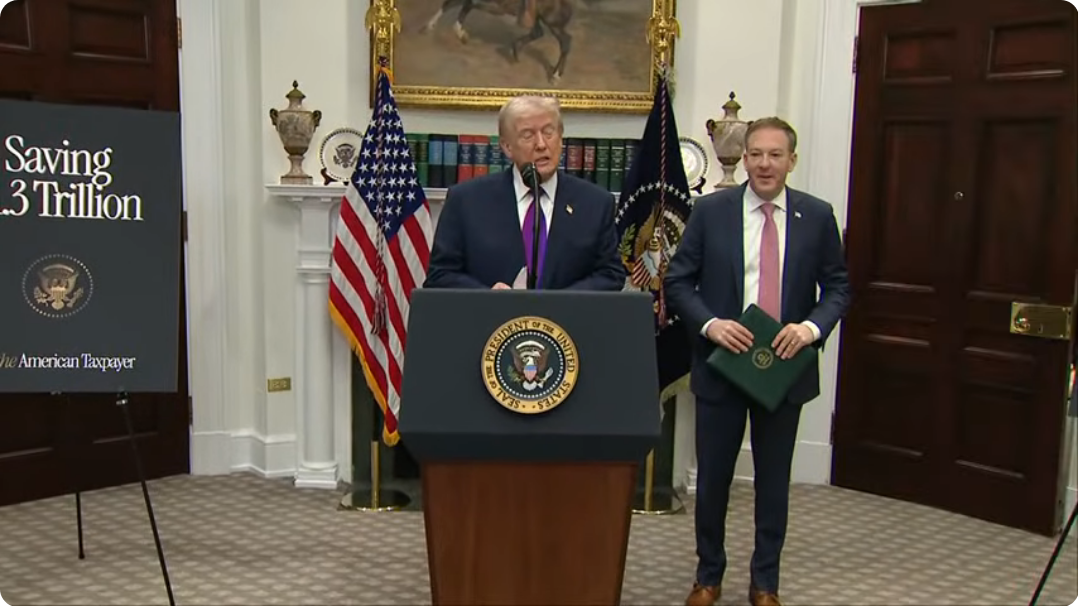


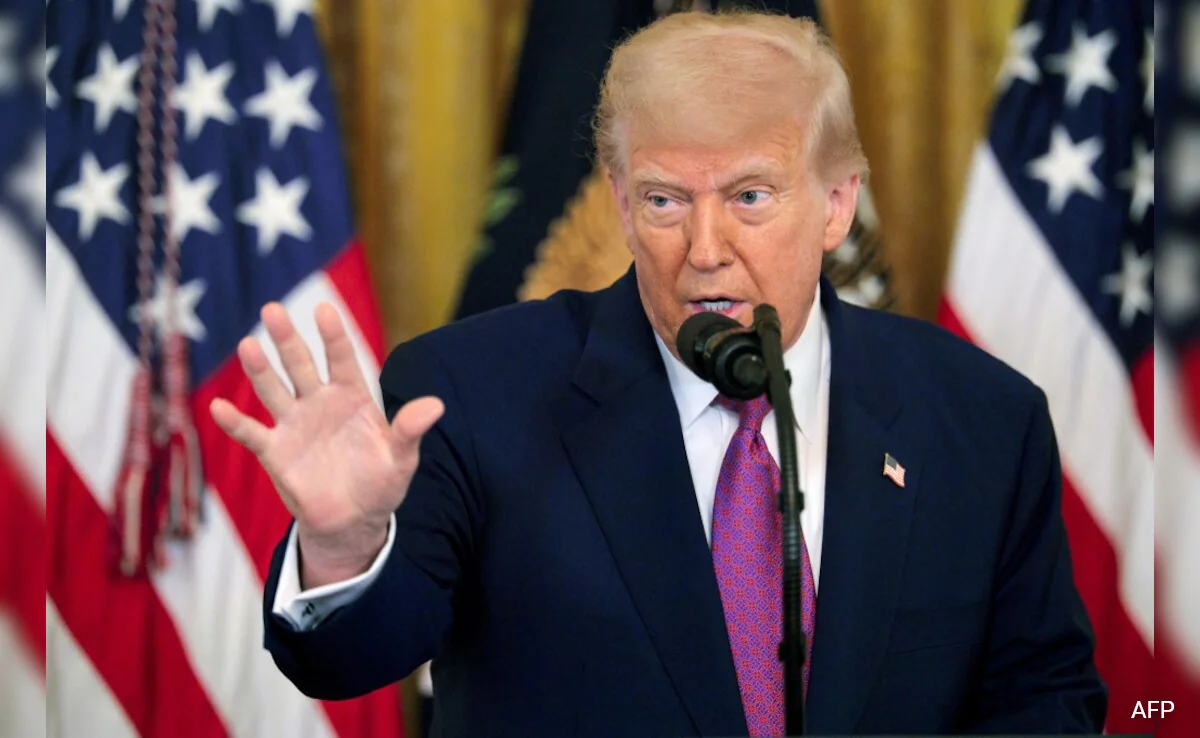


WASHINGTON, D.C. – President Donald Trump said the United States will stop all trade with Spain, ordering Treasury Secretary Scott Bessent to carry out an immediate freeze on economic ties.
Trump framed the decision as payback for Spain blocking U.S. military use of joint bases for actions tied to Iran and for falling short of NATO defense spending goals. The threat stands out as one of the harshest steps aimed at a NATO partner in recent memory.
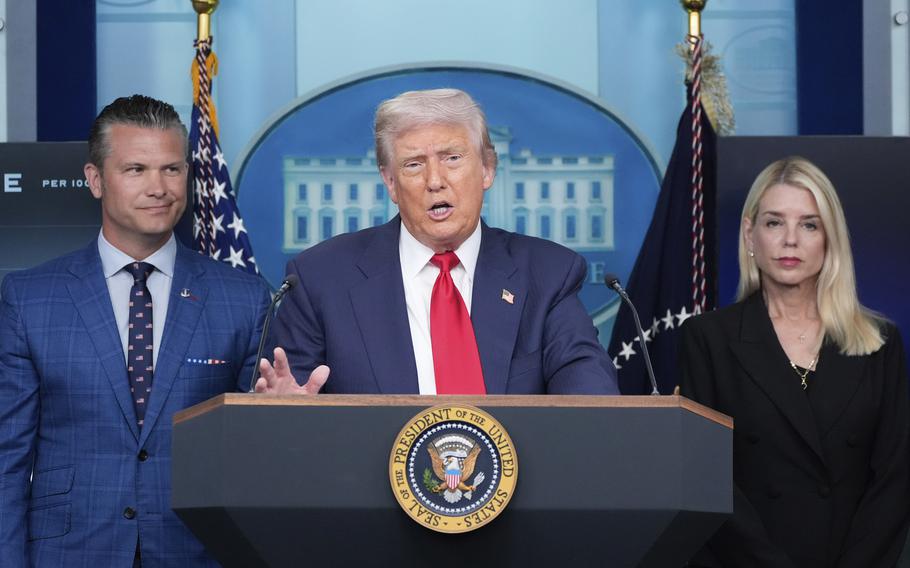
While meeting with German Chancellor Friedrich Merz on Tuesday, Trump blasted Spain’s Socialist-led government under Prime Minister Pedro Sánchez. He told reporters Spain had acted badly, then said the U.S. would cut off all trade and distance itself from Spain.
Trump pointed to two main complaints:
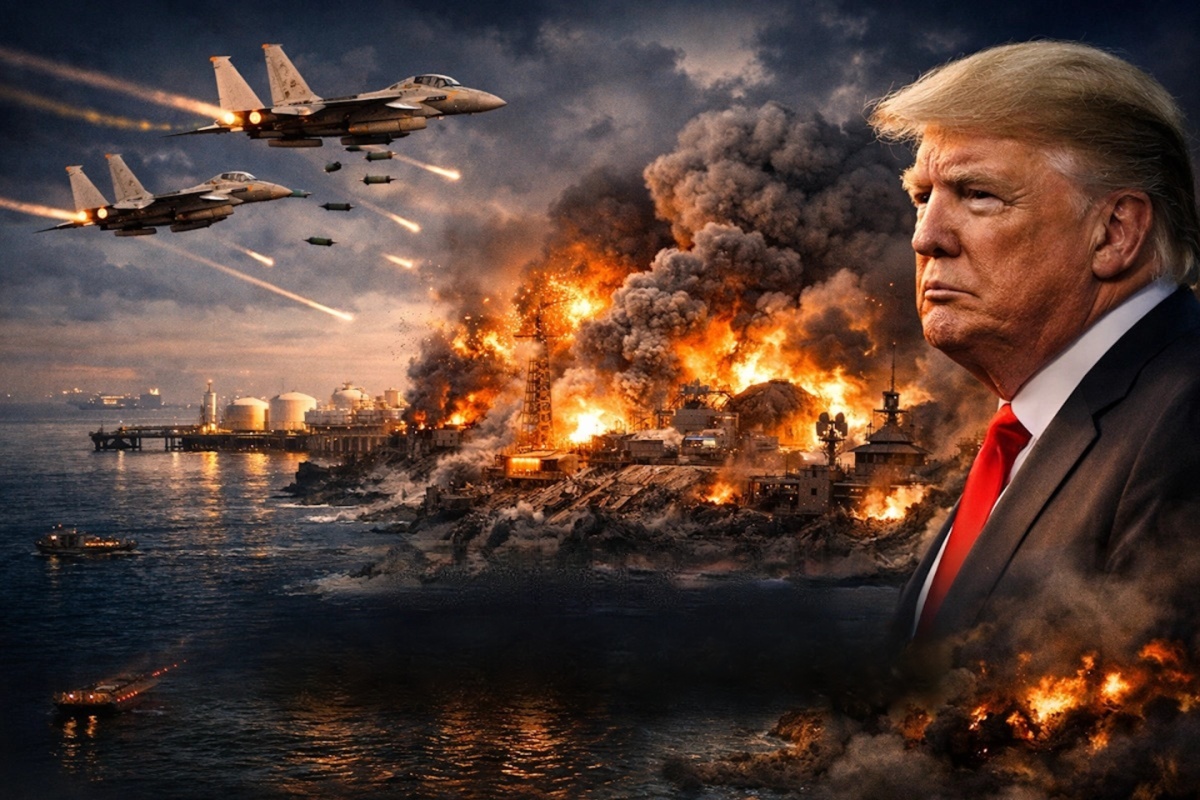
- Spain’s refusal to allow operations from bases in Rota and Morón for aircraft involved in recent strikes on Iran-linked targets.
- Spain’s reluctance to raise defense spending to meet higher NATO targets that Trump has urged, around 3% of GDP or more.
Trump also argued he has broad authority to restrict commerce, citing recent Supreme Court rulings that he said strengthened executive power on trade. He told reporters he could stop business connected to Spain and impose an embargo if he chose. Bessent, according to Trump’s remarks, agreed the president could take those steps.
Why U.S. and Spain Tensions Have Been Building
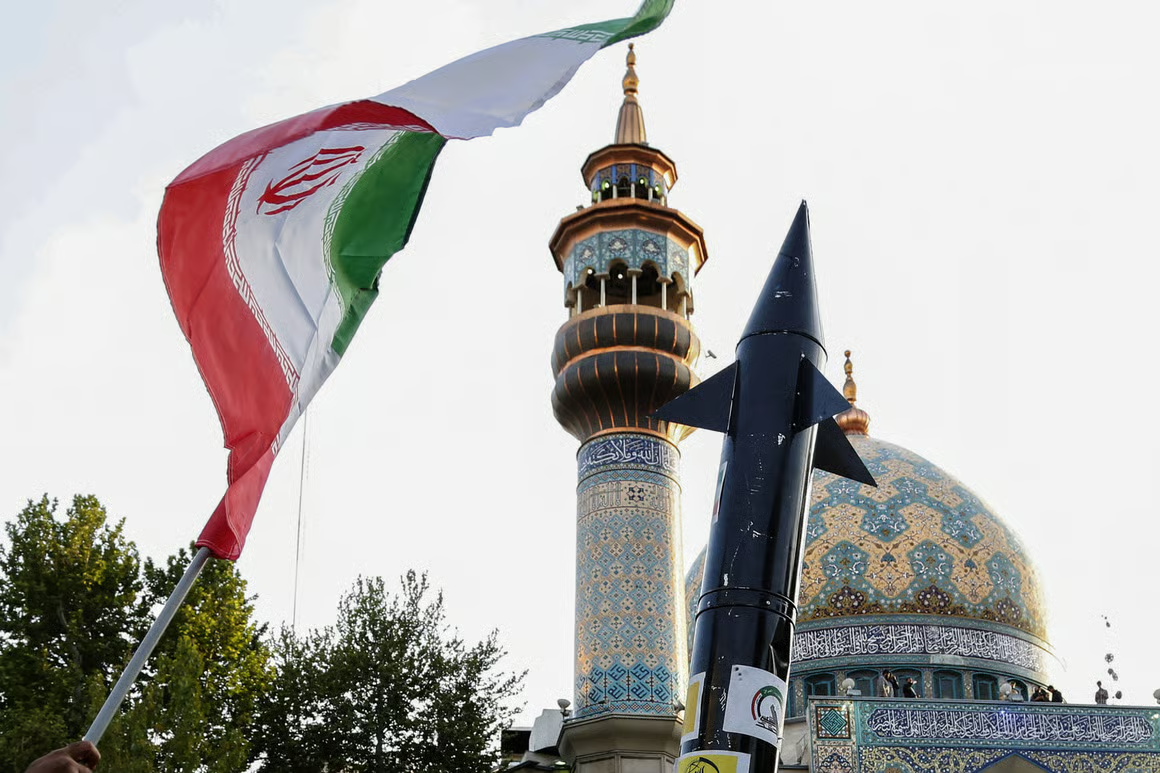
The dispute grew after the U.S. moved 15 aircraft, including refueling tankers, out of Spanish bases once Madrid blocked their use for missions linked to the Iran conflict. That shift came after U.S. and Israeli strikes on Iranian targets, actions that Spain’s leaders criticized as escalating the situation.
For years, Trump has pushed NATO partners to spend more on defense, often calling out countries that fall below the alliance’s 2% guideline. Under his administration, those expectations have reportedly risen. Spain, which has hovered near or below the benchmark, has remained a frequent target of his criticism.
Trade between the two countries has been meaningful. In 2025, U.S. goods exports to Spain were about $26.1 billion, while imports from Spain were about $21.3 billion, leaving the U.S. with an estimated $4.8 billion surplus. The U.S. sells items such as crude petroleum, machinery, and aircraft parts. Spain exports packaged medications, olive oil, wine, and vehicles to U.S. buyers.
A full cutoff could jolt supply chains, especially in pharmaceuticals, energy, and agriculture. Spanish products like olive oil and wine, already affected by earlier tariffs, could be shut out entirely, putting heavy pressure on producers.
Economic and Diplomatic Fallout
Analysts warn that ending trade with Spain could spread risks well beyond the two countries:
- Market moves: U.S. and European stocks slipped early Wednesday as investors worried about wider cracks inside NATO.
- Supply pressure: Some U.S. companies that depend on Spanish pharmaceuticals or European food imports could face delays or shortages.
- NATO unity: The threat could weaken coordination inside the alliance during a tense period globally.
- EU pushback: EU leaders in Brussels may treat the move as a strike at the single market, raising the odds of retaliation.
Spain has not issued a formal response, though officials in Madrid have stressed Spain’s control over how bases are used. They have also pointed to their NATO commitments while rejecting outside demands.
What Could Come Next
Administration officials have indicated the policy could move quickly, possibly through an executive order tied to national security powers. At the same time, legal fights look likely because targeting a close ally in this way would be highly unusual.
Trump’s order fits his America First approach to trade and alliances. For now, it remains unclear whether the U.S. will carry out a full embargo or use the threat to pressure Madrid, but the announcement has already shaken relations across the Atlantic.