Connect with us

News

Trump Pushes Back on War Hawks, Choosing Deals Over a Long Iran Overthrow Plan

VORNews

Published

on

Trump Pushes Back on War Hawks

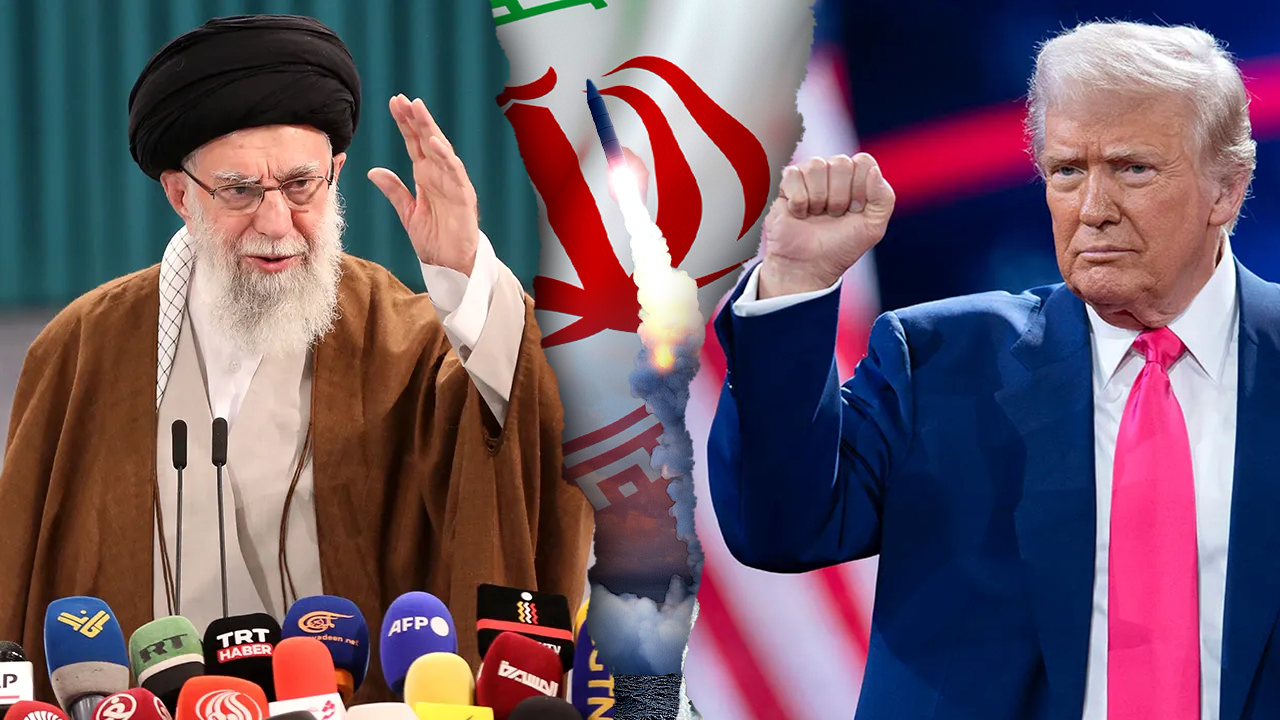
WASHINGTON, D.C. – After the U.S.-Israeli joint operation, “Epic Fury,” hit Iran’s nuclear sites, ballistic missile bases, and senior leadership, foreign policy leaders quickly split over what should come next.  Many voices in Washington didn’t focus on whether the strikes were justified. Instead, they zeroed in on President Donald Trump’s apparent refusal to commit to a full, managed regime-change plan.

Former National Security Adviser John Bolton has been the clearest example of that divide. He called the strikes “justifiable and necessary” and described them as the biggest decision of Trump’s presidency.

Still, Bolton has also warned that the White House seems unprepared for what follows, and that this could leave a dangerous vacuum in Iran, fuel wider conflict, and create chaos without a clear replacement for the Islamic Republic.

At the center of the argument is a simple clash of goals. Trump has framed the mission as breaking Iran’s nuclear and missile capabilities, then keeping the option open for talks with whatever leadership comes next.

Bolton and other hawks want something else: a planned push to remove the regime and guide a transition, backed by Western support and organized opposition groups. Bolton pressed for that approach during Trump’s first term, but he never got it.

Bolton’s Message: Support the Strikes, Don’t Wing the Aftermath

Bolton has long argued that diplomacy can’t change Iran’s behavior, and that only regime change can end the threat. In a recent Politico interview, he said Trump has “swung wildly” on Iran, shifting from caution in his first term to actions that look like regime change today, but without the groundwork Bolton thinks is required.

He has pointed to several dangers:

  • A power vacuum: Without a planned transition, Iran could fracture, empower hardliners, or fall into drawn-out instability.
  • Mixed signals: Bolton says White House statements don’t line up, with some officials denying regime change is the goal and others treating it as a hopeful side effect.
  • A missed opening: He argues the regime is weakened right now, and that Trump could waste the moment by acting on impulse instead of strategy.

On NewsNation and other outlets, Bolton also criticized Defense Secretary Pete Hegseth for saying the operation isn’t “a so-called regime-change war.” Bolton called for a shift in Pentagon thinking so that the government speaks with one voice. In addition, he has pushed the administration to back Iranian opposition groups and make regime removal an official policy, warning that the only other path is accepting Iran’s nuclear ambitions.

Trump’s Own Track: Strikes First, No Promise of a Managed Overthrow

Trump has often ignored the standard advice from Washington’s hawks. In his first term, he resisted Bolton’s push for aggressive regime-change efforts in Iran, North Korea, and elsewhere. He also pulled back from escalation more than once. Now, in his second term, he approved major strikes, but he keeps describing them as focused attacks meant to remove key threats, not the start of a long project to rebuild Iran’s government.

Trump’s position includes a few clear themes:

  • Nuclear and missile targets come first: He has said the priority is stopping Iran from getting nuclear weapons. He has also claimed earlier strikes “obliterated” parts of the program, although Bolton and others say that wording goes too far.
  • Talks are still on the table: After the strikes, Trump said Iran’s emerging leadership signaled interest in discussions. A senior White House official also said Trump is willing to engage “eventually,” and that he prefers direct contact over intermediaries.
  • No appetite for open-ended war: Trump has repeated his dislike for nation-building and long commitments. He has also suggested he won’t send ground forces unless events force his hand.
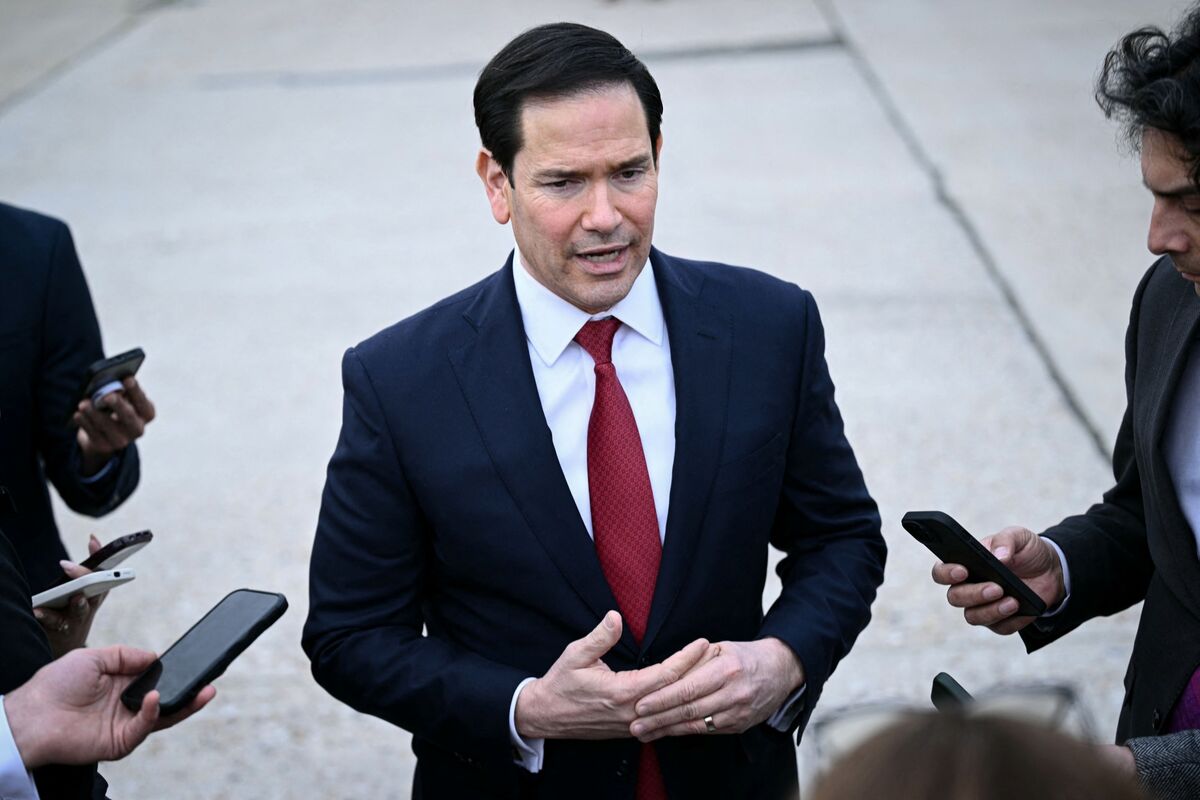
  • Uneven public messaging: Some officials, including Secretary of State Marco Rubio, describe regime change as a possible outcome, not the main mission. They keep the focus on damaging Iran’s military abilities.

That gap between Trump’s approach and the hawkish playbook has frustrated many establishment voices. They argue that refusing a structured regime-change plan invites disorder, gives regime remnants a chance to regroup, and risks a longer conflict without a clear endpoint.

The Nuclear Focus: Force, Then Negotiation

The operation hit Iran’s nuclear infrastructure after indirect talks in 2025 and 2026 failed to produce a deal. Those negotiations, mediated by Oman in Geneva, went through multiple rounds. Iran showed some openness to limits on enrichment and inspections, but it resisted concessions on ballistic missiles, which the United States treated as a red line.

Trump grew unhappy with the pace and scope of the talks, and the strikes followed. Even so, he has not shut the door on diplomacy. Reports describe post-strike outreach from transitional figures in Iran, and Trump agreeing to engage.

That stance is the opposite of Bolton’s view. Bolton argues that diplomacy has failed since 1979, and he says only regime change can end the nuclear risk for good.

Trump’s method looks more transactional. He applies heavy military pressure, then tries to negotiate from a stronger position. The end goal appears to be verifiable nuclear limits, which could include removing uranium stockpiles and allowing tougher monitoring, without launching the kind of full regime-removal campaign hawks want.

What It Means: A Bigger Fight Over U.S. Strategy

This dispute highlights a deeper break inside U.S. foreign policy. Establishment voices, including think tanks such as Chatham House and figures like Bolton, argue that air strikes alone won’t deliver lasting political change. They warn that hitting targets without an end plan can raise the risk of escalation.

Trump, on the other hand, seems to trust his deal-making instincts. He has signaled he wants Iran’s nuclear ambitions stopped through pressure and direct talks, not a long U.S.-led transition.

Some critics say that the approach could drag the United States into a messy conflict anyway. Supporters say it avoids the kind of managed interventions that produced mixed results in Iraq and other places.

As the operation continues, potentially for weeks according to Trump, the next step matters as much as the strikes themselves. The attacks have weakened Iran’s capabilities, but for now, the strategy ahead looks driven more by Trump’s instincts than by the traditional Washington blueprint.
Related News:

Trump Says He’s “Very Disappointed” in Starmer Over Iran

Continue Reading

News

Trump Announces U.S. Forces Totally Obliterated of Iran’s Kharg Island

VORNews

Published

on

By

Trump Announces U.S. forces Totally Obliterated of Iran's Kharg Island

WASHINGTON, D.C. – President Donald Trump said late Friday that U.S. forces launched a large bombing operation on Iranian military positions on Kharg Island, a small but high-value site in the Persian Gulf.

In his statement, Trump claimed the strikes “totally obliterated every MILITARY target” on what he described as Iran’s “crown jewel.” He also warned that Kharg’s key oil facilities could be hit next if Iran threatens shipping routes.

“Moments ago, at my direction, the United States Central Command executed one of the most powerful bombing raids in the history of the Middle East, and totally obliterated every MILITARY target in Iran’s crown jewel, Kharg Island,” Trump wrote on Truth Social.

He said U.S. forces did not hit oil infrastructure “for reasons of decency.” Still, he added that he could reverse that choice if Iran interferes with maritime traffic. “Should Iran, or anyone else, do anything to interfere with the Free and Safe Passage of Ships through the Strait of Hormuz, I will immediately reconsider this decision.”

The statement landed as the two-week U.S.-Israel war against Iran grows sharper. Reports described blasts on the island and heavy smoke over the struck areas, while Iranian officials promised a response. U.S. officials said the operation focused on military assets, and for now, the oil export terminal remains intact.

What Is Kharg Island? A Key Link in Iran’s Oil Exports

Kharg Island is a dry, compact island of about 20 square kilometers (around 7.7 square miles). It sits roughly 25 to 30 kilometers (15 to 19 miles) off Iran’s southwestern coast in Bushehr province. It’s often called the “forbidden island” because of tight security and long-standing military restrictions. For decades, it has served as the core of Iran’s oil export system.

  • Main oil export terminal: Kharg handles 90 to 95% of Iran’s crude exports. Under normal conditions, it can move about 1.3 to 1.6 million barrels per day. In recent months, reports said volumes surged as high as 3 million barrels per day during war preparations.
  • Major infrastructure: The island includes deepwater jetties that can load supertankers, large storage tanks holding millions of barrels (including backups up to 18 million barrels), and pipelines tied to key onshore and offshore fields.
  • Why it matters to Iran’s finances: Oil sales, mostly to China, bring in cash that supports government spending and activities tied to the Islamic Revolutionary Guard Corps (IRGC). If Kharg goes offline, Iran’s economy could take a severe hit, and money for military operations could shrink.

Analysts often describe Kharg as Iran’s most exposed economic target. One expert called it “the artery connecting the Iranian economy to the global economy.” The facilities can load up to 10 supertankers at once, placing it among the world’s largest offshore crude terminals.

Kharg rose to global importance during Iran’s oil growth years in the 1960s. It also took damage during the Iran-Iraq War (1980 to 1988) but continued operating. Even with newer options, including Iran’s push to expand capacity at terminals like Jask outside the Strait of Hormuz, Kharg remains central to Tehran’s energy plans.

Why the U.S. Hit Kharg’s Military Defenses

Kharg is more than an oil hub. Iran also stations defensive forces there to shield the export system. Reports from multiple sources said U.S. strikes hit air defenses, command sites, and other military positions tied to protecting the island.

  • Why start with military targets? Many analysts see this as a measured step. It shows U.S. reach and firepower, while avoiding an immediate shock to global oil supply by holding off on strikes against export facilities.
  • A direct message on the Strait of Hormuz: Trump tied future decisions to Iran’s behavior around the waterway, where about 20% of global oil flows. Iran has reportedly placed mines and threatened disruptions as the wider conflict unfolds.
  • How this fits the broader campaign: The attack follows U.S. and Israeli strikes on Iranian military and nuclear sites, and some energy-related targets. Until now, Kharg had not been hit, and many experts have warned that damaging it could trigger severe economic fallout and raise the risk of rapid escalation.

Trump said U.S. Central Command (CENTCOM) carried out the operation, which he described as historic in size. At the same time, the U.S. is sending more forces into the region, including 2,500 Marines and an amphibious assault ship. That has fueled talk about possible ground action, although Trump has said taking the island isn’t “high on the list.”

What This Could Mean for Oil Prices and the Risk of Escalation

Energy markets reacted quickly. Oil prices have already risen about 40% since the war began, and they could climb again if Kharg’s oil terminal becomes a target. Because Kharg plays such a large role in Iranian exports, a long disruption could squeeze supply, even if most Iranian crude goes to China.

  • Early warnings from Iran: Iranian leaders have warned they could strike U.S. and allied energy assets if Iran’s own facilities are attacked.
  • More signs of a widening conflict: The strikes came alongside reports of explosions in Tehran and public rallies showing defiance against the U.S.-Israel campaign.
  • Growing international concern: Many analysts warn that hitting Kharg’s export infrastructure could set off a chain reaction, including regional instability and serious humanitarian consequences.

Iranian officials, including parliament speaker Mohammad-Bagher Ghalibaf, have previously said attacks on southern islands like Kharg would end “all restraint.”

What Comes Next for Kharg Island

As the war moves into its third week, Kharg Island is now a central pressure point. Trump’s warning leaves open the possibility of new strikes, while Iran’s next steps may decide whether the “crown jewel” keeps operating or turns into a direct battlefield target.

For now, the world is watching closely because this small island in the Persian Gulf could shape the direction of one of the biggest Middle East crises in decades.

Related News:

Trump Praises Albanese Over Giving Iranian Women Footballers Asylum


Continue Reading

News

CNN Host Abby Phillip Forced to Apologize Over New York Attack Claims

VORNews

Published

on

By

CNN Host Abby Phillip Forced to Apologize

NEW YORK – CNN anchor Abby Phillip was forced to issue a public apology Wednesday after she misstated key details about an ISIS-inspired attempted attack in New York City. Phillip said on air that the incident targeted Mayor Zohran Mamdani. In fact, investigators said suspects threw improvised explosive devices into a crowd of anti-Muslim protesters gathered near Gracie Mansion, not at the mayor himself.

Phillip’s comment aired Tuesday on CNN NewsNight and quickly drew criticism online. Viewers and media watchers said the wording blurred the facts in a tense story already tied to political arguments about Islamophobia.

Before a commercial break, Phillip teased the segment by saying: “Two Republicans say Muslims don’t belong here after an attempted terror attack against New York’s Mayor Zohran Mamdani, and the House Speaker, Mike Johnson, says nothing, really, to condemn those comments.”

That line made it sound like the mayor was the target. Mamdani is New York City’s first Muslim mayor, so the framing also carried added weight in the broader debate over anti-Muslim rhetoric.

Phillip Issues a Clarification and Apology

Later that day, Phillip corrected herself on X (formerly Twitter). She wrote that her wording was wrong and that she missed the error before it aired.

“I want to correct something I said last night. The bombs thrown in New York City over the weekend by ISIS inspired attackers was thrown into a crowd of anti-Muslim protestors and not specifically targeted at Mayor Mamdani. That wording was inaccurate and I didn’t catch it ahead of time. I apologise for the error.”

Phillip did not share more details about how the mistake happened. Still, people familiar with TV production often point out that show teases come together quickly, sometimes minutes before air.

What Happened Outside Gracie Mansion

Authorities said the attempted attack took place Saturday during a protest outside Gracie Mansion in Manhattan. Anti-Muslim demonstrators were gathered near the mayor’s official residence when two suspects allegedly threw homemade IEDs into the crowd.

Officials said no one was hurt. Even so, the situation raised alarms because investigators described the devices as potentially deadly.

Key details released by law enforcement included:

  • Suspects: Emir Balat, 18, and Ibrahim Kayumi, 19, both US citizens from the Philadelphia suburbs.
  • Charges: Federal authorities charged both men with terrorism-related offenses. Investigators said one suspect yelled “ISIS” during the arrest. They also said the other admitted he pledged allegiance to the Islamic State.
  • Investigation: The NYPD and FBI labeled the case “ISIS-inspired terrorism.” One device reportedly ignited but did not fully detonate. Authorities said the explosives could have caused serious injury or death.
  • Motive: Court documents say the suspects wanted an attack bigger than the 2013 Boston Marathon bombing, which killed three people.

Afterward, Mayor Mamdani condemned the attempt as “heinous” terrorism and praised first responders. At the same time, his early remarks avoided the phrase “radical Islamic terror,” a choice that echoed older political fights over language and blame.

Wider Fallout and Media Pressure

The on-air mix-up landed during intense coverage of Mamdani, a progressive Democrat who took office in January 2026. He is also described as the city’s youngest mayor in more than a century, plus its first Asian American and Muslim leader. Since his election, his rise and policy agenda have drawn both support and pushback, including remarks from some Republicans about Muslims in American public life.

CNN also faced criticism in related coverage of the New York terror attack. The network deleted a social media post and added an editor’s note to an online story after critics said the framing minimized what happened. CNN said the original presentation did not meet its editorial standards.

Phillip’s correction sparked mixed reactions. Some commentators demanded stronger accountability, including calls for her to be pulled off the air. Others treated it as a standard correction and said she handled it the right way by addressing it quickly.

Media analysts often warn that breaking-news pressure can lead to mistakes, especially when early details shift and politics heat up fast. Still, critics argue that terrorism coverage leaves little room for sloppy wording, because small errors can change how the public understands what happened.

Mayor Mamdani has not addressed Phillip’s remarks directly. He has continued to stress a focus on stopping extremism and hate across the city.

In the end, the episode shows how quickly a single line can reshape a story, and why accuracy matters most when reporting on terrorism and public safety.

Related News:

Karoline Leavitt Slams CNN’s Kaitlan Collins Over Killed U.S. Soldiers

Continue Reading

News

U.S. Forces Hit and Destroy 16 Iranian Mine-Laying Boats Near the Strait of Hormuz

VORNews

Published

on

By

U.S. Forces Hit and Destroy 16 Iranian Mine-Laying Boats

Washington, D.C.- U.S. forces destroyed 16 Iranian mine-laying vessels near the Strait of Hormuz near Iran, according to U.S. Central Command (CENTCOM). The strikes took place on March 10 and focused on boats officials said posed a near-term risk to commercial and military traffic in the area.

CENTCOM shared the announcement on X (formerly Twitter) and posted a video of the operation. The footage shows repeated precision hits on Iranian naval craft, with clear impacts and blasts. Several targets look stationary in the clips. The message from the U.S. is clear: it intends to keep shipping moving through the Strait of Hormuz, where about one-fifth of the world’s crude oil travels each day.

The operation followed strong public warnings from President Donald Trump, who said Iran must not mine the waterway. On Truth Social, Trump wrote that the U.S. had already “hit, and completely destroyed, 10 inactive mine laying boats and/or ships, with more to follow.” He also said any mines placed in the strait must be removed right away. Otherwise, he warned of “military consequences at a level never seen before.”

Those statements came as reports circulated that Iranian forces had begun placing naval mines. Soon after, Defense Secretary Pete Hegseth backed up the White House position on X. He said CENTCOM was “eliminating inactive mine-laying vessels” with “ruthless precision” under the president’s direct orders. He added that the U.S. won’t allow “terrorists to hold the Strait of Hormuz hostage.”

Key takeaways from the strike

  • Timing and scale: The strikes happenedon  March 10, 2026, and hit multiple Iranian vessels, including 16 mine-layers.
  • CENTCOM confirmation: CENTCOM posted about the action on X and included video of the strikes near the Strait of Hormuz.
  • Trump’s role: Trump first reported 10 destroyed vessels, then later statements and reporting reflected a total of 16.
  • Why it matters: The action targets a mine threat that could endanger or slow commercial shipping in a major energy route.
  • Wider conflict: The strikes fit into broader U.S.-Iran fighting, with reports of thousands of U.S. strikes on Iranian targets since late February 2026.
  • Iran’s position: Tehran has threatened to block Gulf oil exports in response, raising concerns about a wider regional crisis.

The Strait of Hormuz sits between Iran and Oman and remains one of the most tense hotspots in the Middle East. If traffic there gets blocked or tightly restricted, oil prices could spike fast, and the shock could spread through the global economy.

What the video shows and why the targets mattered

In the footage CENTCOM released, U.S. munitions hit several Iranian vessels one after another. Fires and secondary blasts follow some impacts, which suggests heavy damage. Officials described the targets as mine layers that could place naval mines in shipping lanes. Although some were labeled “inactive,” U.S. leaders treated them as a ready threat because they could move quickly once ordered.

U.S. forces have hit Iranian maritime assets in the region before. One often-cited example is the 1988 Operation Praying Mantis, when the U.S. Navy attacked Iranian platforms and vessels after a mine damaged a U.S. frigate.

By knocking out the mine-laying boats, the U.S. says it’s protecting freedom of navigation through the Strait of Hormuz. Officials have also signaled they may escort commercial tankers if threats continue. Meanwhile, energy markets have moved sharply as traders watch for the next step on both sides.

Iran’s Revolutionary Guards have promised countermoves, including threats to choke off Gulf oil routes. If disruptions drag on, analysts warn crude prices could climb quickly, and supply chains could face a new strain.

Related News:

Trump Praises Albanese Over Giving Iranian Women Footballers Asylum

Canada’s Carney Betrays the US, Condemns Defensive Strikes on Iran

Continue Reading

Get 30 Days Free

Express VPN

Create Super Content

rightblogger

Flight Buddies Needed

Flight Volunteers Wanted

Trending