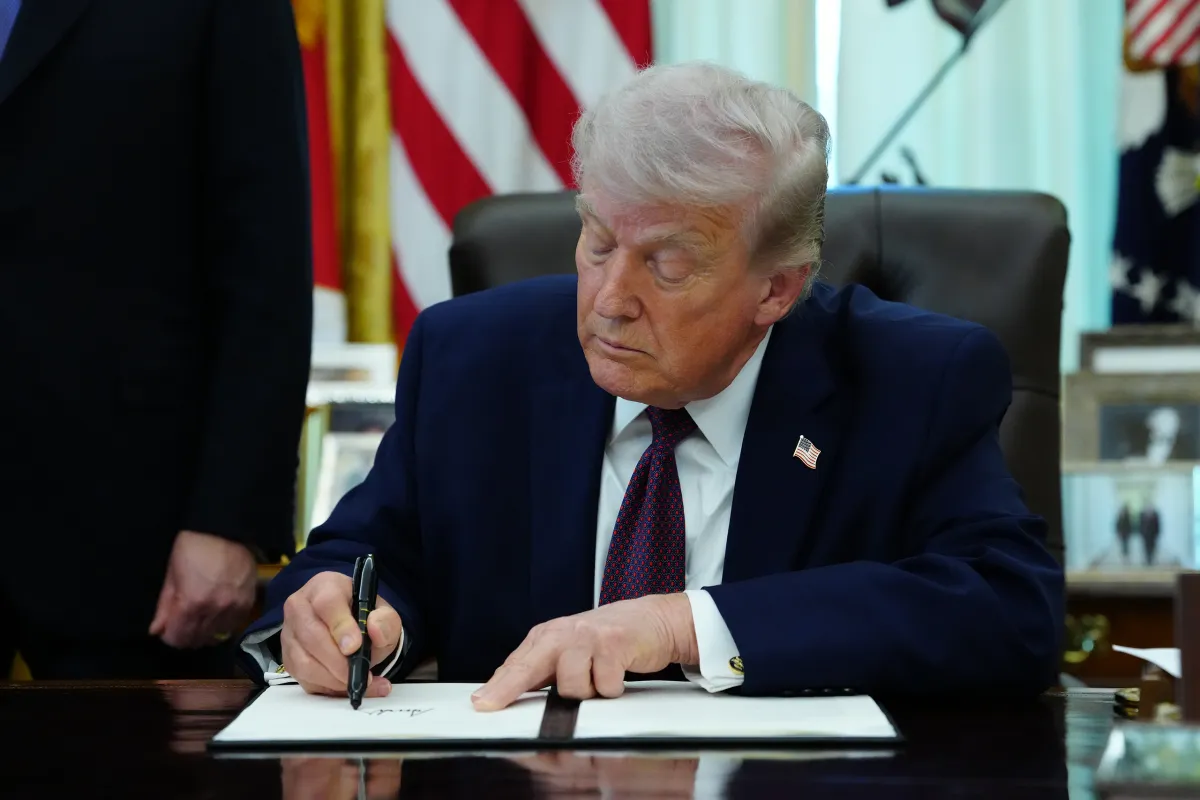



WASHINGTON, D.C. — In a move that has sent shockwaves through the halls of European diplomacy and NATO, President Donald Trump has officially moved to slash the number of American troops stationed in Germany.
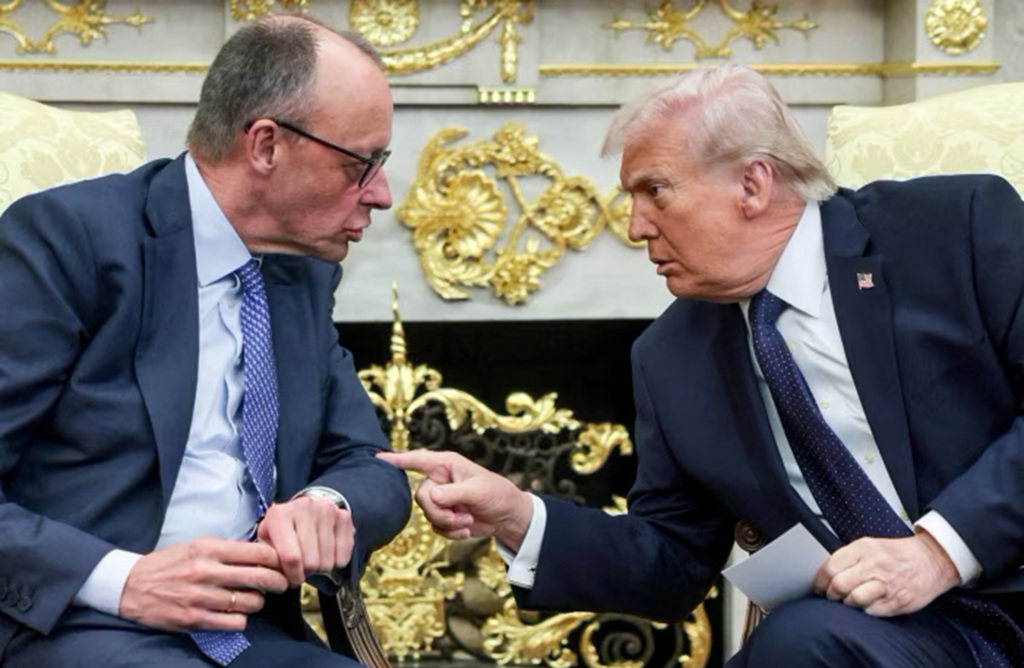
The decision, which marks a significant shift in decades of U.S. military strategy, comes as the President escalates a long-standing public feud with German Chancellor Friedrich Merz over global security and trade.
The announcement isn’t just about troop numbers; it’s a clear signal of the deepening divide between Washington and Berlin. From disagreements over the Iran nuclear deal to debates about NATO defense spending, the relationship between these two allies has reached a historic low.
President Trump has ordered the Pentagon to reduce the U.S. military footprint in Germany by nearly 9,500 personnel. Currently, about 34,500 active-duty soldiers are stationed there. Under the new plan, the cap for U.S. troops in the country would be set at 25,000.
The President’s reasoning is straightforward: he believes Germany is not paying its fair share. For years, Trump has criticized NATO members—and Germany in particular—for failing to meet the 2% of GDP defense spending target.
During a recent meeting at the White House, Trump was blunt about the situation. He questioned why the United States should “protect” Germany from Russia while Berlin continues to pay billions to Moscow for energy through projects like the Nord Stream 2 pipeline.
Key Takeaways from the Drawdown Plan:
- The Numbers: A reduction of roughly 9,500 soldiers, dropping the total to 25,000.
- The Relocation: Some troops may return to the U.S., while others could be moved to allies like Poland.
- The Cost: Trump has frequently called the U.S. presence “expensive” and unfair to American taxpayers.
- The Infrastructure: This affects major hubs like Ramstein Air Base and the Landstuhl Regional Medical Center.
The Iran Factor: A Widening Atlantic Gap
While money is a major talking point, the “Iran problem” is the underlying friction point. Chancellor Friedrich Merz has remained a staunch supporter of the 2015 Iran nuclear deal (JCPOA), which Trump famously withdrew from in 2018.
The U.S. has since implemented a “maximum pressure” campaign, including a naval blockade designed to halt Iranian oil exports. This blockade has caused significant tension in the Persian Gulf, where Iran’s Supreme Leader has recently issued defiant warnings against American presence.
The View from Tehran
The situation has been further complicated by recent comments from Iran’s leadership. In a defiant address, the Supreme Leader vowed to protect Iran’s nuclear and missile capabilities at all costs. He described the U.S. presence in the Persian Gulf as a “malice” and suggested that Americans have no place in the region except “at the bottom of its waters.”
These tensions put Germany in a difficult spot. Berlin wants to maintain the nuclear deal to prevent a regional arms race, but Washington sees this as being “soft” on a regime that continues to threaten global stability.
Impact on Global Security
Critics of the troop withdrawal argue that this is a “gift to Russia.” Germany has served as the backbone of U.S. military operations in Europe, Africa, and the Middle East since World War II.
Military experts note that these bases aren’t just for defending Germany; they are essential for:
- Deterrence: Keeping Russian expansion in check.
- Logistics: Providing a staging ground for operations in the Middle East and Africa.
- Medical Support: Treating wounded soldiers from various global “hot spots.”
Many U.S. lawmakers from both parties have expressed concern. Former Republican Senator Mitt Romney called the plan a “slap in the face” to a crucial ally, while others warn that it could weaken the NATO alliance at a time when global threats are rising.
Is This the End of the Transatlantic Alliance?
It is unlikely that the U.S. and Germany will part ways entirely, but the “business as usual” era of the alliance is clearly over. Chancellor Merz has historically been patient with Trump’s rhetoric, but this move feels different. It is a tangible policy change, not just a post on social media.
Interestingly, the German public is split. Recent polls suggest that nearly half of Germans actually support a reduction in American troops. Many younger Germans view the U.S. presence as a relic of the Cold War rather than a modern necessity.
What Happens Next?
- Congressional Review: The U.S. Congress may attempt to block the funding for the withdrawal.
- NATO Summitry: Expect tense meetings as other European leaders try to bridge the gap between Trump and Merz.
- Regional Shifts: Watch for increased U.S. military cooperation with Poland and the Baltic states, which are eager for more American “boots on the ground.”
The world is watching to see if this is a temporary “public feud” or a permanent shift in how America views its role in the world. For now, the message from the White House is clear: the days of “free-riding” on American security are over.