

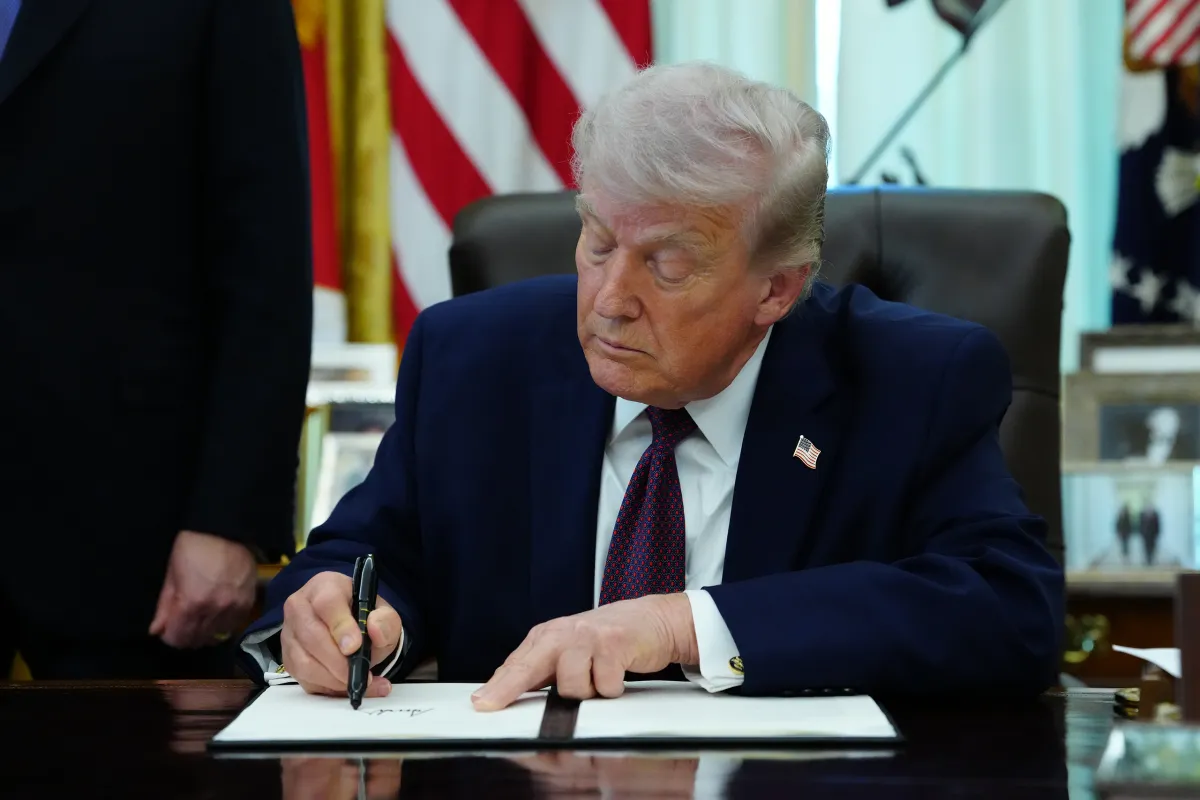

WASHINGTON, D.C. – President Donald Trump signed an executive order on March 31, 2026. He did so in the Oval Office. The action seeks to improve election security. It sets limits on mail-in voting. Federal agencies will build confirmed lists of eligible voters. They will also improve safeguards for absentee ballots.
Trump described the order as “foolproof” during the ceremony. He claims it prevents cheating through mail-in votes. He has raised this issue since the 2020 election. The timing fits months before the 2026 midterms. Previous efforts in his administration pushed for tougher ballot rules. This builds on those steps.
What the Order Covers
The order targets two key spots: voter checks and mail ballot protection. First, the Department of Homeland Security and the Social Security Administration step in. They create nationwide lists of eligible U.S. citizens for each state. State officials receive these lists.
Second, the U.S. Postal Service updates its processes. Absentee ballots now require secure envelopes with unique tracking barcodes. The postal service sends ballots only to voters on state-approved lists.
Key changes include federal data for state voter lists. All election mail gets Intelligent Mail barcodes for tracking. States limit ballots to pre-approved voters. Officials stress Election Day deadlines when possible.
These measures cut fraud risks. They keep mail voting open for groups like military personnel, overseas citizens, and those with disabilities.
Trump often warns about mail-in voting abuse. He cites lost ballots, late deliveries, and double votes as problems. At the signing, he promised “honest voting” for America. Supporters agree. They say loose rules erode trust in elections.
Many Republicans cheer the order. Better checks and tracking speed up results. They make outcomes more reliable. Critics see issues, however. Changes might block some voters. Groups for seniors, rural folks, and mobility-challenged people value mail access.
Mail-In Voting History in the U.S.
Mail and absentee voting expanded over time. About 30% of the 2024 presidential votes came by mail. States like California and Washington use full vote-by-mail setups. Fans say it raises turnout. Busy families, seniors, and remote voters benefit. Studies show fraud rates stay very low.
Opponents point out weak checks. In-person voting requires ID. They call for upfront proof and firm deadlines. The order avoids a full ban. It adds federal tracking and oversight, mainly for ballot delivery.
Democrats and rights groups slammed the order fast. They label it overreach. It risks blocking valid voters. Some states plan court fights. Experts remind us that presidents have little control over state elections. The Constitution gives states that power. Past orders met lawsuits and blocks.
GOP leaders applaud it. They view it as keeping promises for secure votes. Lawmakers stress citizenship proof and clean rolls. Polls split the public. Most back voter ID and anti-fraud steps. They also like easy voting choices.
Effects on 2026 Midterms
Midterms hit November 3, 2026. The order shakes up campaigns. States update mail ballot requests and send. Regular mail voters face new checks or tracking. Officials deal with delays from federal lists. White House staff say it updates the system. It protects real voters. Barcodes let people track ballots like packages.
Rollout takes time, though. Agencies write rules first. States choose adoption levels. Lawsuits loom large. A 2025 Trump order on deadlines got court stops. Debates focus on Postal Service orders and state list mandates. USPS runs independently. States handle elections.
The administration cites current laws on citizenship and deadlines. Courts decide what lasts. Check your state election office for updates. Many already demand mail ID or offer tracking.
Tips for Mail Voters in 2026
Plan mail voting? Follow these steps from the order. Request ballots early via state sites. Match your name to voter lists precisely. Track with the barcode on arrival. Mail back to hit state deadlines.
In-person options stay the same everywhere. Many states keep early voting. Supporters say the point stays simple. Eligible citizens vote. Ballots get tracked fully.
The order joins bigger discussions. Close races lately sparked reforms from both parties. Democrats push access growth. Republicans focus on fraud blocks. Common ground proves tough. Still, Americans agree on fair, right elections.
Trump keeps the talk alive. Courts, states, and voters watch as 2026 nears. Rules shift at polls or mailboxes. The balance of ease and trust plays out there.