

WASHINGTON, D.C. – The United States and Iran have taken a massive step toward ending their recent military conflict. A highly anticipated, 14-point preliminary agreement between Washington and Tehran has been made publicly available to global media outlets.
The text reveals a sweeping framework that aims to halt active warfare, open up blocked shipping lanes, and establish a temporary peace. While the historic document marks a breakthrough in global diplomacy, officials confirm that the historic terms have yet to be officially signed by either nation.
The diplomatic breakthrough became the central focus of world leaders meeting at the G7 Summit in Evian-les-Bains, France. Speaking from the summit, US President Donald Trump defended the preliminary deal with intense passion.
Trump claimed that the swift agreement he cut with Iran would help the world avoid an impending “economic catastrophe.” The deal is now set to be formally signed at a high-profile diplomatic gathering in Switzerland at the end of the week.
Key Takeaways
- Fourteen Preliminary Terms: The newly unveiled framework contains 14 distinct points designed to freeze military actions, lift naval blockades, and establish an immediate 60-day period for deeper peace talks.
- Averting Global Collapse: President Donald Trump heavily promoted the agreement during the G7 Summit, stating that reviving trade and opening vital oil routes would stop a catastrophic global economic tailspin.
- Signing Ceremony Set: Senior diplomats from both the United States and Iran are scheduled to arrive in Switzerland by Friday to officially sign the memorandum of understanding.
President Donald Trump used his platform at the annual G7 Summit in France to rally international support for the fast-moving diplomatic framework. Addressing a room packed with journalists and foreign leaders, Trump emphasized that the deal was an absolute necessity to protect global markets from total ruin. The recent military hostilities and the restrictive American naval blockade on Iranian ports had pushed global oil prices to dangerous highs, triggering widespread panic about a prolonged global recession.
According to an official report from The Jerusalem Post, Trump told reporters that his strategy successfully combined severe pressure with massive financial incentives. The President strongly rejected media reports suggesting that the United States would give a direct $300 billion cash payout to Tehran. Instead, Trump explained that Washington would allow external international investments and provide specific US Treasury sanctions waivers to kickstart regional commerce.
The President also emphasized that the primary goal of the aggressive American campaign was to secure absolute protection for regional allies. “Think of what Israel is getting. They are not going to be nuked,” Trump stated confidently during his press conference, according to media briefings. Trump made it clear that while the initial terms offer substantial economic relief to Iran, the United States reserves the right to resume decisive military action if Tehran fails to honor its nuclear dismantling promises.
A High-Stakes Friday Signing Ceremony in Switzerland
With the text of the memorandum of understanding now out in the open, the diplomatic focus shifts directly to neutral ground in Europe. Representatives from both administrations are finalizing travel plans to gather in Switzerland for the formal signing ceremony at the end of the week. The historic signing will officially trigger a strict 60-day window during which both countries must negotiate a permanent, comprehensive peace treaty.
As reported by Radio Free Europe, the American delegation traveling to Switzerland is expected to be led by Vice President JD Vance. Vance will be accompanied by special envoy Steve Witkoff and senior advisor Jared Kushner. The Iranian delegation will be headed by their top negotiator and parliament speaker, Mohammad Baqer Qalibaf. President Trump hinted that he might also attend the Swiss ceremony if the final logistical arrangements align perfectly with his schedule.
The choice of Switzerland as the host venue highlights the deep-seated lack of trust that still exists between Washington and Tehran. Swiss diplomats have frequently served as the protecting power and intermediary for US-Iran communications over many decades. Turning this preliminary 14-point framework into a legally binding, signed reality will be the first major test of whether this fragile truce can actually hold.
Inside the Fourteen Terms of the Strategic Framework
The draft text of the memorandum of understanding outlines a complex, high-stakes trade-off between military de-escalation and economic survival. The first and most critical point of the pact demands an immediate and permanent end to all military operations on all active fronts. Crucially, this ceasefire explicitly covers ongoing hostilities in Lebanon, aiming to bring quick stability to a deeply fractured region.
A detailed review of the text published by Military Times shows that the agreement forces both nations to respect each other’s territorial integrity. Upon the formal signing of the document, the United States must immediately begin dismantling its strict naval blockade of Iranian ports. The Pentagon will have a maximum of 30 days to fully remove all maritime shipping impediments, allowing commercial vessel traffic to return to historical, pre-war levels.
In exchange for the lifting of the naval blockade, Iran must pledge its best efforts to ensure safe, toll-free passage for commercial vessels. This maritime guarantee applies specifically to the vital shipping lanes running from the Persian Gulf to the Sea of Oman. Iran is also required to immediately begin the complex process of clearing naval mines and other hazardous military obstacles from the crowded waters within 30 days.
Reopening the Vital Strait of Hormuz Shipping Lanes
The immediate economic impact of the deal hinges entirely on the successful reopening of the Strait of Hormuz. The strait is widely considered the most important oil chokepoint in the world, with roughly a fifth of global petroleum consumption passing through it daily. The recent wartime closure of this narrow waterway choked off global energy supplies, causing fuel costs to skyrocket and threatening industrial supply chains worldwide.
To address this urgent economic threat, the preliminary deal contains specific clauses dedicated to restoring normal maritime trade. The text mandates that Iran will conduct direct dialogues with the Sultanate of Oman and other Gulf states to establish a stable, long-term maritime management system. This collaborative approach aims to prevent future unilateral closures of the strait, reassuring global shipping companies and insurance underwriters.
For the first 60 days following the signing ceremony, commercial vessels will be permitted to navigate the strait entirely free of charge. This temporary fee waiver is a major diplomatic victory for the American negotiation team. However, the text intentionally leaves the door open for Iran to negotiate standard, internationally compliant transit fees once the temporary 60-day trial period expires.
Sanctions Relief and the Proposed Reconstruction Fund
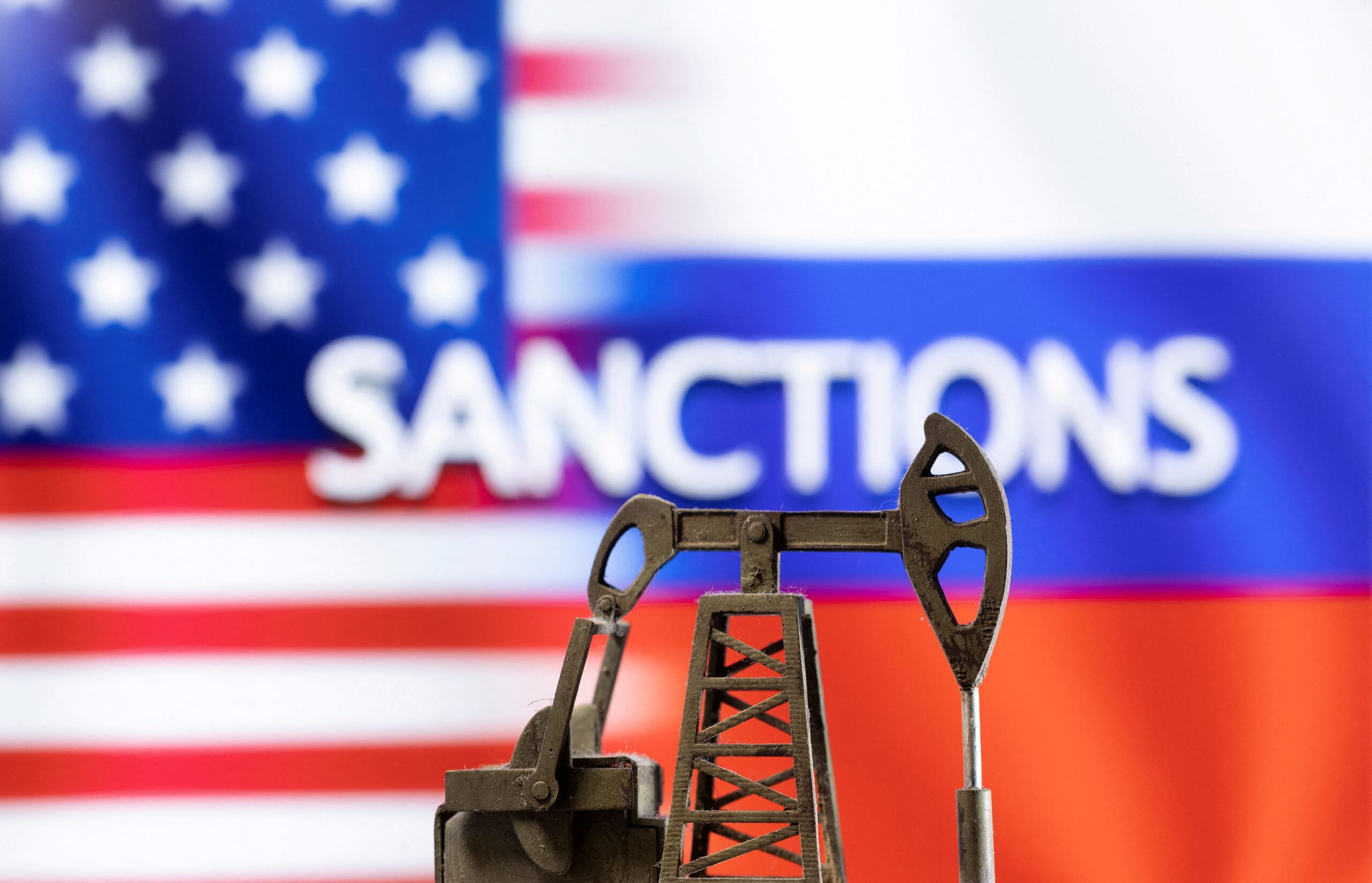
The primary incentive driving the Iranian government to the negotiating table is the promise of sweeping relief from crippling economic sanctions. Under the explicit terms of the framework, the US Department of the Treasury must issue immediate emergency waivers. These waivers will allow Iran to legally export its crude oil, petroleum products, and various chemical derivatives to global buyers.
The agreement also outlines a massive, long-term financial package aimed at rebuilding Iran’s broken domestic economy. The text states that the United States will work closely with its regional partners to create a definitive economic development plan. This comprehensive reconstruction initiative will feature a funding pool of at least $300 billion, designed to modernize Iranian infrastructure and restore civilian public services.
However, US officials have stressed that this enormous financial package comes with incredibly strict strings attached. No actual funds will be released to Tehran until a final, permanent treaty is completely signed and implemented. Furthermore, all required licenses and banking permissions will be strictly managed through a joint oversight mechanism to ensure no money is diverted toward prohibited activities.
Strict Nuclear Safeguards and the Downblending Mandate
The most sensitive and legally complex portions of the 14-point agreement focus squarely on Iran’s controversial nuclear program. While the preliminary deal defers the final, permanent dismantling of facilities to the upcoming 60-day negotiation round, it establishes rigid boundaries to prevent any immediate atomic breakthroughs. Under the temporary truce, Iran is strictly forbidden from advancing its current enrichment capabilities.
According to technical details published by the Times of India, the framework introduces a new minimum standard for handling highly enriched uranium. Iran must agree to a verified process of on-site “downblending,” which involves diluting its weapon-grade uranium stockpiles into low-enriched forms that can only be used for peaceful civilian energy. This entire process will be conducted under the constant supervision of the International Atomic Energy Agency.
In return for these immediate nuclear concessions, the United States has agreed to maintain a strict military status quo in the region. Washington has committed to not imposing any new economic sanctions and will not deploy any additional combat forces to the Middle East during the 60-day talk window. This mutual freeze is intended to create a calm, predictable environment where senior diplomats can hammer out a final nuclear disarmament treaty.
Intense Political Backlash Fires Up in Washington and Israel
Despite the optimistic statements delivered by President Trump at the G7 Summit, the unsigned agreement has sparked an immediate storm of political controversy. Critics from across the political spectrum in Washington have expressed deep skepticism regarding Iran’s long-term willingness to follow the rules. Many hawkish lawmakers argue that granting immediate oil waivers gives up vital American leverage far too early in the negotiation process.
The political divide was vividly displayed on Capitol Hill immediately after the 14 points were leaked to the public. High-profile Republican Senator Lindsey Graham offered cautious support for the framework, noting that a verified end to the war could bring immense benefits to global stability. In sharp contrast, Louisiana Senator Bill Cassidy slammed the proposal on social media, publicly labeling the memorandum of understanding as “the worst foreign policy blunder in decades.”
Meanwhile, the political reaction in Israel has been deeply anxious and highly critical. Israeli defense officials are deeply worried that the agreement does not explicitly dismantle Iran’s extensive ballistic missile and drone manufacturing networks. Opponents of the deal claim that the massive $300 billion reconstruction plan will ultimately allow Tehran to secretly rebuild its regional proxy networks once international focus shifts away.
Global Markets React to the Historic Peace Framework
The public release of the 14-point agreement sent immediate shockwaves through global financial markets, offering a clear sign of economic relief. As soon as traders confirmed that the United States and Iran had a concrete plan to reopen the Strait of Hormuz, global crude oil prices experienced a sharp, sudden decline. This drop in energy costs provided an immediate boost to major international stock indices, which had been battered by months of wartime uncertainty.
International shipping conglomerates and maritime insurance firms have welcomed the news with cautious optimism. The prospect of safe, toll-free passage through the Persian Gulf could drastically lower the steep war-risk insurance premiums that have driven up the retail cost of consumer goods worldwide. Air cargo carriers and commercial airlines are also preparing to adjust their international flight paths as the threat of regional missile strikes begins to recede.
However, financial analysts warn that this market rally could be incredibly short-lived if the upcoming Swiss signing ceremony hits an unexpected roadblock. Because the agreement is a memorandum of understanding rather than a fully binding treaty, any sudden violation on the ground could instantly reignite the conflict. Investors remain highly focused on Switzerland, waiting to see if both sides will actually put pen to paper.
The Long and Difficult Path to a Permanent Peace Treaty
As the diplomatic teams prepare to travel to Switzerland, foreign policy experts emphasize that this memorandum is merely the beginning of an incredibly difficult journey. History shows that previous international agreements with Iran have frequently collapsed due to internal political pressures and compliance disputes. The 60-day window created by this interim deal will force both sides to confront deep-seated grievances that have built up over decades.
The upcoming negotiations will have to solve incredibly complex details that the 14-point framework intentionally leaves vague. Diplomats must establish an exact, unshakeable timeline for the permanent removal of all United States sanctions. Simultaneously, they must design a foolproof verification system to prove that Iran has permanently dismantled its nuclear weapons research programs.
The stakes could not possibly be higher for the international community. If the upcoming Swiss talks succeed, it could mark the beginning of a completely new era of stability and economic growth for the Middle East and the wider world. If the negotiations fracture and fall apart, the fragile truce will dissolve, likely plunging the global economy right back into the very catastrophe that world leaders are desperately trying to avoid.