



BEIJING – China has issued a sharp diplomatic warning to the United States following the announcement of a naval blockade on the Strait of Hormuz, calling the move a “threat to global interests” that could ignite a wider conflict.
The warning comes after the collapse of high-stakes peace talks between Washington and Tehran. In response to the diplomatic failure, President Donald Trump ordered the U.S. Navy to restrict maritime access to Iranian ports. Beijing, which relies heavily on the waterway for its energy needs, has reacted with uncharacteristic bluntness, urging an immediate return to diplomacy.
Foreign Minister Wang Yi led the charge, stating that any attempt to choke off the world’s most vital energy artery risks a catastrophic escalation. The Strait of Hormuz is a narrow chokepoint through which approximately 20% of the world’s petroleum and liquefied natural gas (LNG) passes. For China, the stakes are even higher, as the strait facilitates nearly 40% of its total oil imports.
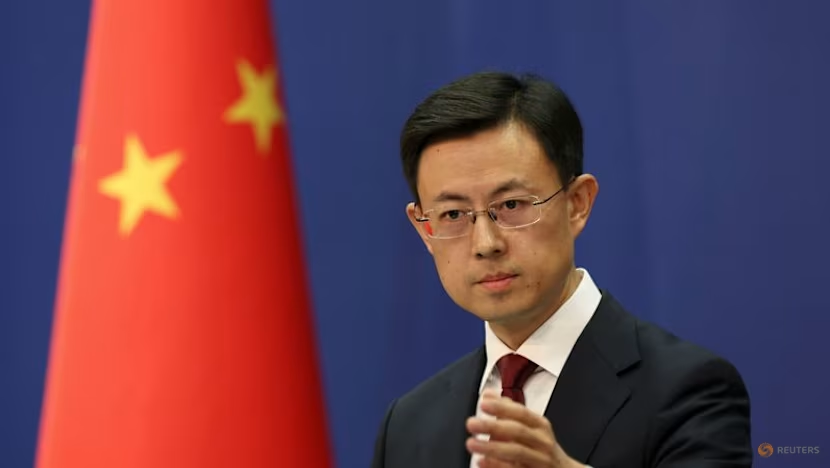
“China hopes the relevant parties will abide by the temporary ceasefire arrangements, remain committed to resolving disputes through political and diplomatic means, and avoid a resumption of hostilities,” foreign ministry spokesperson Guo Jiakun said during a Monday press conference.
The spokesperson emphasized that the safety and “unimpeded passage” of the strait are not just regional issues but are essential for the stability of the global economy.
Why Tensions Are Spiking Now
The current crisis follows a marathon 21-hour negotiation session in Pakistan that ended on Sunday without a breakthrough. The talks, led by Vice President J.D. Vance and Iranian officials, reportedly stalled over the issues of maritime control and Iran’s nuclear program.
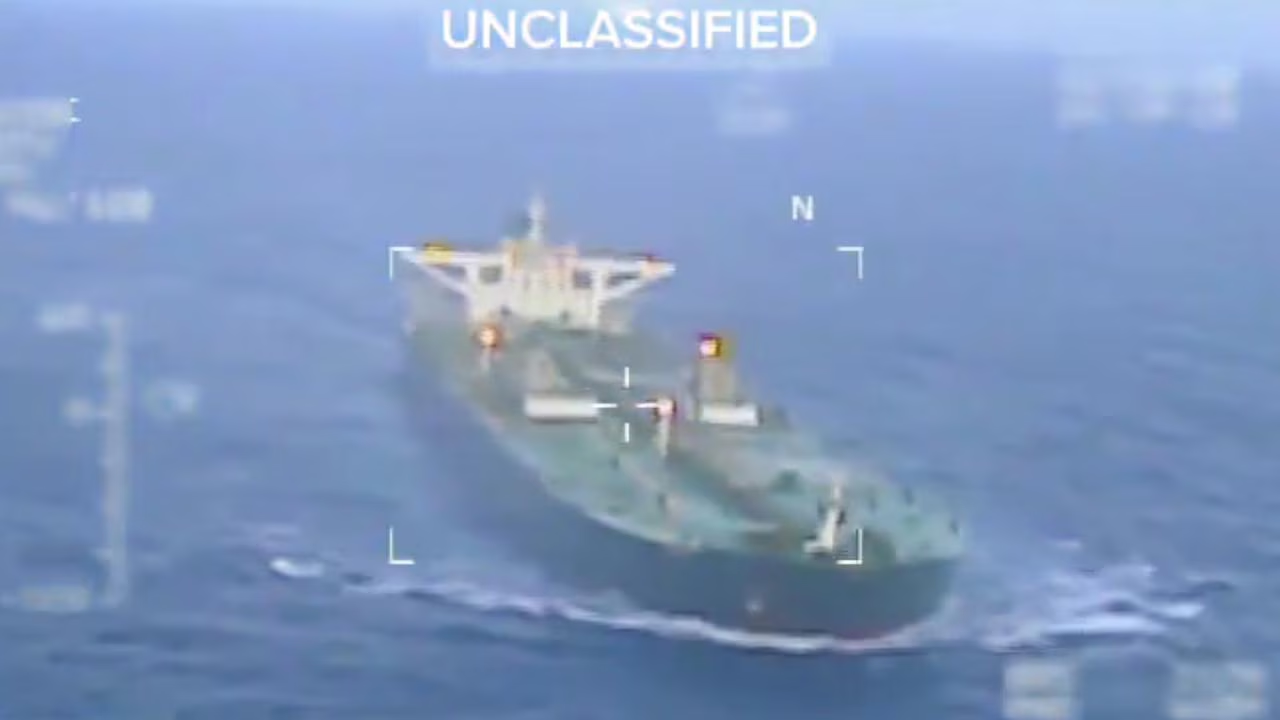
Following the breakdown, the U.S. Central Command (CENTCOM) announced it would enforce an “impartial” blockade on all vessels entering or exiting Iranian ports. Key developments include:
- Military Presence: U.S. warships have begun patrolling the Gulf of Oman to intercept unauthorized cargo.
- Iranian Retaliation: Tehran has called the blockade “piracy” and warned that no regional port will remain secure if its own trade is threatened.
- Market Shock: Oil prices have already surged toward $100 per barrel, sparking fears of a global inflationary spike.
Beijing’s concerns are not merely diplomatic; they are deeply economic. Analysts suggest the U.S. blockade might be specifically aimed at undermining the use of the Chinese yuan in oil trades—a direct challenge to the “petrodollar” system.
Defense Minister Admiral Dong Jun warned Washington not to interfere with China’s bilateral agreements with Iran. “We have trade and energy agreements with Iran; we expect others not to interfere in our affairs,” he stated, adding that China views the waterway as an international corridor that must remain open to its fleet.
The Human and Economic Cost
While the political maneuvering continues, the human toll of the broader regional conflict is mounting. Lebanese authorities have reported that the death toll from recent hostilities has surpassed 2,000 people. Beijing has used these figures to bolster its argument that only a lasting ceasefire and diplomatic engagement can prevent further tragedy.
The U.S. move has not only angered Beijing but has also caused a rift with Western allies. British Prime Minister Keir Starmer stated that the U.K. would not support a blockade, calling the freedom of the strait “vital” for the world.
As the U.S. Navy begins its operations, the international community is watching closely to see if Beijing will take more than just verbal action. For now, China remains positioned as a mediator, insisting that the “root cause” of the disruption is the military conflict itself, which must be resolved at the table, not on the water.
Related News:
New Allegations Link Ilhan Omar to China-Backed NGO in CUBA