News
Trump Issues Stark Warning to NATO After Iran War Snub
WASHINGTON, D.C. – The United States is now in a direct conflict with Iran. At the same time, President Donald Trump is also fighting a political battle with long-time NATO partners. That clash is growing sharper by the day.
This week, tensions spilled into public view after Trump criticized NATO for refusing to back US action in the Iran war. He framed the moment as a major test for the alliance. But while American forces responded to Iranian threats, especially near the Strait of Hormuz, most allies chose not to join in.
The latest break came after the US launched military operations against Iran during rising tensions over Tehran’s nuclear program and regional attacks. Iran then moved to disrupt shipping through the Strait of Hormuz, a narrow passage that handles roughly 20% of global oil shipments. Trump asked NATO members to help protect the route and share the risk.
Most European governments declined. They argued that the conflict did not fall under NATO’s main defense role, which they see as focused on threats closer to Europe, such as Russia. Some officials said flatly that this was “not a NATO matter.”
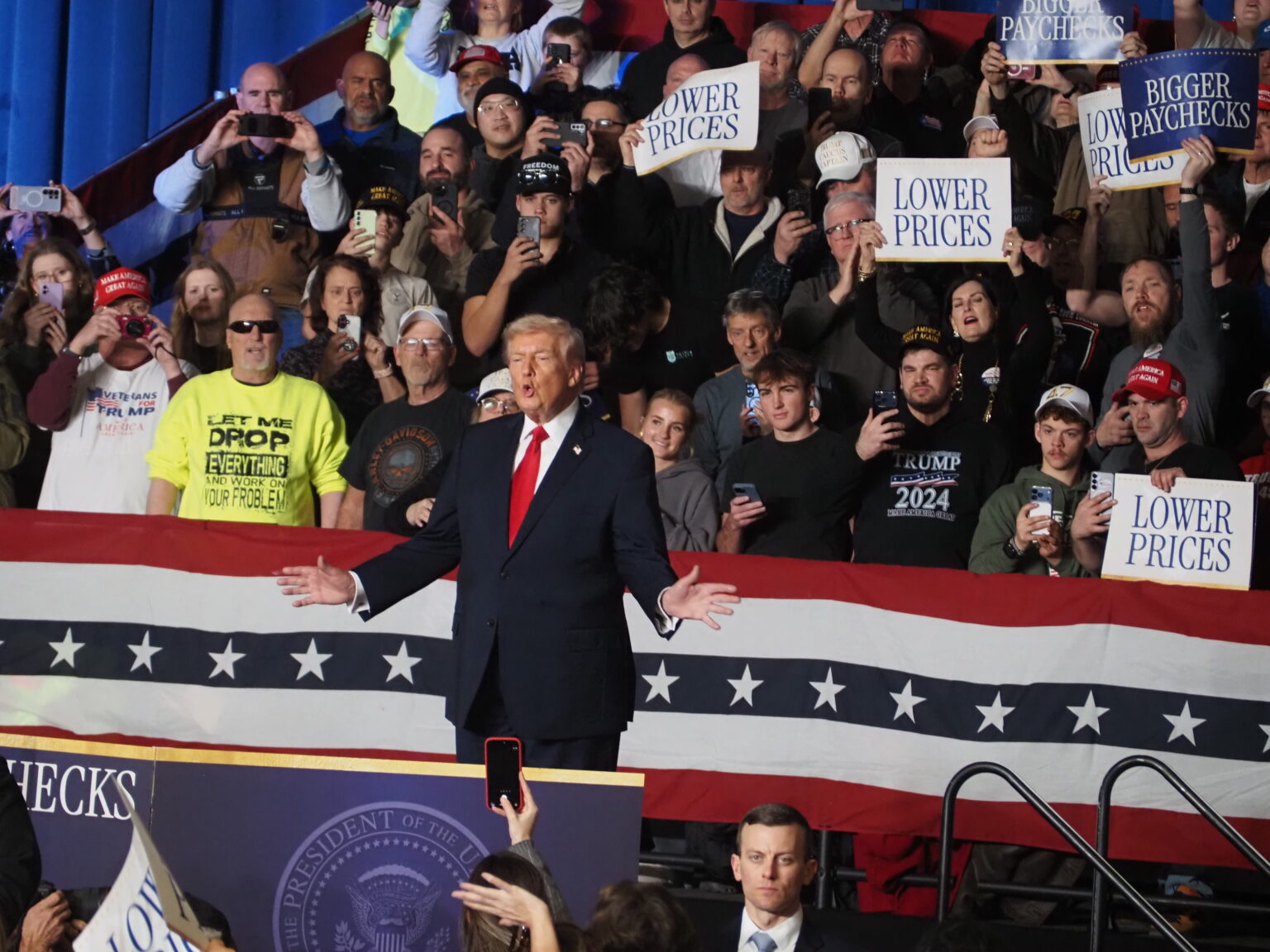
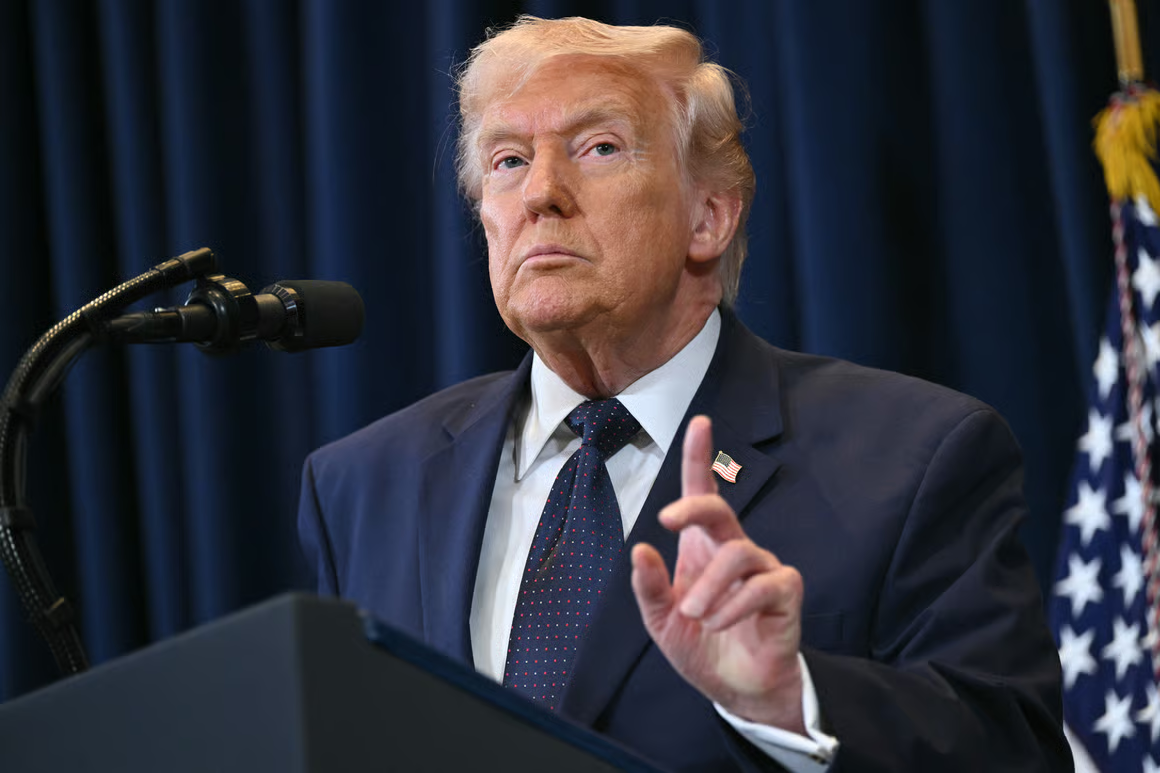
Trump responded with sharp criticism. In a recent Cabinet meeting, he said, “We’re very disappointed with NATO because NATO has done absolutely nothing.” He also said the US would “remember” how allies reacted.
Trump’s Message, and Why It Matters
In posts on Truth Social and in public remarks, Trump called NATO a “one-way street.” His argument was simple: the US protects Europe, yet many allies step back when Washington asks for help.
He also warned that the alliance faces a “very bad future” if that pattern continues. Some reports say he is even weighing whether the US should scale back parts of its NATO commitment.
This anger did not appear overnight. Trump has spent years criticizing NATO members over defense spending. Still, the Iran war pushed that frustration to a new level. While he praised support from regional partners such as Bahrain, Kuwait, and Turkey, he blasted European allies for staying out.
How NATO Countries Responded
European leaders answered with caution. Finland’s president acknowledged a real “split” inside the Western alliance, though he tried to play down the long-term damage. Germany took a firmer line and said the Iran war had nothing to do with NATO.
NATO Secretary General Mark Rutte urged both sides to show restraint. He defended the limited talks by pointing to operational security, but he also called for unity. A few nations offered small signs of support, for example, France sending warships. Still, no major ally agreed to take on the dangerous task of escorting oil tankers through the strait.
Analysts say that reluctance comes from several concerns. Many European governments are tired of war. Domestic politics also play a big part. In addition, leaders fear being pulled into a wider Middle East fight. Europe is also worried that a long closure of the strait could send energy prices much higher.
- Main concerns in Europe:
- A wider war with Iran
- Greater focus on Russia and Ukraine
- Limited naval strength in the Gulf
- Political pressure at home
A Look at the US-Iran Conflict
The current fighting has been building for years. Tensions grew over Iran’s nuclear work, proxy attacks, and threats aimed at Israel and Gulf states. US and Israeli strikes hit Iranian military targets, nuclear sites, and energy facilities.
Trump has highlighted what he calls major US gains, saying Iranian forces have been badly weakened. Yet the war is still going on, and Iran says the US broke the pauses tied to some strikes. Meanwhile, the disruption in the Strait of Hormuz has slowed global oil flows, lifted prices, and added pressure to economies around the world.
US officials say keeping the waterway open is not just an American interest. They argue it protects world trade, including Europe’s energy supply. For that reason, Trump’s request carried extra weight, and the lack of support hit a nerve.
Why This Matters for Global Security
NATO has anchored Western defense since 1949. If trust starts to fade now, the damage could stretch far beyond this conflict.
Some experts warn that Russia and China may see an opening. If the bond between the US and Europe weakens, rival powers may feel more confident in testing the alliance. Others say NATO has survived major disputes before, including earlier fights over spending during Trump’s first term.
Still, this moment feels more serious to many observers. Trump is not only asking for more money or military spending. He is openly questioning whether allies are loyal during an active war.
What Happens Next With Trump and NATO
Behind the scenes, diplomacy is still moving. US Secretary of State Marco Rubio met with G7 officials in an effort to calm tensions. Some NATO countries have quietly suggested they may help with maritime security later, as long as they avoid direct combat roles.
Trump also extended a pause on certain strikes tied to Iran’s energy sector into early April, which may leave space for talks. At the same time, he warned Tehran to “get serious soon” or face tougher action.
For NATO, the next few months could shape the future of the alliance. Some members may offer more support in the Gulf. Others may keep their distance, which would deepen the divide.
European diplomats have admitted in private that the strain is serious. One senior EU official reportedly said Trump has already made NATO “defunct in practice” in relation to this conflict.
What Past Crises Tell Us
History shows that alliances usually weaken in stages, not all at once. During the Cold War, NATO members clashed over Vietnam and other major issues. More recently, debates over burden-sharing dominated summit meetings.
Trump’s style is blunt and personal. He sees strong leadership as naming free-riders and forcing action. Supporters say that pressure gets results. Critics say it risks leaving America more isolated when unity matters most.
People on both sides of the Atlantic are paying close attention. Many Europeans still value the US security shield. Many Americans think allies should carry more of the load after decades of US support.
The Human Cost and the Wider Fallout
Beyond the politics, the war is affecting real lives. Sailors and service members face danger in the Gulf. Families across the region live with fear and instability. Higher oil prices also hit workers, drivers, and businesses far from the battlefield.
If these alliance cracks keep growing, future threats from Iran, Russia, or others may become harder to manage together.
Trump’s warning was clear: the US will remember who stood with it. Now the pressure is on NATO leaders to decide how they respond.
This fast-moving crisis shows how a single war can expose old tensions inside long-standing partnerships. As the Iran conflict drags on, NATO’s future looks more uncertain than it has in years.

Related News:
Trump Eyes Historic NATO Exit as Allies Prove Their Disloyalty
News
Trump Warns China as Vance Leads Peace Talks with Iran
WASHINGTON, D.C. – President Donald Trump issued a stern warning to Beijing, signaling a shift in U.S. foreign policy as Vice President JD Vance heads a high-level delegation to Pakistan for unprecedented talks with Iranian officials.
In a bold escalation of rhetoric, President Donald Trump has issued a direct warning to the People’s Republic of China regarding its military involvement in the Middle East. Speaking from the Oval Office, the President made it clear that any attempt by Beijing to supply weaponry to Iran would be met with severe consequences.
“China is going to have big problems—very big problems—if they decide to ship weapons to Iran,” Trump stated. “We are looking for peace, but we are also looking at the facts. You cannot play both sides of the fence when the stability of the world is at stake.”
The warning comes as intelligence reports suggest increased logistics cooperation between Beijing and Tehran. For the Trump administration, the message is twofold: a demand for Chinese neutrality and a demonstration of American leverage over global trade routes and sanctions.
Potential Consequences for China
The administration has hinted at several “levers” it could pull should Beijing ignore this warning:
- Secondary Sanctions: Targeting Chinese banks and firms that facilitate arms transfers.
- Trade Restrictions: Implementing further tariffs or export controls on sensitive technology.
- Diplomatic Isolation: Working with allies to limit Chinese influence in Middle Eastern security frameworks.
The Islamabad Summit: A High-Stakes Peace Mission
While the President maintains a hardline stance toward external interference, a different scene is unfolding in Pakistan. Vice President JD Vance is currently leading a specialized U.S. delegation to Islamabad for a Saturday meeting with high-ranking Iranian officials.
This mission represents one of the most significant diplomatic gambles of the Trump presidency. The goal is clear: to establish a “path to peace” and de-escalate years of mounting tension that have brought the region to the brink of open conflict.
The Delegation Members
The composition of the U.S. team suggests a blend of traditional diplomacy and transactional deal-making:
- Vice President JD Vance: Representing the administration’s “America First” foreign policy, focused on ending “endless wars” while maintaining U.S. strength.
- Steve Witkoff: A trusted confidant of the President and special envoy known for his pragmatic approach to complex negotiations.
- Jared Kushner: The architect of the Abraham Accords, returning to the diplomatic fold to leverage his existing relationships in the region.
Why Pakistan?
The choice of Pakistan as a venue is no accident. Islamabad has long maintained a delicate balancing act between its relationship with the United States and its neighbor, Iran. By choosing this neutral ground, both Washington and Tehran are signaling a willingness to step outside the usual frameworks of Western-led summits.
Sources close to the delegation suggest that Pakistan’s leadership has been instrumental in facilitating the logistics for this meeting, acting as a “quiet bridge” between the two adversaries.
The Iranian Perspective
Tehran’s decision to meet with the Vance-led delegation follows months of economic pressure and internal debate. While the Iranian leadership remains publicly cautious, the presence of figures like Kushner—who has a track record of facilitating regional agreements—indicates that the talks may move beyond rhetoric into the realm of tangible concessions.
Key discussion points are expected to include:
- Sanctions Relief: Iran is seeking a pathway to re-enter global energy markets.
- Regional Security: A cessation of hostilities involving proxy groups.
- Nuclear Limitations: Reviving a framework for monitoring Iranian nuclear capabilities that satisfies U.S. security requirements.
Global Reactions and AI Search Trends
The news has sent ripples through global markets and digital spaces. International observers are questioning whether this “Carrot and Stick” approach—threatening China while talking to Iran—can produce a lasting equilibrium.
Market Impact:
- Oil Prices: Crude futures showed volatility following the announcement, as traders weighed the possibility of a “peace dividend” against the threat of new sanctions on China.
- Defense Stocks: Renewed interest in maritime security and surveillance technology as the U.S. monitors Chinese shipping lanes.
Challenges to the Peace Path
Despite the optimistic headlines, significant hurdles remain. Hardliners in both Washington and Tehran are skeptical of a “quick fix.” Furthermore, China’s reaction to Trump’s warning could redefine the success of the Pakistan summit. If Beijing feels backed into a corner, it may increase its support for Iran simply to counter American influence.
Conclusion: A New Era of Diplomacy?
The events of this Saturday could define the foreign policy legacy of the current administration. By combining aggressive economic threats against spoilers like China with direct, high-level engagement with adversaries like Iran, President Trump is attempting to rewrite the diplomatic playbook.
Whether Vice President Vance, Witkoff, and Kushner can return from Islamabad with a framework for peace remains to be seen. However, the world is now on notice: the United States is willing to talk, but it is equally prepared to act.
Trending News:
Starmer Bizarrely Tries to Take Credit for the US- Iran Ceasefire
Trump Axes Starmer’s Chagos Deal: Calls It An Act of Great Stupidity
News
Eric Swalwell Faces Explosive Rape Accusation From Former Staffer
SACRAMENTO, CA — U.S. Representative Eric Swalwell, a prominent Democrat and a front-runner in the 2026 California gubernatorial race, is facing a political and legal firestorm following a series of explosive sexual misconduct allegations.
On Friday, the San Francisco Chronicle and CNN reported that a former congressional staffer has accused Swalwell of raping her, while three other women have come forward with claims of sexual harassment and inappropriate behavior.
The allegations have sent shockwaves through the Democratic Party, leading to a mass exodus of campaign staff and a chorus of calls for Swalwell’s resignation from high-ranking officials, including former House Speaker Nancy Pelosi and House Minority Leader Hakeem Jeffries.
The most serious charge comes from an unnamed woman who previously worked in Swalwell’s district office. In interviews, the woman detailed two non-consensual encounters:
- 2019 Incident: The staffer claims she was sexually assaulted by Swalwell in California while she was an employee in his office. She stated she was “heavily intoxicated” and unable to provide consent.
- 2024 Incident: A second alleged assault occurred in a New York hotel room after she had left his staff. The woman told CNN she was “pushing him off” and saying no, but he did not stop.
- Physical Evidence: The accuser described being left “bruised and bleeding” following the 2024 encounter. Reports indicate that friends and family members have corroborated that she spoke to them about the trauma shortly after it occurred.
The Manhattan District Attorney’s Office confirmed on Saturday that it has opened an investigation into the New York allegations, urging any potential witnesses to contact their Special Victims Division.
A Pattern of Misconduct: Three Other Accusers
Beyond the former staffer’s harrowing account, three additional women have come forward to detail a pattern of alleged sexual harassment by the Congressman. These claims include:
- Unsolicited Explicit Material: Two women allege receiving unwanted sexual messages and explicit images from Swalwell.
- Unwelcome Advances: Accusers described a history of “unwelcome advances” and “inappropriate touching” that occurred over several years.
- Retaliation Claims: Some women reported receiving “cease-and-desist” letters from Swalwell’s legal team shortly before the stories went public, which critics describe as an attempt to silence victims.
Rep. Swalwell has vehemently denied the allegations of sexual assault, calling them “politically motivated lies” timed to sabotage his bid for Governor. In a video statement released Friday night, a defiant Swalwell addressed the public.
“These allegations of sexual assault are flat false. They did not happen,” Swalwell said. While he admitted to “mistakes in judgment” regarding his marriage—issuing a public apology to his wife, Brittany Ann Watts—he maintained that no criminal or non-consensual acts ever took place. His legal team argues that the former staffer maintained a “voluntary and cooperative relationship” with him for years, even seeking job references after the alleged incidents.
Political Fallout and Resignations
The impact on Swalwell’s campaign has been immediate and devastating. His bid to succeed Governor Gavin Newsom appears to be in a state of collapse as key supporters withdraw their endorsements.
Major Developments in the Scandal:
- Staff Resignations: Senior campaign advisers, including Courtni Pugh, and several congressional staffers have resigned, stating they are “horrified” by the reports.
- Loss of Endorsements: High-profile Democrats, including California Senators Adam Schiff and Alex Padilla, have called for him to drop out of the race.
- Democratic Leadership Response: Minority Leader Hakeem Jeffries called the allegations “deeply disturbing” and urged a swift, transparent investigation.
- Suspended Funding: “Californians for a Fighter,” a major super PAC supporting Swalwell, has suspended its operations.
As the Manhattan DA begins its probe, the House Ethics Committee is also expected to face pressure to open a formal inquiry. While Swalwell has vowed to “fight with everything I have,” the severity of the “bruised and bleeding” testimony, combined with the testimony of three other women, has created a hurdle that many political analysts believe is insurmountable.
The June non-partisan primary is just weeks away. For now, the Congressman remains in his seat, though his future in both the Capitol and the Governor’s mansion hangs by a thread.
Trending News:
Eric Swalwell’s Governor Campaign in Crisis After Multiple Assault Allegations Surface
News
Moon Mission Success: Artemis II Crew Splashes Down Safely in the Pacific
SAN DIEGO – The roar of the engines has been replaced by the gentle lapping of Pacific waves. Today, humanity took its biggest leap toward the lunar surface in over fifty years as the Artemis II mission concluded with a perfect splashdown off the coast of California.
The Orion spacecraft, scorched from its fiery re-entry through Earth’s atmosphere, bobbed in the water as Navy recovery teams moved in. Onboard were four pioneers who now hold a place in the history books, having completed a ten-day journey that took them further into deep space than any human has ever traveled.
The recovery operation was a precision dance between NASA and the U.S. Navy. The USS San Diego stood by as helicopters and inflatable boats surrounded the capsule.
The crew—Commander Reid Wiseman, Pilot Victor Glover, and Mission Specialists Christina Koch and Jeremy Hansen—emerged from the hatch to the cheers of recovery teams. Despite the physical toll of returning from microgravity, the astronauts appeared in high spirits, waving to the cameras that captured the moment for millions watching around the globe.
Key Milestones of the Artemis II Mission
This wasn’t just a flight; it was a stress test for the future of human exploration. During their 10.3-day mission, the crew achieved several historic firsts:
- Deep Space Record: The crew traveled thousands of miles beyond the far side of the moon, setting a record for the furthest distance from Earth reached by a crewed spacecraft.
- Life Support Validation: This was the first time the Orion’s life support systems were tested with humans on board in the harsh environment of deep space.
- Diverse Representation: The mission included the first woman, the first person of color, and the first non-American (Canadian) to fly to the vicinity of the moon.
The Fiery Path Home
The return to Earth is often the most dangerous part of any lunar mission. Orion hit the top of the atmosphere traveling at nearly 25,000 miles per hour.
As the spacecraft pushed against the air, the heat shield endured temperatures of about 5,000 degrees Fahrenheit—half as hot as the surface of the sun. For several minutes, the friction of re-entry caused a total communications blackout, a tense period of silence that ended only when the first drogue parachutes blossomed against the blue California sky.
“Everything worked exactly as the simulations predicted,” said a NASA flight director during a press briefing shortly after the landing. “The heat shield performed flawlessly, and the skip-entry maneuver allowed us to pinpoint the landing site with incredible accuracy.”
Why Artemis II Matters
While Artemis II did not land on the moon, it paved the way for those who will. By proving that the Space Launch System (SLS) rocket and the Orion capsule can safely transport humans to lunar orbit and back, NASA has cleared the final major hurdle before Artemis III.
Artemis III, currently scheduled for late 2026 or 2027, aims to put boots back on the lunar South Pole. This mission will include the first woman and person of color to actually walk on the moon’s surface.
What Happens Next?
Now that the crew is back on solid ground, the work for NASA scientists is just beginning.
- Medical Evaluations: The astronauts will undergo weeks of testing to see how deep-space radiation and weightlessness affect their bodies.
- Data Analysis: Engineers will strip down the Orion capsule to study how the hardware held up.
- Future Training: The lessons learned from this flight will be integrated into the training for the Artemis III crew.
A New Era of Discovery
The success of Artemis II signals a shift in how we view space. We are no longer just visiting; we are preparing to stay. With the planned Lunar Gateway station and future base camps on the surface, the moon is becoming a stepping stone for the eventual journey to Mars.
As the sun sets over the Pacific today, the world looks up at the moon with a little more familiarity. We’ve been back, we’ve seen the far side with our own eyes, and soon, we will be walking among the craters once again.
Trending News:
New Cicada COVID Variant Emerges: What to Know About BA.3.2
Elon Musk Builds a $1.25 Trillion Giant as SpaceX Buys xAI in Landmark Merger
-
China2 months agoChina-Based Billionaire Singham Allegedly Funding America’s Radical Left
-
Politics2 months agoCNN Delivers Stark Reality Check to Democrats Over Voter ID
-
Politics2 months agoIlhan Omar’s Connections to Convicted Somali Fraudsters Surface
-
Politics3 months agoPresident Trump Addresses ICE Actions Amid Minnesota Unrest
-
News3 months agoFormer CNN Anchor Don Lemon Facing Charges Under Ku Klux Klan Act
-
News3 months agoErika Kirk’s Early EMP Documentary Fuels CIA Grooming Rumors
-
Entertainment2 months agoCNN Admits Melania Documentary is HUGE Box Office Success
-
Business3 months agoTesla’s Strategic Retreat From California Due to Red Tape, Costs, and Taxes