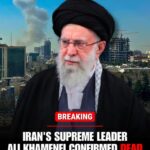




TERRAN – In a stunning turn of events that has shaken the Islamic Republic to its core, crowds in multiple Iranian cities have torn down statues of Supreme Leader Ayatollah Ali Khamenei, cheering wildly following confirmed reports of his death in joint U.S.-Israeli airstrikes.
The 86-year-old cleric, who ruled Iran with an iron fist for nearly 37 years, was killed late Friday in an attack on his Tehran compound, according to Iranian state media, U.S. President Donald Trump, and Israeli officials.
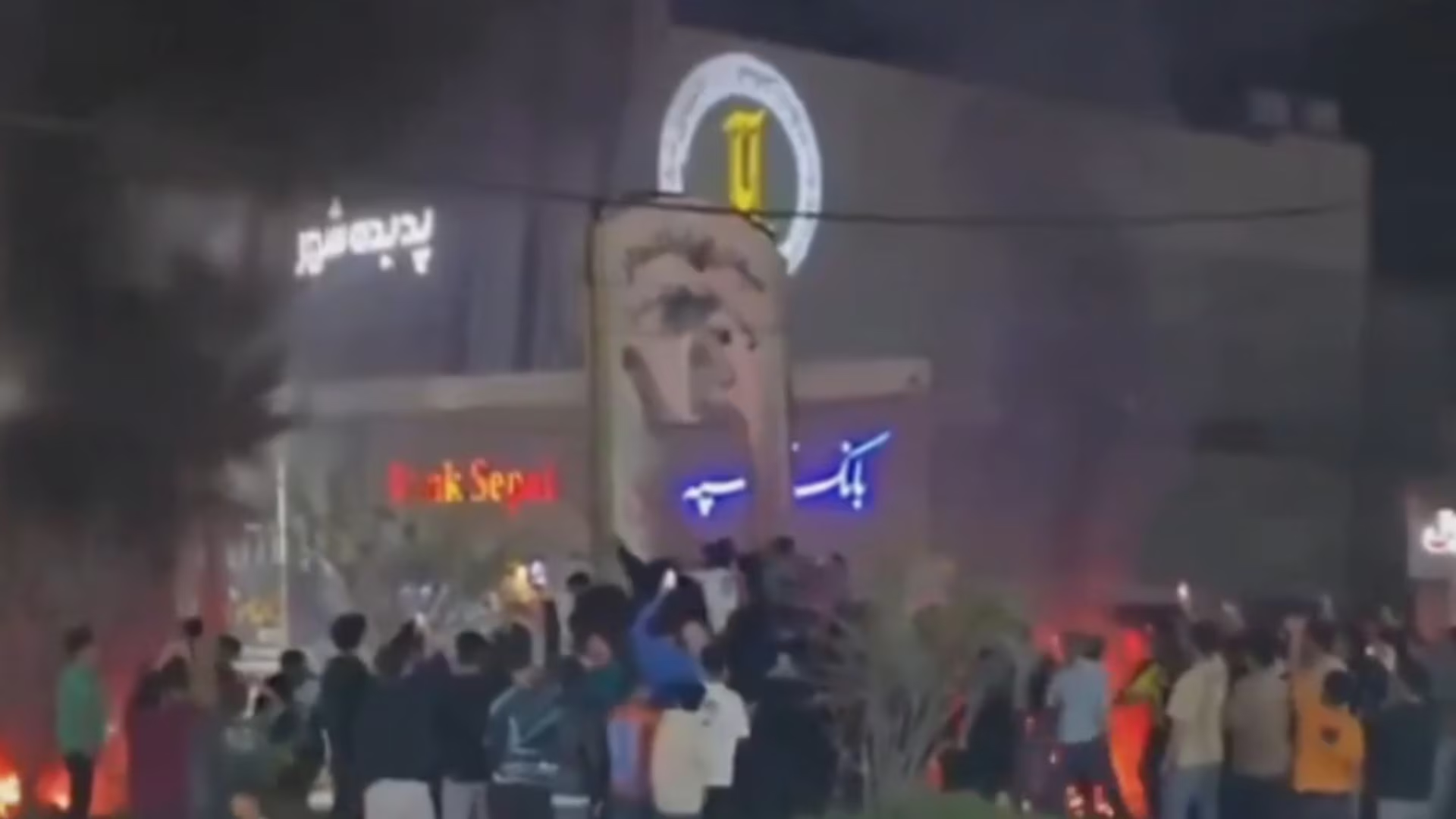
Videos circulating on social media show jubilant protesters in Tehran, Dehloran, and other locations pulling down massive monuments dedicated to Khamenei, stomping on portraits, and setting effigies ablaze. Chants of “freedom” and “death to the dictator” echoed through the streets, marking a dramatic shift from the regime’s tightly controlled narrative of mourning.
Khamenei’s Death Confirmed After Devastating Strikes
Iranian state television broke the news early Sunday, announcing that Khamenei had achieved “martyrdom” during what it described as a “barbaric” U.S.-Israeli assault. An anchor read a statement expressing “ultimate grief,” while the government declared 40 days of public mourning and seven days of holiday.
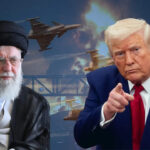
President Trump, posting on Truth Social, declared: “Khamenei, one of the most evil people in History, is dead.” He called it the “single greatest chance for the Iranian people to take back their Country.” Israeli sources confirmed the supreme leader was targeted in a precision strike during a meeting with top aides, with family members—including his daughter, grandchild, son-in-law, and daughter-in-law—also reported killed.
The strikes, part of a broader operation dubbed by some as aimed at regime change, followed escalating tensions. No immediate successor has been named, leaving a significant power vacuum at the top of Iran’s theocratic system.
Nationwide Joy and Protests Defy Official Mourning
Contrary to state calls for solemnity, reports from across Iran indicate widespread celebrations. Eyewitness accounts and viral footage depict:
– In Tehran: Crowds gathering in public squares, toppling a prominent Khamenei statue and dragging its remnants through the streets amid cheers.
– In Dehloran and other provinces: Protesters are burning regime symbols and chanting against the Islamic Republic’s clerical leadership.
– Social media users sharing clips with captions like “Taking out all traces of this evil regime” and “Iran erupts in joy.”
Anti-regime activists and exiled opposition groups describe the scenes as reminiscent of liberation moments in other authoritarian falls. One Tehran resident, speaking anonymously to international media, said: “For decades, we lived in fear. Today, people feel hope for the first time.”
These outbursts follow years of suppressed dissent, including the 2022 protests over Mahsa Amini’s death and earlier economic demonstrations. Khamenei’s rule saw brutal crackdowns, with thousands killed or imprisoned.
Latest Reports on Iran’s Leadership and Ongoing Crisis
As of March 1, 2026, key developments include:
Power Transition Uncertainty: The Assembly of Experts, responsible for selecting the supreme leader, has not announced a replacement. Hardline elements within the Islamic Revolutionary Guard Corps (IRGC) are expected to push for continuity, but the strikes have weakened command structures.
Military Response: Iran’s armed forces vowed a “crushing response” to the attacks. Retaliatory strikes targeted U.S. facilities in the region, causing minimal damage and no American casualties reported so far.
Government Statements: Officials insist senior figures remain in control, but conflicting early denials gave way to confirmation of Khamenei’s death. President Masoud Pezeshkian is reported safe.
International Reactions: Trump hailed the operation for advancing “peace throughout the Middle East.” Allies like Israel and Saudi Arabia supported the action, while regional powers monitored for escalation.
Domestic Instability: Protests continue despite risks, with reports of security forces struggling to contain crowds celebrating rather than mourning.
Khamenei’s Legacy: Iron Rule and Regional Hostility
Ayatollah Ali Khamenei assumed the role of supreme leader in 1989 following Ruhollah Khomeini’s death. His tenure featured:
– Fierce anti-U.S. and anti-Israel rhetoric.
– Support for proxy groups across the Middle East.
– Suppression of domestic dissent, including the 2009 Green Movement and later uprisings.
– Oversight of Iran’s nuclear program and ballistic missile development.
Critics label him the architect of repression; supporters viewed him as a defender of the 1979 Islamic Revolution.
The death creates unprecedented uncertainty. Analysts warn of potential IRGC consolidation or a popular uprising. Trump suggested continued military pressure until “peace” is achieved.
For many Iranians, however, the toppling of Khamenei’s statues symbolizes the end of an era. As one viral post read: “The tyrant is gone—now the people rise.”